Source Industrial Wastewater Treatment Tube Diffuser for Industry, Agriculture, Home
Compare 30 Industrial Wastewater Treatment Tube Diffuser options from verified suppliers. Explore models like Air Diffuser 07 and TD series with EPDM membranes for aeration projects in industrial, agriculture, and home settings.
Key considerations
Products List




Comprehensive Sourcing Guide
Strategic Sourcing Guide for Industrial Wastewater Treatment Tube Diffusers
Understanding Core Product Categories and Technical Definitions
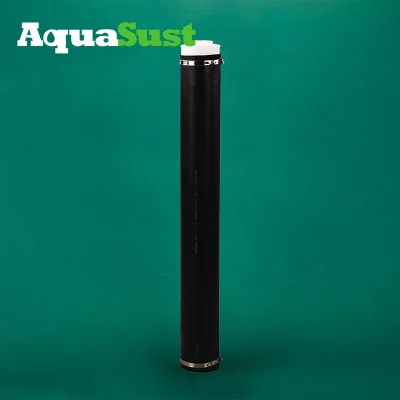
The industrial wastewater treatment sector relies heavily on efficient aeration systems to maintain dissolved oxygen levels, a critical factor for biological treatment processes. When sourcing tube diffusers, buyers must distinguish between fine bubble and coarse bubble technologies, as the selection directly impacts energy efficiency and treatment efficacy. The product landscape includes tubular diffusers designed specifically for industrial, agricultural, and even hospital applications. These devices function by releasing air in the form of micro-bubbles, which maximize the surface area for oxygen transfer into the wastewater.
A primary observation in the current market is the variation in membrane materials. High-performance units often utilize EPDM (Ethylene Propylene Diene Monomer) combined with rubber, while others may incorporate silicone or TPU (Thermoplastic Polyurethane) membranes. The choice of membrane material is not merely a cosmetic difference; it dictates the chemical resistance, flexibility, and longevity of the diffuser under varying pH and temperature conditions. Some listings indicate a composite construction of ABS/PP with UV protectors for specific housing components, ensuring durability against environmental stressors.
The physical dimensions of these diffusers vary significantly to accommodate different tank geometries. Standard specifications observed in the market include lengths of 500mm, 750mm, 1000mm, and 1100mm. Diameter options are equally diverse, ranging from compact 65mm tubes to larger 90mm or 113mm variants. Buyers should note that specific models, such as the TD65, TD93, and TD113 series, represent standardized sizing conventions that facilitate easier system design and replacement part inventory management. The bubble size is a critical performance metric, with high-efficiency units producing bubbles in the 0.8mm to 2.0mm range, which is essential for maximizing the oxygen transfer efficiency (OTE) in deep tanks.
Technical Specifications and Performance Parameters
When evaluating a tube diffuser for an aeration project, the technical specifications must align precisely with the hydraulic and biological requirements of the treatment plant. The flow range is a fundamental parameter, with observed capabilities spanning from 2 to 28 cubic meters per hour (m3/H) per unit. This variability allows for flexible system design, enabling engineers to scale aeration capacity by adjusting the number of diffusers or selecting models with higher flow ratings.
The service area is another critical specification that determines the coverage of each unit. Data indicates a service area range of 0.75 to 2.5 square meters, which helps in calculating the total number of diffusers required for a specific tank volume. The membrane thickness and pore structure are not always explicitly listed in general product descriptions but are implied through the bubble size specifications. A consistent bubble size of 0.8-2.0mm suggests a fine bubble design, which is generally preferred for industrial applications due to its superior oxygen transfer efficiency compared to coarse bubble systems.
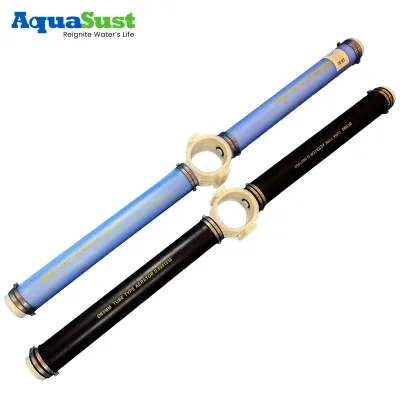
Connector types are a vital compatibility factor for installation. The 3/4 NPT (National Pipe Thread) standard is a common specification found in the market, ensuring that the diffuser can be securely attached to existing air supply piping. However, buyers must verify if their existing infrastructure matches this standard or requires adapters. The physical construction often involves a black or blue color scheme, which may be indicative of the UV-resistant properties of the outer casing or membrane. Some units are available in white, which might be preferred for specific visual inspections or regulatory requirements.
The following table summarizes the key technical specifications observed in the market for industrial tube diffusers:
| Specification Category | Observed Values & Options | Application Relevance |
|---|---|---|
| Membrane Material | EPDM, Silicone, TPU, Rubber | Determines chemical resistance and lifespan |
| Tube Length | 500mm, 750mm, 1000mm, 1100mm | Matches tank depth and mixing requirements |
| Diameter | 65mm, 90mm, 113mm | Affects air flow capacity and bubble size |
| Flow Range | 2-28 m³/H | Dictates aeration capacity per unit |
| Bubble Size | 0.8-2.0mm | Critical for Oxygen Transfer Efficiency (OTE) |
| Connector Type | 3/4 NPT | Ensures compatibility with air supply lines |
| Service Area | 0.75-2.5 m² | Helps calculate total unit quantity needed |
Compliance, Standards, and Certification Verification
In the realm of industrial wastewater treatment, compliance with international and local standards is non-negotiable. While specific certification bodies are not universally mandated for every product listing, buyers must verify that the diffusers meet relevant performance standards for aeration efficiency and material safety. The market data references specific standard dimensions such as 215mm, 260mm, and 300mm, which likely correspond to disc diffuser standards, but tubular diffusers often adhere to different sizing conventions like the 65mm or 90mm diameters mentioned.
Buyers should explicitly request documentation regarding the material composition to ensure it meets environmental and safety regulations. For instance, the use of EPDM and Silicone is generally accepted for potable water and wastewater applications, but verification of the absence of harmful additives is crucial. The "Customization" attribute observed in the market suggests that suppliers may offer tailored solutions, but this requires a rigorous review of the custom specifications to ensure they do not deviate from necessary safety or performance standards.
Furthermore, the origin of the product, often cited as China or specific regions like Anhui, implies a need for due diligence regarding manufacturing quality control systems. Buyers should inquire about the supplier's adherence to ISO standards or other recognized quality management frameworks. Although specific certification labels are not provided in the general product data, the presence of a "processing capacity" metric of 99% in some listings hints at high-efficiency manufacturing processes. However, this figure should be treated as a supplier claim that requires independent verification through third-party testing or audit reports before procurement decisions are finalized.
Cost Drivers and Pricing Structure Analysis
The pricing of industrial tube diffusers is influenced by a complex interplay of factors, including material costs, manufacturing complexity, and order volume. The observed price range in the market spans from $1.50 to $19.00 USD per unit. This wide variance is primarily driven by the type of membrane material used, the size of the diffuser, and the level of customization required. Smaller diameter units with standard EPDM membranes tend to fall on the lower end of the price spectrum, while larger units with silicone or TPU membranes, or those with custom fittings, command higher prices.
The Minimum Order Quantity (MOQ) is another significant cost driver. The market shows an MOQ range from 1 unit to 1000 units. Purchasing in bulk often results in a lower unit price, making it a strategic consideration for large-scale industrial projects. However, for smaller facilities or pilot projects, suppliers offering low MOQs or sample availability (as indicated by the "Sample: Yes" attribute) provide a viable entry point, albeit at a potentially higher per-unit cost.
Packaging and logistics also contribute to the total cost of ownership. Standard packaging often involves cartons, but custom packaging options are available. Buyers must factor in the cost of shipping, which is typically handled via sea or boat transport for international orders. The lead time for delivery can vary, and while specific timelines are not universally fixed, the "Delivery: by Sea/Boat" attribute suggests that ocean freight is the primary mode, which may impact the overall project schedule and inventory planning.
Typical Applications and Operational Context
Industrial tube diffusers are versatile components designed for a wide array of applications beyond just municipal sewage treatment. The observed usage categories include industrial, agricultural, home, and hospital settings. In industrial contexts, these diffusers are essential for biological treatment processes in factories, chemical plants, and food processing facilities where high organic loads require efficient oxygenation.
Agricultural applications often involve the treatment of runoff or wastewater from livestock operations, where the robustness of the diffuser is key to handling variable water quality. The "Home" and "Hospital" usage categories suggest that smaller-scale or specialized diffusers are available for residential septic systems or medical facility wastewater treatment, highlighting the adaptability of the technology.
The specific application of "Aeration Project" underscores the primary function of these devices. Whether in an activated sludge process, an oxidation ditch, or a sequencing batch reactor (SBR), the tube diffuser plays a pivotal role in maintaining the microbial activity necessary for breaking down contaminants. The ability to customize the length and diameter allows engineers to optimize the aeration pattern for specific tank shapes, ensuring uniform oxygen distribution and preventing dead zones in the treatment basin.
Supplier Evaluation and Quality Control Protocols
Selecting the right supplier is as critical as selecting the right product. Buyers should evaluate potential suppliers based on their ability to provide detailed technical data, their manufacturing capacity, and their track record in the wastewater treatment sector. The presence of a "processing capacity" of 99% in some listings is a strong indicator of high-quality manufacturing, but it should be validated through site audits or references from previous clients.
Quality control protocols should be a central part of the procurement process. Buyers must verify that the diffusers undergo rigorous testing for bubble size consistency, membrane durability, and connector integrity. The "Customization" attribute implies that suppliers can tailor products to specific needs, but this flexibility must be balanced with strict quality assurance measures to ensure that custom units perform as reliably as standard models.
When evaluating suppliers, consider the following criteria:
- Technical Support: Does the supplier provide engineering support for system design and installation?
- Sample Availability: Can the supplier provide samples for testing before a bulk order is placed?
- Warranty and Service: What is the warranty period, and what is the process for handling defects or premature failures?
- Production Capacity: Can the supplier meet the required lead times, especially for large orders?
Long-Term Procurement and Lifecycle Management
Procuring tube diffusers is not a one-time transaction but a long-term investment in the facility's operational efficiency. The lifespan of a diffuser is heavily dependent on the quality of the membrane material and the operating conditions of the wastewater. EPDM and silicone membranes are known for their longevity, but regular inspection and maintenance are necessary to ensure optimal performance.
Buyers should consider the total cost of ownership, which includes not only the initial purchase price but also the costs associated with installation, energy consumption, and replacement. High-efficiency diffusers that produce smaller bubbles may have a higher upfront cost but can result in significant energy savings over time due to improved oxygen transfer efficiency.
Furthermore, the availability of spare parts and the ease of replacement should be factored into the procurement decision. Standard models like the TD65, TD93, and TD113 series offer the advantage of widespread availability and interchangeability, reducing the risk of supply chain disruptions. Custom models may require longer lead times for replacement, which could impact plant operations if a failure occurs.
In conclusion, sourcing industrial wastewater treatment tube diffusers requires a comprehensive understanding of technical specifications, material properties, and supplier capabilities. By carefully evaluating the factors outlined in this guide, buyers can make informed decisions that ensure the reliability, efficiency, and cost-effectiveness of their aeration systems. The key is to balance the immediate needs of the project with the long-term goals of operational sustainability and environmental compliance.
FAQs
What membrane materials are used for industrial tube diffusers?
Common membrane materials include EPDM, silicone, and TPU. These materials provide chemical resistance and flexibility, ensuring longevity under varying pH and temperature conditions in wastewater treatment systems.
Which tube lengths are available for aeration projects?
Available tube lengths typically range from 500mm to 1000mm. Specific models may also offer 750mm options to accommodate different tank depths and mixing requirements in industrial applications.
How is the bubble size defined for fine bubble diffusers?
High-efficiency units produce bubbles in the 0.8mm to 2.0mm range. This fine bubble design maximizes oxygen transfer efficiency compared to coarse bubble systems used in older aeration technologies.
Can these diffusers be customized for specific tank geometries?
Yes, customization is available for length, diameter, and fittings. Buyers should verify that custom specifications maintain required safety and performance standards before finalizing procurement decisions.
What is the typical flow range per diffuser unit?
The observed flow range spans from 2 to 28 cubic meters per hour. This variability allows engineers to scale aeration capacity by adjusting the number of units or selecting higher flow models.
Which connector types ensure compatibility with air supply lines?
The 3/4 NPT standard is a common connector type found in the market. Buyers must verify if their existing infrastructure matches this standard or requires adapters for secure installation.
What is the service area coverage for a single unit?
The service area ranges from 0.75 to 2.5 square meters per unit. This metric helps calculate the total number of diffusers required for a specific tank volume and treatment capacity.