Source Industrial Wastewater ORP Sensor for water treatment, pool monitoring, and leak detection
Compare 30 Industrial Wastewater ORP Sensor options from verified Chinese manufacturers. Buyers can evaluate measuring ranges, materials like PPS or glass, and protection features for water treatment, pool monitoring, and leak detection applications.
Key considerations
Products List


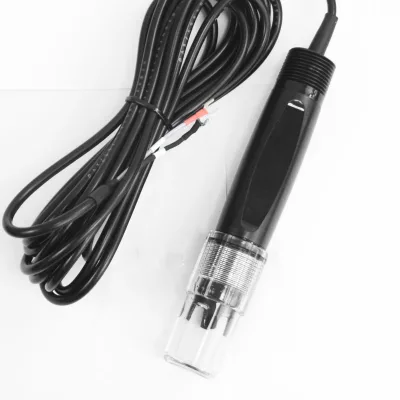

Online ORP Sensor Meter Water Quality Sensor for Aquaculture and Sewage Treatment
$150.00 - $179.00
MOQ: 1 Pieces


Comprehensive Sourcing Guide
Strategic Sourcing Guide for Industrial Wastewater ORP Sensors
Selecting the appropriate Oxidation-Reduction Potential (ORP) sensor for industrial wastewater applications requires a rigorous evaluation of technical specifications, environmental durability, and supply chain reliability. The complexity of wastewater treatment processes, which often involve fluctuating chemical compositions and aggressive media, demands sensors that can maintain accuracy under stress. This guide synthesizes available product data and industry best practices to assist procurement professionals in identifying suitable instrumentation without relying on unverified marketing claims. The focus remains on observable attributes, material compatibility, and functional requirements derived from verified product listings and standard engineering principles.
Technical Specifications and Measurement Capabilities
The core functionality of an ORP sensor lies in its ability to measure the voltage difference between a reference electrode and a sensing electrode, typically expressed in millivolts (mV). For industrial wastewater monitoring, the measuring range is a critical parameter. Verified product data indicates a specific measuring range of 0-2000mV, which aligns with the standard requirements for many wastewater treatment scenarios where redox potential can vary significantly. Additionally, some configurations support a pH measuring range of 0-14pH, suggesting that certain units may offer combined functionality or are part of a broader suite of water quality instruments.
Temperature stability is equally vital, as ORP readings are temperature-dependent. The observed temperature range for relevant units spans from 0 to 85°C. This wide operational window suggests suitability for processes involving heated effluents or varying ambient conditions. However, buyers must verify that the specific sensor model selected can withstand the maximum temperature of their specific wastewater stream without degradation. The connection interface is another technical consideration; observed specifications include a 3/4 NPT pipe thread for installation, ensuring compatibility with standard industrial piping systems. Some units feature a low-noise cable that goes out directly, which helps minimize signal interference in electrically noisy industrial environments.
| Parameter | Observed Specification | Application Relevance |
|---|---|---|
| Measuring Range | 0-2000mV | Covers standard redox potential fluctuations |
| Temperature Range | 0-85°C | Suitable for heated or variable temp streams |
| Installation Size | 3/4 NPT Pipe Thread | Standard industrial pipe compatibility |
| Connection Type | Low-Noise Cable | Reduces electrical interference |
| Pressure Rating | 0.4MPa - 0.6MPa | Indicates resistance to system pressure |
Material Construction and Environmental Durability
The physical construction of the sensor determines its longevity in harsh wastewater environments. Material selection is paramount to prevent corrosion and fouling. Analysis of available product attributes reveals the use of PPS (Polyphenylene Sulfide) and PC (Polycarbonate) for certain housing components, offering robust chemical resistance. Other configurations utilize glass as the primary material, likely for the electrode tip, which is standard for pH and ORP sensing elements. The glass construction is noted in specific product standards, indicating a traditional approach to sensing elements.
Compressive strength is a mechanical property that ensures the sensor can withstand physical stress during installation or maintenance. Observed data lists a compressive strength of 0.6MPa, which serves as a baseline for mechanical durability. However, procurement teams should verify if this rating applies to the housing or the sensing element, as the two may have different tolerances. For applications involving high turbulence or potential physical impact, the material composition of the housing—whether plastic, glass, or composite—must be cross-referenced with the specific chemical aggressiveness of the wastewater. The socket types observed, such as S8 and Pgl3.5 thread, provide additional options for connecting the sensor to process lines or mounting brackets, ensuring a secure fit that prevents leaks.
Functional Protections and System Integration
Industrial wastewater systems often experience electrical anomalies, overloads, or thermal spikes that can damage sensitive electronics. Therefore, the inclusion of built-in protection features is a significant value driver. Product attributes highlight several functional protections, including short circuit protection, overheat protection, and over voltage protection. These features are essential for maintaining sensor integrity and preventing costly downtime caused by electrical faults. The presence of a cooling system, such as a radiator, in some models further underscores the design intent for high-temperature environments, ensuring that internal components do not exceed safe operating limits.
Integration into existing control systems is another critical aspect. The product model PH8083 and GPE-100 represent specific configurations that may interface with various monitoring systems. Buyers should confirm the communication protocol and output signal type, although specific digital protocols are not explicitly detailed in the provided facts. The "Low-Noise Cable" attribute suggests a design focus on signal fidelity, which is crucial for accurate data transmission to PLCs or SCADA systems. When evaluating suppliers, procurement teams should request documentation on how these protection mechanisms function and whether they are user-resettable or require component replacement after a fault event.
Compliance, Standards, and Origin Verification
While specific certification marks like ISO 9001:2015 are mentioned in background contexts, they should be treated as general industry standards rather than guaranteed attributes of every listed product. Buyers must independently verify that the supplier adheres to relevant quality management systems and that the specific sensor models meet local regulatory requirements for environmental monitoring. The origin of the products is listed as China (Mainland) and specifically Shanghai, which provides context for logistics and supply chain planning. However, the specific manufacturing standards applied at these locations should be confirmed through the supplier's quality assurance documentation.
Product standards listed include specific dimensions such as 12x120mm and 26.5x160mm, which are critical for fitting sensors into existing sampling ports or flow cells. The standard "±2000mv" is noted as a product standard, likely referring to the measurement accuracy or range tolerance. Procurement teams should not assume that all products from a given origin meet the same rigorous testing criteria. Instead, they should request batch-specific test reports that verify the sensor's performance against the stated standards. The "Carton Box" and "TNT EMS etc." packing methods indicate standard shipping practices, but buyers should specify packaging requirements if the sensors are destined for environments requiring specialized handling or moisture protection.
Cost Drivers and Procurement Considerations
The cost of industrial ORP sensors is influenced by several factors, including material quality, protection features, and customization capabilities. The observed price range of 1-700 USD reflects a broad spectrum of product complexity, from basic probes to fully integrated, protected units. The availability of customization is a key factor; products with available customization options allow buyers to tailor the sensor to specific process requirements, such as unique thread sizes or cable lengths. This flexibility can reduce the need for expensive adapters or modifications downstream.
Minimum Order Quantity (MOQ) values observed range from 1 to 5 units, offering flexibility for small-scale testing or pilot projects. However, larger procurement volumes may require negotiation on pricing and lead times. The "Electronic Chlorine and pH Tester" and "Digital Chlorine and pH Tester" attributes suggest that some units may be marketed as multi-parameter devices, which can impact the overall cost structure. Buyers should evaluate whether a dedicated ORP sensor or a combined pH/ORP unit offers better value for their specific application. Additionally, the "How to Measure Free pH/Orp" and "Orp Testing Procedure" attributes indicate that the product ecosystem includes procedural guidance, which can reduce the total cost of ownership by minimizing training requirements.
Supplier Evaluation and Quality Assurance
Evaluating suppliers for industrial wastewater sensors requires a focus on technical competence and reliability. The presence of specific product models like PH8012, BH-485-ORP, and GPE-100 suggests a diverse portfolio, but buyers must ensure the supplier has the technical support to assist with installation and troubleshooting. The "Orp Testing Equipment" and "Pool Orp Test Tablets" attributes hint at a broader product line that may include consumables or testing kits, which could be bundled for a comprehensive solution.
Quality control should be a primary criterion in supplier selection. Buyers should request evidence of the "Short Circuit Protection" and "Overheat Protection" mechanisms through third-party test reports or detailed engineering drawings. The "Measuring Medium: Water" specification confirms the intended application, but verification of the sensor's resistance to specific wastewater contaminants (e.g., sulfides, oils, or suspended solids) is necessary. The "pH/Orp Leak Detector Principle" and "pH/Orp Detector Alarm" attributes suggest that some units may include alarm functions for critical threshold breaches, a feature that adds value for safety-critical applications. Procurement teams should prioritize suppliers who can demonstrate a clear understanding of the specific challenges associated with wastewater monitoring, rather than those who simply offer generic water quality instruments.
Long-Term Procurement and Maintenance Strategy
Sourcing industrial wastewater sensors is not a one-time transaction but a long-term partnership that requires planning for maintenance and replacement. The "Carton" and "Carton Box" packing indicates standard packaging, but buyers should consider the long-term storage requirements for spare parts. The "Function: Overheat Protection" and "Function: Short Circuit Protection" features are designed to extend the lifespan of the sensor, but they do not eliminate the need for periodic calibration and cleaning.
Buyers should establish a maintenance schedule that accounts for the "0-85°C" operating range and the "0.6MPa" compressive strength limits. Regular inspection of the "3/4 NPT Pipe Thread" connection is essential to prevent leaks, especially in high-pressure systems. The "Socket: S8 and Pgl3.5 Thread" options provide flexibility for different mounting scenarios, but consistency in socket types across a facility can simplify inventory management. Finally, the "How to Measure Free pH/Orp in Water" and "pH/Orp Leak Detector Manufacturer" attributes suggest that the supplier may offer training resources or technical documentation. Leveraging these resources can help maintenance teams extend the operational life of the sensors and ensure data accuracy over the long term. By focusing on these verified attributes and maintaining a disciplined approach to supplier evaluation, procurement professionals can secure reliable ORP sensor solutions for their industrial wastewater operations.
FAQs
What is the measuring range for the Industrial Wastewater ORP Sensor?
The sensor measures a range of 0 to 2000mV for oxidation-reduction potential. It also supports a pH measuring range of 0 to 14pH for comprehensive water quality monitoring in various industrial applications.
Which temperature range can the sensor operate within safely?
The device operates effectively within a temperature range of 0 to 85°C. This wide window ensures suitability for heated effluents and varying ambient conditions found in wastewater treatment processes.
How is the sensor installed onto standard industrial piping systems?
Installation utilizes a 3/4 NPT pipe thread connection for compatibility with standard industrial piping. Some models feature a low-noise cable that goes out directly to minimize signal interference.
What material construction is used for the sensor housing and electrode?
Housing components are constructed from PPS or PC materials for chemical resistance. The sensing element often utilizes glass construction, which is standard for accurate pH and ORP measurements in water.
Can the sensor provide protection against electrical faults and overheating?
Yes, the unit includes short circuit protection, overheat protection, and over voltage protection. These features maintain sensor integrity and prevent downtime caused by electrical anomalies in industrial environments.
What is the minimum order quantity for purchasing these sensors?
The minimum order quantity ranges from 1 to 5 units depending on the specific supplier. This flexibility allows for small-scale testing or pilot projects without requiring large initial inventory commitments.
Where are these industrial wastewater orp sensors manufactured?
The products originate from China, specifically from the Mainland region and Shanghai. Buyers should verify specific manufacturing standards and quality assurance documentation for the batch they intend to purchase.