Source Inflatable Agricultural Tyre for Tractors, Harvesters, Cultivators
Find 30 options for the Inflatable Agricultural Tyre designed for tractors, harvesters, and cultivators. Buyers can compare specifications like diameter, tread patterns, and certifications to select the right product for farm operations.
Key considerations
Products List

Inflatable Professional Special Formula Design Agricultural Tyre with ISO
$800.00 - $1000.00
MOQ: 10 Pieces

Inflatable Factory Wholesale New Puncture-Resistant Agricultural Tractor Tire
$800.00 - $1000.00
MOQ: 10 Pieces

Fuel-Efficient Scientific Inflatable Agricultural Tractor Tire for Harvester
$800.00 - $1000.00
MOQ: 10 Pieces

Strong Reinforced Agricultural Tyre 11.5/80-15.3 with Inflatable Packing Style
$800.00 - $1000.00
MOQ: 10 Pieces

Strong Focus Puncture-Resistant Promoting Sensory Integration Inflatable Paddy Tyre
$800.00 - $1000.00
MOQ: 10 Pieces


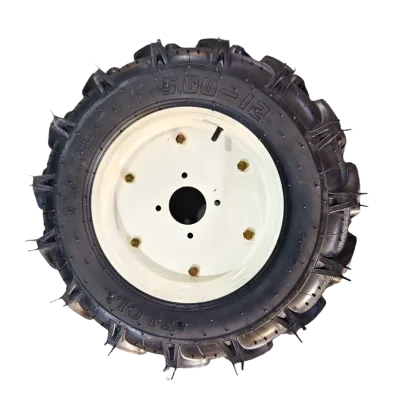


Flotation Tyre, Irrigation Tyre, Rice Paddy Tyre, R1 R2 Agriculture Tyre
$60.00 - $460.00
MOQ: 20 Pieces


Comprehensive Sourcing Guide
Inflatable Agricultural Tyre Sourcing Guide
Sourcing inflatable agricultural tyres requires a precise understanding of the specific operational demands placed on farm machinery, as the wrong specification can lead to premature failure or inefficient field performance. The market offers a diverse range of options, from bias-belted designs to radial constructions, each tailored for different soil conditions and tractor types. Buyers must distinguish between solid tires and true inflatable variants, as the latter provides essential shock absorption and traction that solid alternatives cannot match in variable terrain.
The procurement process begins with identifying the correct tyre classification for the intended machinery, whether it be a standard tractor, a harvester, or a specialized cultivator. Observed listings indicate a strong presence of tyres designed for South American markets, suggesting that supply chains are well-established for these regions but may require specific verification for other geographic zones. Understanding the distinction between tube-type and tubeless constructions is critical, as this choice impacts maintenance protocols and the overall durability of the tyre assembly in high-stress agricultural environments.
Product Scope and Observed Listing Signals
The product scope for inflatable agricultural tyres encompasses a wide array of models, ranging from micro tiller tyres to heavy-duty farm cultivator tyres with diameters exceeding 22 inches. Listings frequently highlight specific tread patterns, such as cross-country designs and general agricultural patterns, which are engineered to maximize grip in muddy or loose soil conditions. Buyers should note that while some products are marketed as bias-belted, others may feature radial designs, and the selection depends heavily on the specific load requirements and speed ratings of the target vehicle.
Observations of product listings reveal significant variation in packing styles, with options ranging from nude packing to custom requirements, which directly influences shipping costs and handling procedures. The availability of customization is a key signal in the market, allowing buyers to request specific branding or structural modifications to meet unique fleet needs. However, the presence of "inflatable" in the product title must be cross-referenced with the actual tyre structure, as some entries may list solid tires or inner tubes alongside inflatable options, requiring careful scrutiny of the product model numbers and physical descriptions.
Technical Specifications to Verify
Verifying the physical dimensions and structural integrity of the tyre is the first step in ensuring compatibility with existing farm equipment. Buyers must confirm the diameter, which in observed listings ranges from 13 to 16 inches for smaller implements up to 22 inches or more for larger tractors, and match these against the rim specifications of the machinery. The model numbers, such as 11.5/80-15.3 or 23.1L-26, serve as critical identifiers for width and aspect ratio, and any deviation from these standard codes can result in fitment issues or altered gear ratios that affect field efficiency.
The internal structure of the tyre, whether bias or radial, dictates its flexibility and heat dissipation capabilities under load. While some listings specify a reinforced strong structure for the sidewall to prevent damage from rocks or debris, others emphasize a bias tire construction which is often preferred for lower-speed, high-torque applications. It is essential to verify the material composition, typically rubber, and ensure that the tread design aligns with the specific crop or soil type, as a pattern optimized for harvesting may not perform adequately for general cultivation tasks.
Compliance and Safety Documentation
Compliance with international safety standards is non-negotiable when sourcing agricultural tyres, as these components are subject to rigorous testing for durability and performance under heavy loads. The market data indicates a prevalence of certifications such as CCC, ISO, CE, DOT, and ECE, which serve as evidence that the manufacturer adheres to specific quality and safety protocols. Buyers should request current certification documents for each batch of tyres, as these standards can vary by region and may need to be updated to meet local regulatory requirements in the destination country.
Safety documentation also extends to the manufacturing standards and the specific design features that ensure operational safety on the farm. Products listed with OEM standards or specific model-based standards like 23.1L-26 imply a level of engineering rigor that should be validated through third-party test reports. It is crucial to verify that the tyre's design, including its tread pattern and sidewall reinforcement, meets the safety expectations for the intended usage, such as operating on harvesters or tractors, to prevent accidents caused by blowouts or loss of traction.
Cost Drivers and Commercial Terms
The cost of inflatable agricultural tyres is driven by a combination of raw material prices, specifically rubber, and the complexity of the manufacturing process required to achieve specific tread patterns and structural reinforcements. Buyers should anticipate that tyres with larger diameters or specialized designs, such as those for micro tillers versus heavy farm cultivators, will carry different price points, with observed ranges spanning from low-cost entry models to premium high-performance variants. Understanding these cost drivers helps in budgeting for fleet replacements and in negotiating volume discounts with suppliers.
Commercial terms, including payment structures and delivery timelines, play a significant role in the total cost of ownership and supply chain reliability. Standard payment terms often involve a 30% T/T advance, which is a common practice in the industry but requires careful cash flow management. Delivery times are typically estimated at 20 to 30 days, but this can fluctuate based on order volume and the specific production schedule of the supplier, making it essential to align procurement timelines with planting and harvesting seasons to avoid operational disruptions.
Supplier Qualification and Quality Control
Qualifying a supplier for agricultural tyres involves more than just checking for basic certifications; it requires an assessment of their production capabilities and quality control systems. Suppliers originating from major manufacturing hubs like Qingdao or China often have established infrastructure, but buyers must verify that their specific production lines are dedicated to the required tyre models and standards. The ability to offer customization, such as branding or specific packing styles, is a strong indicator of a supplier's flexibility and commitment to meeting diverse buyer needs.
Quality control measures should be explicitly defined in the procurement agreement, including protocols for inspecting the tyre's sidewall structure, tread depth, and overall balance. Since the product status is listed as "New," buyers must ensure that the manufacturing process includes rigorous testing to prevent defects that could lead to premature failure in the field. Establishing a clear communication channel for quality issues and requiring pre-shipment inspections can mitigate risks associated with inconsistent product quality across different batches.
Long-Term Procurement Checks
Establishing a long-term procurement strategy for inflatable agricultural tyres requires regular audits of supplier performance and product consistency over time. Buyers should track the performance of tyres in the field, noting any deviations in tread wear, sidewall integrity, or overall durability compared to initial expectations. This data-driven approach allows for the refinement of specifications and the identification of suppliers who consistently deliver high-quality products that meet the demanding conditions of agricultural work.
Continuous engagement with suppliers regarding updates in technology and standards is vital for maintaining a competitive edge in farm operations. As the industry evolves, new tread designs and material compositions may offer improved efficiency and longevity, making it necessary to stay informed about these advancements. Regularly reviewing the supplier's certification status and adherence to standards like ISO or OEM ensures that the procurement pipeline remains compliant and that the fleet continues to operate safely and efficiently in the long term.
FAQs
What certifications are available for these tyres?
These tyres hold CCC, ISO, CE, DOT, and ECE certifications. This ensures compliance with international safety and quality standards for agricultural machinery. Buyers can verify specific documentation based on their regional import requirements before placing orders.
Can I customize the brand and packaging?
Yes, customization is available for both branding and packaging. You can use your own brand name or the L-Guard brand. Packing styles include nude packing or specific requirements, allowing flexibility for different logistics and marketing needs.
What is the typical delivery time for orders?
The standard delivery time is 20 to 30 days. This lead time applies to most standard orders. Buyers should account for this duration when planning their procurement schedules to ensure timely arrival of agricultural equipment parts.
Which payment terms are accepted for these tyres?
The accepted payment method is a 30% T/T advance. This standard term helps secure production slots. The remaining balance is typically settled before shipment, ensuring a secure transaction process for both buyers and suppliers.
What are the common specifications for these tyres?
Common specifications include models like 11.5/80-15.3, 23.1L-26, and 13.6-28. Diameters range from 13 to 22 inches. These sizes cater to various tractors, harvesters, and cultivators, providing versatile options for different agricultural applications.
Where are these tyres manufactured?
These tyres are manufactured in Qingdao, China. This location is a major hub for tyre production. Buyers can leverage this origin for efficient logistics and supply chain management when sourcing agricultural tyres from this region.