Source Inflatable Axe Throwing Game for Parks, Events, and Sales
Source the Inflatable Axe Throwing Game from 30 verified listings. Compare specifications like size, material, and certifications to find the right unit for amusement parks, family events, and commercial sales; compare the available evidence and request quotations based on your requirements.
Updated
Key considerations
Products List


Commercial Event Space Theme Double Inflatable Axe Throw Game for Party
$599.00 - $799.00
MOQ: 1 Pieces


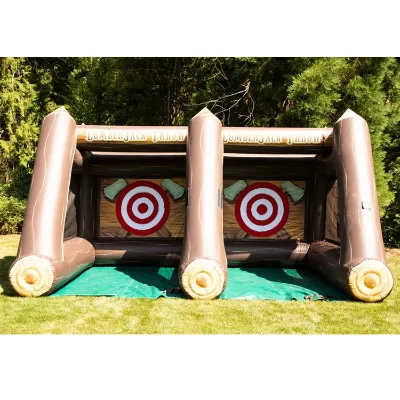
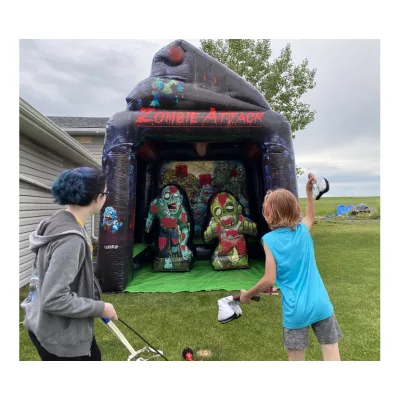
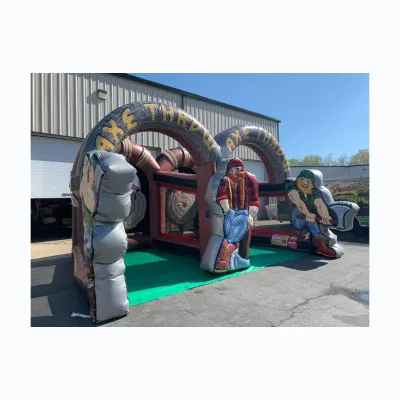
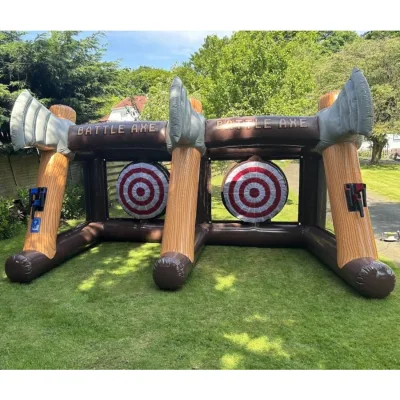
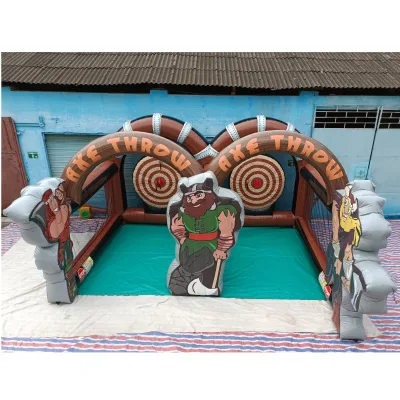
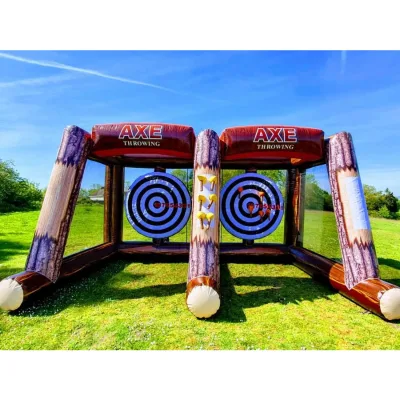

Newest Product Inflatable Axe Throwing Game Inflatable Throwing Challenge
$543.00 - $546.00
MOQ: 1 Pieces


Factory Price Inflatable PVC Axe Throwing Target Games for Entertainment
$520.00 - $568.00
MOQ: 1 Pieces


Funny Play Equipment Double Axe Throw Inflatable Game for Team Building
$500.00 - $900.00
MOQ: 1 Pieces

Popular Fun Interactive Inflatable Axe Throwing Game for Kids and Adults
$350.00 - $600.00
MOQ: 1 Pieces
Comprehensive Sourcing Guide
Inflatable Axe Throwing Game Sourcing Guide
Procuring inflatable axe throwing games requires a careful balance between entertainment value and rigorous safety engineering. These structures serve as dynamic attractions for amusement parks, family events, and commercial venues, offering a unique blend of physical activity and novelty. Buyers must prioritize suppliers who understand the mechanical stresses of repeated use and the specific safety needs of interactive play. The market offers various models, from compact units to large-scale installations, each demanding distinct logistical and operational considerations.
The sourcing process begins with defining the target audience and venue constraints. Factors such as available floor space, ceiling height, and power supply availability dictate the feasible dimensions and blower requirements. Buyers should also consider the customization options available, including branding, color schemes, and structural modifications. Understanding these variables early ensures that the selected product aligns with both operational capabilities and customer expectations, reducing the risk of post-purchase complications or venue incompatibility.
Product Scope and Observed Listing Signals
Market listings reveal a diverse range of inflatable axe throwing games, with observed prices typically falling between $350 and $999 USD. The minimum order quantity (MOQ) is frequently listed as one piece, indicating flexibility for small-scale buyers or trial orders. Materials are predominantly high-strength PVC tarpaulin, chosen for durability and weather resistance. Some listings specify models like CHSP672 or CHSP2420, with dimensions varying significantly to accommodate different venue sizes. Buyers should verify these specifications against their actual space requirements.
Attributes such as "Customized" and "OEM/ODM Acceptable" suggest that many manufacturers offer tailored solutions. Accessories often include repair kits, carry bags, ground stakes, and glue, which are essential for maintenance and transport. The inclusion of a blower is standard, though buyers must confirm power compatibility. Age recommendations vary, with some units suitable for children aged 3-12 years and others for older participants. This variability necessitates clear communication with suppliers to ensure the product matches the intended demographic.
Technical Specifications to Verify
Dimensional accuracy is critical for installation planning. Observed sizes include configurations such as 4.8x3x2.4 meters or 6.5x6.6x3.2 meters, with some models offering custom lengths up to 8 meters. Buyers must verify the exact footprint and height to ensure adequate clearance for safe operation. The structural integrity relies on double or quadruple stitching, which enhances longevity under stress. Confirming these construction details helps prevent premature wear and tear, ensuring the inflatable remains safe and functional over time.
Blower specifications and power requirements are another key technical consideration. While blowers are typically included, buyers should verify voltage and wattage to match local electrical standards. The material thickness and weight also impact portability and setup time. Some products are packed in PVC bags or cartons, affecting shipping costs and handling procedures. Understanding these logistical details allows for accurate budgeting and efficient planning for delivery and installation, minimizing unexpected expenses or delays.
Compliance and Safety Documentation
Safety certifications are non-negotiable for inflatable attractions. Listings frequently mention CE, UL, SGS, ASTM, and EN14601 standards, which indicate adherence to international safety benchmarks. Buyers must request valid certificates for each specific model, as certifications are often model-specific. The EN14601 standard, in particular, is crucial for amusement rides and devices, ensuring rigorous testing for structural integrity and user safety. Verifying these documents protects buyers from liability and ensures compliance with local regulations.
Additional documentation should include test reports and material safety data sheets. These records provide evidence that the PVC material is free from harmful substances and meets environmental standards. Buyers should also inquire about the allowable passenger capacity, which is often listed as five persons per unit. Understanding these limits helps in designing safe operating procedures and managing crowd control. Proper documentation not only ensures safety but also facilitates insurance coverage and venue approvals.
Cost Drivers and Commercial Terms
Pricing is influenced by material quality, size, and customization level. While base prices may appear low, additional costs for shipping, insurance, and customs duties can significantly impact the total expenditure. Buyers should request detailed quotes that break down these components to avoid hidden fees. Payment terms such as T/T, L/C, or Western Union are common, but buyers should negotiate favorable conditions to mitigate financial risk. Understanding the full cost structure is essential for accurate budgeting and profitability analysis.
Lead times and delivery schedules are also critical commercial factors. Observed delivery windows range from 7 to 20 business days, depending on order quantity and customization requirements. Buyers should plan their procurement timeline accordingly to ensure timely arrival for events or installations. Shipping methods, whether by sea or air express, should be selected based on urgency and cost constraints. Clear communication with suppliers regarding these terms helps prevent delays and ensures smooth project execution.
Supplier Qualification and Quality Control
Supplier experience and reputation are key indicators of reliability. Many manufacturers boast over 17 years of factory experience, suggesting a mature production process and established quality control systems. Buyers should verify these claims through site audits or third-party inspections. A supplier’s ability to handle OEM/ODM requests also reflects their technical capability and flexibility. Choosing a reputable supplier reduces the risk of receiving substandard products and ensures better after-sales support.
Quality control measures should include pre-shipment inspections and material testing. Buyers should request photos or videos of the production process to verify construction quality. Checking for consistent stitching, secure seams, and proper blower integration is essential. Suppliers who offer comprehensive warranties, such as 12 months, demonstrate confidence in their products. Establishing a clear quality assurance protocol with the supplier helps maintain high standards and ensures the inflatable meets all safety and performance expectations.
Long-Term Procurement Checks
Ongoing supplier performance monitoring is vital for maintaining supply chain stability. Buyers should track delivery times, product quality, and responsiveness to issues. Regular feedback loops help identify areas for improvement and strengthen the business relationship. Suppliers who consistently meet expectations are more likely to offer favorable terms and priority service for future orders. Building a reliable supplier network reduces procurement risks and ensures access to high-quality products.
Maintenance and support services are also important long-term considerations. Buyers should ensure that suppliers provide adequate repair kits and technical guidance for upkeep. Access to spare parts and replacement components extends the lifespan of the inflatable. Regularly reviewing product performance and user feedback helps identify potential design flaws or safety concerns. By prioritizing long-term supplier relationships and comprehensive support, buyers can maximize the value and safety of their inflatable axe throwing games.
FAQs
What certifications does the Inflatable Axe Throwing Game have?
The product holds multiple certifications including CE, UL, SGS, EN14960, ASTM, and EN71. These standards ensure safety and quality compliance for international markets. Buyers can verify specific certificates like CE/UL or SGS depending on their regional requirements before placing an order.
Can I customize the size and color of this inflatable game?
Yes, customization is available for both size and color to meet specific needs. The standard size is 4.8x3x2.4 meters, but custom dimensions like 8x4x0.75 meters are also possible. Buyers can request tailored specifications to fit their venue or event requirements effectively.
What is the delivery time for orders of this inflatable product?
Delivery typically takes 7 to 15 business days depending on the order quantity. Some larger orders may require 15 to 20 working days for processing and shipment. The exact timeline is determined by the volume requested and the shipping method selected by the buyer.
Which age groups are suitable for this Inflatable Axe Throwing Game?
The game is designed for various age groups ranging from 3 to 12 years and 8 to 11 years. Some models are also suitable for users over 12 years old. It is ideal for family use and amusement parks, ensuring safe entertainment for children and adults alike.
What materials are used to construct this Inflatable Axe Throwing Game?
The product is constructed from high-quality PVC tarpaulin material for durability and safety. This material ensures the inflatable remains robust during repeated use. The construction includes double and quadruple stitching to enhance strength and longevity for commercial applications.
What accessories are included with the Inflatable Axe Throwing Game?
Included accessories typically consist of a repair kit, carry bag, ground stakes, and glue. A blower is also provided with the product to ensure easy inflation. These items help buyers set up and maintain the game efficiently at their location.
What is the minimum order quantity for this inflatable product?
The minimum order quantity is one piece, allowing buyers to test the product easily. This low MOQ makes it accessible for small businesses or event organizers. Buyers can order single units without needing to meet high volume thresholds initially.
Where is this Inflatable Axe Throwing Game manufactured and shipped from?
The product originates from Guangzhou, Guangdong, China, with factories having over 17 years of experience. Shipping methods include sea freight or air express depending on order quantity. Buyers can expect reliable logistics from this established manufacturing region in China.