Source Injection Molded Smartphone Plastic Housing for Electronics
Find reliable Injection Molded Smartphone Plastic Housing from 30 verified suppliers. Compare options featuring ABS, PC, and Nylon materials with custom colors and logos. Ideal for electronics, audio parts, and household appliances, these parts offer single or multi-cavity molding with ISO 9001:2015 standards.
Key considerations
Products List


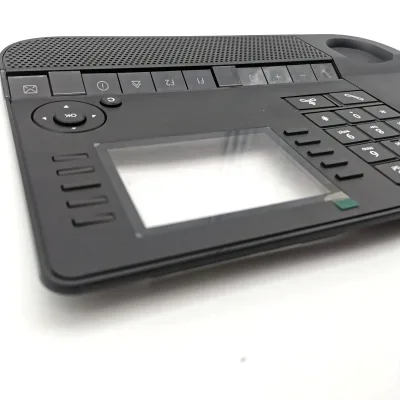


Supply Custom Injection Molded Plastics Products for Mobile Phone Holder
$0.56 - $0.60
MOQ: 1000 Boxes


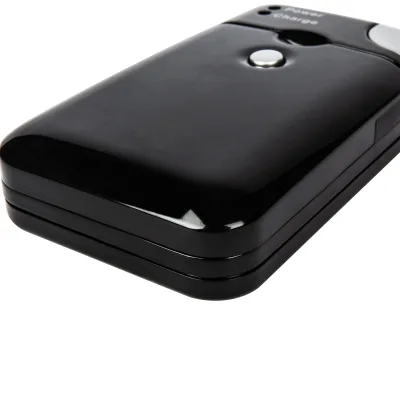

Comprehensive Sourcing Guide
Injection Molded Smartphone Plastic Housing Sourcing Guide
Buyers must first distinguish between single-cavity and multi-cavity tooling strategies when evaluating potential suppliers for smartphone components. The observed market data indicates that manufacturers utilize machines ranging from 80 to 800 tons, which directly influences the feasibility of producing complex, high-tolerance housing parts. Understanding whether a supplier relies on hot runner or cold runner systems is critical, as this choice impacts material waste and cycle time efficiency for high-volume production runs.
Procurement teams should also verify the specific design software capabilities of the vendor to ensure seamless integration with internal engineering workflows. The available data confirms that suppliers commonly support Pro-E, AutoCAD, and Solidwork formats, allowing for the exchange of STP, IGS, and PDF drawing files. This technical compatibility is essential for validating the mold design before tooling begins, ensuring that the final housing meets the precise dimensional requirements of modern smartphone chassis assemblies.
Product Scope and Observed Listing Signals
The observed product listings reveal a wide variance in minimum order quantities, ranging from a single piece to two thousand units, which suggests flexibility for both prototyping and mass production phases. Buyers should note that while some suppliers offer custom colors and logos, the core material composition typically includes ABS, PC, Nylon, or POM plastics. This material diversity allows for tailored mechanical properties, such as impact resistance or thermal stability, which are vital for protecting internal smartphone electronics from physical stress.
Surface finish options are another key signal in the product scope, with suppliers offering powder coating, silk printing, laser etching, and polishing services. These finishing processes are not merely aesthetic but serve functional roles in reducing friction, improving grip, or providing electromagnetic shielding within the device. Buyers must align their specific finish requirements with the supplier's stated capabilities, as the combination of molding and secondary finishing processes can significantly affect the final unit cost and lead time.
Technical Specifications to Verify
When evaluating technical specifications, the runner system type and mold cavity configuration are primary decision factors for cost and quality control. The data shows a mix of single and multi-cavity molds, with some suppliers utilizing hot runners to minimize material waste while others prefer cold runners for simpler geometries. Verifying the specific runner type is essential because it dictates the scrap rate and the overall efficiency of the injection molding cycle, directly impacting the per-unit economics of the smartphone housing.
Buyers must also scrutinize the core steel composition and the standard mold base used by the manufacturer to ensure long-term durability. The observed specifications include P20 core steel and adherence to HASCO or DME standards, which are industry benchmarks for mold quality and interchangeability. Confirming that the supplier uses these recognized standards helps mitigate the risk of premature mold wear or dimensional drift, ensuring that the smartphone housings maintain consistent quality throughout the production lifecycle.
Compliance and Safety Documentation
Regulatory compliance is a non-negotiable aspect of sourcing electronic components, and the observed listings frequently cite RoHS certification as a baseline requirement. This certification ensures that the plastic materials and any applied finishes do not contain restricted hazardous substances, which is mandatory for selling electronic devices in major global markets. Buyers should explicitly request current RoHS test reports to verify that the specific batch of smartphone housings meets these environmental safety standards before committing to a large order.
In addition to material safety, the manufacturing facility's quality management systems must be validated through recognized international standards. The available data indicates that suppliers often hold ISO 9001:2015 certification, which demonstrates a commitment to consistent quality control processes. Procurement teams should verify the validity of these certificates and ensure they cover the specific production lines used for smartphone components, as this provides assurance that the supplier maintains rigorous internal controls over their molding and finishing operations.
Cost Drivers and Commercial Terms
Lead time is a significant cost driver in the injection molding supply chain, with observed delivery windows typically spanning 20 to 30 days for tooling and initial production. This timeframe can vary based on the complexity of the mold design, the availability of raw materials, and the specific finishing processes required for the smartphone housing. Buyers should factor this lead time into their overall product launch schedule and negotiate clear penalties for delays to protect their market entry timeline.
Pricing structures are heavily influenced by the minimum order quantity and the level of customization required for the product. While some suppliers list a minimum order of just one piece for prototyping, the unit cost will be significantly higher compared to bulk orders of 2000 units. Additionally, custom features such as specific colors, logos, or unique surface finishes add to the tooling and setup costs, requiring buyers to balance their design ambitions against the commercial viability of the final product.
Supplier Qualification and Quality Control
Supplier qualification should begin with a thorough review of their machine capacity and process combination types to ensure they can handle the specific demands of smartphone housing production. The data indicates that suppliers operate machines ranging from 80 to 800 tons and may utilize single-process modes or combined molding services. Verifying that the supplier has the appropriate tonnage and process flexibility is crucial for maintaining the tight tolerances required for smartphone components that must fit precisely with other internal parts.
Quality control protocols must extend beyond the final inspection to include the verification of raw material batches and mold maintenance records. Buyers should request evidence of how the supplier manages the transition between different plastic materials like ABS or PC, as contamination can lead to catastrophic failures in the final assembly. Establishing a clear communication channel for quality issues and defining acceptance criteria based on the observed standards, such as CE or SGS, will help maintain product integrity throughout the supply chain.
Long-Term Procurement Checks
Sustaining a successful partnership requires regular audits of the supplier's ability to maintain consistent quality over extended production runs. Buyers should monitor the supplier's adherence to their stated standards, such as ISO 9001:2015, and verify that their quality control processes remain effective as production volumes scale up. This ongoing vigilance helps identify potential drifts in mold performance or material consistency before they result in significant defects or production stoppages.
Finally, procurement teams must plan for the end-of-life management of the tooling and the scalability of the supply chain. The observed data suggests that suppliers offer customized sizes and designs, which implies that future product iterations may require new molds or significant modifications to existing ones. Establishing clear agreements regarding mold ownership, maintenance responsibilities, and the ability to ramp up production quickly will ensure that the smartphone housing supply remains resilient against market fluctuations and design changes.
FAQs
What customization options are available for injection molded parts?
Customization is available for Injection Molded Smartphone Plastic Housing. You can request custom colors, custom logos, and customized sizes. The design software supports Pro-E and AutoCAD to ensure your specific requirements are met accurately during the manufacturing process.
Which certifications do the plastic injection molding products hold?
The products hold RoHS and ISO certifications. Some listings also reference CE, SGS, and ISO 9001:2015 standards. These certifications ensure the materials and manufacturing processes meet international safety and quality requirements for electronics and medical appliance applications.
What is the typical lead time for delivery of these parts?
The typical lead time for delivery is 20 to 30 days. This duration applies to standard orders for injection molded components. Buyers should plan their production schedules accordingly to accommodate this manufacturing window for custom or standard plastic parts.
Can I order a single piece as a minimum quantity?
Yes, you can order a single piece as a minimum quantity. The observed MOQ range starts from 1 piece up to 2000 pieces depending on the supplier. This flexibility allows for prototyping or small batch production needs without high initial volume commitments.
What materials are used for the plastic injection molding process?
Common materials include ABS, PC, Nylon, POM, and PP. These plastics are selected for their durability and suitability in electronics and household appliances. The specific material choice depends on the required mechanical properties and application environment for the final product.
Which surface finish processes are applied to the molded parts?
Surface finish processes include powder coating, silk printing, laser etching, and polishing. These treatments enhance the aesthetic appeal and functionality of the parts. The specific finish is selected based on customer requirements and the intended application in electronics or automotive sectors.
Where are these injection molding manufacturers located?
Manufacturers are located in China, specifically in Fujian and Qingdao Shandong regions. These locations serve as the primary origins for the production of plastic injection molding parts. Buyers can expect sourcing from these established industrial hubs within the country.