Source Injection Molding PVC Resin for Shoes, Sports, Engineering
Compare 30 Injection Molding PVC Resin options from verified suppliers. Buyers can evaluate grades like SG5 and SG8, customization features, and delivery times for women's shoes, sport shoe soles, and engineering plastics applications; compare the available evidence and request quotations based on your requirements.
Key considerations
Products List


$3000.00 - $5500.00
MOQ: 1 Sets

P&M ABS PVC Molding Plastic Injection Mold Plastic Parts Injection Molding
$0.02 - $0.04
MOQ: 100 pieces

High Quality PVC Injection Molding Plastic Custom OEM Plastic Inject Mold
$0.10 - $0.37
MOQ: 1000 pieces

High Quality PVC Injection Molding Plastic Custom OEM Plastic Inject Mold
$500.00 - $1500.00
MOQ: 1000 pieces


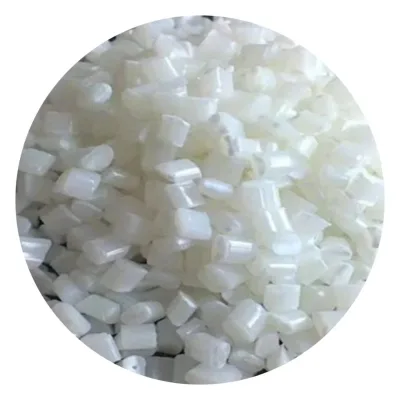


Comprehensive Sourcing Guide
Injection Molding PVC Resin Sourcing Guide
Procuring Injection Molding PVC Resin requires a nuanced understanding of material grades and processing behaviors, as the term often encompasses both rigid and flexible formulations. Buyers must distinguish between general-purpose resins and specialized engineering compounds, particularly when targeting applications like sport shoe soles or women’s footwear. The observed market signals indicate a wide variance in product models, ranging from standard SG-5 and SG-8 grades to specialized compounds like NZ-601 and W-0597. This diversity suggests that a one-size-fits-all approach is ineffective; instead, sourcing strategies must align with specific mechanical and thermal requirements of the final product.
The supply chain for these materials is heavily concentrated in China Mainland, where manufacturers offer various customization options and production processes, including extrusion and injection molding compounds. While the core material is Polyvinyl Chloride, the final properties are significantly influenced by additives such as DOP, Stearic Acid, Paraffin, CPE, and TiO2. Buyers should recognize that "PVC Resin" is a broad category, and verifying the exact molecular structure—whether a carbon chain or heterochain polymer—is critical for predicting how the material will behave during the high-shear injection molding process.
Product Scope and Observed Listing Signals
The current market landscape for Injection Molding PVC Resin displays a broad spectrum of product specifications, with observed models including SG3, SG5, SG8, and specialized variants like soft resin or recycled grades. These listings often highlight specific plastic forming methods, such as extrusion or injection, indicating that the raw material may be pre-compounded for specific processing techniques. The presence of both powder and granule forms suggests flexibility in handling and feeding systems, allowing manufacturers to choose based on their existing infrastructure. Buyers should carefully review these model numbers, as they often correlate with specific viscosity levels and polymerization degrees that dictate processing temperatures and pressures.
Packaging and origin data reveal that most suppliers operate from China Mainland, utilizing standard packaging formats like 25kg bags, 20kg bags, or craft paper bags to ensure material integrity during transit. The observed price range is extensive, spanning from $0.02 to $5500, which reflects the disparity between basic commodity resins and high-performance, customized engineering plastics. This variance underscores the importance of defining precise technical requirements before soliciting quotes, as generic inquiries may yield misleading comparisons. Additionally, the availability of customization services indicates that suppliers are willing to tailor formulations, such as adjusting color or adding specific plasticizers, to meet unique application needs.
Technical Specifications to Verify
Verifying the grade of PVC resin is paramount, as injection molding requires materials with specific flow characteristics and thermal stability. Buyers should confirm whether the product is designated as Injection Molding Grade or Injection Grade, as these classifications ensure the resin can withstand the shear forces and temperatures of injection molding without degradation. The distinction between thermoplastic and thermosetting behaviors is also crucial; while PVC is inherently thermoplastic, some listings may contain conflicting data. It is essential to validate that the material exhibits thermoplastic properties after heating, ensuring it can be melted and reshaped multiple times without chemical cross-linking that would hinder the injection process.
Molecular structure and additive composition further define the material's performance. The principal chain, whether carbon-based or heterochain, influences chemical resistance and mechanical strength. Additives like CPE and TiO2 are often included to enhance impact resistance and opacity, respectively, which are vital for applications like shoe soles. Buyers must request detailed technical data sheets that specify the K-value, such as K-67 for SG5, as this indicates the average molecular weight and directly affects melt viscosity. Understanding these technical nuances allows procurement teams to select a resin that balances processability with the final product's durability and aesthetic requirements.
Compliance and Safety Documentation
Safety and regulatory compliance are non-negotiable aspects of sourcing PVC resin, particularly for consumer goods like footwear. Buyers must ensure that suppliers provide a Certificate of Analysis (COA) that verifies the chemical composition and purity of the resin. This document is critical for confirming that the material meets international standards and does not contain prohibited substances. The presence of international standard certifications in listings suggests a baseline level of quality control, but buyers should independently verify which specific standards apply, such as REACH or RoHS, depending on the target market.
Documentation should also address the safety of additives used in the formulation. Ingredients like DOP and Stearic Acid must be sourced from compliant suppliers to avoid regulatory hurdles. Buyers should request full material disclosure statements to ensure transparency regarding all components, including colorants and stabilizers. This due diligence helps mitigate risks associated with chemical exposure during manufacturing and ensures the final product meets end-user safety expectations. Maintaining a robust paper trail of compliance documents is essential for audits and for demonstrating responsible sourcing practices to stakeholders and regulatory bodies.
Cost Drivers and Commercial Terms
The cost of Injection Molding PVC Resin is influenced by several factors, including raw material volatility, customization requirements, and packaging specifications. The observed MOQ range of 1 to 1000 units indicates flexibility for both small-scale prototyping and large-volume production runs. Buyers should negotiate terms that align with their production schedules, as lead times can vary from within 7 days to 2 weeks after receiving a deposit. Understanding these timelines is crucial for inventory management and ensuring continuous production flow without excessive stockpiling.
Payment terms typically involve T/T or L/C, offering varying levels of security for both parties. Buyers should assess the financial stability of suppliers and consider using secure payment methods to mitigate risk. The wide price range observed suggests that cost should not be the sole determinant; value-added services like customization and consistent quality control may justify higher prices. Additionally, packaging costs, whether in standard 25kg bags or specialized craft paper bags, can impact the total landed cost. Buyers should factor in handling and storage requirements when evaluating the overall cost efficiency of different suppliers.
Supplier Qualification and Quality Control
Qualifying suppliers for Injection Molding PVC Resin requires a rigorous assessment of their production capabilities and quality management systems. Buyers should verify that suppliers have experience in producing injection molding compounds and can provide samples for testing. The ability to customize formulations, as indicated by available customization services, is a valuable trait for suppliers who can adapt to specific technical challenges. It is also important to assess their consistency in meeting specifications, such as maintaining the correct K-value or additive ratios across different batches.
Quality control processes should be transparent and well-documented. Buyers should inquire about internal testing procedures and how deviations from specifications are handled. The presence of international standard certifications suggests a commitment to quality, but on-site audits or third-party inspections may be necessary for high-volume contracts. Suppliers should demonstrate a clear traceability system, allowing buyers to track raw material sources and production history. Establishing a strong relationship with a qualified supplier ensures a reliable supply chain and reduces the risk of production disruptions due to material defects.
Long-Term Procurement Checks
Long-term procurement success depends on continuous monitoring of supplier performance and market trends. Buyers should establish key performance indicators (KPIs) to track delivery reliability, quality consistency, and responsiveness to issues. Regular reviews of supplier audits and compliance documentation help maintain high standards and identify potential risks early. The dynamic nature of the PVC market, with fluctuating raw material prices and evolving regulations, requires proactive management to ensure cost stability and regulatory adherence.
Building a diversified supplier base can mitigate risks associated with single-source dependencies. Buyers should periodically evaluate alternative suppliers to ensure competitive pricing and access to new technologies. Engaging in long-term contracts with clear terms and conditions can provide stability and foster collaboration. Additionally, staying informed about advancements in PVC formulations, such as more sustainable or high-performance variants, can offer strategic advantages. By maintaining a vigilant and adaptive procurement strategy, buyers can secure a reliable supply of high-quality Injection Molding PVC Resin for their manufacturing needs.
FAQs
What is Injection Molding PVC Resin used for?
Injection Molding PVC Resin is primarily used to produce shoe soles, including soles for women's shoes and sport shoes. The resin is compounded with additives such as DOP, stearic acid, paraffin, CPE, and TiO2 to achieve the required softness, color, and processing behavior. It is a thermoplastic material, so scrap and runner waste can typically be reground and remolded under controlled conditions.
Which PVC resin grades are suitable for injection molding applications?
Common grades listed for injection molding PVC include SG3, SG5, SG8, and SG5 with a K value of 67, along with compound model W-0597. Lower K value resins generally flow more easily during molding. The right choice depends on part thickness, softness requirements, and processing equipment, so buyers should review the COA for each grade before committing to volume orders.
How is Injection Molding PVC Resin typically packaged for shipping?
Standard packaging is a 25kg bag, which may be a woven PP bag or a kraft paper bag depending on the product line. Some specialty compounds are packed in 20kg units instead. Bags are palletized and wrapped for container shipment. Buyers with automated feeding systems should confirm bag dimensions and pallet configuration when requesting quotations to ensure compatibility with their handling equipment.
Can Injection Molding PVC Resin be customized for color or application?
Yes, customization is available for many listed products. Buyers can request specific colors beyond the standard white and black options, as well as formulations tuned for shoe sole production or other engineered plastic uses. Customization usually requires a confirmed formulation, sample approval, and larger minimum order quantities. Provide your application details, target hardness, and processing method when requesting custom compounds.
What payment and delivery terms are common for PVC resin orders?
Listed suppliers commonly accept T/T payment, and some also accept L/C. Typical delivery windows range from within 7 to 10 days after receiving the deposit, with some orders shipped within 2 weeks depending on stock and customization requirements. Production origin is China Mainland. Confirm the exact lead time, deposit percentage, and balance terms in the purchase contract before placing a bulk order.
How can buyers verify the quality of Injection Molding PVC Resin before ordering?
Request a COA, or certificate of analysis, which is a listed product standard for these resins. The COA should cover K value, particle size, and purity indicators for the specific grade such as SG5. Ordering a sample for trial molding in your own injection machines is the most reliable verification step. Confirm that the material complies with international standard requirements for your intended application.