Source Insulated 5mm Neoprene Stubby Holder for Cans, Beer, and Wine
Find 30 Insulated 5mm Neoprene Stubby Holder options from China. Compare waterproof, thermal designs for cans, beer bottles, and wine. View specs, MOQs, and pricing to source reliable beverage coolers for travel and outdoor activities; compare the available evidence and request quotations based on your requirements.
Key considerations
Products List
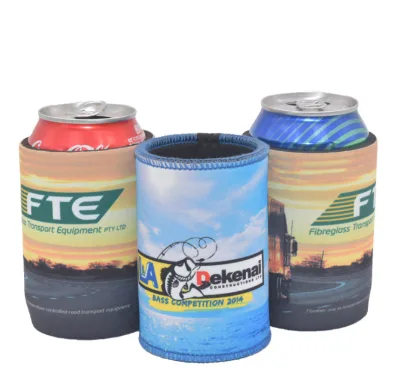
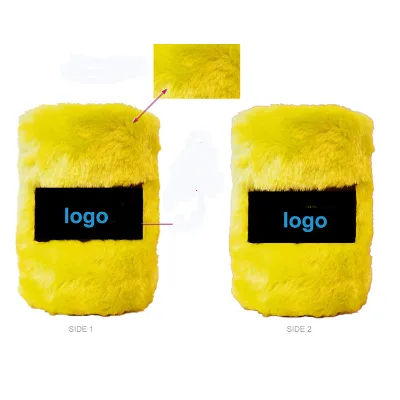


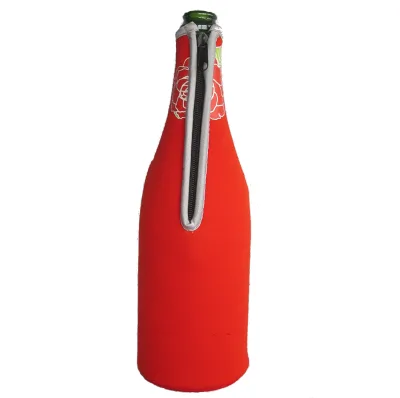


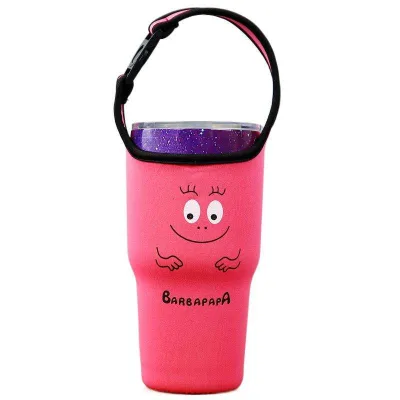


Comprehensive Sourcing Guide
Insulated 5mm Neoprene Stubby Holder Sourcing Guide
Buyers evaluating this category must first distinguish between general insulated can coolers and specific stubby holders designed for standard beverage cans. The observed product data indicates a strong focus on neoprene material with thermal insulation properties, often featuring waterproof characteristics suitable for outdoor activities. Procurement teams should verify that the specific "stubby" designation aligns with the intended can diameter, as listings show variations in size specifications ranging from below 2 inches to 6 inches, which may not all fit standard 12oz cans.
The market signals suggest a diverse range of customization options, including animal prints, letter patterns, and solid colors like black, yellow, and purple. Sourcing strategies should prioritize suppliers who explicitly list "Customization: Available" to ensure branding opportunities are viable. Buyers must carefully cross-reference the listed closure types, such as zippers or lace-up styles, against the functional requirements of the end-user, as the observed data includes both zipper closures and lace-up designs that offer different levels of security for the beverage container.
Product Scope and Observed Listing Signals
When analyzing the product scope, it is critical to note that the observed listings include items specifically labeled as "Beer Bottle Holder with Opener" alongside standard can coolers. This distinction is vital for procurement accuracy, as a stubby holder intended for a beer bottle may have a different internal geometry than one for a standard can. Buyers should scrutinize the "Application" field in supplier catalogs to confirm whether the item is designed for food, travel, or general storage, ensuring the product matches the specific use case of the target market.
The observed data reveals a significant variation in packaging and weight specifications that can impact logistics planning. While some items list a single gross weight of 0.019 kg, others indicate a weight of 150g, suggesting inconsistencies in how suppliers report product mass or the inclusion of packaging materials. Procurement teams must clarify whether the listed weight includes the polybag or carton packaging to accurately calculate shipping costs and ensure the final delivered product meets the expected physical specifications for the intended retail or promotional use.
Technical Specifications to Verify
Technical verification must begin with the material composition, as the core keyword specifies 5mm neoprene, yet observed listings simply state "Neoprene" without confirming the exact thickness. Buyers should request physical samples to measure the foam density and thickness, as this directly influences the thermal retention capability, which is listed as providing a cold time of 4-6 hours in some contexts. Without confirming the 5mm specification, the insulation performance may vary significantly, potentially failing to meet the thermal expectations of customers who rely on these holders for extended outdoor events.
Dimensional accuracy is another critical technical parameter, given the conflicting size data observed in the listings, which range from below 2 inches to 6 inches. Buyers must verify the internal diameter and height against the specific can or bottle dimensions they intend to hold, as a mismatch can render the product unusable. Additionally, the closure mechanism, whether zipper or lace-up, must be tested for durability and ease of use, ensuring it can withstand repeated opening and closing cycles without compromising the seal or the structural integrity of the neoprene sleeve.
Compliance and Safety Documentation
While the observed data does not explicitly list specific safety certifications, buyers should demand documentation regarding the safety of the neoprene material used in food-contact applications. Since the application field includes "Food," it is essential to verify that the neoprene and any printed inks or dyes are non-toxic and safe for incidental contact with beverage containers. Procurement teams should request material safety data sheets (MSDS) or declarations of compliance to ensure the product meets the regulatory requirements of the destination market, particularly regarding chemical safety and food-grade standards.
Waterproof and thermal properties are often claimed in the product features, but these claims require validation through independent testing reports. Buyers should ask for test results that confirm the waterproof rating and the specific duration of thermal retention under controlled conditions. Relying solely on supplier assertions without third-party verification can lead to product failures in the field, especially for outdoor activities where exposure to water and temperature fluctuations is common. Ensuring these performance metrics are backed by data protects the buyer from liability and maintains brand reputation.
Cost Drivers and Commercial Terms
The cost structure for these items is heavily influenced by the level of customization required, such as specific color combinations, printed patterns, or the inclusion of additional features like bottle openers. The observed listings show a wide price range and varying MOQs, indicating that economies of scale play a significant role in the final unit price. Buyers should negotiate based on the complexity of the design and the volume order, understanding that custom printing and unique colorways will likely incur higher setup costs and potentially higher minimum order quantities compared to standard stock items.
Commercial terms must also account for the variability in packaging and shipping logistics observed in the data, such as the difference between single polybag packaging and bulk carton shipments. The listed single package sizes vary significantly, from 14.2x1.1x5 cm to 14.2x10x10 cm, which directly affects container utilization and freight costs. Procurement teams should clarify whether the quoted price includes the cost of the polybag, carton, and any internal dividers, as these packaging details can substantially alter the landed cost and require careful planning for efficient container loading.
Supplier Qualification and Quality Control
Supplier qualification should focus on verifying the production origin and the consistency of their manufacturing processes, as the observed data lists origins in both Fujian and Dongguan, Guangdong. Buyers must ensure that the supplier has a robust quality control system in place to maintain consistency across different production batches, especially given the variations in weight and size specifications observed in the listings. A reliable supplier should be able to provide a clear traceability path for materials and demonstrate a consistent ability to meet the specified neoprene thickness and closure durability requirements.
Quality control protocols must include rigorous inspection of the printed patterns and color consistency, as the listings show a wide array of colors and print types like animal prints and letters. Buyers should establish clear acceptance criteria for color matching and print alignment, as these visual elements are often the primary differentiators in the market. Implementing a pre-shipment inspection that checks for defects in the zipper or lace-up mechanisms, as well as verifying the waterproof integrity, is essential to prevent returns and ensure the product meets the high standards expected by end-users.
Long-Term Procurement Checks
Long-term procurement success depends on establishing a stable supply chain that can consistently deliver products meeting the evolving needs of the market. Buyers should monitor the supplier's ability to maintain the 5mm neoprene specification and the 4-6 hour cold time performance over multiple production cycles. Regular audits and sample testing should be conducted to ensure that the material quality and insulation properties do not degrade over time, which could happen if the supplier attempts to cut costs by using lower-grade neoprene or reducing the foam thickness.
Sustainability and supply chain resilience are also critical factors for long-term planning, particularly given the reliance on specific manufacturing locations in China. Buyers should assess the supplier's capacity to handle fluctuations in raw material availability and their ability to adapt to changing trade regulations or logistics challenges. Developing a relationship with a supplier who offers flexible customization and reliable lead times will ensure that the procurement team can respond quickly to market demands and maintain a steady flow of high-quality insulated stubby holders for their customers.
FAQs
What material is used for the insulated stubby holder?
The insulated stubby holder is made from neoprene, a synthetic rubber known for its durability and flexibility. This material provides effective thermal insulation to keep beverages cold for extended periods. It is also waterproof and resistant to wear, making it suitable for outdoor activities and travel use.
Can the neoprene holder be customized with logos?
Yes, customization is available for these neoprene holders. Buyers can request specific designs, colors, or branding to be printed on the product. This service allows businesses to create branded merchandise for promotional events or corporate gifts, ensuring the final product aligns with their marketing strategy and visual identity.
What is the typical weight of the neoprene holder?
The typical weight of the neoprene holder is approximately 150 grams. This lightweight design ensures portability without adding significant bulk to bags or coolers. The single gross weight is recorded as 0.019 kg per unit, facilitating easy handling and efficient shipping logistics for bulk orders and international distribution.
Where are these neoprene holders manufactured?
These neoprene holders are manufactured in China, specifically in regions like Fujian and Dongguan, Guangdong. These areas are known for their robust manufacturing capabilities and supply chain efficiency. Buyers can expect consistent production quality and reliable lead times when sourcing from these established industrial hubs in the region.
What is the minimum order quantity for these items?
The minimum order quantity typically ranges from 100 to 2000 units, depending on the supplier and customization requirements. This flexible MOQ allows both small businesses and large enterprises to place orders that fit their inventory needs. Buyers should confirm specific MOQs with suppliers to ensure alignment with their procurement budget and volume goals.
How long does it take to produce samples?
Sample production usually takes about five days. This timeframe allows suppliers to prepare customized or standard prototypes for buyer review. Quick sample turnaround helps buyers evaluate product quality, material feel, and print accuracy before committing to larger bulk orders, ensuring the final product meets their specific expectations and quality standards.