Source Insulated Mobile Food Trailer for Street Vending, Events, and Snack Shops
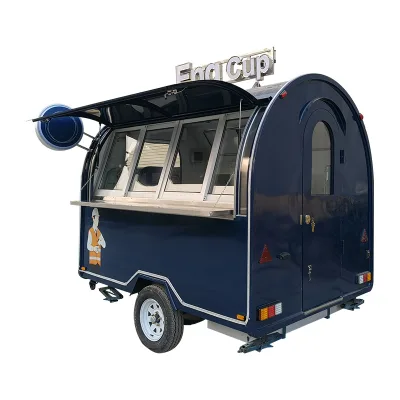
Explore 23 listings for Insulated Mobile Food Trailer options featuring stainless steel construction and customizable designs. Buyers can compare models with varying dimensions, power ratings, and certifications like CE and ISO to find suitable units for outdoor fast food or beverage shops.
Key considerations
Products List




Comprehensive Sourcing Guide
Strategic Sourcing Guide for Insulated Mobile Food Trailers
Understanding Core Technical Specifications and Material Composition
When sourcing an Insulated Mobile Food Trailer, the primary objective is to secure a unit that maintains thermal efficiency while withstanding the rigors of outdoor street vending. The foundational material composition is critical for durability and food safety. Based on current market observations, high-quality units typically utilize a composite structure of stainless steel and insulation, often paired with tempered glass for visibility and safety. Stainless steel provides the necessary resistance to corrosion and facilitates easy cleaning, which is essential for compliance with health codes. The inclusion of insulation within the wall panels is the defining feature of an "insulated" trailer, ensuring that internal temperatures remain stable regardless of external weather conditions, thereby reducing energy consumption for heating or cooling equipment.
The structural integrity of these units often relies on galvanized steel combined with stainless steel surfaces. This combination offers a robust frame that resists rust while maintaining a hygienic exterior. The flooring is another critical technical specification; observed data indicates the use of non-slip aluminum flooring equipped with drainage systems. This design prevents liquid accumulation, reduces slip hazards for staff, and simplifies the cleaning process. Furthermore, the automatic grade of the machinery within the trailer varies significantly. Buyers must distinguish between semi-automatic, manual, and fully automatic configurations. The choice depends on the volume of production required and the specific food items being prepared, such as popcorn, chocolate, candy, donuts, biscuits, ice cream, or chips.
Electrical specifications are equally vital for operational readiness. The voltage requirements for these mobile units are not uniform; observed ranges include 110V, 220V, and 380V. Similarly, power consumption varies widely, with observed ranges spanning from 1.5kW to 30kW. This variance necessitates a careful review of the local power infrastructure at the intended vending location. Buyers must verify that the trailer's electrical system matches the available power supply to avoid equipment failure or the need for costly on-site generators. The power rating also correlates with the complexity of the cooking equipment installed, influencing the overall energy efficiency of the unit.
Compliance, Certification, and Regulatory Standards
Navigating the regulatory landscape is a non-negotiable aspect of sourcing mobile food trailers. Compliance ensures that the vehicle is legal for operation and that the food prepared within it meets safety standards. The certification landscape for these units is diverse, with observed markings including CE, DOT, ISO, CCC, and ISO/Ts16949. The CE mark indicates conformity with health, safety, and environmental protection standards for products sold within the European Economic Area. DOT certification is crucial for roadworthiness in the United States, ensuring the trailer meets Department of Transportation safety standards for towing and structural integrity.
ISO certifications, such as ISO/Ts16949, point to a manufacturer's adherence to quality management systems specifically tailored for the automotive and related industries. This suggests a higher level of manufacturing precision and consistency. However, buyers must treat these certifications as observations of specific listings rather than universal guarantees for every product in the category. It is imperative to request valid certification documents directly from the supplier before finalizing a purchase. The absence of a specific certification in a product listing does not necessarily mean the unit is non-compliant, but it does require the buyer to verify the status independently.
Regarding standards, the production of these trailers often adheres to container standards, which implies a modular and robust construction method. The physical dimensions of the trailers also vary, with observed models ranging from compact units like the S500 (16.4ft) to larger configurations like the 850 model (28ft). Standard dimensions often include widths around 200cm and heights near 210cm, though custom sizes are frequently available. Buyers should verify that the chosen dimensions comply with local zoning laws and parking regulations, as oversized trailers may be restricted from certain streets or markets. The origin of the product, often cited as China or specific regions like Henan, should be cross-referenced with import regulations and tariff requirements in the buyer's destination country.
Cost Drivers and Pricing Structures
The pricing of insulated mobile food trailers is influenced by a complex interplay of factors, including size, material quality, automation level, and customization. The observed price range for these units spans from approximately 1,700 USD to 15,980 USD. This significant variance reflects the difference between basic, manual units and sophisticated, fully automated food trucks equipped with advanced ventilation and cooking systems. The lower end of the price spectrum typically corresponds to smaller, simpler trailers with manual operation and standard materials. In contrast, the higher price points are associated with larger units, such as the 28ft models, featuring automatic grades, multifunctional capabilities, and premium finishes.
Material costs are a primary driver of the final price. Stainless steel and galvanized steel are more expensive than alternative materials but offer superior longevity and hygiene. The inclusion of high-grade insulation and tempered glass also adds to the cost. Customization is another significant factor; while many suppliers offer "customized color" and "customized shape" options, these bespoke features often incur additional charges. The "Available" status of customization implies that buyers can tailor the interior layout and exterior appearance to their brand, but this flexibility comes with a cost premium.
The minimum order quantity (MOQ) for these units is typically low, with observed values ranging from 1 to 1. This suggests that buyers can purchase single units without needing to commit to bulk orders, which is advantageous for startups or small business owners. However, buyers should be aware that while the MOQ is low, the lead time and shipping costs for a single unit can be substantial. The packing method, described as "Standard Iron Frame, Wooden Box Packaging" or "Wooden Case," is designed to protect the trailer during transit but adds to the overall weight and shipping volume. Buyers should factor these logistical costs into their total budget, as they can significantly impact the final acquisition cost.
Typical Applications and Functional Versatility
Insulated mobile food trailers are designed for a wide array of applications, making them highly versatile assets for entrepreneurs. The observed application fields include snack food, beverage shops, and general outdoor street vending. The specific food items supported by these units are diverse, ranging from popcorn, chocolate, and candy to donuts, biscuits, ice cream, and chips. This versatility allows a single trailer to serve multiple menu concepts or adapt to seasonal changes in demand. The multifunctional nature of the machinery enables the preparation of hot and cold items simultaneously, maximizing the utility of the limited space within the trailer.
The intended usage is predominantly outdoor, with a focus on street vending and fast food service. The design incorporates features like a porch on certain models, which can provide additional customer service space or shelter. The "Long Service Life" is often cited as a key selling point, indicating that these units are built to withstand daily wear and tear in high-traffic areas. The shape of the trailer can be customized, allowing for unique branding and aerodynamic considerations. For instance, a "Moden" style trailer might appeal to a younger demographic, while a more traditional design might suit a classic diner aesthetic.
The target industries for these trailers are primarily beverage shops and snack food vendors. The ability to operate in various locations, from fixed street corners to rotating food truck festivals, makes them ideal for businesses seeking flexibility. The voltage and power specifications must align with the intended application; a high-power unit (up to 30kW) is necessary for heavy-duty cooking, while a lower-power unit (1.5kW) might suffice for pre-packaged food sales or simple beverage dispensing. Buyers should assess their specific operational needs to select a unit that balances power requirements with fuel or electrical efficiency.
Supplier Evaluation and Quality Assurance Protocols
Evaluating a supplier for mobile food trailers requires a rigorous approach to ensure quality and reliability. The first step is to verify the supplier's ability to provide a machinery test report. The availability of such reports is a strong indicator of a manufacturer's commitment to quality control and performance validation. Buyers should request these reports to confirm that the electrical systems, insulation properties, and structural components meet the stated specifications. The presence of certifications like CE, DOT, and ISO should be validated through official documentation, not just product listings.
The production origin is another critical factor in supplier evaluation. Many units originate from China, with specific manufacturing hubs in regions like Henan. While this can offer competitive pricing, buyers must assess the supplier's logistics capabilities and experience in international shipping. The "Local Service Location" mentioned in some listings suggests that some suppliers offer after-sales support or maintenance services in specific regions. Buyers should inquire about the availability of spare parts and technical support to ensure long-term operational continuity.
Quality control should be a continuous process, starting from the initial inquiry. Buyers should verify the material composition, ensuring that the stainless steel and galvanized steel meet industry standards for corrosion resistance. The flooring should be inspected for non-slip properties and proper drainage installation. The packing method, whether "Other," "Standard Iron Frame," or "Wooden Box," should be sufficient to prevent damage during transit. Buyers should also check for any inconsistencies in the product attributes, such as conflicting automatic grades or voltage specifications, which may indicate a lack of attention to detail in the manufacturing process.
Long-Term Procurement and Operational Considerations
Sourcing an Insulated Mobile Food Trailer is a long-term investment that requires careful consideration of future operational needs. The "Customized Color" and "Customized Shape" options allow for brand differentiation, but buyers should consider the longevity of these customizations. Will the paint fade over time? Is the shape design practical for the intended vending locations? These questions are essential for maintaining the trailer's aesthetic appeal and functionality over its service life.
The power and voltage specifications must be evaluated with future expansion in mind. If a business plans to add more equipment or increase production volume, the current power rating may become insufficient. Buyers should consider the scalability of the electrical system and the availability of upgrades. The "Multifunctional" nature of the trailer is a significant advantage, but it also means that the unit must be versatile enough to handle various food types without compromising performance.
Maintenance and repair are ongoing costs that should be factored into the procurement decision. The "Long Service Life" claim suggests durability, but regular maintenance is still required to keep the trailer in optimal condition. Buyers should establish a relationship with the supplier to ensure access to maintenance services and replacement parts. The "Machinery Test Report" provided by the supplier can serve as a baseline for future maintenance checks, helping to identify potential issues before they become major problems.
Finally, buyers should consider the regulatory environment in their target market. As food safety and vehicle regulations evolve, the trailer must remain compliant. The initial certification checks are a good start, but buyers should stay informed about any changes in local laws that might affect the operation of their mobile food business. By selecting a high-quality, compliant, and versatile trailer, buyers can ensure a successful and sustainable operation in the competitive mobile food market.
FAQs
What certifications do insulated mobile food trailers typically have?
These units often carry CE, DOT, ISO, CCC, and ISO/Ts16949 certifications. Buyers must verify specific documents for each listing as certifications vary by manufacturer and are not guaranteed for every product.
How much do insulated mobile food trailers cost?
Prices range from 1,700 to 15,980 USD depending on size and automation. Lower costs apply to manual, smaller units while higher prices reflect larger, automatic models with advanced features.
Which materials are used for insulated mobile food trailers?
Common materials include stainless steel, galvanized steel, insulation, and tempered glass. This combination ensures durability, corrosion resistance, and thermal efficiency for outdoor street vending operations.
Can buyers customize the color and shape of these trailers?
Yes, customization for color and shape is available for most models. Buyers should expect additional charges for bespoke features and must confirm specific layout options with the supplier before ordering.
What voltage and power requirements do these trailers have?
Voltage options include 110V, 220V, and 380V with power ranging from 1.5kW to 30kW. Users must match these specifications to local power infrastructure to ensure safe and efficient operation.
What is the minimum order quantity for these trailers?
The minimum order quantity is typically one unit for most suppliers. This allows startups to purchase single units without needing to commit to bulk orders or large inventory investments.
Where are these trailers manufactured and shipped from?
Products originate primarily from China, with specific hubs in regions like Henan. Buyers should verify import regulations and shipping logistics associated with these origins before finalizing a purchase.