Source Insulated Pad Exterior Dock Seal for Logistics
Find and compare 30 Insulated Pad Exterior Dock Seal options from verified manufacturers. Evaluate features like PVC fabric construction, IP65 control panels, and thermal insulation for warehouse loading bays and logistics areas; compare the available evidence and request quotations based on your requirements.
Key considerations
Products List
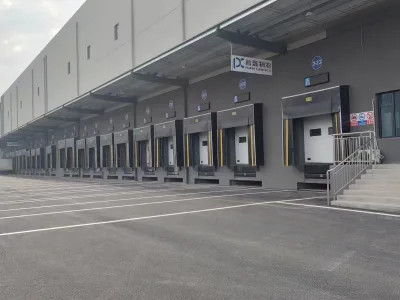

Insulated Foam Pad Loading Truck Dock Seal for Logistics Warehouse or Loading Bays
$450.00 - $700.00
MOQ: 2 Pieces

Insulated Foam Pad Loading Container Dock Seal for Logistics Warehouse or Loading Bays
$450.00 - $700.00
MOQ: 2 Pieces

Thermal Insulated Sponge Pad Loading Dock Seal for Warehouse Loading Bays
$450.00 - $700.00
MOQ: 2 Pieces

Insulated Pad PVC Fabric Loading Dock Weather Door Seal for Warehouse Loading Bay
$450.00 - $700.00
MOQ: 2 Pieces

Thermal Insulated Foam Pad Sponge Dock Seal for Cold Storage Loading Docks
$450.00 - $700.00
MOQ: 2 Pieces

Thermal Insulated Foam Pad Sponge Dock Seal for Warehouse Loading Area
$450.00 - $700.00
MOQ: 2 Pieces


Loading Insulated Container Door Seal Rubber Industrial Sectional Dock Shelter
$1190.00 - $1399.00
MOQ: 1 Sets


Comprehensive Sourcing Guide
Insulated Pad Exterior Dock Seal Sourcing Guide
Procuring an Insulated Pad Exterior Dock Seal requires a strategic approach that balances thermal efficiency with mechanical durability. Buyers must first define the operational environment, noting that these seals are primarily designed for logistics loading and unloading areas where temperature control is critical. The core function involves creating an airtight barrier between the warehouse interior and the exterior, preventing heat loss or gain while protecting against weather elements. This application extends to general warehouse and loading bay operations, ensuring that the integrity of the cold chain or climate-controlled storage is maintained during frequent truck docking cycles.
The selection process should prioritize seals that offer robust sealing capabilities, as indicated by features like anti-collision resistance and strong sealing performance. Buyers should evaluate whether the seal type—whether sponge, inflatable, or mechanical—best suits their specific dock infrastructure and traffic volume. Understanding the material composition, such as PVC fabric, is essential for predicting longevity and resistance to wear. This foundational understanding helps in narrowing down the vast array of available products to those that genuinely meet the operational demands of high-throughput distribution centers.
Product Scope and Observed Listing Signals
Market listings for insulated dock seals reveal a diverse range of product configurations, with prices observed between $0.5 and $3,000 USD, reflecting variations in size, material quality, and included features. The minimum order quantities typically range from 1 to 1,000 units, allowing for both single-unit replacements and large-scale facility upgrades. Buyers should note that while some listings highlight competitive pricing, the actual value is derived from the seal’s ability to withstand rigorous daily use. The presence of customization options suggests that standard sizes, such as 2500mm x 3000mm, can be adapted to fit unique dock dimensions, ensuring a precise fit that maximizes energy efficiency.
Observed product attributes indicate a strong emphasis on thermal insulation and airtight performance, with some models featuring specialized functions like induced opening types or power-driven mechanisms. The color black is common, likely for durability and aesthetic consistency in industrial settings. Buyers should scrutinize the listed advantages, such as heat insulation and anti-collision properties, to ensure they align with their specific safety and energy goals. Additionally, the availability of spare parts for direct replacement is a critical signal of long-term support, reducing downtime and maintenance costs associated with seal wear and tear over time.
Technical Specifications to Verify
When evaluating technical specifications, buyers must verify the panel thickness and material composition, as these directly impact insulation performance and structural integrity. Listings often specify a panel thickness of 100mm, which is crucial for maintaining thermal barriers in extreme temperature ranges, such as -45℃ to +50℃. The core components may vary, with some seals incorporating sponge or inflatable elements to enhance the seal against truck rears. It is essential to confirm the voltage requirements, typically 220V/380V, to ensure compatibility with existing facility power systems, especially for powered or inflatable models that require electrical connections for operation.
Control panel protection ratings, such as IP65, are vital for ensuring that electronic components remain functional in dusty or wet dock environments. Buyers should also check the weight of the unit, which can influence installation requirements and structural support needs. For powered seals, verifying the power consumption, such as 0.35 Kw, helps in estimating operational costs. Additionally, the cooling capacity, noted as 50 ton in some contexts, may relate to integrated refrigeration units rather than the seal itself, so clear distinction is necessary to avoid misinterpretation of the product’s capabilities and scope.
Compliance and Safety Documentation
Compliance with international standards is a non-negotiable aspect of sourcing dock seals, particularly for facilities operating in regulated markets. Buyers should request documentation for certifications such as ISO9001, RoHS, and CE, which indicate adherence to quality management, environmental safety, and European conformity standards. These certifications provide assurance that the manufacturing processes and materials used meet recognized safety and environmental benchmarks. Verifying the machinery test reports is also crucial, as they offer empirical evidence of the product’s performance under stress, ensuring reliability and safety in high-traffic loading dock applications.
Safety features, including noise levels below 40dB, contribute to a healthier work environment for dock workers, reducing hearing damage risks over time. Buyers should ensure that the product’s surface finishing and material choices do not introduce hazardous substances, aligning with RoHS guidelines. The warranty period, often cited as 1 year or 18 months from shipping date, serves as a manufacturer’s guarantee of quality. Understanding the terms of this warranty, including coverage for parts and labor, is essential for risk management and long-term cost planning, ensuring that defects are addressed without significant financial burden.
Cost Drivers and Commercial Terms
The total cost of ownership for an insulated dock seal is influenced by several factors beyond the initial purchase price, including customization, packaging, and shipping logistics. Customized dimensions and specialized features, such as power-driven mechanisms, typically command higher prices due to increased manufacturing complexity. Buyers should also consider the packaging method, often wood box package, which adds to the shipping weight and volume, impacting freight costs. Understanding the selling units, usually single items, helps in budgeting for individual dock replacements versus bulk facility upgrades, allowing for more accurate financial planning and resource allocation.
Commercial terms, including payment methods and delivery schedules, should be clearly defined in the purchase agreement. Buyers should negotiate for favorable terms that mitigate risk, such as partial payments upon shipment and balance upon receipt. The availability of after-sales service, including spare parts for direct replacement, is a significant value driver that reduces long-term maintenance costs. It is advisable to clarify the lead times for production and delivery, especially for customized orders, to ensure that procurement aligns with operational schedules and minimizes dock downtime during installation or replacement projects.
Supplier Qualification and Quality Control
Supplier qualification is critical to ensuring the reliability and consistency of insulated dock seals. Buyers should verify the supplier’s location, with many manufacturers based in Jiangsu, China, a hub for industrial equipment production. Confirming the original factory status and brand name, such as Taiqi or Changzhou Taiqi Refrigeration Technology Co., Ltd., helps in assessing the supplier’s credibility and manufacturing capabilities. Due diligence should include reviewing the supplier’s track record, customer testimonials, and any relevant industry experience to ensure they can meet specific quality and delivery requirements.
Quality control processes, including machinery test reports and certification audits, provide insight into the supplier’s commitment to product excellence. Buyers should request samples or conduct factory audits if possible, to verify the manufacturing standards and quality assurance protocols. The consistency of product attributes, such as material quality and dimensional accuracy, should be monitored to ensure that each unit meets the specified standards. Establishing a clear communication channel with the supplier for technical support and issue resolution is also essential for maintaining operational continuity and addressing any post-installation concerns promptly.
Long-Term Procurement Checks
Long-term procurement success depends on establishing a robust relationship with suppliers and implementing continuous improvement strategies. Buyers should regularly review supplier performance metrics, including on-time delivery rates, product quality consistency, and responsiveness to service requests. Maintaining a stock of critical spare parts, such as replacement seals or control components, can significantly reduce downtime in case of unexpected failures. This proactive approach ensures that the loading dock operations remain uninterrupted, preserving the efficiency of the logistics chain and protecting the integrity of stored goods.
Periodic audits of the installed seals’ performance, including insulation effectiveness and mechanical integrity, help in identifying potential issues before they lead to costly repairs or energy losses. Buyers should also stay informed about advancements in dock seal technology, such as improved materials or energy-efficient mechanisms, to evaluate upgrade opportunities. Engaging with suppliers for feedback on product usage and exploring customization options for future needs can enhance the overall value proposition. By maintaining a strategic focus on quality, support, and innovation, buyers can optimize their dock sealing solutions for long-term operational excellence.
FAQs
What material is used for the Insulated Pad Exterior Dock Seal?
The product uses PVC fabric and sponge as its primary material. This combination ensures strong sealing and heat insulation properties. The material is designed to withstand temperatures ranging from -45 to +50 degrees Celsius effectively.
How is the control panel protected on this dock shelter?
The control panel features an IP65 protection rating to ensure safety. This rating guards against dust and water jets during operation. It allows the unit to function reliably in various industrial loading dock environments without damage.
Which certifications does the manufacturer hold for this product?
The product holds ISO9001, RoHS, and CE certifications. These standards verify quality management and safety compliance for the equipment. Buyers can rely on these documented certifications when sourcing from the original factory in China.
Can the dock seal be customized to specific dimensions?
Yes, customization is available for the product dimensions. The standard size is 2500mm by 3000mm, but other sizes can be arranged. This flexibility allows the seal to fit various warehouse and loading bay openings perfectly.
What is the warranty period for the insulated dock shelter?
The warranty period is one year from the shipping date. Some listings indicate an eighteen-month warranty starting from the shipping date. This coverage ensures support for spare parts and direct replacement needs during the specified timeframe.
How much does the dock shelter weigh?
The product weighs approximately 100 kilograms. This weight reflects the sturdy construction using PVC fabric and sponge materials. It is packaged in a wood box for safe transport to the destination.
What is the noise level of the mechanical dock shelter?
The noise level is below 40 decibels during operation. This low noise level ensures a quieter working environment in logistics areas. It is suitable for indoor loading docks where noise control is important for staff comfort.