Source Insulated Glass RV Side Window for Caravan, Trailer, Motorhome
Compare 30 Insulated Glass RV Side Window options from Chinese manufacturers. Buyers can evaluate specifications like thickness, certifications, and customization for caravan, trailer, and motorhome applications.
Key considerations
Products List


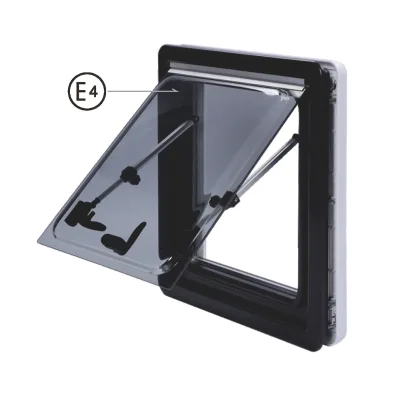
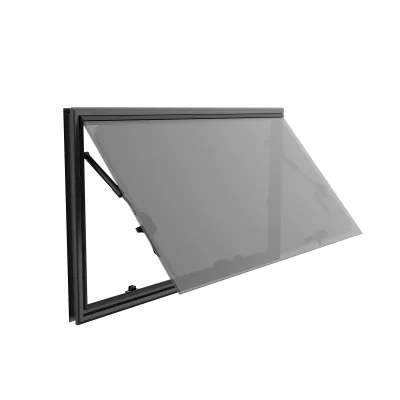
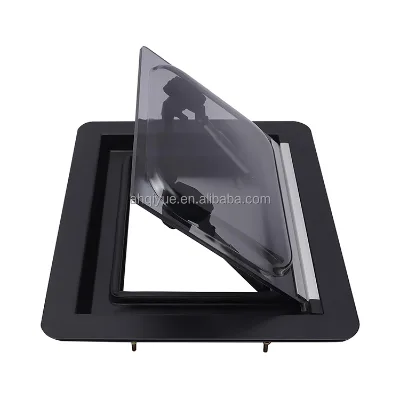
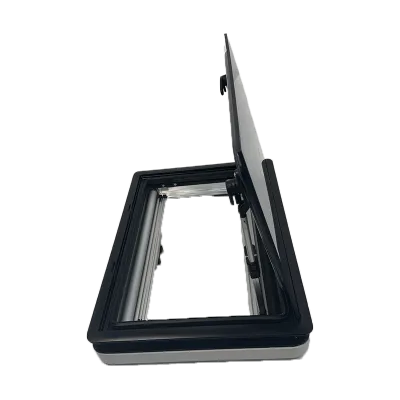


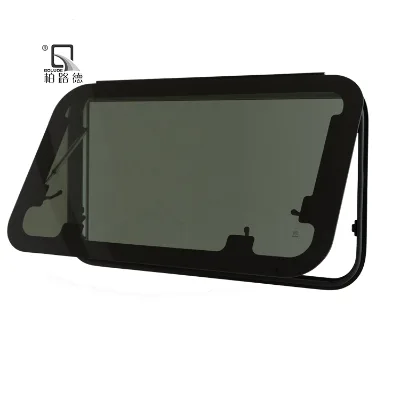
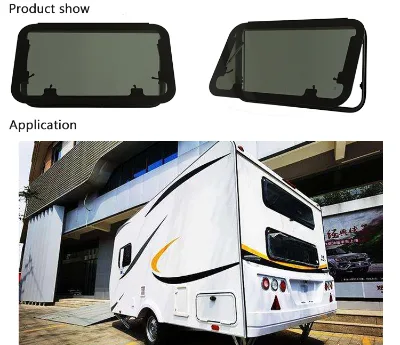
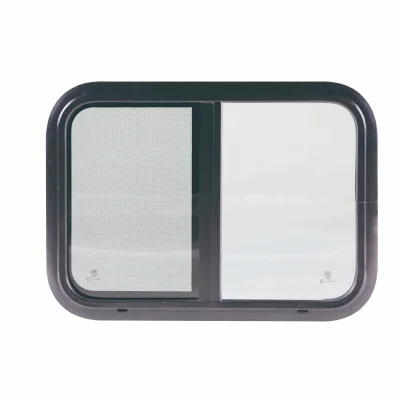
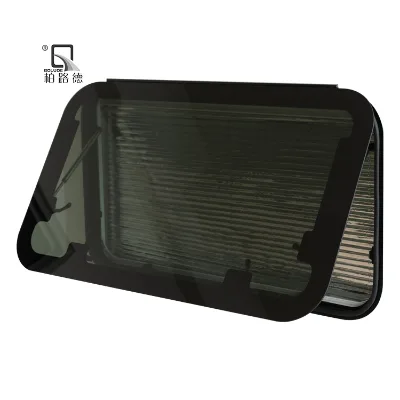
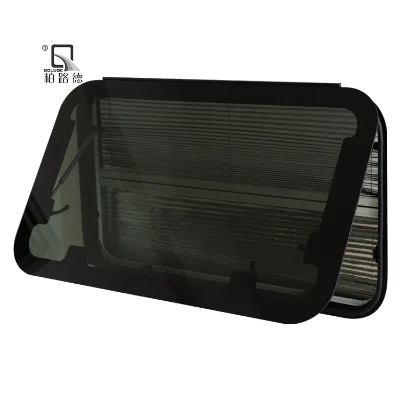
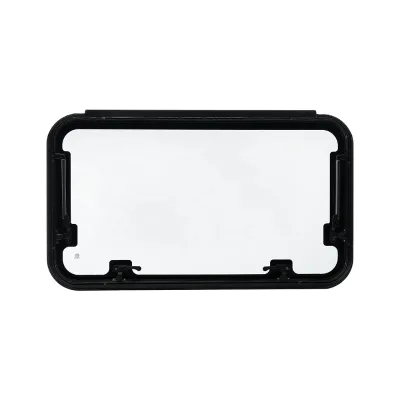
700*300mm Acrylic Glass Flat External RV Caravan Camper Trailer Side Window
$89.86 - $105.71
MOQ: 20 Pieces


Flat Right-Angle Exterior Window for RV Weatherproof Side Glass for Motorhome
$110.00 - $120.00
MOQ: 1 Pieces



Comprehensive Sourcing Guide
Insulated Glass RV Side Window Sourcing Guide
Procuring insulated glass for RV side windows requires a precise understanding of the distinct materials and construction methods used in the mobile living sector. Unlike standard architectural glazing, these units must withstand significant vibration, thermal expansion, and impact while maintaining a lightweight profile for vehicle safety. The market offers a variety of configurations, ranging from double-glazed acrylic and aluminum alloy assemblies to tempered glass units, each serving specific insulation and durability needs. Buyers must navigate a landscape where "insulated" may refer to double-pane acrylic systems designed for thermal retention or specialized glass treatments for frost prevention, rather than traditional argon-filled glass units found in residential buildings.
The sourcing process is heavily influenced by the specific application environment, whether for a caravan, motorhome, or trailer, as these vehicles demand windows that can be installed in varying wall thicknesses and structural frames. Suppliers often provide customization options to match OEM standard sizes or specific cut-out dimensions, ensuring a seamless fit within the vehicle's existing framework. However, the diversity of materials, including bubble pane acrylic glass and tempered glass with silicon oxide compositions, means that a single specification does not apply to all products. Buyers must carefully align their technical requirements with the available product attributes, such as opening angles, frame materials, and specific certifications, to ensure the selected window meets both safety and performance expectations.
Product Scope and Observed Listing Signals
The observed product listings reveal a clear segmentation between rigid glass solutions and flexible acrylic-based insulated units, each with distinct functional profiles. Some suppliers offer tempered glass side windows with a thickness of 5mm, designed primarily for frost prevention and structural integrity, while others provide double-glazed acrylic systems combined with aluminum alloy frames for enhanced thermal insulation and weight reduction. The color palette for these units typically includes options like F-Green, Clear, Euro-Grey, and Black, allowing buyers to match the aesthetic of the vehicle's exterior or interior design. It is critical to recognize that the term "insulated" in this context often points to the double-glazed acrylic construction, which offers superior thermal performance compared to single-pane tempered glass options.
Listing signals also indicate a strong focus on the "in stock" status for certain models, with delivery times ranging from 10 to 15 days for standard orders, which is a significant advantage for urgent repair or replacement needs. The packaging standards vary, with some units shipped in inner boxes while others require standard wooden crates to protect the glass or acrylic panes during transit, particularly given the fragile nature of the materials. Buyers should note that the minimum order quantities (MOQ) can fluctuate significantly, ranging from single items for specific accessories to bulk orders of 500 sets or more for custom manufacturing runs. This variance necessitates a clear definition of procurement volume early in the sourcing process to avoid unexpected commercial barriers.
Technical Specifications to Verify
Verifying the structural composition of the window is the first step in ensuring long-term performance, as the choice between tempered glass and double-glazed acrylic dictates the unit's resistance to impact and thermal stress. For applications requiring high durability, tempered glass with a silicon oxide composition and a thickness of 5mm is a common specification, whereas thermal efficiency is often better served by double-glazed acrylic systems paired with aluminum alloy structural members. Buyers must confirm the specific model numbers, such as RFW500350 or RFW500700, which correspond to precise dimensions like 50x350mm, to ensure compatibility with the vehicle's wall thickness, typically ranging from 25 to 35mm.
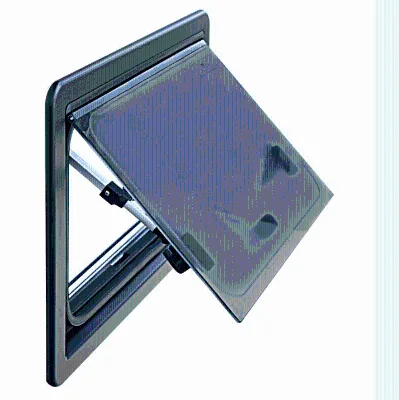
Installation mechanics and operational features are equally critical, as the window must function reliably in a mobile environment subject to constant movement. Specifications such as clampping installation methods and opening angles of 45 degrees are essential for ensuring that the window can be securely sealed while still allowing for ventilation when needed. Additionally, the inclusion of hardware such as mosquito nets and sun blinds adds functional value, but these components must be verified for compatibility with the specific frame material, whether it is ABS, aluminum, or a composite alloy. The cut-out corner radius, often specified as 4-R7, is another technical detail that must be matched to the vehicle's existing cutouts to prevent stress fractures and ensure a proper seal.
Compliance and Safety Documentation
Safety compliance is non-negotiable for RV side windows, as these components are subject to rigorous standards regarding impact resistance, fire safety, and optical clarity. The market listings indicate a prevalence of certifications such as ECE R43, US-DOT, and China-3C, which validate that the glass or acrylic materials meet international safety requirements for automotive and recreational vehicle applications. Buyers should explicitly request documentation proving that the product holds E-Mark or DOT certification, as these are the primary indicators that the window has passed the necessary impact and fragmentation tests required for road-legal vehicles. Without these certifications, the window may not be legally installable in certain jurisdictions or may fail to meet insurance requirements.
Beyond material safety, management certifications like ISO and TSType audits provide assurance that the supplier adheres to consistent quality management systems, which is vital for maintaining product reliability across large orders. The presence of E13 certification further confirms compliance with European standards for glazing materials, ensuring that the product meets specific optical and safety criteria. It is important to distinguish between the product's certification and the supplier's management certification, as both play a role in the overall risk profile of the procurement. Buyers must verify that the specific batch of windows being purchased carries the relevant certificates, as these documents are often required for customs clearance and regulatory approval in the destination market.
Cost Drivers and Commercial Terms
The cost of insulated RV side windows is driven primarily by the material composition, with double-glazed acrylic and aluminum alloy units generally commanding a higher price point than single-pane tempered glass options due to their superior thermal insulation properties. The observed price range of 10 to 845 USD reflects this disparity, as well as the complexity of customization and the inclusion of additional hardware like sun blinds and mosquito nets. Buyers should anticipate that custom sizes or specific color requests, such as Euro-Grey or Black, may incur additional charges, as these deviate from standard OEM sizes and require specialized production runs.
Commercial terms, particularly Minimum Order Quantities (MOQ), vary significantly between suppliers and product types, ranging from single items for standard accessories to bulk orders of 500 sets for custom manufacturing. This variation directly impacts the unit cost, with higher volumes typically yielding better pricing tiers, but also requiring a larger upfront capital commitment. Lead times are another critical cost factor, with standard delivery windows of 10 to 15 days for in-stock items, while custom orders may require extended production schedules. Buyers must factor in the cost of specialized packaging, such as wooden crates for larger glass units, which adds to the overall landed cost and must be accounted for in the total procurement budget.
Supplier Qualification and Quality Control
Supplier qualification should extend beyond basic product listings to include a thorough review of their quality control processes and manufacturing capabilities. The presence of ISO management certification and specific product certifications like ECE and DOT suggests a baseline level of operational maturity, but buyers should also verify the supplier's ability to handle the specific structural requirements of their project, such as the use of aluminum alloy frames or ABS materials. It is essential to confirm that the supplier has a proven track record in the RV and caravan sector, as this industry demands a unique understanding of vibration resistance and thermal expansion that general window manufacturers may not possess.
Quality control measures must be explicitly defined in the procurement agreement, ensuring that every unit meets the specified standards for thickness, color, and structural integrity. Buyers should request evidence of pre-shipment inspections, particularly for large orders, to verify that the products match the agreed-upon specifications regarding dimensions, such as the 50x350mm size, and that the installation hardware is included and functional. The origin of the product, whether from Xuchang, Zhejiang, or Anhui in China, can also influence the quality control landscape, as different regions may have varying levels of industrial expertise and regulatory oversight. Establishing a clear communication channel for quality issues and defining the protocol for handling non-conforming goods is a critical step in mitigating procurement risks.
Long-Term Procurement Checks
Establishing a long-term procurement strategy requires regular audits of supplier performance and product consistency to ensure that the insulated windows continue to meet safety and performance standards over time. Buyers should implement a system for tracking field performance, monitoring for issues such as seal failures, frame corrosion, or glass degradation, which can indicate underlying quality problems that were not apparent during the initial inspection. Regular re-verification of certifications is also necessary, as regulatory standards can change, and suppliers must demonstrate their continued compliance with updated ECE, DOT, or ISO requirements to maintain the legality and safety of the installed windows.
Supply chain resilience is another critical consideration, as the availability of specific materials like double-glazed acrylic or tempered glass can fluctuate based on global market conditions. Buyers should assess the supplier's capacity to handle volume spikes and their ability to maintain lead times during periods of high demand, ensuring that replacement parts or new installations are not delayed. Building a relationship with a supplier that offers customization and has a robust inventory of standard sizes can provide a competitive advantage, allowing for faster response times to market changes or vehicle model updates. Ultimately, the goal is to secure a reliable supply of high-quality insulated windows that support the longevity and safety of the recreational vehicles throughout their operational life.
FAQs
What glass material is used for insulated RV side windows
Insulated RV side windows typically use tempered glass or double glazed acrylic and aluminum alloy. Tempered glass offers high strength and safety, while acrylic provides lighter weight and better insulation. The specific material choice depends on the window's intended application and structural requirements.
What certifications are required for RV side window glass
Common certifications include ISO, CE, ECE, and DOT. These standards ensure the glass meets safety and quality requirements for automotive and recreational vehicle use. Buyers should verify that the specific product holds the relevant certification for their target market.
What is the standard thickness for RV side window glass
A common thickness for RV side window glass is 5mm. This thickness provides a balance between structural integrity and weight. However, specific thickness may vary depending on the window size and the vehicle's structural requirements.
Can RV side windows be customized for specific sizes
Yes, customization is available for RV side windows. Suppliers can produce windows according to OEM standard sizes or specific dimensions required by the buyer. This allows for precise fitment in various RV, caravan, and motorhome models.
What is the typical lead time for RV side window orders
The typical delivery time for RV side windows is 10 to 15 days. This timeframe assumes standard production and shipping conditions. Lead times may vary based on order quantity, customization requirements, and current production schedules.
What packaging is used for shipping RV side windows
RV side windows are often packed in standard wooden crates or inner boxes. This packaging protects the glass from damage during transit. The specific packaging method may depend on the order size and shipping destination.
What is the minimum order quantity for RV side windows
The minimum order quantity can vary, with some suppliers requiring 500 units and others accepting 50 sets. Buyers should check the specific MOQ for their desired product and supplier. Lower MOQs may be available for standard items or smaller orders.