Source Insulation Cable Stringing Pulley for Lifting, Pulling, and Construction
Find 30 Insulation Cable Stringing Pulley options from verified Chinese manufacturers. Compare durable nylon and aluminum alloy models with CE and ISO certifications for cable pulling, lifting platforms, and industrial construction works.
Key considerations
Products List


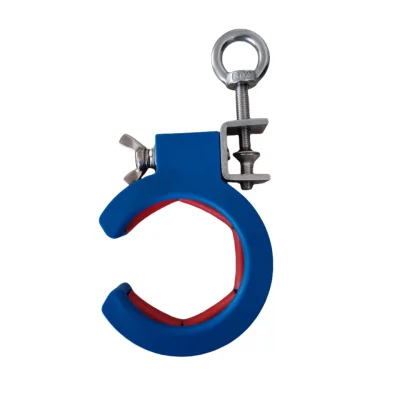


Single Sheave Cable Pulling Pulley with Hook for Stringing Cable Conductor
$5.00 - $15.00
MOQ: 1000 Pieces

Aerial Cable Pulling Rollers Cable Pulley for Telecommunication Cable Laying Construction
$5.00 - $15.00
MOQ: 1000 Pieces

Stringing Cable Pulley Block Nylon Cable Roller Wire Rope Guide Roller Pulley
$30.00 - $200.00
MOQ: 1 Pieces


Transmission Line Stringing Line Tool Cable Pulling Roller Ground Corner Pulley
$8.00 - $17.00
MOQ: 50 Pieces


Heavy Duty Straight Line Steel Cable Pulling Roller Electric Cable Pulley
$22.00 - $25.00
MOQ: 5 Pieces


Comprehensive Sourcing Guide
Insulation Cable Stringing Pulley Sourcing Guide
Procuring insulation cable stringing pulleys requires a disciplined approach that balances mechanical durability with electrical safety. These components are critical auxiliary tools in overhead line construction, designed to guide and support conductors during the stringing process while preventing damage to the cable insulation. Buyers must navigate a market where product attributes vary significantly based on material composition, load capacity, and specific application requirements. The following guide outlines the essential verification steps for sourcing these specialized industrial tools.
Product Scope and Observed Listing Signals
The market for cable stringing blocks and rope pulley blocks presents a wide variance in product specifications and pricing structures. Observed listings indicate a price range from $4 to $45,000 USD, reflecting the diversity from simple manual rope pulleys to heavy-duty, motorized hydraulic puller systems. The minimum order quantity (MOQ) typically ranges from 1 to 1,000 units, allowing for both single-item procurement for small projects and bulk purchasing for large-scale infrastructure developments. This broad spectrum necessitates careful alignment of the product type with the specific operational needs of the project.
Key product attributes observed in current listings include materials such as Nylon and Aluminum Alloy, which offer distinct advantages in terms of weight and wear resistance. Many suppliers highlight features like high load capacity, durability, and insulation properties, which are paramount for electrical safety during cable installation. The usage is consistently described as hanging type stringing blocks or cable auxiliary tools, with applications ranging from pulling cables to use in lifting platforms and various crane systems. Buyers should verify that the specific model, such as the SHG-0.5, matches the required load standards, which may range from 5-20kg for lighter applications to much higher capacities for industrial construction works.
Technical Specifications to Verify
Material selection is a primary technical consideration, with Nylon and Aluminum Alloy being the most commonly cited options. Nylon pulleys are often preferred for their lightweight nature and inherent insulation properties, which reduce the risk of electrical discharge during stringing operations. Aluminum Alloy variants offer superior strength and wear resistance, making them suitable for high-load applications. Buyers must verify the specific material grade and construction method to ensure the pulley can withstand the tensile forces and environmental conditions of the installation site without compromising the integrity of the cable insulation.
Load capacity and dimensional specifications must be rigorously checked against project requirements. Listings indicate standard load capacities such as 5-20kg, but also mention high-load capabilities for heavy-duty stringing blocks. The belt width is often customizable, allowing for adaptation to different cable diameters. Additionally, single package sizes and gross weights, such as 20x20x20 cm and 0.800 kg respectively, are important for logistics planning. For more complex systems, such as hydraulic pullers, specifications like maximum pull force (e.g., 90kN), engine power, and speed (e.g., 5 Km/H) must be verified to ensure compatibility with the overall stringing equipment and power supply available on-site.
Compliance and Safety Documentation
Certification is a critical component of the procurement process, ensuring that the equipment meets international safety and quality standards. Common certifications observed in the market include CE, ISO9001, RoHS, CCC, and ISO. These certifications indicate that the manufacturer adheres to specific regulatory requirements for electrical safety, environmental protection, and quality management systems. Buyers should request valid certification documents and verify their authenticity with the issuing bodies, particularly when sourcing from regions like Hebei or Shandong in China, where manufacturing hubs are concentrated.
Safety features, particularly insulation, are non-negotiable for cable stringing applications. The product attributes explicitly mention insulation as a key feature, which is essential for preventing electrical faults when working with live or potentially live conductors. Buyers must ensure that the insulation properties are not just a marketing claim but are backed by technical data sheets and test results. Furthermore, the condition of the product should be verified as "New" to ensure there are no hidden defects or wear that could compromise safety during operation. Customization options should also be reviewed to ensure they do not void existing certifications or safety guarantees.
Cost Drivers and Commercial Terms
The cost of insulation cable stringing pulleys is influenced by several factors, including material type, load capacity, and customization requirements. Basic nylon pulleys may fall at the lower end of the price spectrum, while heavy-duty aluminum alloy blocks or integrated hydraulic systems can command significantly higher prices. The observed price range of $4 to $45,000 USD highlights the importance of defining the exact technical specifications before requesting quotes to avoid overpaying for unnecessary features or under-specifying for critical applications. Buyers should also consider the total cost of ownership, including maintenance and replacement costs, rather than just the initial purchase price.
Commercial terms such as MOQ, packaging, and lead times play a significant role in the overall procurement strategy. Suppliers often support sample orders, which is a valuable opportunity to test the product quality before committing to a larger purchase. Packaging options vary from standard carton boxes to wooden cases and standard export packaging, which can impact shipping costs and product protection. Buyers should negotiate clear terms regarding customization, OEM/ODM services, and after-sales support. The advantage of one-stop procurement offered by some suppliers can simplify the supply chain, but buyers must ensure that all components meet the required quality standards.
Supplier Qualification and Quality Control
Supplier qualification involves verifying the manufacturer's production capabilities and quality control processes. Many suppliers offer OEM and ODM services, indicating a level of manufacturing flexibility and technical expertise. Buyers should assess the supplier's ability to provide customized solutions, such as specific colors or belt widths, without compromising on quality. The place of origin, whether Hebei or Shandong, can provide insights into the local industrial ecosystem and supply chain efficiency. However, buyers must conduct due diligence to ensure that the supplier has a robust quality management system in place, as indicated by ISO9001 certification.
Quality control measures should be integrated into the procurement process to ensure consistent product performance. Buyers should request detailed product descriptions, including single gross weight and package dimensions, to verify that the delivered goods match the ordered specifications. The feature of "Long Life Cycle" suggests durability, but this must be validated through independent testing or customer references. Inspecting the product condition as "New" and verifying the absence of defects is crucial. Additionally, buyers should establish clear communication channels for addressing any quality issues or discrepancies during the production and delivery phases.
Long-Term Procurement Checks
Long-term procurement success depends on establishing a reliable supply chain and maintaining ongoing quality assurance. Buyers should monitor supplier performance over multiple orders, tracking metrics such as delivery times, product consistency, and responsiveness to issues. The availability of customization and support for various applications, from industrial construction works to crane systems, indicates a supplier's versatility. However, buyers must ensure that the supplier remains compliant with evolving international standards and certifications, such as CE and RoHS, to mitigate regulatory risks.
Regular audits and re-verification of product specifications are essential to maintain safety and performance standards. As technology and materials evolve, suppliers may update their product lines, and buyers must stay informed about these changes. The observed attributes, such as the use of Nylon or Aluminum Alloy, should be periodically reviewed to ensure they still meet the project's technical requirements. By maintaining a disciplined approach to supplier qualification and quality control, buyers can secure a steady supply of high-quality insulation cable stringing pulleys, ensuring the safety and efficiency of their cable installation projects.
FAQs
What certifications do insulation cable stringing pulleys have?
These pulleys typically carry CE, ISO9001, RoHS, CCC, and ISO certifications. The specific certification depends on the manufacturer and product model, ensuring compliance with international safety and quality standards for industrial use.
Which materials are used for cable stringing blocks?
Manufacturers commonly use Nylon or Aluminum Alloy for these blocks. The material choice affects durability and weight, with Nylon offering wear resistance and Aluminum Alloy providing high load capacity for various stringing applications.
Can I request customized colors for these pulleys?
Yes, customized colors are available for insulation cable stringing pulleys. Buyers can specify color preferences to match their operational requirements, ensuring the equipment integrates seamlessly with existing site safety and identification protocols.
What is the typical packaging for these products?
Products are shipped in Carton Boxes, Wooden Cases, or Standard Export Packaging. The specific packing method depends on the order size and shipping requirements, ensuring the pulleys remain protected during transit to the destination.
How do I find suppliers with low minimum order quantities?
Suppliers offer Minimum Order Quantities ranging from 1 to 1000 units. Buyers can select vendors based on their specific volume needs, allowing for flexible procurement whether for small pilot projects or large-scale industrial deployments.
Where are these cable pulleys manufactured?
These products originate from regions like Hebei and Shandong in China. The manufacturing location influences logistics and lead times, with many factories offering OEM and ODM services to meet diverse international client requirements.
What is the maximum pull force for hydraulic pullers?
Hydraulic pullers associated with these systems can have a maximum pull force of 90kN. This capacity supports heavy-duty cable pulling tasks, ensuring efficient operation in industrial construction works and complex lifting scenarios.