Source Car Fan Belt for Engines, Alternators, and AC Systems
Compare 30 Car Fan Belt options from verified Chinese suppliers. Buyers can evaluate rubber materials, OE numbers, and dimensions to find suitable replacements for engines, alternators, and AC systems; compare the available evidence and request quotations based on your requirements.
Key considerations
Products List
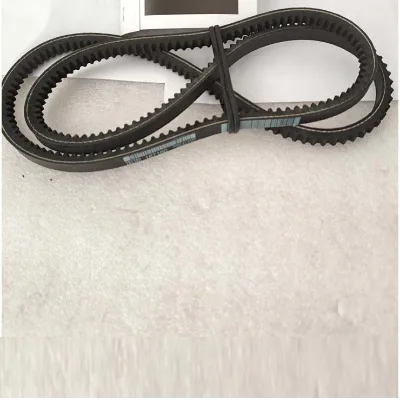

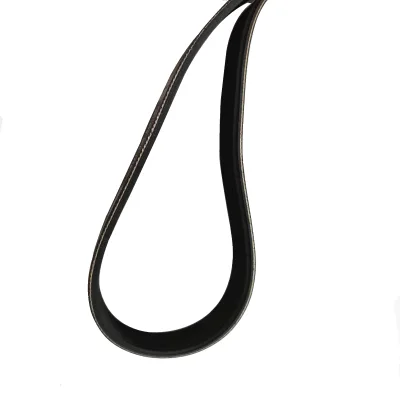


Comprehensive Sourcing Guide
Car Fan Belt Sourcing Guide
Sourcing car fan belts requires a disciplined approach to aligning component specifications with vehicle engineering requirements. Buyers must navigate a market where generic listings often obscure critical dimensional and material differences. The core challenge lies in distinguishing between standard replacement parts and specialized industrial or automotive variants that demand precise fitment. Understanding the specific operational context of the belt is the first step in mitigating supply chain risk.
Procurement teams should prioritize verification of original equipment (OE) numbers to ensure compatibility. The market offers a wide array of options, from single-item retail packs to bulk industrial supplies. Establishing clear technical parameters before engaging suppliers prevents costly mismatches. This guide outlines the essential verification steps, compliance checks, and commercial considerations necessary for securing reliable Car Fan Belt supplies that meet rigorous automotive standards.
Product Scope and Observed Listing Signals
The current market landscape for car fan belts reveals a diverse range of product attributes and listing signals. Observed data indicates a price range from 0.1 to 30 USD, with minimum order quantities (MOQs) varying significantly from 1 to 1000 units. This wide variance suggests a mix of retail-ready single items and bulk industrial supplies. Buyers must carefully interpret these signals to determine whether a supplier is positioned for small-scale replacement needs or large-scale manufacturing support.
Listing attributes frequently highlight features such as wear-resistance and heat-resistance, which are critical for automotive durability. Materials cited include rubber compounds like Japanese CR and EPDM, often reinforced with Japanese glass cord. These material choices directly impact the belt’s performance under high-temperature engine conditions. Procurement specialists should verify that the specific rubber and cord composition matches the vehicle manufacturer’s original specifications to ensure longevity and reliability.
Technical Specifications to Verify
Dimensional accuracy is paramount when sourcing car fan belts, as even minor deviations can cause mechanical failure. Key specifications to verify include top width, pitch width, and overall length. Observed data shows top widths ranging from 10-50 mm and lengths from 13" to 600". Buyers must cross-reference these dimensions with the vehicle’s service manual or the original belt’s markings. Relying solely on generic model numbers without verifying physical dimensions is a common source of procurement errors.
Material composition and construction details also require strict verification. The belts often feature specific model numbers such as 187160 or 3911568, which correspond to particular OE standards. Additionally, the type of belt, whether it is a V-belt, PK belt, or timing belt, dictates the required tension and pulley compatibility. Buyers should confirm the presence of reinforced cords and the specific rubber compound to ensure the belt can withstand the thermal and mechanical stresses of continuous engine operation.
Compliance and Safety Documentation
Compliance with international standards is essential for ensuring the quality and safety of automotive components. Many suppliers cite certifications such as ISO and standards like SGS, which indicate adherence to recognized quality management systems. Buyers should request valid certification documents to verify that the manufacturing process meets these rigorous benchmarks. This verification step helps mitigate the risk of sourcing substandard components that may fail prematurely or cause vehicle damage.
Furthermore, understanding the specific standards applied to the belt’s production is crucial. Some listings reference standards like ISO9001-2000 or GB/T 24001-2004, which relate to quality and environmental management. While these certifications do not guarantee performance, they provide assurance of consistent manufacturing practices. Procurement teams should also inquire about any additional testing protocols, such as UL 94 flammability ratings, to ensure the materials meet safety requirements for automotive applications.
Cost Drivers and Commercial Terms
Several factors influence the total cost of ownership for car fan belts, including material quality, production volume, and packaging. The observed price range of 0.1 to 30 USD reflects these variations, with higher prices often correlating with premium materials like Japanese CR rubber or specialized cord reinforcement. Buyers should evaluate the cost per unit against the expected lifespan and performance benefits. Investing in higher-quality belts may reduce long-term maintenance costs and vehicle downtime.
Commercial terms, such as MOQs and packaging options, also impact procurement strategy. MOQs ranging from 1 to 1000 units allow for flexibility in ordering, but bulk purchases may offer better unit economics. Packaging methods, including bags, cartons, or carton boxes, affect storage and handling efficiency. Buyers should negotiate terms that align with their inventory management capabilities and ensure that packaging protects the belts from damage during transit and storage.
Supplier Qualification and Quality Control
Supplier qualification is a critical step in ensuring the reliability of Car Fan Belt supplies. Buyers should assess suppliers based on their production capabilities, quality control processes, and track record. Observations indicate that suppliers are located in regions such as Hubei, Zhejiang, and Ningbo in China, which are known for automotive component manufacturing. Verifying the supplier’s location and production capacity helps ensure consistent supply and timely delivery.
Quality control measures should be clearly defined and enforced. Buyers should request samples for testing before placing large orders. Inspections should cover dimensional accuracy, material composition, and visual defects. Additionally, establishing clear communication channels with suppliers allows for quick resolution of any quality issues. Implementing a robust supplier qualification process reduces the risk of receiving non-conforming products and ensures that the belts meet the required automotive standards.
Long-Term Procurement Checks
Long-term procurement success depends on continuous monitoring of supplier performance and product quality. Buyers should establish key performance indicators (KPIs) to track delivery times, defect rates, and customer satisfaction. Regular audits of supplier facilities and quality management systems help maintain high standards. By proactively managing supplier relationships, buyers can mitigate risks and ensure a steady supply of high-quality car fan belts.
Additionally, staying informed about industry trends and technological advancements is essential. The automotive industry is constantly evolving, with new materials and designs emerging to improve belt performance. Buyers should engage with suppliers to discuss potential improvements and innovations. By fostering collaborative relationships and maintaining open communication, procurement teams can adapt to changing market conditions and secure the best value for their organization.
FAQs
What materials are used in these car fan belts?
The belts are constructed from high-quality rubber, specifically Japanese CR and EPDM compounds. They are reinforced with Japanese glass cord to ensure durability. This combination provides excellent wear resistance and heat resistance, making them suitable for demanding automotive applications and long-term reliability.
Can I customize the Car Fan Belt specifications?
Yes, customization is available for these auto belts. Buyers can request specific designs or modifications to meet unique requirements. The manufacturer supports OEM requests, allowing for tailored solutions. This flexibility ensures that the belts can fit various engine configurations and specific operational needs effectively.
What certifications do these car fan belts hold?
These belts hold ISO certification and comply with standard industrial requirements. The production process also adheres to SGS standards and ISO9001-2000 guidelines. These certifications ensure consistent quality and reliability. Buyers can trust that the products meet international standards for automotive components and safety performance.
What is the typical packaging for car fan belts?
The belts are packaged in bags or cartons for standard orders. Some specific models, like the PK belt, are packed in cartons. This packaging protects the items during transit and storage. The method ensures that the belts remain clean and undamaged until they reach the buyer's facility for installation or distribution.
Where are these car fan belts manufactured?
These belts are manufactured in China, with origins in Hubei and Zhejiang provinces. Specific production locations include Ningbo in Zhejiang. This regional manufacturing base supports efficient supply chains. Buyers can expect reliable production capabilities and logistical support from these established industrial hubs in China.
What is the minimum order quantity for car fan belts?
The minimum order quantity ranges from 1 to 1000 units. This flexible MOQ allows buyers to order small samples or larger batches. It accommodates both testing needs and bulk procurement requirements. Buyers can choose the quantity that best fits their inventory strategy and immediate replacement needs.