Source Heat Resistant Torque Limiter for Military, Medical, and Industrial
Compare 30 Heat Resistant Torque Limiter options from verified Chinese suppliers. Buyers can evaluate specifications like IP ratings, material quality, and customization availability for applications in military, medical, and industrial sectors; compare the available evidence and request quotations based on your requirements.
Key considerations
Products List


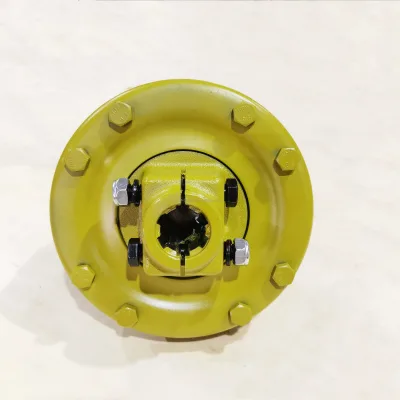
Customizable Torque Limiter with Various Friction Disc Materials Friction Torque Limiter
$9000.00 - $22000.00
MOQ: 1 Pieces


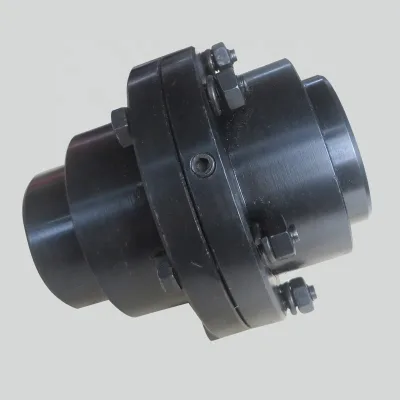
Dependable Torque Limiter for Continuous Operation Friction Torque Limiter
$9000.00 - $22000.00
MOQ: 1 Pieces


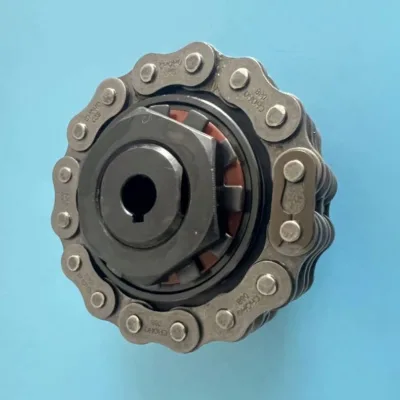
Long Lifespan Torque Limiter with Minimal Maintenance Friction Torque Limiter
$9000.00 - $22000.00
MOQ: 1 Pieces



Comprehensive Sourcing Guide
Heat Resistant Torque Limiter Sourcing Guide
Selecting the right torque limiter for high-temperature environments requires careful evaluation of material integrity and thermal stability. Buyers must prioritize components that maintain mechanical performance under sustained heat exposure, ensuring that the device does not fail during critical operational peaks. This guide outlines the essential verification steps for sourcing reliable heat-resistant torque limiters, focusing on technical specifications, compliance, and supplier reliability.
Procurement teams should begin by defining the specific thermal and mechanical loads their application demands. Understanding the operating temperature range is crucial, as standard limiters may degrade or slip prematurely when exposed to elevated heat. By aligning product attributes with actual environmental conditions, buyers can avoid costly downtime and equipment damage, ensuring that the selected torque limiter provides consistent protection and precise torque transmission.
Product Scope and Observed Listing Signals
Market listings for torque limiters often highlight specific material compositions and environmental resistances that are critical for high-temperature applications. Buyers should observe product attributes such as aluminum housings or metal bottom shells, which offer superior heat dissipation compared to plastic alternatives. Additionally, features like corrosion resistance and high-temperature resistance are frequently cited, indicating that the component is designed to withstand harsh industrial conditions without compromising structural integrity.
Observed listing signals also include customization availability and specific breaking forms, such as single or duplex types, which dictate how the limiter responds to overload events. Procurement specialists should verify if the product offers waterproof protection or specific IP ratings, as these factors influence longevity in demanding environments. Understanding these observed signals helps buyers narrow down options to those that genuinely meet their thermal and mechanical requirements.
Technical Specifications to Verify
Verifying the maximum current and voltage ratings is essential to ensure the torque limiter integrates seamlessly with existing electrical systems. Buyers must confirm that the device’s electrical characteristics align with the machinery’s power supply, preventing issues such as arcing or insulation breakdown under load. Additionally, checking the breaking capacity, whether for DC or micro-current applications, ensures that the limiter can safely disconnect or slip when torque exceeds safe limits.
Thermal performance metrics should be rigorously tested, particularly the operating temperature range, which must remain stable below critical thresholds like 250°C. Buyers should also inspect the contact material, such as brass or silver tips, to ensure low electrical resistance and high durability. Verifying the pressing type, such as spring roller mechanisms, helps assess the reliability of the torque transmission and the consistency of the slipping action under repeated stress cycles.
Compliance and Safety Documentation
Ensuring that torque limiters meet relevant safety and quality certifications is a non-negotiable step in the procurement process. Buyers should request documentation for certifications such as CCC and CE, which indicate compliance with regional safety and electromagnetic compatibility standards. These certifications provide assurance that the product has undergone rigorous testing and meets the necessary regulatory requirements for industrial use.
In addition to product-specific certifications, verifying the supplier’s quality management systems, such as ISO 9001, is crucial for maintaining consistent product quality. Buyers should also check for material safety data sheets and environmental compliance reports, especially if the limiter is used in sensitive applications. Proper documentation not only facilitates customs clearance but also supports internal audits and risk management protocols.
Cost Drivers and Commercial Terms
The cost of heat-resistant torque limiters is influenced by material quality, manufacturing complexity, and certification requirements. Buyers should analyze the price range relative to the specified features, such as aluminum construction or specialized surface treatments like oxygenation. Understanding these cost drivers helps in budgeting accurately and identifying potential value-added opportunities without compromising on essential performance attributes.
Commercial terms, including minimum order quantities (MOQ) and packaging details, significantly impact the total cost of ownership. Buyers should negotiate favorable terms based on volume commitments and lead times, ensuring that supply chain disruptions are minimized. Additionally, considering the packaging, such as export wooden cases or double PE bags, can reduce handling damage and storage costs, contributing to overall procurement efficiency.
Supplier Qualification and Quality Control
Evaluating supplier qualifications is vital to ensure that the torque limiters meet stringent quality standards. Buyers should verify the supplier’s production capabilities, including their ability to handle customization requests and maintain consistent quality across batches. Checking the supplier’s origin, such as China Mainland, and their adherence to standard or non-standard specifications helps in assessing their reliability and technical expertise.
Implementing robust quality control measures, such as incoming inspection and periodic audits, is essential for maintaining product integrity. Buyers should request sample testing and performance validation before placing large orders, ensuring that the torque limiters perform as expected under real-world conditions. Establishing clear communication channels with the supplier facilitates quick resolution of any quality issues and supports long-term partnership development.
Long-Term Procurement Checks
Establishing a framework for long-term procurement checks ensures that the torque limiters continue to meet performance expectations over time. Buyers should monitor key performance indicators, such as failure rates and maintenance frequency, to identify any trends that may indicate underlying quality issues. Regularly reviewing supplier performance and product feedback helps in making informed decisions about future purchases and supplier relationships.
Continuous improvement initiatives, such as requesting updated technical data or exploring new material options, can enhance the reliability of the torque limiters. Buyers should also stay informed about industry advancements and regulatory changes that may impact product specifications or compliance requirements. By maintaining a proactive approach to procurement, organizations can ensure that their equipment remains safe, efficient, and cost-effective in the long run.
FAQs
What certifications do heat resistant torque limiters have?
These products typically hold CCC and CE certifications as verified by the product page. Some models also meet ISO9001:2008 standards. Buyers should verify specific documentation for each unit to ensure compliance with regional safety regulations before placing orders.
Can these limiters operate in high temperature environments?
Yes, the products are designed to function in environments below 250 degrees Celsius. They feature heat-resistant and high-temperature-resistance properties suitable for demanding industrial applications. This ensures reliable performance without degradation under elevated thermal conditions.
Which materials are used for the housing and contacts?
The housing is constructed from aluminum, while the shell utilizes a metal bottom design. Contact materials include brass and silver tips for optimal conductivity. Stainless steel options are also available for specific rigid coupling requirements in various machinery setups.
What is the maximum voltage and current capacity?
The maximum voltage rating is AC250V with a current capacity of up to 5A. These specifications support micro-current breaking capacities for DC applications. Users must ensure their electrical systems match these limits to prevent equipment failure or safety hazards.
How are these products packaged for export?
Packaging varies by model, with some units packed as ten pieces per box and one hundred per carton. Other items use double PE bags inside corrugated cartons or export wooden cases. This ensures safe transport and protection during international shipping logistics.
Are customization options available for these limiters?
Customization is available for many models to meet specific client requirements. Buyers can request tailored specifications for applications in military, agricultural, or medical sectors. This flexibility allows for precise integration into diverse machinery like conveyors, textile equipment, and electric vehicles.
What is the origin and standard compliance of these items?
Products originate from China Mainland, specifically Zhejiang, and adhere to standard specifications. They comply with CE standards and various industrial norms. Buyers should confirm the specific model number and standard details to ensure they meet their project requirements.