Source Intake Air Pressure Sensor for Engines, HVAC, and Diagnostics
Compare 30 Intake Air Pressure Sensor listings from verified Chinese suppliers. Buyers can evaluate specifications like voltage, material, and warranty to find suitable parts for automotive and industrial applications.
Key considerations
Products List
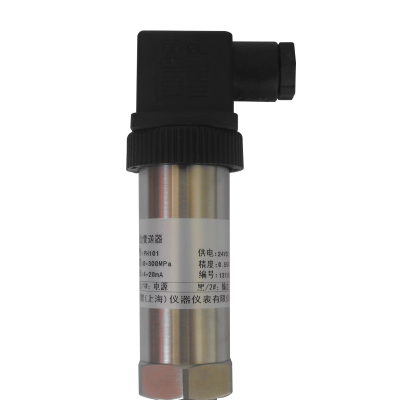


$3.50 - $4.00
MOQ: 10 Pieces


Comprehensive Sourcing Guide
Intake Air Pressure Sensor Sourcing Guide
Procuring intake air pressure sensors requires a disciplined approach to navigating a fragmented market where product attributes vary significantly between listings. Buyers must distinguish between general automotive sensors and specialized components like air conditioning pressure sensors, as the latter often serve different system pressures and control logic. The observed market data indicates a wide range of supply voltages, with some units operating at 5+/-0.25VDC while others may support different electrical interfaces. This variance necessitates a rigorous verification process before placing orders, ensuring that the selected component matches the specific electrical architecture of the target vehicle or industrial engine.
The sourcing landscape also presents challenges regarding customization and standardization, as some listings explicitly state "Non-Customized" while others offer "Customized" options. This duality suggests that buyers must clearly define whether they require an off-the-shelf replacement part or a tailored solution for a specific OEM application. Furthermore, the presence of multiple model numbers, such as "pt401" and "2897331," alongside generic descriptions like "Automobile Sensor," highlights the importance of cross-referencing part numbers with the original equipment manufacturer's specifications. Failure to align the sensor model with the exact application can lead to compatibility issues, rendering the procurement effort ineffective despite a seemingly low price point.
Product Scope and Observed Listing Signals
The product scope for intake air pressure sensors extends beyond simple pressure measurement to include integrated signal conditioning and specific output types. Listings indicate that some units provide an output voltage range of 0.5-4.5VDC, which is critical for compatibility with engine control units (ECUs) that expect specific signal thresholds. Additionally, the working current is observed to be less than 10mA, a specification that helps buyers assess the power consumption impact on the vehicle's electrical system. Understanding these electrical parameters is essential for ensuring that the sensor can operate reliably within the vehicle's power budget without causing voltage drops or signal interference.
Physical attributes and packaging methods also serve as key signals for product quality and intended use. The observed materials range from aluminum alloy to plastic, with shapes varying from round to specific piston pin configurations, indicating a diverse product catalog that may include both pressure sensors and related mechanical components. Packaging details, such as "PP Pag+Box+Carton" or "Plywood Box," suggest different levels of protection during transit, which is particularly relevant for international shipping. Buyers should scrutinize these physical descriptions to ensure the product is robust enough to withstand the vibration and environmental conditions of the intended application, whether it is for a diesel engine or a standard automobile.
Technical Specifications to Verify
Electrical performance is the primary technical specification that must be verified to ensure sensor functionality. The supply voltage of 5+/-0.25VDC is a common standard, but buyers must confirm that the specific unit they are sourcing matches this tolerance to prevent damage to the sensor or the ECU. The output voltage range of 0.5-4.5VDC must be validated against the vehicle's input requirements, as deviations can lead to inaccurate readings or system errors. Additionally, the over-pressure protection limit of 16VDC is a critical safety feature that should be confirmed to ensure the sensor can withstand transient voltage spikes without failure.
Mechanical and dimensional specifications are equally vital for physical integration and long-term reliability. The material composition, whether aluminum alloy or plastic, directly impacts the sensor's durability and resistance to environmental factors such as heat and corrosion. Buyers should verify the shape and dimensions, noting that some listings describe a "Round" shape while others reference specific models like "W12V190.03.01A" or "XYT-19C." The test methods, such as the "Through Check Method," provide insight into the quality control processes used by the manufacturer, and understanding these methods helps buyers assess the consistency of the product batch they are purchasing.
Compliance and Safety Documentation
Certification status is a fundamental requirement for ensuring that intake air pressure sensors meet international safety and quality standards. The observed market data includes certifications such as ISO, CE, ISOCOP, and CCC, which indicate that the supplier has undergone specific audits and testing procedures. Buyers should request valid certification documents for the specific batch of sensors they intend to purchase, as these documents serve as proof of compliance with regional regulations. The presence of multiple certifications suggests a supplier capable of meeting diverse market requirements, but verification is necessary to ensure the certifications are current and applicable to the specific product model.
Quality assurance documentation, including warranty terms and test results, provides additional assurance of product reliability. Listings mention warranty periods ranging from three months to 12 months, which reflects varying levels of confidence in product longevity. A longer warranty period often correlates with higher manufacturing standards and better after-sales support, making it a key factor in supplier selection. Buyers should also inquire about the specific test methods used, such as the "Through Check Method," to understand the depth of quality control. Ensuring that the supplier provides comprehensive documentation for both compliance and quality is essential for mitigating the risk of product failure in the field.
Cost Drivers and Commercial Terms
Pricing in the Intake Air Pressure Sensor market is influenced by a combination of factors, including material costs, certification status, and customization requirements. The observed price range of 0.1 to 241.31 USD highlights the significant variance between basic components and specialized, high-precision units. Buyers must analyze the cost structure to understand what drives the price difference, such as the use of aluminum alloy versus plastic or the inclusion of advanced signal conditioning. It is crucial to avoid assuming that a lower price indicates a lower quality product, as some listings may reflect bulk pricing or different supply chain efficiencies.
Commercial terms, including minimum order quantities (MOQ) and delivery times, play a critical role in the overall cost of procurement. The observed MOQ range of 1 to 100 units offers flexibility for buyers with varying demand levels, allowing small-scale purchasers to test products without significant inventory investment. Delivery times, ranging from 7 to 15 days, indicate the supplier's ability to fulfill orders promptly, which is essential for maintaining production schedules. Buyers should negotiate terms that align with their inventory management strategies, considering factors such as stock availability and the potential for lead time delays due to supply chain disruptions.
Supplier Qualification and Quality Control
Supplier qualification is a critical step in the sourcing process, requiring a thorough assessment of the manufacturer's capabilities and track record. The observed data indicates that suppliers are located in regions such as Hubei, China, and offer a variety of product types, from standard components to customized solutions. Buyers should verify the supplier's production capacity, quality control processes, and ability to meet specific technical requirements. The presence of "After-Sale Service" in the listings suggests that some suppliers are committed to supporting their customers post-purchase, which is a valuable attribute for long-term procurement relationships.
Quality control measures, such as the use of "Precision Gauge" and adherence to specific standards like "Ceramics" or "Standard Component," are essential for ensuring product consistency. Buyers should request detailed information about the manufacturing process, including the "Technics" used, such as casting, and the materials employed. The "Higher" or "High Level" quality claims in listings should be substantiated with evidence, such as test reports or certification documents. Establishing a robust quality control framework with the supplier, including regular audits and sample testing, is necessary to maintain the integrity of the supply chain and ensure that all delivered products meet the required specifications.
Long-Term Procurement Checks
Sustaining a successful procurement relationship requires ongoing monitoring of supplier performance and product quality over time. Buyers should establish key performance indicators (KPIs) to track metrics such as delivery reliability, defect rates, and responsiveness to quality issues. The observed "Stock: in Stock" status is a positive indicator of supply chain stability, but buyers must remain vigilant for potential disruptions that could affect availability. Regular communication with the supplier and periodic reviews of their quality control processes are essential for identifying and addressing any emerging issues before they impact production.
Long-term procurement also involves evaluating the supplier's ability to adapt to changing market conditions and technical requirements. As automotive and industrial technologies evolve, the specifications for intake air pressure sensors may change, requiring suppliers to update their product lines accordingly. Buyers should assess the supplier's commitment to innovation and their capacity to provide updated models that meet new standards. By maintaining a proactive approach to supplier management and fostering a collaborative relationship, buyers can ensure a steady supply of high-quality sensors that support their operational needs and strategic goals.
FAQs
What is the supply voltage for the Intake Air Pressure Sensor?
The supply voltage is 5+/-0.25VDC. This specification ensures stable operation for the automobile sensor. The working current remains less than 10mA. The output voltage ranges from 0.5 to 4.5VDC. Over pressure protection is rated at 16VDC. These electrical parameters define the sensor's operational limits.
Can the Intake Air Pressure Sensor be customized?
Yes, customization is available for this product. Although the default listing indicates non-customized items, the attributes confirm that customized options exist. Buyers can request specific modifications to meet unique requirements. This flexibility allows for tailored solutions in various automotive applications.
What is the warranty period for the sensor?
The warranty period is 12 months. This coverage applies to the product's performance and reliability. Some listings may indicate a three-month warranty, but the primary attribute specifies twelve months. Buyers should verify the specific warranty terms with the supplier before purchase.
What material is used to construct the sensor?
The sensor is constructed from aluminum alloy. This material provides durability and resistance to environmental factors. The round shape and precision gauge features enhance its functionality. The aluminum alloy construction ensures long-term performance in automotive environments.
How long is the delivery time for orders?
The delivery time is typically 7-15 days. Some sources indicate a delivery time of 7 days. The product is often in stock, facilitating faster dispatch. Buyers should confirm the exact lead time with the supplier based on order quantity and location.
What certifications does the Intake Air Pressure Sensor have?
The sensor holds ISO certification. Additional certifications may include CE, ISOCOP, and CCC. These certifications indicate compliance with international quality and safety standards. Buyers can rely on these credentials for quality assurance in their procurement processes.