Find Interior Exterior Concrete Decor Bricks for walls, squares, and facades
Source 30 listings of Interior Exterior Concrete Decor Bricks from verified suppliers in China. Compare specifications like size, porosity, and technique for wall, outdoor, and public square applications.
Key considerations
Products List
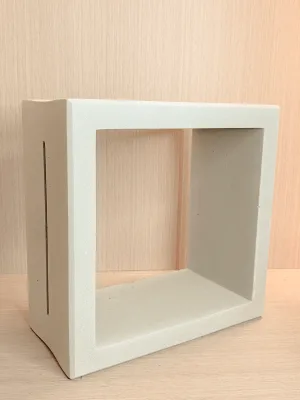
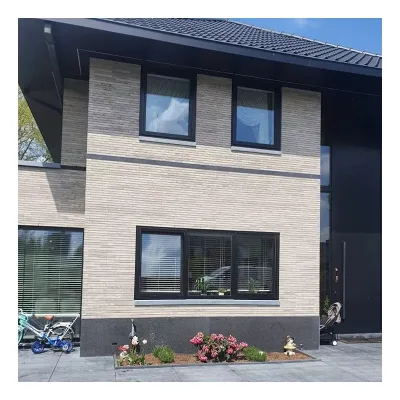
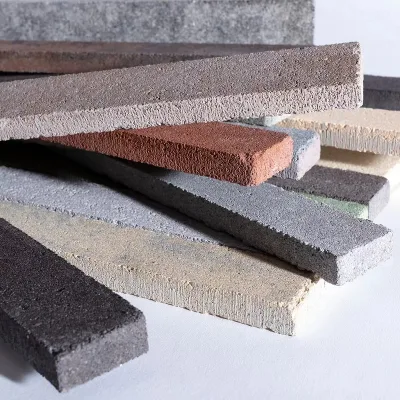
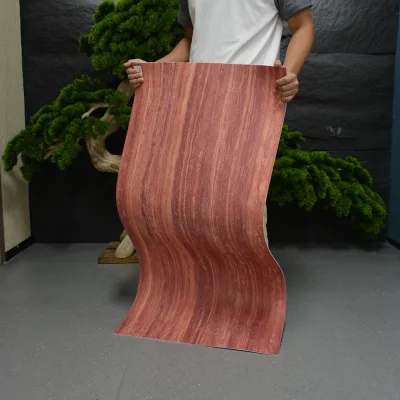
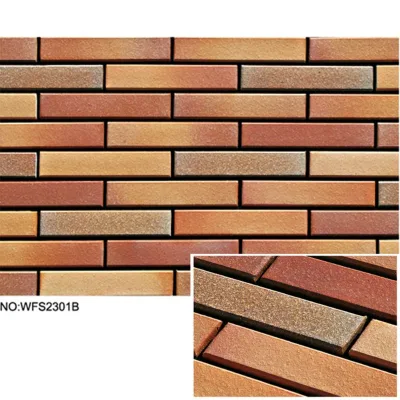
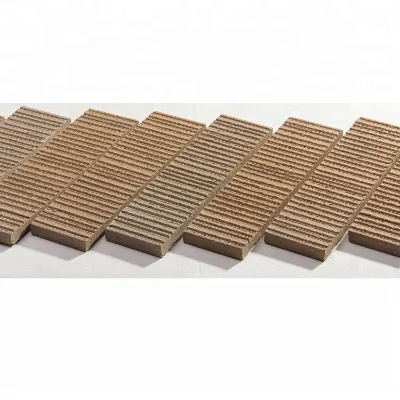
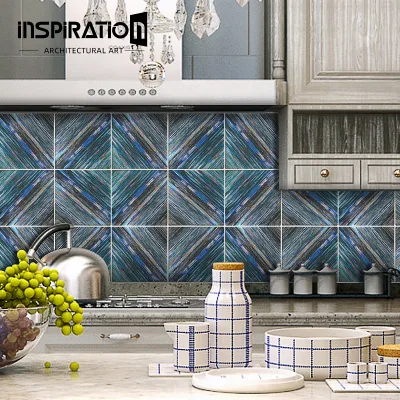


Interior and Exterior Decorative Cellular PVC Moulding Brick 1-1/4X3 Inch
$1700.00 - $2100.00
MOQ: 10 Tons

Attractive Interior and Exterior Decorative Cellular PVC Brick 1-1/4''x3''
$1700.00 - $2100.00
MOQ: 10 Tons


Accractive Interior Exterior Decorative Cellular PVC Brick Mould Profile
$1700.00 - $2100.00
MOQ: 10 Tons
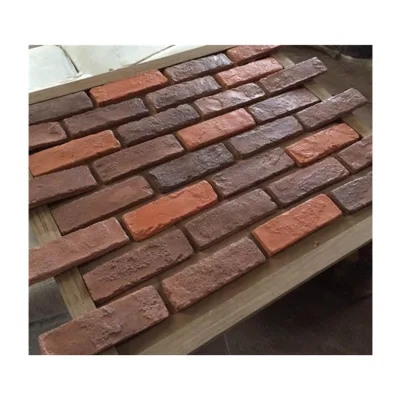

Wear Resistance High Fired Clay Block Internal External Decoration Bricks for Construction
$15.00 - $25.00
MOQ: 1 Square Meters

Floor Wall Tiles Multi Colors Internal External Decoration Clay Brick
$15.00 - $25.00
MOQ: 1 Square Meters

High Strength Multi-Color Interior/Exterior Wall Floor Face Brick for Decoration
$15.00 - $25.00
MOQ: 1 Square Meters

Colored Surface Internal External Wall Decoration Garden Paving Clay Bricks
$15.00 - $25.00
MOQ: 1 Square Meters

Interior/Exterior Wall Paving Decoration Natural Clay Thin Face Brick for Wholesale
$15.00 - $25.00
MOQ: 1 Square Meters


Ultra High Performance Concrete Mouldings for External and Interior Decoarion
$1.00 - $100.00
MOQ: 100 Square Meters

Comprehensive Sourcing Guide
Strategic Sourcing Guide for Interior and Exterior Concrete Decor Bricks
Understanding Product Categories and Technical Specifications
The market for interior and exterior concrete decor bricks encompasses a diverse range of materials, each defined by specific manufacturing techniques and physical properties. When sourcing these products, buyers must first distinguish between traditional fired units and modern engineered alternatives. The primary technical distinction lies in the material composition and porosity. One category includes cement-based units described as "Concrete Bricks" with a "Hollow" porosity structure. These are often designed for structural or semi-structural applications where weight reduction is beneficial. In contrast, another segment features "artificial bricks" and "flexible soft stone" products that utilize a "Steam-cured" technique. These units are characterized by "Solid" porosity and are often marketed for their aesthetic versatility rather than pure structural load-bearing capacity.
The physical dimensions of these bricks vary significantly based on their intended function. Standard units may be found in sizes such as 200200100mm, suitable for general wall construction or paving. Conversely, specialized decorative lines offer thinner profiles, such as 500x50x18mm, which are classified as "Thin Bricks." These thin variants are specifically engineered for cladding applications where minimizing the depth of the installation is critical. The manufacturing technique is another vital specification; while some units are "Sintered," implying a high-temperature firing process typical of traditional ceramics, others rely on steam curing. This difference directly impacts the curing time, energy consumption, and final density of the product. Buyers must verify the specific technique against their project requirements, as sintered units generally offer higher chemical resistance, whereas steam-cured units may provide faster production cycles and different surface textures.
Functional Applications and Design Versatility
The application scope for concrete decor bricks is broad, spanning both interior and exterior environments. Products are frequently listed for use on "Wall," "Outdoor Wall," "Indoor Wall," and "public square" surfaces. This versatility allows them to serve in residential, commercial, and municipal projects. For exterior applications, the material must withstand environmental stressors. Some products explicitly list "Acid Resistance" as a feature, which is crucial for areas exposed to atmospheric pollution or industrial environments. Additionally, specific "Thin Bricks" and "flexible soft stone" variants are highlighted for their ability to be installed on "Exterior" facades, offering a modern alternative to traditional masonry.
Design style is a critical factor in selecting the right brick for a project. The market offers options ranging from "Industrial" styles, which often feature raw, grey finishes, to "Contemporary" and "Traditional" designs. Color palettes vary from uniform "Grey" to "Multicolor" and "different colors," allowing for significant customization. The "Design Style" attribute often dictates the visual language of the building; for instance, an industrial aesthetic might prioritize the "Grey" concrete look, while a residential project might seek the "Multicolor" options to add visual interest. Furthermore, the "Project Solution Capability" of suppliers plays a role in application success. Many suppliers offer "graphic design" and "3D model design" services, enabling buyers to visualize the brick layout before installation. This capability is particularly valuable for complex "total solution for projects" that require "Cross Categories Consolidation," ensuring that the bricks integrate seamlessly with other building materials.
Compliance, Certification, and Performance Verification
When evaluating compliance and certification, buyers must approach the data with a disciplined verification mindset. While general industry standards such as ASTM C55 are referenced in background knowledge, specific certification status for individual products listed in the market data is not explicitly confirmed. Therefore, procurement teams should not assume compliance based on product listings alone. Instead, the focus must be on verifying performance claims through direct supplier interaction. Key performance attributes to verify include "A1 fireproof" ratings and "waterproof" capabilities, which are critical for both safety and durability in exterior applications.
The "After-sale Service" and "Warranty" terms provide indirect evidence of product confidence. Suppliers offering "Online Technical Support" and "Return and Replacement" policies suggest a commitment to product quality. Warranty periods vary, with some products offering "1 Year" coverage while others provide "More Than 5 Years." A longer warranty period often correlates with higher confidence in the material's longevity and resistance to weathering. Buyers should also scrutinize the "Port of dispatch" and "Place of Origin" to understand the logistical chain. Products originating from regions like "Hebei, China" or "Guangdong, China" may have different supply chain dynamics. The "Port of dispatch" being listed as a "China port" indicates the general shipping origin, but specific port details should be confirmed for accurate freight costing.
Cost Drivers and Supply Chain Economics
The cost structure for concrete decor bricks is influenced by several variables, including material type, manufacturing technique, and packaging requirements. The observed price range in the market is extensive, spanning from 0.3 to 2100 USD. This wide variance reflects differences in product complexity, size, and volume. Smaller, specialized items like "Thin Bricks" or custom-colored units may command higher prices per unit compared to standard hollow concrete bricks. The "Selling Units" are typically listed as "Single item," which implies that pricing is often calculated on a per-unit or per-square-meter basis rather than a bulk pallet price, though this depends on the specific supplier agreement.
Minimum Order Quantity (MOQ) is another significant cost driver. The observed MOQ range is 1 to 1000 units, offering flexibility for small-scale renovations as well as large commercial developments. However, higher volumes often unlock better pricing tiers. Supply ability is a critical metric for large projects; some suppliers list a capacity of "3000 square meters per Month," which is a key figure for buyers planning large-scale deployments. Packaging details also impact the final landed cost. Products are often shipped in "Fumigated strong wooden crates" to ensure safety during transit, which adds to the shipping weight and volume. The "Single gross weight" of packages can vary significantly, from 2.000 kg for smaller decorative units to 65.000 kg for larger crates, directly influencing freight charges and handling requirements.
Supplier Evaluation and Project Support Capabilities
Selecting the right supplier requires a thorough evaluation of their technical support and project management capabilities. The "Project Solution Capability" is a differentiator among suppliers. Those offering "graphic design," "3D model design," and "total solution for projects" can provide end-to-end support, from initial concept to final installation guidance. This is particularly important for "Cross Categories Consolidation," where the bricks must integrate with other building systems. The "Brand Name" associated with the product, such as "Feisen" or "Eastwood," can serve as an indicator of market presence, though buyers should verify the brand's reputation independently.
The "Installation" method is another area where supplier expertise is vital. Products described as having "Quick Installation" features, such as "Cut-To-Size" stone forms, reduce labor costs and project timelines. However, the success of these installations depends on the supplier's ability to provide clear technical documentation. The "After-sale Service" is a crucial component of supplier evaluation. Suppliers offering "Online Technical Support" and "Other" services demonstrate a commitment to resolving issues post-delivery. Buyers should assess the responsiveness of these support channels and the clarity of their return policies. Additionally, the "Place of Origin" can influence the supplier's logistical efficiency. Suppliers located in major manufacturing hubs like "Hebei" or "Guangdong" may have established logistics networks, but buyers must confirm the specific "Port of dispatch" to avoid unexpected delays.
Quality Control and Long-Term Procurement Considerations
Long-term procurement success depends on rigorous quality control and an understanding of the product's lifecycle. The "Feature" of the bricks, such as being "fire bricks" or "paving bricks," dictates their durability requirements. For exterior applications, resistance to weathering is paramount. Buyers should verify the "Porosity" of the product, as "Hollow" and "Porous" structures may require specific sealing treatments to prevent water ingress, whereas "Solid" units offer inherent resistance. The "Technique" used, whether "Sintered" or "Steam-cured," also affects long-term performance. Sintered bricks generally offer superior chemical resistance, making them suitable for harsh environments, while steam-cured bricks may be more cost-effective for interior or sheltered exterior applications.
Packaging and handling are critical for maintaining quality during transit. The use of "Fumigated strong wooden crates" ensures that the bricks arrive without damage, but buyers must verify that the packaging meets international shipping standards. The "Single package size" and "Single gross weight" should be checked to ensure compatibility with the buyer's storage and handling facilities. For long-term projects, the "Warranty" period is a key indicator of expected product life. A warranty of "More Than 5 Years" suggests a higher expectation of durability compared to a "1 Year" warranty. Buyers should also consider the "Color" stability over time, especially for "Multicolor" or "different colors" products, to ensure the aesthetic remains consistent throughout the building's life.
| Feature Category | Traditional Concrete Bricks | Thin/Flexible Decorative Bricks |
|---|---|---|
| Material | Cement | Artificial bricks / Soft stone |
| Porosity | Hollow / Porous | Solid |
| Technique | Sintered | Steam-cured |
| Typical Size | 200200100mm | 500x50x18mm |
| Primary Application | Wall, Paving, Outdoor | Interior, Exterior Cladding |
| Design Style | Industrial, Traditional | Contemporary, Custom |
| Key Features | Acid Resistance, Fire Bricks | A1 Fireproof, Waterproof, Quick Installation |
In conclusion, sourcing interior and exterior concrete decor bricks requires a balanced approach that considers technical specifications, application needs, and supplier capabilities. By focusing on verified attributes such as material composition, porosity, and manufacturing technique, buyers can make informed decisions that ensure project success. The extensive range of options available, from standard concrete units to flexible decorative stones, offers significant flexibility for diverse architectural projects. However, the variability in pricing, MOQ, and warranty terms necessitates a careful evaluation of each supplier to align with specific project requirements and budget constraints.
FAQs
What materials are used for Interior Exterior Concrete Decor Bricks?
Products are primarily made from cement or artificial bricks. Some units are classified as concrete bricks with hollow porosity, while others are steam-cured artificial bricks designed for flexible soft stone applications.
Which manufacturing techniques are available for these decorative bricks?
The market offers both sintered and steam-cured techniques. Sintered units typically feature acid resistance and fire brick properties, whereas steam-cured variants often provide solid porosity and quick installation capabilities.
Can buyers find thin bricks for exterior cladding applications?
Yes, thin bricks with dimensions like 500x50x18mm are available for exterior use. These specialized units are designed for cladding where minimizing installation depth is critical while maintaining aesthetic versatility.
What warranty periods are offered for concrete decor brick products?
Warranty terms vary significantly between suppliers, ranging from one year to more than five years. Longer warranty periods often indicate higher confidence in the material's durability and resistance to weathering conditions.
How do suppliers support project design and installation needs?
Many suppliers provide graphic design and 3D model design services for project solutions. They also offer online technical support and return policies to assist with installation challenges and post-delivery issues.
What are the typical minimum order quantities for these bricks?
Minimum order quantities range from one unit to one thousand units depending on the supplier. This flexibility allows buyers to source small quantities for renovations or larger volumes for commercial developments.
Which locations are the primary origins for these concrete bricks?
Products originate from manufacturing hubs in Hebei and Guangdong, China. The port of dispatch is generally listed as a China port, indicating the general shipping origin for international logistics planning.