Source Intraoral Silicone Cheek Retractor for Dental Care
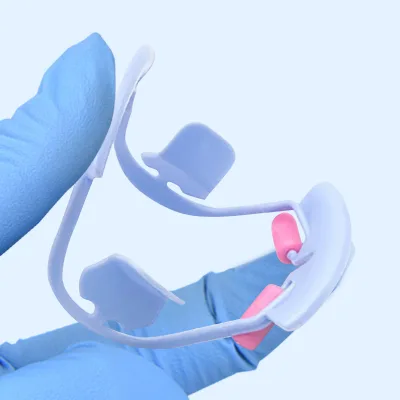
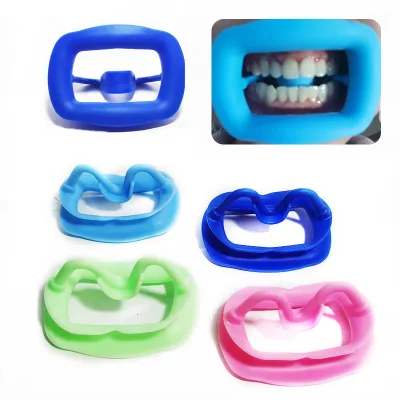
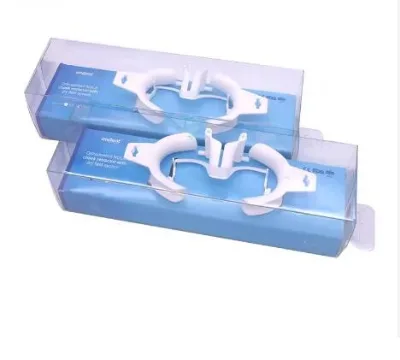
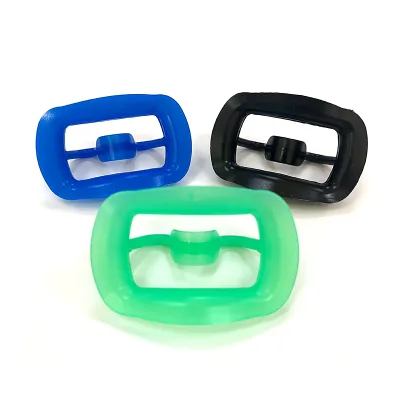
Find and compare 30 Intraoral Silicone Cheek Retractor options from Chinese manufacturers. Evaluate materials like PVC and silicone, check CE certifications, and review MOQs ranging from 50 to 1000 pieces for dental preventive health care and orthodontic applications.
Key considerations
Products List
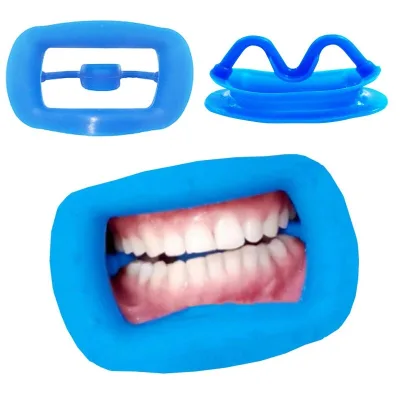
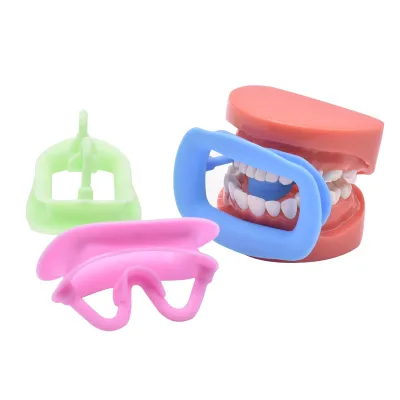


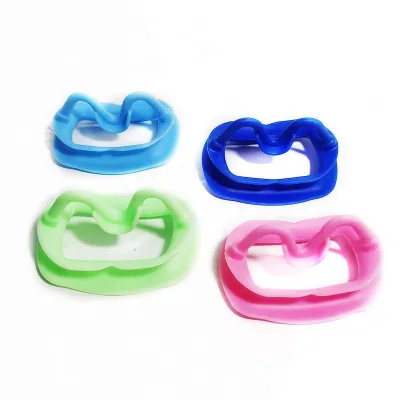


Medical Practical Premium Silicone Orthodontic O Type Dental Cheek Retractor
$0.70 - $1.00
MOQ: 100 Pieces


Silicone Dental Cheek Retractor Blue Cheek Retractor Dental Mouth Opener
$0.60 - $0.80
MOQ: 500 Pieces

Dental Silicone Rubber Cheek Retractor/Dental Cheek Retractor for Teeth Whitening
$0.60 - $1.50
MOQ: 500 Pieces

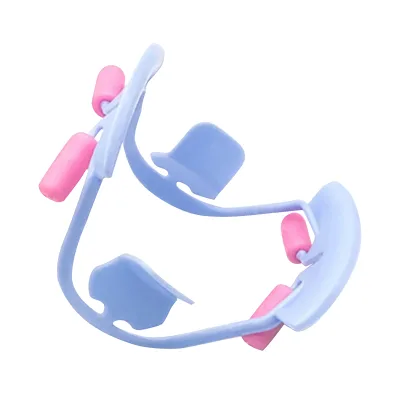
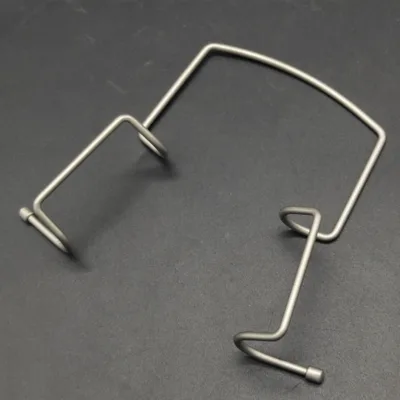


Comprehensive Sourcing Guide
Intraoral Silicone Cheek Retractor Sourcing Guide
Product Scope and Observed Listing Signals
The Intraoral Silicone Cheek Retractor market presents a diverse array of products that vary significantly in material composition, intended usage frequency, and structural design. Buyers must carefully distinguish between disposable and non-disposable variants, as this distinction fundamentally alters the procurement strategy and total cost of ownership. Observed listings indicate a wide spectrum of product types, ranging from single-use items designed for high-volume dental preventive care to durable, specialized instrument equipment intended for repeated sterilization in oral surgery or orthodontic settings. The material base is equally varied, with suppliers offering options constructed from plastic, silicone, or PVC, each presenting different tactile properties and chemical resistance profiles.
Market signals reveal a broad pricing landscape, with observed unit costs ranging from approximately $0.13 to $15.27 USD, reflecting the disparity between low-cost disposable tools and premium reusable systems. Minimum order quantities (MOQs) also fluctuate widely, starting as low as 50 pieces for specialized or custom orders and extending up to 1,000 pieces for standard bulk procurement. This variability suggests that buyers should not assume a one-size-fits-all approach to inventory management. Instead, procurement teams must align their order volumes with their specific clinical throughput, ensuring that they do not overstock perishable items or under-order critical reusable components that require longer lead times.
Technical Specifications to Verify
Verifying the physical and functional specifications of cheek retractors is critical to ensuring compatibility with clinical workflows and patient comfort. Buyers should prioritize the verification of material safety and durability, particularly when selecting between silicone, plastic, and PVC options. Silicone-based retractors are often preferred for their flexibility and biocompatibility, while PVC or plastic variants may offer greater rigidity for specific orthodontic procedures. It is essential to confirm whether the product is classified as a Class I medical instrument and to check for specific designations such as "C Type" or other model-specific identifiers that dictate the retractor’s shape and retention mechanism.
Packaging and dimensional specifications also play a pivotal role in logistics and storage efficiency. Listings indicate that single package sizes can vary significantly, with some items packaged in compact bags containing 20 pieces, while others are shipped in large cartons weighing up to 12 kilograms. Buyers must verify the single gross weight and package dimensions to calculate accurate freight costs and warehouse space requirements. Additionally, the availability of customization options, such as OEM branding or custom packaging, should be confirmed early in the sourcing process to ensure that the final product aligns with the clinic’s branding standards and operational labeling requirements.
Compliance and Safety Documentation
Compliance with international safety and quality standards is non-negotiable for medical devices used in intraoral procedures. Buyers must insist on robust certification documentation, with CE marking being a common baseline requirement observed in the market. However, reliance on CE alone is insufficient; procurement teams should verify whether the supplier also holds ISO 13485 certification, which demonstrates adherence to quality management systems specific to medical devices. The presence of RoHS certification may also be relevant for products containing electronic components or specific material compositions, ensuring that hazardous substances are minimized in the manufacturing process.
Beyond certifications, buyers must scrutinize the stated shelf life and warranty terms to mitigate the risk of procuring outdated or defective inventory. Observed data suggests a shelf life of one year for certain silicone-based products, which necessitates strict inventory rotation practices to prevent material degradation. Warranty periods, often cited as one year for reusable equipment, provide a layer of protection against manufacturing defects. Buyers should ensure that these warranties are clearly defined in the contract and that the supplier provides accessible online technical support to address any post-purchase issues or usage questions that may arise during clinical implementation.
Cost Drivers and Commercial Terms
Understanding the factors that influence the final cost of intraoral cheek retractors allows buyers to negotiate more effectively and forecast budgets accurately. The primary cost drivers include the material grade, the complexity of the molding process, and the volume of the order. High-quality silicone formulations typically command a higher price point than standard plastic or PVC alternatives due to superior durability and patient comfort. Additionally, products that offer customization, such as specific colors or branded packaging, may incur additional setup fees or higher per-unit costs, which should be factored into the total procurement budget.
Commercial terms, including payment structures and shipping methods, significantly impact the overall financial commitment. Buyers should clarify whether the quoted prices are based on EXW, FOB, or CIF terms, as this determines who bears the risk and cost of transportation. Given that some suppliers offer shipping by sea, lead times can be extended, which may affect cash flow and inventory planning. It is also crucial to confirm the selling unit structure, whether it is sold as a single item or in bulk cartons, to avoid unexpected costs associated with partial container loads or fragmented shipments.
Supplier Qualification and Quality Control
Selecting a reliable supplier requires a thorough evaluation of their manufacturing capabilities and quality control processes. Buyers should verify the supplier’s place of origin, as production hubs in regions like Hebei, Jiangsu, and Hubei in China may have different industrial ecosystems and regulatory oversight. It is advisable to request evidence of the supplier’s production capacity and their ability to meet specific MOQs without compromising quality. For suppliers offering OEM services, buyers should assess their flexibility in handling custom orders and their track record in maintaining consistency across different production batches.
Quality control measures should be explicitly defined in the procurement agreement. Buyers should inquire about the supplier’s internal testing protocols for material integrity, dimensional accuracy, and surface finish. For reusable retractors, verification of sterilization compatibility is essential to ensure that the material can withstand repeated autoclaving or chemical disinfection without degrading. Additionally, buyers should confirm the supplier’s after-sales service capabilities, including their responsiveness to technical support requests and their policy for handling defective products or warranty claims.
Long-Term Procurement Checks
Establishing a long-term procurement strategy for intraoral cheek retractors involves continuous monitoring of product performance and supplier reliability. Buyers should implement a feedback loop with clinical staff to gather insights on the usability, comfort, and durability of the retractors in real-world scenarios. This feedback can inform future purchasing decisions, such as switching between disposable and reusable models or adjusting the mix of materials based on patient tolerance and procedural requirements. Regular audits of supplier performance, including delivery times and product consistency, help maintain a stable supply chain and reduce the risk of disruptions.
Furthermore, buyers should stay informed about evolving industry standards and regulatory changes that may impact the procurement of medical devices. As regulations tighten, suppliers may need to update their certifications or modify their product designs to remain compliant. Proactively engaging with suppliers to discuss these changes ensures that the procurement team remains aligned with current best practices and legal requirements. By maintaining a dynamic and informed approach to sourcing, buyers can optimize their inventory levels, reduce costs, and ensure the highest standards of patient care.
FAQs
What certifications do the cheek retractors hold?
The products hold CE certification and comply with ISO13485 safety standards. Some listings also mention RoHS compliance. These certifications ensure the medical devices meet international quality and safety requirements for dental applications.
Which materials are used for the intraoral retractor?
Manufacturers use plastic, silicone, and PVC materials for these devices. Specific items feature 100% food-grade silicone or transparent blue coloring. The material choice ensures safety and durability for dental preventive health care procedures.
Can I order custom packaging for these dental instruments?
Yes, OEM and custom packaging are available for these orthodontic materials. Buyers can request specific carton packing or single item units. This customization option allows for tailored branding and logistics solutions for dental departments.
What is the minimum order quantity for these retractors?
The minimum order quantity varies between 50 and 1000 pieces depending on the specific model. Some listings specify 450 or 600 pieces as the baseline requirement. Buyers should verify the exact MOQ for their selected product model.
How long is the shelf life of the silicone retractor?
The shelf life is typically one year from the date of manufacture. This duration applies to the high-quality standard products listed. Proper storage is required to maintain the integrity of the plastic and silicone materials during this period.
Where are these dental instruments manufactured?
Products originate from various locations in China including Hebei, Jiangsu, and Hubei provinces. The specific place of origin depends on the manufacturer and model number. Buyers can select suppliers based on their preferred regional sourcing strategy.
Are these cheek retractors disposable or reusable?
Usage times vary as some products are designed for single use while others are non-disposable. The specific nature depends on the model and material composition. Buyers must check the product details to determine if the item is disposable or reusable.