Source Teeth Bleaching Strips for Clinics, Hotels, and Apartments
Source 30 Teeth Bleaching Strips from verified manufacturers in China. Compare OEM options, CE-certified models, and sensitive skin formulas. Evaluate pricing, MOQs, and shipping methods to find the right supply chain partner for your business needs; compare the available evidence and request quotations based on your requirements.
Key considerations
Products List


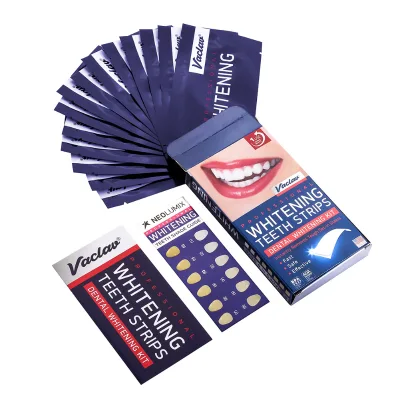


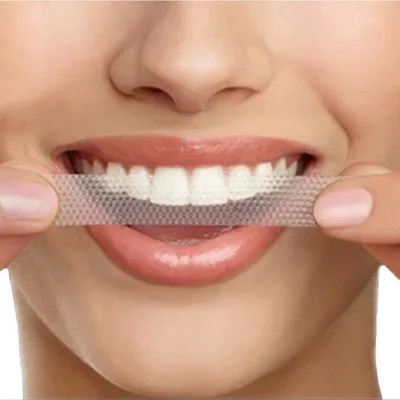
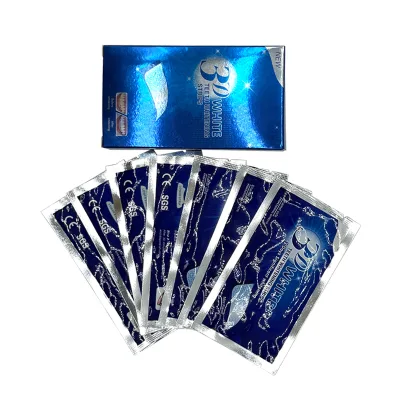
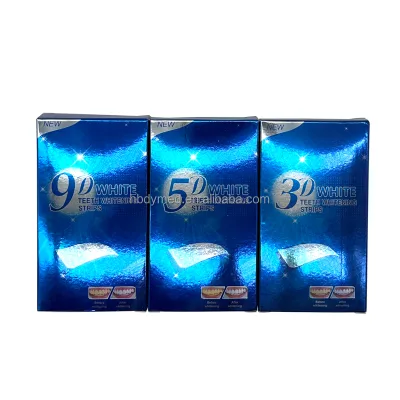
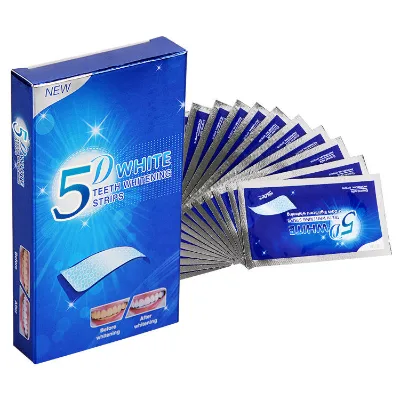
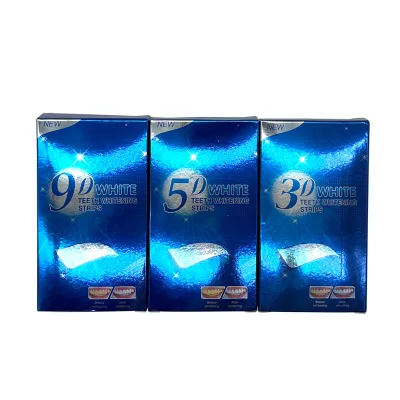
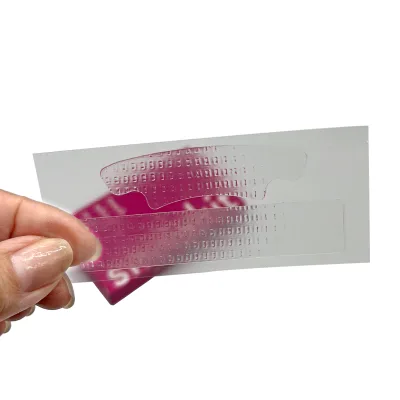
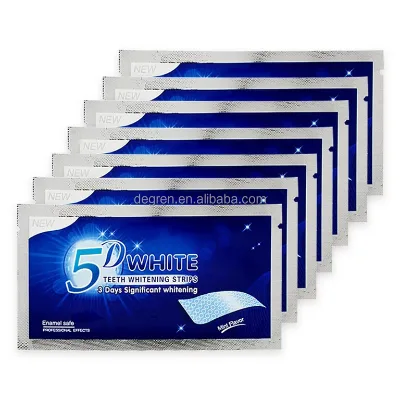
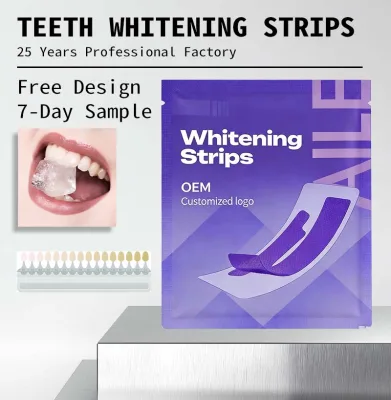
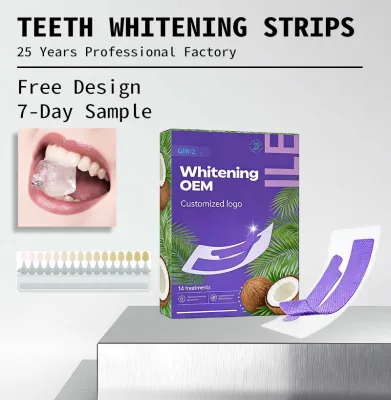
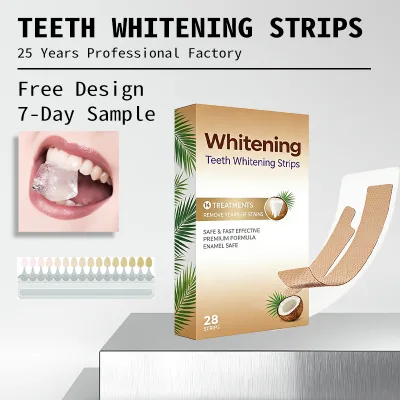

14 Pairs 5D Bright White Whitening Strips Kit Bleach Sensitive Tooth Strips
$0.54 - $0.60
MOQ: 1650 Pieces
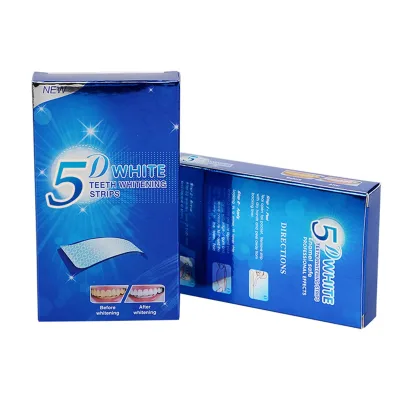

Private Label Residue -Free Dental Strips Organic Teeth Whitening Strips
$4.78 - $4.80
MOQ: 10000 Bags

Non-Peroxide Mint Flavor Sensitive Teeth Whitening Strips Whitening Wet Strips
$3.63 - $3.65
MOQ: 10000 Bags


Teeth Whitening Kit Professional / Teeth Whitening Strips with Trays&Light
$2.50 - $2.70
MOQ: 10000 Box


Comprehensive Sourcing Guide
Teeth Bleaching Strips Sourcing Guide
Procurement of teeth whitening strips requires careful evaluation of the active ingredient concentration and the specific gel formulation used in the product. The observed market data indicates a prevalence of products utilizing Papain-based gels, which are often marketed for their ability to break down surface stains without excessive abrasion. Buyers must verify the exact percentage of the active agent, as listings show variations ranging from standard concentrations to specific 12% formulations. This distinction is critical because the concentration directly impacts the efficacy of the whitening process and the potential for user sensitivity, necessitating a clear definition of the desired chemical profile before engaging with suppliers.
The physical characteristics of the strips, including their dimensions and material composition, are equally vital for ensuring a proper fit and user experience. Available listings describe specific size metrics such as 18.5cm by 2cm, alongside alternative dimensions like 18cm by 2cm, which dictate how the product adheres to different dental arches. Furthermore, the material is identified as either a specialized gel or fabric-based substrate, influencing the flexibility and comfort of the strip during application. Sourcing teams should prioritize suppliers who can provide samples that match these precise physical specifications to ensure the final product meets the ergonomic expectations of the target consumer demographic.
Product Scope and Observed Listing Signals
The product scope for teeth whitening strips in the current market encompasses a variety of packaging configurations and usage models tailored to different commercial needs. Listings reveal diverse packaging options, ranging from single kits containing seven pairs of strips to bulk boxes holding fourteen pieces, with some suppliers offering refill kits specifically designed for repeat customers. The observed data also highlights the availability of OEM services, allowing buyers to customize branding and packaging to align with their specific market positioning. This flexibility is essential for businesses looking to differentiate their offerings in a competitive landscape where private labeling is a common strategy.
Market signals indicate a strong focus on specific product features such as non-sensitivity claims and convenience, which are key selling points for end-users. While some listings explicitly state the product is non-sensitive, others emphasize the convenience of the application process, suggesting that buyers must carefully cross-reference these claims with actual product testing. The presence of both adult and unisex targeting in the product attributes suggests a broad market appeal, yet the specific application of the strips, whether for home use or clinical settings, must be clearly defined. Procurement teams should scrutinize these feature claims to ensure they align with the intended use case and regulatory requirements of the destination market.
Technical Specifications to Verify
Verification of technical specifications is paramount when sourcing teeth whitening strips, particularly regarding the shelf life and storage stability of the gel. The observed data points to a shelf life of approximately two years, though some listings suggest a range of 12 to 24 months, indicating potential variability in formulation stability. Buyers must confirm the exact expiration timeline and storage conditions required to maintain the efficacy of the active ingredients, as degradation can significantly reduce the whitening performance. Ensuring that the product maintains its chemical integrity throughout the supply chain is a critical step in mitigating the risk of customer dissatisfaction and product failure.
The physical dimensions and weight of the packaging are also critical technical parameters that affect logistics and retail presentation. Specific model numbers such as SHJOLLYDP003 and SHWS are associated with distinct size profiles, including single package sizes that can vary significantly in volume and weight. For instance, some units are listed with a gross weight of 0.032 kg, while others have larger single package dimensions that impact shipping costs and storage requirements. Procurement specialists should validate these specifications against their logistical constraints to optimize freight costs and ensure that the product fits within standard retail shelving or e-commerce packaging requirements.
Compliance and Safety Documentation
Navigating the compliance landscape for teeth whitening strips requires a thorough review of the safety documentation provided by potential suppliers. The observed market data includes certifications such as CE and MSDS, which are essential indicators of product safety and regulatory adherence in various international markets. Buyers must verify that these certifications are current and applicable to the specific product model being sourced, as the presence of a certificate does not guarantee that every batch meets the same safety standards. It is crucial to request the full documentation package to ensure that the product has undergone the necessary testing for chemical safety and biocompatibility.
In addition to general certifications, the specific application of the product in different environments, such as clinics or hotels, may require additional compliance measures. The data suggests that these strips are suitable for commercial use in apartments, hotels, and clinics, implying a need for robust safety data that supports professional application. Buyers should ensure that the supplier can provide evidence of compliance with local regulations regarding cosmetic and dental products in the target region. This due diligence helps prevent legal liabilities and ensures that the product can be legally marketed and sold without interruption in the intended market.
Cost Drivers and Commercial Terms
The cost structure for teeth whitening strips is heavily influenced by the minimum order quantity (MOQ) and the level of customization required. Observed MOQs vary widely, ranging from as low as 1 unit to as high as 10,000 pieces, depending on the supplier and the specific product configuration. High-volume orders often benefit from economies of scale, but the requirement for OEM services, such as logo printing and custom packaging, can introduce additional costs. Buyers must carefully balance their volume needs with their budget constraints to determine the most cost-effective order size that aligns with their sales projections.
Commercial terms, including payment methods and shipping logistics, play a significant role in the overall cost of procurement. The data indicates that transactions are typically conducted via TT (Telegraphic Transfer), and shipping options include both sea and air freight, each with distinct cost and time implications. Sea freight is generally more economical for large volumes but involves longer lead times, while air freight offers speed at a higher cost. Procurement teams should negotiate clear terms regarding Incoterms and payment schedules to manage cash flow effectively and ensure that the total landed cost remains within the projected budget.
Supplier Qualification and Quality Control
Qualifying a supplier for teeth whitening strips involves a rigorous assessment of their manufacturing capabilities and quality control processes. The observed data highlights that many suppliers are located in Guangdong, China, a region known for its manufacturing expertise, but this does not automatically guarantee consistent quality. Buyers should verify the supplier's production capacity, their ability to maintain consistent gel formulations, and their track record for meeting delivery schedules. Establishing a clear communication channel for quality assurance is essential to ensure that the product specifications remain consistent across all production batches.
Quality control measures must be explicitly defined and agreed upon before production begins to mitigate the risk of defects. Given the sensitive nature of dental products, it is critical to implement strict inspection protocols that cover both the chemical composition of the gel and the physical integrity of the strips. Buyers should request pre-shipment samples and conduct independent testing to verify that the product meets the specified standards for whitening efficacy and safety. A robust quality control framework ensures that the final product delivered to the market is safe, effective, and consistent with the brand's reputation.
Long-Term Procurement Checks
Establishing a long-term procurement strategy for teeth whitening strips requires ongoing monitoring of supplier performance and market trends. The dynamic nature of the cosmetic and dental industry means that product formulations and regulatory requirements can change rapidly, necessitating regular reviews of the supply chain. Buyers should maintain open lines of communication with suppliers to stay informed about any updates to product specifications or compliance standards. This proactive approach helps in adapting to market changes and ensures that the supply chain remains resilient and responsive to evolving consumer demands.
Continuous evaluation of product performance and customer feedback is essential for maintaining the quality and reputation of the sourced items. As the product is used by consumers, any issues related to sensitivity or efficacy must be addressed promptly through collaboration with the supplier. Buyers should establish a feedback loop that allows for the collection and analysis of customer data, which can inform future purchasing decisions and product improvements. By prioritizing long-term relationships and continuous improvement, procurement teams can secure a reliable supply of high-quality teeth whitening strips that meet the needs of their customers.
FAQs
How long do teeth whitening strips last before expiring?
Shelf life for Teeth Bleaching Strips is typically two years when stored properly, though some listings state twelve to twenty-four months. Keep strips sealed in their original box, away from heat and humidity, and check the printed date before use. Once a foil pouch is opened, apply the strip promptly and discard any unused portions.
What is the minimum order quantity for teeth whitening strips?
Minimum order quantities vary by listing and product model. Observed values range from single-piece samples up to ten thousand pieces, while kit-style products may start at five hundred kits. Buyers should confirm the exact MOQ per model before ordering, since trial quantities and bulk commercial quantities are often priced and packaged differently.
Which packaging options are available for teeth whitening strips?
Common packaging includes fourteen pieces per box with one hundred boxes per carton, or seven and fourteen pairs per box for pair-style strips, plus refill kit boxes. Single-item selling units with logo printing are also offered. Confirm carton dimensions and gross weight with the supplier, since these affect sea and air freight costs.
Can sensitive teeth users safely apply these whitening strips?
Many listed strips are formulated for sensitive teeth and marketed as non-sensitive, using gel or PAP-based formulas instead of harsher agents. Adults of any gender can typically use them as disposable, short-course treatments. Users with active dental problems should consult a dentist first, and a patch test on one tooth area is a sensible precaution.
What active ingredients are used in Teeth Bleaching Strips?
Listed products commonly use gel formulas, with some kits specifying twelve percent PAP as the active ingredient, while others describe standard formulations. PAP-based strips oxidize stains without peroxide-related sensitivity, which suits sensitive users. Always request the full ingredient list and material safety documentation from the supplier before commercial use.
How many times can one teeth whitening strip kit be used?
Usage depends on the product format. Individual strips are disposable single-use items, while refill kits may support six to eight applications. Box counts of seven or fourteen pairs indicate the number of treatment sessions included. Match the usage count to your customer's expected course length, typically one to two weeks of daily applications.
Can I order teeth whitening strips with my own brand logo?
Yes, OEM customization is available and logo printing is offered on several listings, with suppliers welcoming custom brand requirements. You can usually customize packaging, box design, and formula presentation subject to minimum order quantities. Provide artwork files early and confirm proof approval, production lead time, and any extra tooling charges before confirming the order.
Which certifications should teeth bleaching strip suppliers provide?
Observed listings reference CE certification and MSDS documentation, which are useful baselines for commercial buyers. CE indicates conformity for relevant markets, while MSDS covers the gel formulation's safety data. Request copies of current certificates matched to the exact model number, and verify scope and validity, since certification requirements differ between destination markets.