Find IP54 Industrial Online UPS for Manufacturing, Mining, and Data Centers
Explore 30 verified listings for IP54 Industrial Online UPS designed for harsh environments. Buyers can compare technical specs, output capacities, and warranty terms from suppliers in China to match specific industrial needs.
Key considerations
Products List


100kVA (3: 3) Industrial-Grade Online Low Frequency UPS for Industry
$2888.00 - $6480.00
MOQ: 1 Pieces

Online UPS Power Supply Modular UPS 380VAC/400VAC/415VAC 200 kVA Scalability
$980.00 - $2080.00
MOQ: 1 Pieces


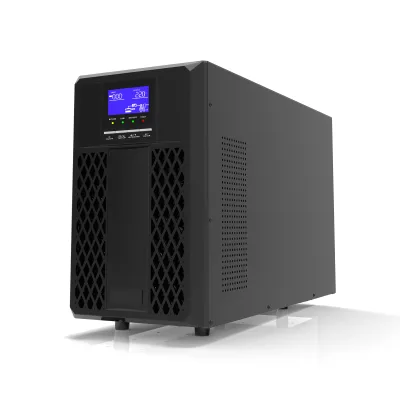
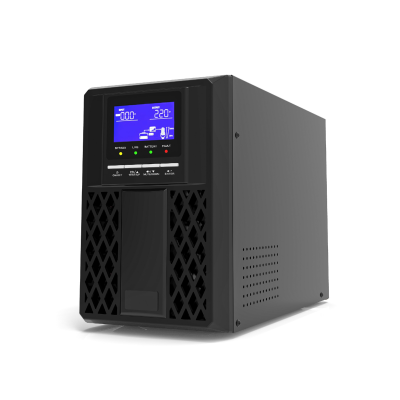


40kw 80kw 160kw 200kw 240kw Industrial UPS System Low Frequency 3 Phase Online UPS
$4059.00 - $6147.00
MOQ: 1 Pieces


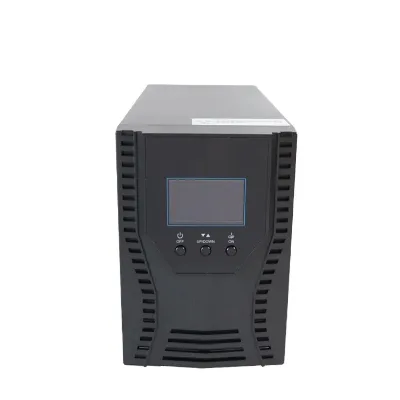
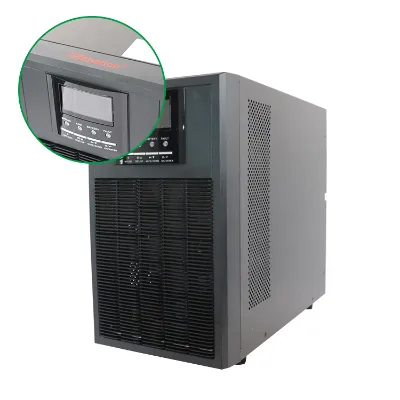

Comprehensive Sourcing Guide
Strategic Sourcing Guide for IP54 Industrial Online UPS Systems
Understanding the Core Requirements for Industrial Online UPS
When sourcing an IP54 industrial online Uninterruptible Power Supply (UPS), buyers must first distinguish between general commercial units and those engineered for harsh environments. The core keyword "IP54" indicates a specific level of ingress protection, meaning the enclosure is dust-protected and resistant to water jets from any direction. This is critical for industrial settings where dust, moisture, or chemical splashes are common. The provided product data confirms the existence of "On-line" type UPS systems with "Three Phase" and "Single Phase" configurations, serving applications ranging from "Industry" to "Fire Safety" and "Communication."
The distinction between "Centralized Model" and "Decentralized" equipment modes found in the supply data suggests that buyers must evaluate their facility layout. A centralized model might be suitable for a main power room, while a decentralized approach could be necessary for distributing power to specific machinery on the factory floor. Furthermore, the data highlights "Large Type" output capacities, indicating that these systems are designed for heavy-duty loads rather than small office setups. Buyers should verify if the specific unit they are evaluating meets the IP54 rating, as the provided list includes various models like "GT60K," "LDY16 Serise," and "DPH33 40K," but does not explicitly assign the IP54 rating to every single entry. Therefore, the IP54 specification must be treated as a specific requirement to be confirmed with the supplier for the exact model number selected.
Technical Specifications and Performance Metrics
Evaluating the technical performance of an industrial online UPS requires a deep dive into efficiency, waveform quality, and battery management. The supplied facts indicate that "Sine Wave Output UPS" is a standard feature, which is essential for sensitive industrial equipment. A pure sine wave ensures that motors and drives operate without overheating or generating excessive noise. The data specifies a "Transfer Time" of "0 Ms," which is a critical metric for online double-conversion UPS systems. This zero-transfer time ensures that the load is never interrupted, even during a grid failure, as the inverter is always active.
Efficiency is another paramount concern. The observed data lists an "Efficiency" of "91%," which is a solid baseline for industrial units, though buyers should verify if higher efficiency models are available for large-scale deployments to reduce operational costs. The "Power Factor" varies in the data, with entries showing "0.9" and "0.8." A higher power factor (0.9) generally indicates better utilization of the electrical supply and reduced strain on the grid. Buyers must ensure the selected unit matches the load requirements of their specific application. For instance, a "Crest Factor" of "3:1" is noted, which defines the unit's ability to handle peak loads, such as those generated by motor startups.
Battery configuration is also a key differentiator. The data mentions a "Battery Number" range of "16-20 Pieces," suggesting that the internal battery bank can be configured based on the desired "Standby Time." While the "Standby Time" is described as "Standard Machine" in the general attributes, the actual duration will depend on the specific battery count and load percentage. The "Frequency Range" is listed as "46-54Hz or 56-64Hz," offering flexibility for generators or unstable grid sources. However, for an IP54 rated unit, the operating temperature range is equally vital. The data cites an "Operation Temperature" of "0-40c" and a "Storage Temperature" of "-25~70c." Buyers must ensure their facility's ambient conditions fall within these limits, as the IP54 rating protects against external elements but does not necessarily extend the thermal operating range beyond the manufacturer's design.
Compliance, Certification, and Environmental Standards
In the industrial sector, compliance is not merely a formality but a prerequisite for safety and insurance. The supplied product information explicitly lists "CE" and "ISO9001" certifications. The CE mark indicates conformity with health, safety, and environmental protection standards for products sold within the European Economic Area, while ISO9001 certifies that the manufacturer has a quality management system in place. Additionally, the data references "CE & ISO Certificate" as a standard for certain models, reinforcing the importance of verifying these documents for every procurement batch.
Beyond these general certifications, buyers must specifically verify the IP rating. The "IP Class" is mentioned as "IP20" in the provided data for certain models. It is crucial to understand that IP20 offers protection against solid objects larger than 12.5mm but offers no protection against water. This is distinct from the "IP54" requirement in the core keyword. If a buyer requires an IP54 unit, they must confirm that the specific model (e.g., "LS33," "MS Module," or "Modular Star Series") has been engineered with the necessary sealing. The data does not confirm an IP54 rating for all listed models, so the buyer must request specific test reports or certification documents proving the ingress protection level for the intended application.
Dimensional standards are also provided, such as "81.530100cm" and "975554286," which are likely in millimeters. These dimensions are essential for planning the physical installation, especially in tight industrial spaces. The "Standard Export Package" and "Wooden Box" options mentioned in the data are standard for international shipping, but buyers should ensure that the packaging is robust enough to protect the unit during transit, particularly if the destination involves rough handling. The "Origin" is listed as "China" with specific mentions of "Guangzhou," which is a major manufacturing hub. While this provides a location context, buyers should not assume all units from this region meet the same quality standards without independent verification.
Cost Drivers and Procurement Economics
The cost of an industrial online UPS is influenced by several factors, including capacity, phase, and specific environmental ratings. The observed price range in the data spans from "1" to "35000" USD, reflecting the vast difference between small single-phase units and large three-phase industrial systems. The "Power Factor" and "Efficiency" ratings directly impact the long-term cost of ownership. A unit with a 0.9 power factor and 91% efficiency may have a higher upfront cost but will save significantly on electricity bills over its lifespan compared to a less efficient model.
The "MOQ" (Minimum Order Quantity) range of "1-30" suggests flexibility for buyers. Some suppliers may accept single-unit orders, which is beneficial for pilot projects or small-scale upgrades. The "Small Orders: Accepted" attribute confirms that buyers do not necessarily need to commit to bulk purchases to secure a unit. However, for larger projects involving "Modular Star Series 10-200Kva" or "MS Module 10-500kva," the economics of scale may come into play. The "Customization: Available" attribute is a significant cost driver. Customizing a unit for specific IP ratings, voltage requirements, or battery configurations will likely increase the unit price and potentially the lead time.
The "Warranty" period of "2 Years" is a standard offering in the data. Buyers should consider the total cost of ownership, which includes the warranty, potential maintenance contracts, and the cost of battery replacements. Batteries are consumable items and typically require replacement every 3-5 years. The "Battery Number" of 16-20 pieces implies a substantial replacement cost. Additionally, the "After-Sale Service" is listed as "Online Technical Support." For critical industrial applications, buyers should evaluate if online support is sufficient or if on-site service is required, which could be an additional cost factor. The "Sample: Support" attribute allows buyers to test a unit before a full commitment, which can mitigate the risk of purchasing an unsuitable product.
Typical Applications and Operational Environments
The versatility of industrial online UPS systems is evident in the diverse applications listed in the data, including "Industry," "Communication," and "Fire Safety." In industrial settings, these units protect sensitive machinery, PLCs, and robotics from power fluctuations. The "Three Phase" configuration is ideal for heavy industrial loads, while "Single Phase" units might be used for smaller control panels or fire safety systems. The "Decentralized" equipment mode is particularly relevant for large factories where power needs to be distributed to various zones to minimize the impact of a single point of failure.
The "IP54" rating is specifically suited for environments where dust and water are present. This could include manufacturing floors, outdoor equipment shelters, or areas near washing stations. The "Fire Safety" application suggests that these UPS systems are often used to power emergency lighting, alarms, and control systems during a fire event. In such scenarios, the reliability of the "0 Ms" transfer time is non-negotiable. The "Large Type" output capacity indicates that these systems are designed for high-load scenarios, ensuring that critical infrastructure remains operational even during extended grid outages.
The "Operation Temperature" of 0-40c and "Storage Temperature" of -25~70c define the environmental boundaries. If a facility operates in extreme cold or heat, the buyer must ensure the UPS is installed in a climate-controlled environment or select a unit with a wider temperature range. The "Standard Machine" standby time implies that the unit is designed for typical grid outages, but for facilities with long backup requirements, the battery configuration must be customized. The "Crest Factor" of 3:1 is crucial for applications with high inrush currents, such as motor-driven equipment, ensuring the UPS can handle the initial surge without tripping.
Supplier Evaluation and Quality Assurance
Evaluating a supplier for industrial online UPS systems requires a rigorous approach to quality assurance. The "Certification" of CE and ISO9001 is a baseline requirement, but buyers should go further by requesting third-party test reports for the IP rating and efficiency claims. The "Origin" being "China Mainland" or specifically "Guangzhou" is a common source for these products, but the quality can vary significantly between manufacturers. Buyers should verify the "Brand Name," such as "Prostar," and check their track record in the industrial sector.
The "Customization: Available" and "Small Orders: Accepted" attributes indicate a flexible supplier, but flexibility should not come at the expense of quality. Buyers must assess the supplier's ability to provide "Online Technical Support" and whether they offer on-site installation services. The "Warranty" of 2 years is standard, but the terms of the warranty, such as whether it covers labor and battery replacement, should be clearly defined. The "Standard Export Package" and "Wooden Box" options suggest that the supplier is experienced in international shipping, but buyers should verify the packaging standards to ensure the unit arrives undamaged.
Quality control should also extend to the "prod_packing" and "prod_standard" dimensions. The data lists specific dimensions like "6009001600" and "975554286," which must match the physical space available in the facility. Buyers should request a detailed technical drawing or 3D model to verify fitment. The "Frequency Range" of 46-54Hz or 56-64Hz should be tested to ensure compatibility with the local grid or generator systems. Finally, the "Sample: Support" feature allows buyers to physically inspect a unit before committing to a large order, providing a tangible way to verify the build quality and IP rating.
Long-Term Procurement and Lifecycle Management
Sourcing an industrial online UPS is a long-term investment that requires careful planning for maintenance and lifecycle management. The "Battery Number" of 16-20 pieces indicates a significant battery bank that will require periodic replacement. Buyers should factor in the cost of batteries and the labor for replacement when calculating the total cost of ownership. The "Standby Time" of "Standard Machine" may need to be extended for critical applications, which would require additional battery modules.
The "After-Sale Service" of "Online Technical Support" is a good starting point, but for critical industrial applications, a more robust support plan may be necessary. Buyers should consider negotiating a service level agreement (SLA) that includes on-site response times and preventive maintenance visits. The "Warranty" of 2 years should be reviewed to ensure it covers all critical components, including the inverter and rectifier. The "Customization" option allows for future upgrades, such as adding more battery capacity or changing the phase configuration, which can extend the life of the system.
The "Efficiency" of 91% is a key metric for long-term energy savings. As energy costs rise, the difference between a 91% efficient unit and a less efficient one can be substantial. Buyers should also consider the "Power Factor" of 0.9, which reduces the strain on the electrical infrastructure and can lower demand charges. The "IP54" rating ensures that the unit can withstand the harsh industrial environment, reducing the risk of premature failure due to dust or water ingress. By carefully evaluating these factors, buyers can ensure that their investment in an industrial online UPS system provides reliable power protection for years to come.
Comparative Analysis of Key Product Attributes
To facilitate decision-making, the following table summarizes the key attributes observed in the supply data, highlighting the variations that buyers must navigate when sourcing an IP54 Industrial Online UPS.
| Attribute | Observed Range/Value | Relevance to IP54 Industrial Sourcing |
|---|---|---|
| Phase | Single Phase, Three Phase | Three Phase is typical for heavy industrial loads; Single Phase for smaller control systems. |
| Efficiency | 91% | Higher efficiency reduces operational costs; verify if higher options exist. |
| Power Factor | 0.8, 0.9 | 0.9 is preferred for better grid utilization; confirm load matching. |
| Transfer Time | 0 Ms | Critical for online double-conversion; ensures zero interruption. |
| IP Class | IP20 (Observed), IP54 (Required) | Crucial: IP20 is not IP54. Must verify specific model rating. |
| Certification | CE, ISO9001 | Baseline compliance; verify specific test reports for IP rating. |
| Battery Count | 16-20 Pieces | Determines standby time; impacts replacement cost and maintenance. |
| Warranty | 2 Years | Standard term; verify coverage details for batteries and labor. |
| Origin | China (Guangzhou) | Major manufacturing hub; verify quality control processes. |
| Application | Industry, Communication, Fire Safety | Ensures suitability for the specific operational environment. |
This table underscores the importance of verifying specific attributes against the core requirement of IP54 protection. While the data provides a rich set of specifications, the IP rating remains the primary filter for industrial applications where environmental protection is non-negotiable. Buyers must use this information to guide their inquiries and ensure that the selected unit meets all operational and safety standards.
FAQs
What is the transfer time for these industrial online UPS units?
The transfer time is 0 milliseconds for these online UPS systems. This ensures zero interruption during power failures as the inverter remains active. This feature is critical for protecting sensitive industrial machinery and communication equipment from any power disruption.
Which certifications do these industrial online UPS systems hold?
These units typically hold CE and ISO9001 certifications. These marks confirm compliance with European safety standards and a verified quality management system. Buyers must verify that the specific model selected meets these standards for their intended industrial application.
Can I order small quantities of these industrial online UPS systems?
Yes, small orders are accepted with a minimum order quantity ranging from 1 to 30 units. This flexibility allows buyers to purchase single units for pilot projects or small upgrades. Customization is also available for specific requirements without needing bulk commitments.
What is the warranty period for these industrial online UPS products?
The standard warranty period provided is 2 years for these units. This coverage typically includes technical support and component protection. Buyers should confirm if the warranty covers labor and battery replacements, as batteries are consumable items requiring periodic replacement.
How does the efficiency rating impact long-term operating costs?
The observed efficiency is 91 percent, which helps reduce electricity costs over time. Higher efficiency ratings generally indicate better utilization of electrical supply and less heat generation. Selecting a unit with a 0.9 power factor further improves grid utilization and reduces operational strain.
What is the maximum output capacity available for these industrial systems?
Available models range from 10 kVA up to 500 kVA in modular configurations. These large type systems are designed for heavy industrial loads and centralized power distribution. Buyers should select the capacity that matches their specific facility requirements and load profiles.
Which battery configurations are supported for extended standby time?
Battery configurations typically support 16 to 20 pieces depending on the model. The standby time is standard but can be adjusted by changing the battery count. This allows customization for facilities requiring longer backup durations during grid outages.