Source IP54 High Discharge Online UPS for Industry, Communication, and Data Centers
Compare 30 available units of IP54 High Discharge Online UPS designed for industrial, communication, and data center applications. Buyers can evaluate sine wave and square wave output options with protection against overvoltage and short circuits.
Key considerations
Products List


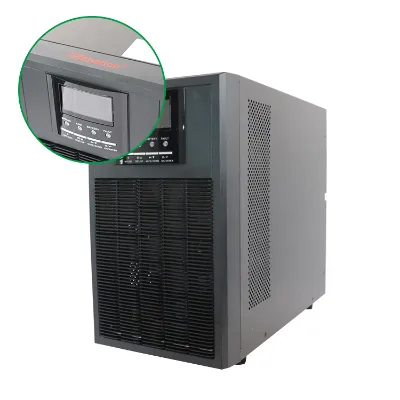
1kVA~3kVA High Frequency Online UPS, High Efficiency, LCD/LED Idsplay
$120.00 - $310.00
MOQ: 10 Pieces


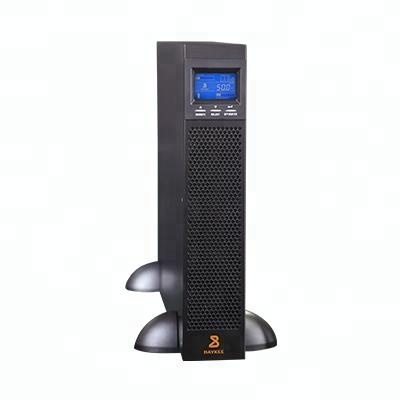
High Frequency Single Phase Iput and Output Online Double Conversion Ups
$110.00 - $210.00
MOQ: 1 pieces
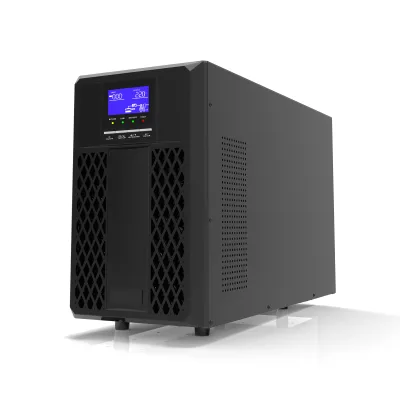
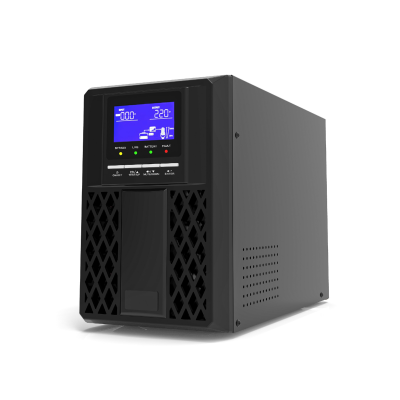


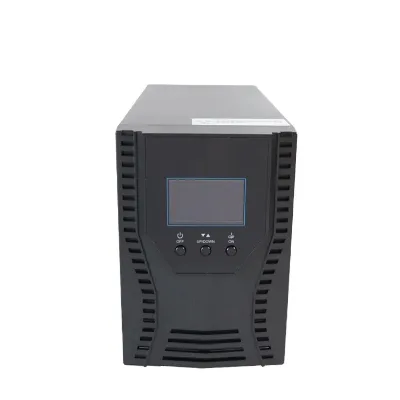
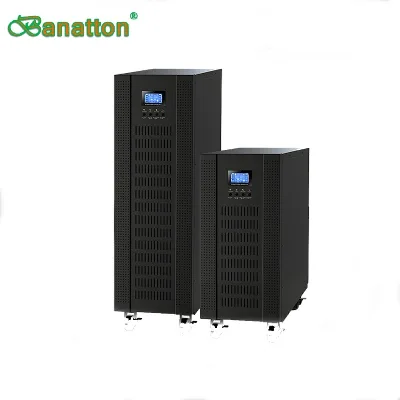
100kVA (3: 3) Industrial-Grade Online Low Frequency UPS for Industry
$2888.00 - $6480.00
MOQ: 1 Pieces

Comprehensive Sourcing Guide
Strategic Sourcing Guide for IP54 High-Discharge Online UPS Systems
Understanding the Technical Landscape of Online UPS Solutions
When sourcing an IP54 high-discharge online UPS, buyers must first distinguish between the fundamental operational architectures available in the current market. The core keyword implies a system designed for harsh environments (IP54 rating) capable of delivering sustained, high-power discharge. Based on observed market data, the online UPS category is characterized by a "Double Conversion" topology where the input AC is converted to DC and then back to AC, ensuring zero transfer time and complete isolation from grid disturbances.
The technical specifications for these units vary significantly based on the intended application scale. Observations indicate a clear segmentation into single-phase and three-phase configurations. Single-phase models are often observed with input voltages of 220V and are typically suited for smaller capacity requirements, such as the 1kVA to 10kVA range. In contrast, three-phase systems support higher power demands, with input voltages observed at 380VAC, 3-phase, catering to industrial and large-scale communication infrastructure. The discharge capability is a critical differentiator; while some units are classified as "Standard Machine" with limited standby times, others are engineered as "Long-acting Machine" solutions designed for extended high-discharge scenarios.
Furthermore, the output waveform is a vital technical consideration. The market presents both Sine Wave Output UPS and Square Wave Output UPS options. For sensitive high-discharge applications, particularly in communication and industrial sectors, a pure sine wave is generally preferred to ensure the integrity of the connected load. The physical footprint also varies, with specifications ranging from compact units measuring approximately 6.7 inches in width to large rack-mount or floor-standing models with dimensions such as 6244801100mm. Buyers must align these physical constraints with their facility's layout and cooling requirements.
Compliance and Certification Verification Protocols
In the B2B procurement of industrial power equipment, verifying compliance is not merely a formality but a critical risk mitigation strategy. The supply chain for online UPS systems often originates from manufacturing hubs in China, where a variety of certification standards are applied. When evaluating potential suppliers, buyers should look for evidence of adherence to international safety and environmental standards.
Observed product data frequently lists certifications such as CE, RoHS, SGS, and ISO. The CE mark indicates conformity with health, safety, and environmental protection standards for products sold within the European Economic Area. RoHS compliance ensures that the product does not contain specific hazardous materials, which is increasingly a requirement for global export. Additionally, ISO certifications, such as ISO9001, suggest that the manufacturer has a certified quality management system in place, though the specific scope of this certification should be verified against the product line.
It is important to note that some specifications may list physical dimensions under the "standard" field (e.g., L550mmW725mmH1220mm), which can be a data entry anomaly. Buyers must rigorously distinguish between physical dimensions and actual certification marks. When a supplier claims compliance, the buyer should request valid, up-to-date certificates from the original testing laboratories. The absence of these documents or the presence of vague claims without supporting documentation should be treated as a red flag. For high-discharge applications, ensuring that the unit meets the specific electrical safety standards of the destination country is paramount to avoid regulatory hurdles and ensure operational safety.
Cost Drivers and Pricing Structure Analysis
The pricing of IP54 high-discharge online UPS systems is influenced by a complex interplay of factors, including power capacity, waveform quality, and environmental protection ratings. The observed market data reveals a wide price range, from as low as $1 to as high as $6,480. This disparity is not indicative of product quality alone but reflects the vast differences in capacity and feature sets.
The primary cost driver is the power rating. A 1kVA unit will naturally cost significantly less than a 50kVA or 400kVA system. The "High-Discharge" aspect of the keyword suggests a need for robust internal components, such as high-capacity batteries and heavy-duty inverters, which add to the manufacturing cost. Additionally, the IP54 rating implies a higher level of enclosure engineering to protect against dust and water jets, which increases material and assembly costs compared to standard indoor units.
Other factors influencing price include the output waveform. Sine wave output units typically command a premium over square wave units due to the complexity of the inverter circuitry required. The input and output voltage configurations also play a role; three-phase systems are generally more expensive than single-phase equivalents. Buyers should also consider the "Equipment Mode," such as centralized versus decentralized models, as this affects the system architecture and potential redundancy costs.
While the observed MOQ (Minimum Order Quantity) ranges from 1 to 30 units, this does not necessarily correlate with the unit price in a linear fashion. Some suppliers offer "Small Orders: Accepted," which may facilitate the procurement of single units for testing or small-scale deployment. However, for large-scale industrial projects, negotiating volume discounts based on the total capacity required is a standard practice. Buyers should be wary of prices that seem abnormally low, as they may indicate compromised quality or the omission of necessary safety certifications.
Typical Applications and Deployment Scenarios
The versatility of online UPS systems allows them to serve a wide array of critical infrastructure needs. The observed product attributes highlight specific application domains, primarily "Communication" and "Industry." In the communication sector, these units are essential for protecting data centers, base stations, and network switching equipment from power fluctuations and outages. The "Single Phase" and "Three Phase" options allow for deployment in both small office environments and large telecommunications hubs.
For industrial applications, the "High-Discharge" capability is crucial. Industries such as manufacturing, oil and gas, and mining rely on continuous power to maintain production lines and safety systems. The "Long-acting Machine" classification suggests these units are designed to support critical loads for extended periods, often in conjunction with external battery banks. The IP54 rating makes these units particularly suitable for environments where dust, moisture, or limited ventilation are present, such as factory floors or outdoor enclosures.
The "Equipment Mode" also dictates the deployment strategy. "Centralized Model" systems are ideal for facilities that require a single point of power protection for multiple loads, offering easier maintenance and monitoring. Conversely, "Decentralized" models are better suited for distributed facilities where power protection needs to be localized to specific critical assets. The "Output Capacity" classifications—Small, Medium, and Large Type—further guide the selection process, ensuring that the UPS matches the load profile of the specific application.
Supplier Evaluation and Qualification Criteria
Selecting the right supplier for IP54 high-discharge online UPS systems requires a rigorous evaluation process that goes beyond price comparison. Buyers should prioritize suppliers who demonstrate transparency in their product specifications and manufacturing capabilities. The "Customization: Available" attribute observed in the market data indicates that many suppliers are willing to tailor units to specific client needs, such as adjusting input/output voltages or modifying the enclosure for specific IP ratings.
When evaluating a supplier, buyers should verify their production capacity and quality control processes. The presence of "Export Packing" and "Cartons" or "Wooden Case" options suggests an understanding of international logistics requirements. A supplier that offers "Carton&Pallet" packaging demonstrates readiness for bulk shipping. It is also essential to check the "Brand Name" and reputation of the manufacturer. While specific brand names like "Prostar" are observed, buyers should not rely solely on brand recognition but should assess the manufacturer's track record in delivering reliable power solutions.
The "Standby UPS" and "On-line" classifications are critical indicators of the supplier's technical focus. A supplier offering both standby and online models may have a broader product range, but buyers must ensure the specific online model meets the high-discharge requirements. Additionally, the "Noise" specification, observed at ≤52dB, is a key metric for indoor installations where acoustic comfort is a concern. Suppliers who provide detailed noise data demonstrate a commitment to comprehensive product specifications.
Quality Control and Long-Term Procurement Considerations
Ensuring the long-term reliability of an IP54 high-discharge online UPS system requires a proactive approach to quality control and maintenance planning. The "Protection" features listed, such as "Overvoltage," "Short Circuit," and "Overcurrent," are standard safety mechanisms that must be verified for functionality. Buyers should request test reports or certification documents that confirm these protection mechanisms operate within the specified parameters.
The "Weight" of the unit is another important factor for logistics and installation. Units ranging from 35kg to 400kg require different handling procedures and structural support. For heavy units, the "Size(WDH,mm)" specifications must be carefully reviewed to ensure compatibility with the installation site. The "prod_packing" details, such as "Wooden Case" or "Export Packing," are essential for protecting the unit during transit, especially for international shipments.
Long-term procurement considerations include the availability of spare parts and the manufacturer's support infrastructure. A supplier that offers "Small Orders: Accepted" may be more flexible in providing replacement components or additional units as the facility expands. Buyers should also consider the "Standby Time" classification; "Standard Machine" units may require more frequent battery replacements compared to "Long-acting Machine" units, impacting the total cost of ownership.
Finally, the "Technology" used, such as "Online Low Frequency," should be evaluated for its efficiency and suitability for the specific application. Low-frequency transformers are often more robust and reliable for heavy-duty industrial applications, while high-frequency models may offer better efficiency for lighter loads. By carefully analyzing these technical and operational factors, buyers can make informed decisions that ensure the reliability and longevity of their power protection infrastructure.
Summary of Key Product Attributes for Comparison
To facilitate a structured comparison of potential UPS solutions, the following table summarizes the key attributes observed in the market data. This table serves as a reference for buyers to align their specific requirements with available product specifications.
| Attribute Category | Observed Specifications | Relevance to Sourcing |
|---|---|---|
| Output Waveform | Sine Wave, Square Wave | Determines compatibility with sensitive loads. |
| Phase Configuration | Single Phase, Three Phase | Dictates input voltage and application scale. |
| Input Voltage | 220V, 380VAC (3-phase) | Must match local grid infrastructure. |
| Output Voltage | 220VAC (1-phase) | Must match load requirements. |
| Protection Features | Overvoltage, Short Circuit, Overcurrent | Critical for equipment safety. |
| Noise Level | ≤52dB | Important for indoor/office environments. |
| Weight | 35kg to 400kg | Impacts installation and logistics. |
| Dimensions | 6.7" width to 6244801100mm | Determines physical footprint. |
| Standby Time | Standard Machine, Long-acting Machine | Indicates battery capacity and runtime. |
| Certifications | CE, RoHS, SGS, ISO, ISO9001 | Ensures compliance and safety. |
| Packing | Wooden Case, Export Packing, Cartons | Affects shipping and handling. |
| Origin | China | Influences lead time and logistics. |
By systematically evaluating these attributes, buyers can navigate the complex landscape of IP54 high-discharge online UPS systems and select solutions that meet their specific technical, financial, and operational needs.
FAQs
What certifications do IP54 High Discharge Online UPS typically have?
These units often carry CE, RoHS, SGS, and ISO certifications. Buyers should verify specific documents like ISO9001 to ensure quality management systems are in place for the specific product line.
Can I find IP54 High Discharge Online UPS with single phase input?
Yes, single phase models are available with 220V input voltage. These are typically suited for smaller capacity requirements ranging from 1kVA to 10kVA in communication or light industrial settings.
Which output waveform is best for sensitive industrial loads?
Sine wave output is generally preferred for sensitive high-discharge applications. While square wave options exist, sine wave ensures the integrity of connected loads in communication and industrial sectors.
How much does IP54 High Discharge Online UPS cost per unit?
Prices range widely from 1 to 6480 USD depending on capacity. Higher power ratings and sine wave outputs command a premium, while basic single-phase units are more affordable.
What is the minimum order quantity for IP54 High Discharge Online UPS?
Minimum order quantities vary from 1 to 30 units across different suppliers. Some vendors accept small orders for testing, while bulk industrial projects may require negotiating volume discounts.
Can suppliers customize IP54 High Discharge Online UPS specifications?
Customization is available for many models to meet specific client needs. Buyers can request adjustments to input voltages, output capacities, or enclosure modifications for specific IP ratings.