Source IP54 Hexagonal Plastic Pendant Light for Restaurants, Cafes, and Homes
Compare 30 listings for the IP54 Hexagonal Plastic Pendant Light suitable for restaurants, cafes, and home decoration. Buyers can evaluate models like CSL001 and EN-HEX based on voltage, material, and delivery terms from suppliers in China.
Key considerations
Products List


100cm Diameter Suspended Hexagonal LED Pendant Light with Customized Design
$50.00 - $200.00
MOQ: 10 Pieces


Dimmable 60cm 2FT Diameter Hexagonal LED Pendant Light with Free Combiantion
$50.00 - $200.00
MOQ: 10 Pieces

60cm 2FT Diameter Hexagonal LED Pendant Light with Customized Design for Gym Office
$50.00 - $200.00
MOQ: 10 Pieces


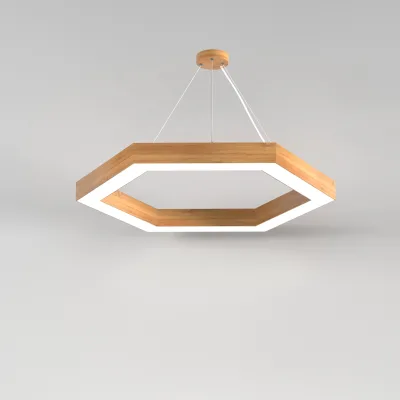
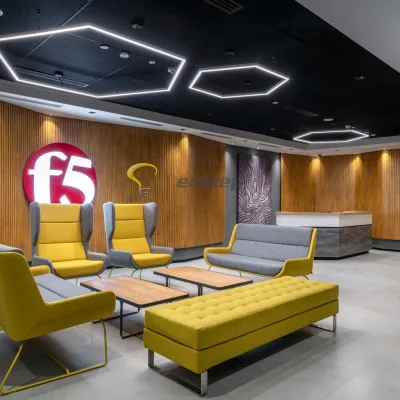


Luxury Decorative Hexagonal LED Chandelier Modern Pendant Lights for Indoor Spaces
$22.00 - $29.00
MOQ: 1 Square Meters
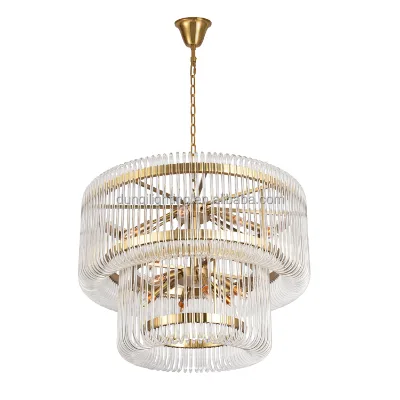


Hanging Lamp Pendant Round Pendant Light for Living Room Pendant Lighting
$200.00 - $400.00
MOQ: 1 Pieces


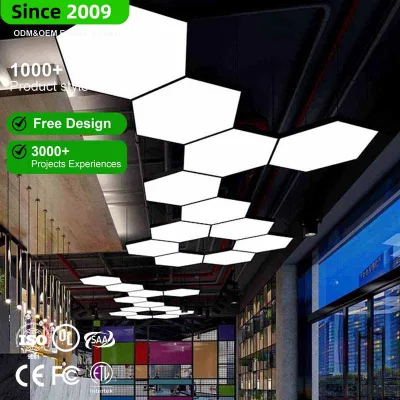


Comprehensive Sourcing Guide
IP54 Hexagonal Plastic Pendant Light Sourcing Guide
Sourcing IP54-rated hexagonal plastic pendant lights requires a careful balance between aesthetic versatility and functional durability. The hexagonal form factor offers a distinct geometric appeal that fits well in modern, industrial, or Scandinavian-inspired interiors, while the IP54 rating ensures protection against dust ingress and water splashes from any direction. This combination makes the fixture suitable for environments where moisture or dust might be present, such as kitchens, bathrooms, or covered outdoor areas, provided the installation conditions align with the product’s specific design limits. Buyers must recognize that "plastic" in this context often refers to high-grade polymers like ABS or polycarbonate, which offer impact resistance and design flexibility but require verification regarding UV stability and heat dissipation capabilities.
The procurement process for these fixtures involves navigating a wide array of supplier claims and technical variations. While the core keyword suggests a specific style and rating, the actual market listings reveal significant diversity in materials, light sources, and certifications. Buyers should approach this category with a disciplined verification mindset, treating observed attributes as starting points for due diligence rather than guaranteed specifications. The goal is to identify suppliers who can consistently deliver products that meet the IP54 standard without compromising the aesthetic integrity of the hexagonal design or the safety of the electrical components.
Product Scope and Observed Listing Signals
The current market landscape for hexagonal pendant lights shows a broad spectrum of product configurations, ranging from simple decorative fixtures to more complex, integrated lighting solutions. Observed listings indicate that suppliers offer a variety of color options, including white, black, red, green, blue, and purple, allowing for significant customization to match interior design schemes. Some products are listed as "without light source," requiring the buyer to source compatible bulbs separately, while others come as complete kits including lampholders, cables, and ceiling roses. This variation necessitates clear communication with suppliers to ensure the delivered product matches the intended installation requirements, particularly regarding the inclusion of electrical components and the type of light source provided.
Delivery terms and minimum order quantities (MOQs) vary significantly across suppliers, reflecting differences in production capacity and business models. Lead times are commonly cited as thirty days for larger volumes, such as orders of 100,000 pieces, but may differ for smaller batches. MOQs can range from as low as one piece for sample orders to 3,000 pieces for bulk production, indicating that suppliers cater to both small-scale retailers and large-scale distributors. Buyers should be aware that these figures are observed signals and not universal standards; therefore, it is crucial to confirm specific terms for each order, including packaging methods, which can range from individual packages to general carton packing, depending on the supplier’s logistics capabilities.
Technical Specifications to Verify
When evaluating hexagonal plastic pendant lights, the IP54 rating is a critical technical specification that must be verified through documentation or third-party testing. This rating indicates that the fixture is protected against dust accumulation that could interfere with operation and against water splashes from any direction. However, buyers should confirm whether this rating applies to the entire fixture or only specific components, such as the lamp body or the junction box. Additionally, the material composition of the plastic housing should be assessed for heat resistance, especially if the fixture is intended to house high-wattage bulbs or LED drivers that generate significant heat. The shape of the fixture, whether hollow or solid, also impacts light distribution and thermal management, requiring careful consideration during the design and selection phase.
Electrical specifications, including rated voltage and current, are essential for ensuring compatibility with local power grids and safety standards. Observed listings mention ratings such as 250V and 4A, but these values must be cross-referenced with the specific requirements of the installation site. The type of light source, whether LED, incandescent, or energy-saving bulbs, also influences the fixture’s performance and longevity. Buyers should verify the beam angle, which can affect the spread and intensity of the light, and ensure that the fixture’s design allows for adequate ventilation to prevent overheating. Furthermore, the installation method, whether suspended or ceiling-mounted, should be compatible with the ceiling structure and the weight of the fixture, particularly if the plastic material is lightweight.
Compliance and Safety Documentation
Compliance with international safety standards is non-negotiable for electrical lighting products, and buyers must request relevant certification documents from suppliers. Common certifications observed in the market include CE, RoHS, and VDE, which indicate adherence to European safety, environmental, and electrical standards. However, the presence of these certifications on a product listing does not guarantee that every unit produced meets these standards; therefore, buyers should request copies of the actual test reports and certificates, verifying their validity and scope. It is also important to confirm whether the certifications cover the specific model and configuration being ordered, as variations in materials or components can affect compliance status.
In addition to certifications, buyers should inquire about the supplier’s quality control processes and testing procedures. This includes information on how the IP54 rating is verified, such as through dust and water ingress testing, and whether the electrical components undergo routine safety checks. Suppliers should be able to provide details on the materials used, including any restrictions on hazardous substances, to ensure compliance with environmental regulations. Buyers should also consider the need for additional testing, such as drop tests or thermal cycling, to assess the durability and reliability of the plastic housing under various conditions.
Cost Drivers and Commercial Terms
The cost of hexagonal plastic pendant lights is influenced by several factors, including the complexity of the design, the quality of materials, and the volume of the order. Suppliers with higher production capacities may offer more competitive pricing for large orders, but buyers should also consider the total cost of ownership, including shipping, tariffs, and potential returns due to quality issues. The inclusion of additional components, such as LED drivers or decorative elements, can also impact the price, so buyers should request detailed breakdowns of costs to understand what is included in the quoted price. It is advisable to compare quotes from multiple suppliers, ensuring that all specifications and terms are comparable to avoid hidden costs or discrepancies.
Commercial terms, such as payment methods, warranty policies, and after-sales support, are equally important in the procurement decision. Buyers should negotiate clear terms regarding payment schedules, such as deposits and balance payments upon shipment, and ensure that the supplier offers a reasonable warranty period for defects. After-sales support, including the availability of spare parts and technical assistance, can be crucial for maintaining the lighting system over time. Buyers should also consider the supplier’s responsiveness and willingness to address issues, as this can impact the overall procurement experience and the long-term relationship with the supplier.
Supplier Qualification and Quality Control
Selecting a reliable supplier for hexagonal plastic pendant lights requires a thorough evaluation of their qualifications and quality control systems. Buyers should verify the supplier’s business license, production capabilities, and export experience, particularly in the target market. It is also important to assess the supplier’s commitment to quality, including their use of standardized production processes and regular internal audits. Suppliers who invest in advanced manufacturing equipment and skilled labor are more likely to produce consistent, high-quality products that meet the specified standards. Buyers should request references or case studies from previous clients to gain insight into the supplier’s reliability and performance.
Quality control measures should be implemented throughout the production process, from raw material inspection to final product testing. Buyers should inquire about the supplier’s inspection protocols, including the frequency and scope of inspections, and whether they employ third-party inspection services. It is advisable to conduct pre-shipment inspections to verify that the products meet the agreed-upon specifications and quality standards. Buyers should also establish clear communication channels with the supplier to address any issues that arise during production or delivery, ensuring that problems are resolved promptly and effectively.
Long-Term Procurement Checks
Long-term procurement success depends on continuous monitoring and evaluation of supplier performance and product quality. Buyers should establish key performance indicators (KPIs) to track metrics such as on-time delivery, product defect rates, and customer satisfaction. Regular reviews of these metrics can help identify areas for improvement and ensure that the supplier remains aligned with the buyer’s expectations. Buyers should also stay informed about changes in industry standards and regulations, ensuring that the products continue to comply with current requirements. This proactive approach can help mitigate risks and maintain the quality and reliability of the lighting system over time.
Building a strong, collaborative relationship with the supplier is essential for long-term success. Buyers should engage in open and transparent communication, sharing feedback and insights to foster mutual trust and cooperation. This can include joint planning for future orders, discussions on product improvements, and collaboration on sustainability initiatives. By treating the supplier as a strategic partner rather than just a vendor, buyers can leverage their expertise and resources to enhance the value of the procurement process. This approach can lead to better pricing, improved product quality, and a more resilient supply chain, ultimately benefiting the buyer’s business in the long run.
FAQs
What certifications do these lights have?
These lights carry RoHS and CE certifications, with some models also meeting VDE standards. This ensures compliance with international safety and environmental regulations for global markets.
Can I customize the color of the light?
Yes, customization is available for various colors including blue, red, green, white, black, and purple. Buyers can select specific shades to match their interior design requirements.
What is the minimum order quantity for these lights?
The minimum order quantity ranges from 1 to 3000 pieces depending on the specific model and supplier. Some standard models require a minimum of 3000 pieces for bulk orders.
How long does delivery take for large orders?
Delivery typically takes within 30 days for orders of 100,000 pieces. Lead times may vary based on the specific model and current production capacity of the manufacturer.
Which materials are used for the lamp body?
The lamp body is constructed from durable plastic or aluminum depending on the specific model. This ensures a balance between lightweight design and structural integrity for pendant installations.
What is the rated voltage and current capacity?
The rated voltage is 250V with a current capacity of 4A. This specification supports standard electrical systems and ensures safe operation for various lighting applications.
Where are these products manufactured?
These products originate from China, specifically from Fujian, Fuzhou, and Guangdong regions. The manufacturing hubs are established to support global export requirements and quality standards.