Source IP65 Wireless MPG CNC Handwheel for Machine Control, Industrial Automation, and CNC Operations
Find and compare 30 listings for the IP65 Wireless MPG CNC Handwheel suitable for machine control, industrial automation, and CNC operations. Buyers can evaluate specifications like voltage, axis support, and material options from verified suppliers.
Key considerations
Products List
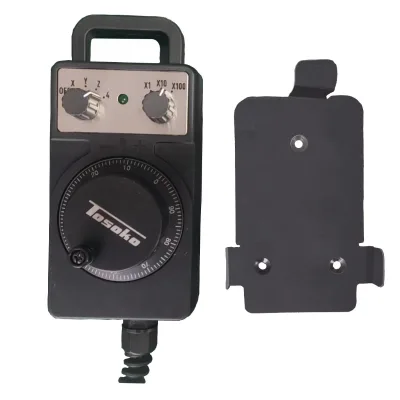
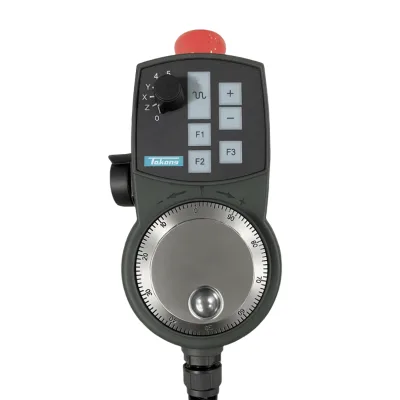
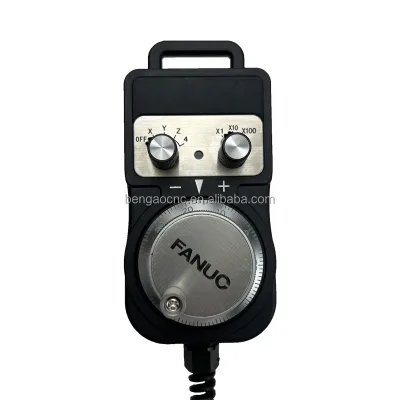
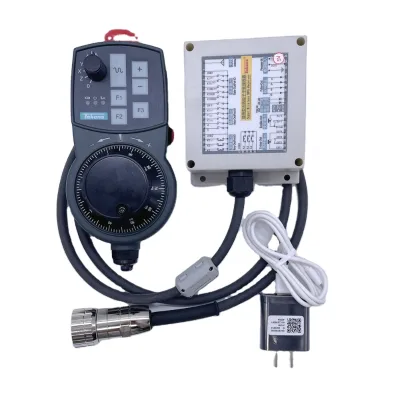



Comprehensive Sourcing Guide
Strategic Sourcing Guide for IP65 Wireless MPG CNC Handwheels
Understanding the Technical Landscape of Wireless Manual Pulse Generators
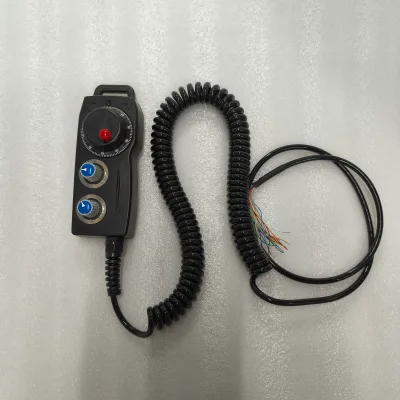
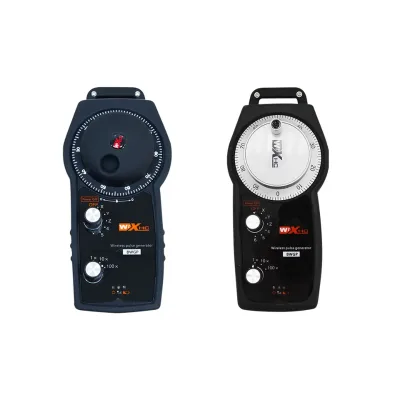
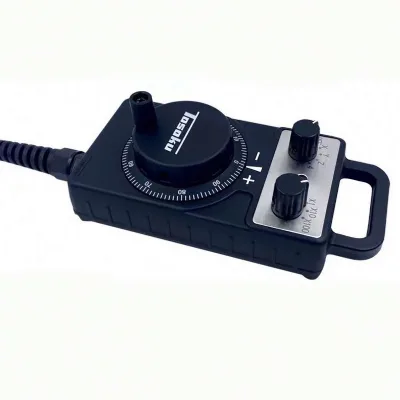
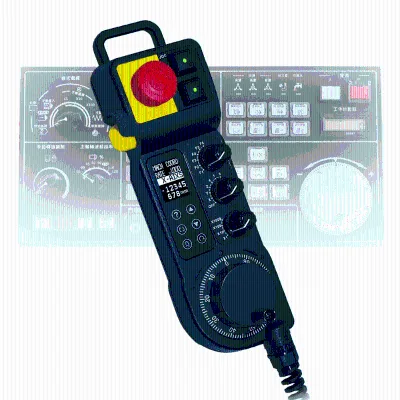
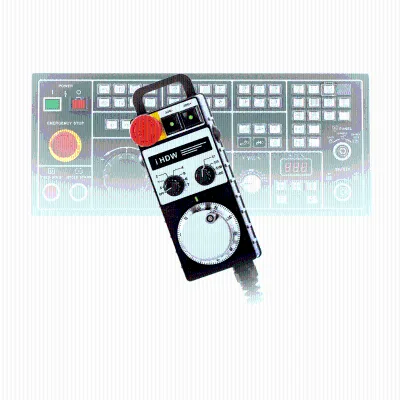
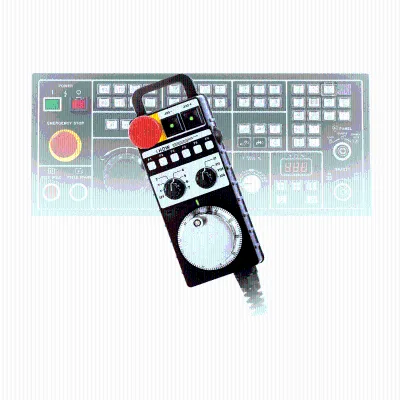
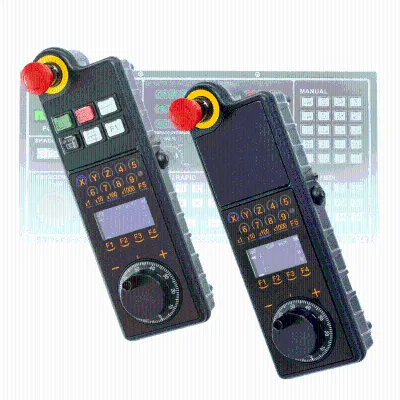
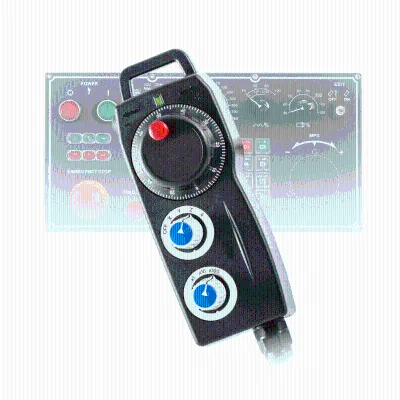
The core keyword "IP65 Wireless MPG CNC Handwheel" points to a specialized class of industrial control devices designed to bridge the gap between manual operator input and computer numerical control (CNC) machine systems. In the context of modern manufacturing, a Manual Pulse Generator (MPG) serves as a critical interface for precise manual positioning, tool changes, and fine-tuning operations where automated programs are insufficient or require human intervention. The "wireless" attribute distinguishes these units from traditional cabled systems, offering enhanced mobility and reduced clutter on the shop floor, while the "IP65" designation implies a specific level of environmental protection against dust and water jets, a crucial feature for harsh industrial environments.
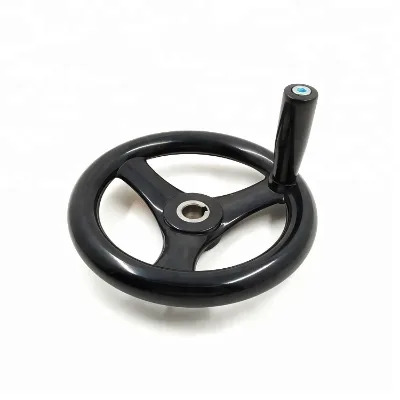
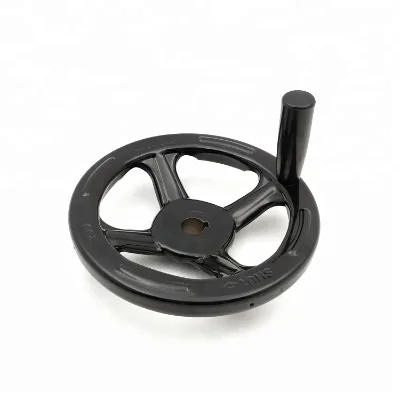
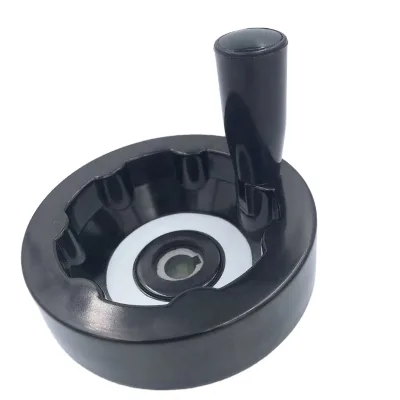
When evaluating products under this category, buyers must distinguish between generic wireless controllers and those specifically engineered for CNC integration. The supplied product data indicates that true CNC handwheels often operate on specific voltage ranges, such as 5V-12V, and are compatible with major control systems like FANUC, SIEMENS, and MITSUBISHI. The functionality is strictly defined as a "Machine Control Wheel," designed to generate pulses that translate into axis movements. It is important to note that while some listings mention "wireless" features, the underlying communication protocol must be verified to ensure it does not introduce latency that could compromise machining accuracy. The physical construction often involves a combination of materials, including plastic bodies, Bakelite components, and steel internal structures, to balance durability with weight. The "Spoked" style is a common design, typically featuring four spokes, which provides a tactile grip for the operator.
Compliance and Certification Verification Protocols
In the industrial procurement sector, certification is not merely a marketing badge but a fundamental requirement for safety and interoperability. When sourcing wireless MPG units, buyers must rigorously verify the presence of recognized international standards. The provided data highlights specific certifications such as ROHS and ISO9001:2015. ROHS compliance ensures that the device is manufactured without restricted hazardous substances, which is a legal requirement for exporting to many global markets. ISO9001:2015 indicates that the supplier maintains a quality management system capable of consistent product delivery.
However, buyers should exercise caution regarding environmental protection claims. While the keyword specifies "IP65," the supplied product attributes list finishing as "Black" and materials as "Plastic" or "Bakelite" without explicitly confirming the IP rating in the raw data. Therefore, a buyer cannot assume that every listed product meets the IP65 standard based solely on the keyword search. The procurement strategy must involve direct inquiry to the supplier to confirm the specific ingress protection rating of the wireless unit. Additionally, while some background data mentions CE, this should be treated as a background reference rather than a confirmed attribute for every listing. The verification process should include requesting test reports that specifically validate the IP65 rating under the conditions of the intended application, such as exposure to coolant mist or dust.
Cost Drivers and Pricing Structure Analysis
The pricing of wireless CNC handwheels is influenced by a complex interplay of factors, including material composition, wireless technology integration, and supply chain logistics. The observed price range in the market spans from $0.10 to $865.14, a variance that reflects the difference between basic manual pulse generators and high-end, fully integrated wireless systems. The lower end of the spectrum likely corresponds to wired or semi-wired units with simpler mechanical designs, while the higher end encompasses robust wireless units with advanced electronics, battery management systems, and compatibility with proprietary CNC protocols.
Several specific cost drivers are evident in the product data. The inclusion of "OEM" support suggests that customization, such as branding or specific interface modifications, will increase the unit cost. The "Supply Ability" varies significantly, with some suppliers offering 5,000 pieces per week and others 2,000, which can impact pricing based on economies of scale. Furthermore, the "Model Number" and "Specification" details, such as the diameter range (11-15 inch, 16-20 inch, etc.) or the specific system compatibility (FANUC/SIEMENS/MITSUBISHI), are primary determinants of price. A unit designed for a specific high-end system like Mitsubishi FANUC may command a premium over a generic model. The "Warranty" period, observed as 3 years in some listings, also adds value and cost, as it reflects the manufacturer's confidence in the product's longevity. Buyers should analyze the "Selling Units" and "MOQ" (Minimum Order Quantity) to understand the cost per unit at different volume tiers, as the data shows MOQs ranging from 1 piece to 500 pieces.
Typical Applications and Operational Environments
The application scope for wireless MPG CNC handwheels is broad, covering various sectors where manual control is essential. The data explicitly lists applications in "Electronic Equipment," "Industrial Equipment," and "Cnc Machine." In a CNC environment, these devices are indispensable for tasks such as tool setting, workpiece alignment, and manual jogging of axes. The "Axis" count, noted as 4-6 in some specifications, indicates that these units can control multi-axis machines, making them suitable for complex machining operations in aerospace, automotive, and mold-making industries.
The "Wireless" feature is particularly advantageous in environments where cable management is a challenge. It allows operators to move freely around large workpieces or multi-station setups without being tethered to the machine. However, the operational environment must be carefully considered. While the keyword suggests an IP65 rating, the actual application environment dictates the necessary durability. For instance, in a machining shop with high levels of metal shavings and coolant, the "Plastic" and "Bakelite" body materials must be robust enough to withstand impact and chemical exposure. The "Power Source" is listed as "battery" for wireless models, which introduces a maintenance requirement. Operators must monitor battery life to prevent interruptions during critical operations. The "Single gross weight" of 1.500 kg suggests a substantial build, which is beneficial for stability but may affect portability.
Supplier Evaluation and Supply Chain Reliability
Selecting the right supplier is as critical as selecting the right product. The data indicates that suppliers are located in various regions, including "Hebei, China" and "Japan," with some products bearing brand names like "HUALI" or "Mitsubishi FANUC." When evaluating suppliers, buyers should prioritize those with a proven "Supply Ability" that matches their volume needs. A supplier offering 5,000 pieces per week is better equipped to handle large orders than one with a lower capacity. The "Port" of shipment, such as "TIANJIN," is another logistical factor that affects shipping costs and lead times.
The "Service" aspect, specifically "After-sale Service," is a vital criterion. Given the technical nature of wireless CNC devices, having access to technical support for troubleshooting connectivity issues or firmware updates is essential. The "Packaging Details," which include "Carton and plastic bags" or custom requirements, also reflect the supplier's attention to detail and ability to protect the product during transit. Buyers should verify the "OEM" capabilities of the supplier if they require custom branding or specific interface configurations. The "Small Orders: Accepted" attribute indicates flexibility, which is beneficial for buyers testing the market or requiring low-volume replacements. However, the "MOQ" of 10pcs for some wireless models suggests that very small orders may not be feasible for all suppliers, requiring buyers to plan their inventory accordingly.
Quality Control and Long-Term Procurement Considerations
Ensuring long-term reliability requires a robust quality control strategy. Buyers must verify that the "Model Number" and "Specification" match the physical product received, as discrepancies can lead to compatibility issues with existing CNC systems. The "Certificate" of ROHS and ISO9001:2015 should be validated against the specific batch of goods. For wireless units, quality control should extend to testing the battery life, signal stability, and the integrity of the wireless connection under various interference conditions. The "Max. Wheel Weight" of 50 kg, while likely referring to the machine component rather than the handwheel itself, highlights the scale of equipment these devices control, necessitating high precision in the handwheel's output.
Long-term procurement considerations include the availability of spare parts and the lifecycle of the product. The "Warranty" of 3 years is a strong indicator of product durability, but buyers should also inquire about the availability of replacement batteries and charging accessories. The "System" compatibility (FANUC/SIEMENS/MITSUBISHI) is a critical factor for future-proofing; a handwheel that is locked into a specific proprietary system may limit flexibility if the buyer switches machine brands. Additionally, the "Feature" of "wireless" should be evaluated for its longevity; wireless technology evolves rapidly, and buyers should ensure that the selected unit supports current and future communication standards to avoid obsolescence. The "Single package size" of 18X15X30 cm provides insight into storage and shipping logistics, which can impact long-term inventory costs.
Comparative Analysis of Product Attributes
To facilitate decision-making, the following table summarizes key attributes observed in the market for wireless MPG CNC handwheels, highlighting the variance buyers must navigate.
| Attribute | Observation A | Observation B | Observation C | Procurement Note |
|---|---|---|---|---|
| Brand Name | HUALI | Mitsubishi FANUC | xhc | Verify brand authenticity and system compatibility. |
| Material | Plastic, Bakelite | Plastic | Steel (Other) | Ensure material durability for the specific shop environment. |
| MOQ | 1pc | 10pcs | 1-500 | Align order volume with supplier minimums to optimize cost. |
| Supply Ability | 5000 pcs/week | 2000 pcs/week | N/A | Confirm capacity to meet production schedules. |
| System | FANUC/SIEMENS/MITSUBISHI | Mitsubishi FANUC | N/A | Ensure strict compatibility with existing CNC controllers. |
| Power Source | Battery | N/A | N/A | Plan for battery replacement and charging infrastructure. |
| Warranty | 3 Years | N/A | N/A | Verify warranty terms and claim procedures. |
| Origin | Hebei, China | Japan | Guangdong, China | Consider logistics costs and lead times based on origin. |
| Certification | ROHS, ISO9001:2015 | N/A | N/A | Request specific test reports for IP65 and safety standards. |
This comparative view underscores the necessity of detailed due diligence. The variation in brand names, origins, and specifications means that a "one-size-fits-all" approach is ineffective. Buyers must cross-reference the specific technical requirements of their CNC machines with the detailed specifications provided by each supplier. The presence of "OEM" support and "After-sale Service" further differentiates suppliers, making these non-negotiable criteria for a successful long-term partnership. By rigorously applying these evaluation criteria, buyers can secure high-quality wireless MPG CNC handwheels that enhance operational efficiency and maintain the integrity of their manufacturing processes.
FAQs
What certifications do ip65 wireless mpg cnc handwheels typically have?
Many listed units carry ROHS and ISO9001:2015 certifications. Buyers must verify these specific documents for each batch as not all products explicitly confirm the IP65 rating in the raw data.
How does the wireless power source affect operation?
Wireless models often use battery power sources for mobility. Operators must monitor battery life to prevent interruptions during critical machining operations on CNC machines.
Which materials are used for the handwheel body construction?
Common materials include plastic, Bakelite, and steel components. These combinations balance durability with weight to withstand impact and chemical exposure in industrial environments.
Can I find suppliers with low minimum order quantities?
Yes, some suppliers accept orders starting from 1 piece. However, other wireless models may require a minimum order quantity of 10 pieces or more.
What is the typical supply capacity for these units?
Supply abilities vary between 2,000 and 5,000 pieces per week. Buyers should confirm capacity to ensure it matches their production schedules and volume needs.
How long is the warranty period for these devices?
Some listings offer a warranty period of up to 3 years. This indicates manufacturer confidence in product longevity but requires verification for specific batches.
Which CNC systems are compatible with these handwheels?
Devices are compatible with major systems like FANUC, SIEMENS, and MITSUBISHI. Strict compatibility verification is essential to ensure integration with existing CNC controllers.