Source IP67 Control Box for Automation, Monitoring, and Protection
Compare 30 verified listings for the IP67 Control Box featuring automatic control, protection, and monitoring functions. Buyers can evaluate specifications like voltage ratings, material composition, and customization options from suppliers in China and Taiwan; compare the available evidence and request quotations based on your requirements.
Updated
Key considerations
Products List





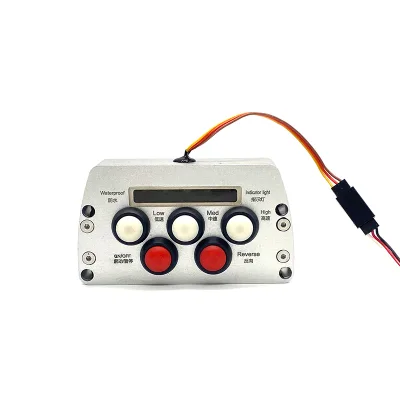

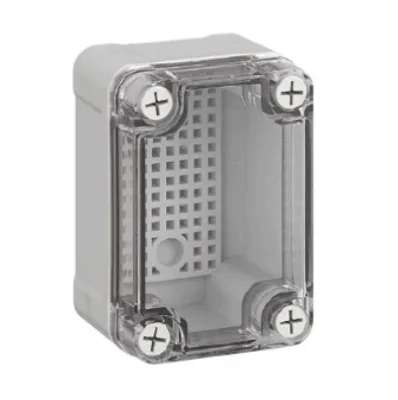
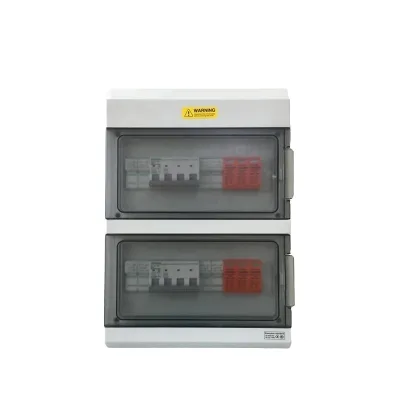
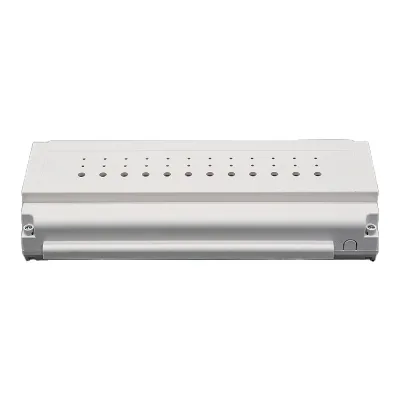


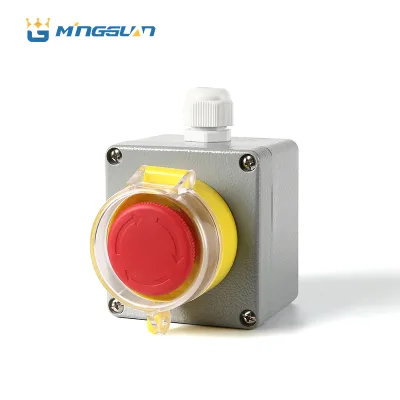


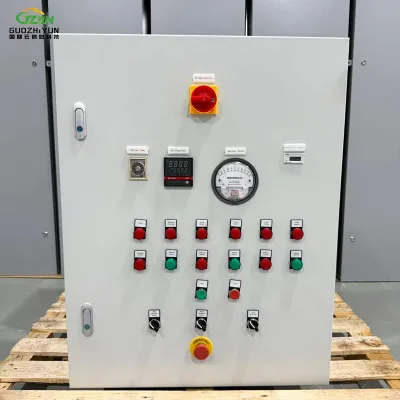
Comprehensive Sourcing Guide
IP67 Control Box Sourcing Guide
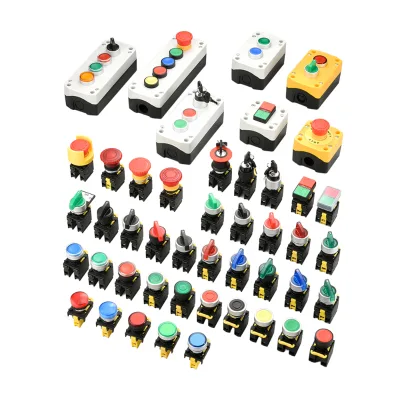
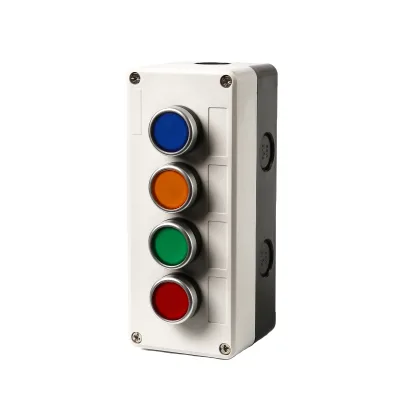
Procuring industrial control enclosures requires precise alignment between environmental protection ratings and internal component compatibility. While many listings advertise IP65 or IP67 standards, buyers must verify that the sealing mechanisms, such as gaskets and cable glands, are rated for the specific ingress protection level required by the installation site. The observed market data indicates a wide variance in material composition, with aluminum alloy and PC+ABS shells being common choices. Aluminum offers superior heat dissipation and durability for harsh outdoor environments, whereas plastic variants may provide better electrical insulation and corrosion resistance in chemical-heavy settings.
Buyers should also scrutinize the internal configuration and mounting options before finalizing orders. The presence of automatic control, protection, and monitoring functions suggests these units are designed for complex automation systems rather than simple switch applications. It is critical to confirm whether the control box includes integrated circuitry or serves merely as a protective housing for external components. Additionally, the distinction between single-item sales and bulk customization options can significantly impact lead times and unit costs, making early clarification of these commercial terms essential for accurate budgeting and supply chain planning.
Product Scope and Observed Listing Signals
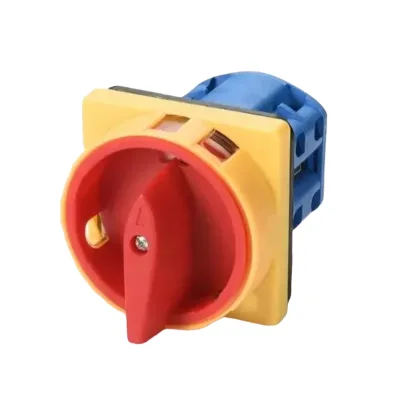
The current market landscape for control boxes reveals a diverse array of product models and specifications that cater to different industrial needs. Listings frequently reference specific model series such as the ZLP Series, HLM, and various B-series units like B1 through B6. These designations often correlate with distinct form factors, ranging from compact dimensions like 75x75x56.5 mm to larger external sizes requiring custom measurements. The observed price range spans from low-cost single items to high-value industrial units, reflecting the variability in material quality, electronic integration, and certification levels. Buyers must carefully map these model numbers to their technical requirements to avoid purchasing undersized or over-specified equipment.
Customization is a prevalent feature in this sector, with many suppliers offering tailored solutions for specific voltage and current requirements. The data shows rated voltages up to 660 V and maximum currents of 5 A, indicating suitability for a broad spectrum of electrical loads. Furthermore, the availability of customized tasks, such as adjustment mechanisms or specific control logic, allows for precise integration into existing automation frameworks. However, the presence of multiple origin locations, including Wuxi, Zhejiang, and Taiwan, suggests that buyers should verify the manufacturing capabilities and quality consistency of each source. Understanding these listing signals helps in filtering out irrelevant options and focusing on suppliers who can meet specific technical and logistical demands.
Technical Specifications to Verify
Verifying the physical and electrical specifications is paramount to ensuring the control box performs reliably under operational stress. Buyers must confirm the exact external dimensions, such as L192W75H83 mm or other custom sizes, to ensure proper fit within the designated panel or enclosure space. The shell material, whether aluminum alloy or PC+ABS, directly influences the unit's weight, thermal management, and resistance to physical impact. It is also crucial to verify the IP rating claims, as many listings specify IP65, which may not suffice for high-pressure washdown or submerged applications requiring true IP67 protection. Misalignment in these physical attributes can lead to installation failures or premature component degradation.
Electrical parameters require equally rigorous verification, particularly regarding voltage ratings and current capacities. The observed data includes rated voltages of 240 V and maximum voltages up to 660 V, which must match the plant's power distribution system. Additionally, the control system type, such as low control voltage or automatic control, dictates the compatibility with existing PLCs or sensors. Buyers should also check the LED indicators and switch types, as these affect user interface and diagnostic capabilities. Confirming the warranty period, typically one year for new units, provides a baseline for expected product longevity. Any deviation from these specified electrical and physical parameters should be addressed with the supplier before order confirmation to prevent operational disruptions.
Compliance and Safety Documentation
Compliance with international and regional safety standards is non-negotiable for industrial control equipment to ensure operator safety and regulatory adherence. The observed certifications include RoHS, CCC, ISO, and CE, which indicate adherence to environmental, Chinese national, quality management, and European safety standards respectively. Buyers must request valid certificates for each relevant market where the equipment will be deployed, as CE marking alone does not guarantee compliance with local electrical codes in all jurisdictions. The presence of GOST standards suggests suitability for Eurasian markets, highlighting the importance of matching certifications to the destination country's regulatory framework.
Documentation should also cover the manufacturing standards and testing procedures employed by the supplier. While some listings mention standards like 140 or custom requirements, buyers should seek detailed test reports for dielectric strength, insulation resistance, and ingress protection. These documents provide objective evidence that the control box meets the claimed IP67 or IP65 ratings under laboratory conditions. Additionally, verifying the origin of components, such as the brand names AP or Auspicious, can help assess the quality of internal parts. Ensuring that all safety documentation is up-to-date and verifiable reduces the risk of liability issues and ensures smooth customs clearance for international shipments.
Cost Drivers and Commercial Terms
Understanding the factors that influence pricing and commercial terms is essential for effective budget management and negotiation. The primary cost drivers include the material composition, with aluminum alloy units typically commanding higher prices than plastic alternatives due to superior durability and thermal properties. The level of customization, such as specific wiring configurations or integrated control logic, also significantly impacts the final cost. Additionally, the complexity of the external size and the inclusion of premium features like advanced LED indicators or high-current switches contribute to price variations. Buyers should request detailed breakdowns of these costs to identify areas where savings can be achieved without compromising quality.
Commercial terms, including MOQ, lead times, and payment conditions, vary widely among suppliers and must be clearly defined in the purchase agreement. The observed MOQ range of 1 to 100 units suggests flexibility for both small-scale trials and larger production runs. However, buyers should be aware that custom orders may incur additional setup fees or longer lead times. The port of dispatch, whether Keelung or other locations, affects shipping costs and delivery schedules. It is advisable to negotiate clear terms for warranty claims, return policies, and after-sales support. Transparent communication regarding these commercial aspects helps prevent unexpected expenses and ensures a smooth procurement process from order placement to delivery.
Supplier Qualification and Quality Control
Evaluating supplier qualifications and implementing robust quality control measures are critical steps in mitigating procurement risks. Buyers should verify the supplier's manufacturing capabilities, including their production capacity, quality management systems, and experience in producing control boxes for similar industries. The presence of certifications like ISO and CE indicates a baseline level of organizational maturity, but on-site audits or third-party inspections may be necessary for high-volume or critical applications. Additionally, checking the supplier's track record for on-time delivery and customer satisfaction can provide insights into their reliability and professionalism.
Quality control should extend to the incoming inspection of delivered goods, focusing on visual defects, dimensional accuracy, and electrical functionality. Buyers should establish clear acceptance criteria based on the agreed-upon specifications, including IP rating tests and voltage withstand tests. Implementing a sampling plan for random inspections can help detect manufacturing defects early in the production process. Furthermore, maintaining open communication with the supplier regarding any quality issues ensures prompt resolution and continuous improvement. By prioritizing supplier qualification and rigorous quality control, buyers can secure a steady supply of reliable control boxes that meet their operational requirements.
Long-Term Procurement Checks
Establishing long-term procurement checks ensures that the control boxes continue to meet performance standards throughout their lifecycle. Regular reviews of supplier performance, including delivery reliability, quality consistency, and responsiveness to issues, help maintain a healthy supply chain. Buyers should also monitor changes in industry standards and regulations, updating their procurement specifications accordingly to ensure ongoing compliance. Additionally, tracking the performance of installed units in the field can provide valuable feedback for future purchasing decisions, highlighting areas for improvement or specific features that are particularly valuable.
Sustainability and lifecycle management are increasingly important considerations in industrial procurement. Buyers should inquire about the recyclability of materials, such as aluminum and PC+ABS, and the supplier's policies on end-of-life disposal. Furthermore, exploring options for modular upgrades or repairable designs can extend the useful life of the control boxes and reduce total cost of ownership. By implementing these long-term checks, buyers can build a resilient and efficient procurement strategy that supports their operational goals and adapts to evolving market conditions. This proactive approach minimizes risks and maximizes the value derived from industrial control equipment investments.
FAQs
What certifications do the ip67 control boxes have?
The ip67 control boxes are certified with RoHS, CCC, ISO, and CE standards. These certifications ensure compliance with international safety and environmental regulations. Buyers can rely on these documented standards for quality assurance and regulatory approval in various global markets without additional verification steps.
Can the ip67 control boxes be customized for specific tasks?
Yes, the ip67 control boxes offer available customization options. They support customized configurations to meet specific operational requirements. This flexibility allows buyers to tailor the control systems for unique industrial applications, ensuring the equipment integrates seamlessly with existing infrastructure and meets precise functional needs.
What is the warranty period for the ip67 control boxes?
The ip67 control boxes come with a one-year warranty. This coverage provides buyers with assurance regarding product reliability and performance during the initial operational period. The warranty supports long-term usage confidence, allowing businesses to plan maintenance schedules and budget for potential service needs effectively.
Where are the ip67 control boxes manufactured?
The ip67 control boxes originate from China, with specific production locations including Wuxi and Zhejiang. Some units may also be dispatched from Keelung Port in Taiwan. This geographic sourcing information helps buyers assess logistics, shipping routes, and potential supply chain efficiencies for their procurement strategies.
What materials are used in the IP67 Control Box construction?
The ip67 control boxes are constructed using aluminum alloy and PE materials. The shell material also incorporates PC and ABS for durability. These robust materials ensure the control boxes withstand harsh industrial environments, providing reliable protection for internal components while maintaining structural integrity under various operational conditions.