280Ah LiFePO4 Solar Storage Box Suppliers and Manufacturers
Compare 23 verified suppliers offering 280Ah LiFePO4 Solar Storage Box options with varying lead times, certifications, and locations. Review response times and MOQs to select a factory that meets your energy storage needs; review the available evidence before requesting comparable quotations from suitable candidates.
Updated
Suppliers List

Shenzhen Pittar Power Co., Ltd.
- Trading Company,Manufacturer/Factory,Group Corporation
- China Guangdong
- Lead time15 days
- Avg. response≤ 3h
Main productsLithium (LiFePO4) Battery, Lead Acid Battery, Start-Stop Sodium Battery, Power Lithium Battery, Energy Storage System (Ess), Portable Power Station, Solar Panel, Solar Charge Controller, Solar Battery, Hybrid Inverter
Main marketsSouth America,Eastern Europe,Mid East,North America,Southeast Asia,Eastern Asia,Oceania,Western Europe,Africa
- Trading Company
- Lead time旺季: "1 - 100":36,"> 100":"To be negotiated", 淡季: "1 - 100":36,"> 100":"To be negotiated"
- Avg. response≤ 4h
Main productstv stick,tv box,ups,antenna,bms
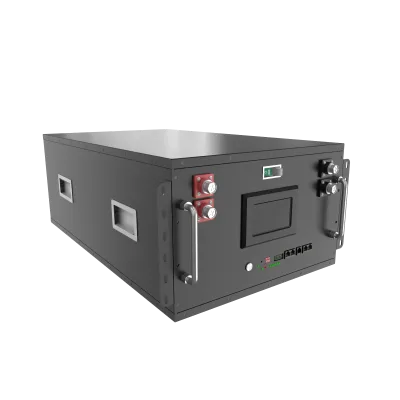
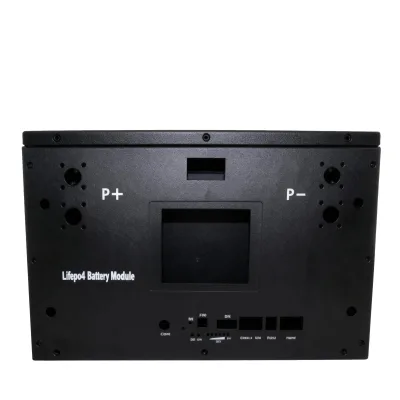
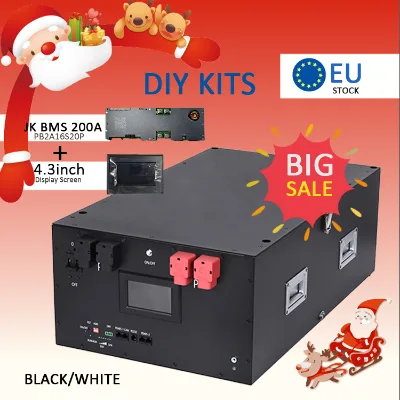
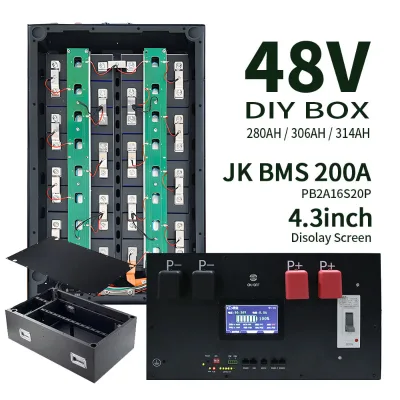
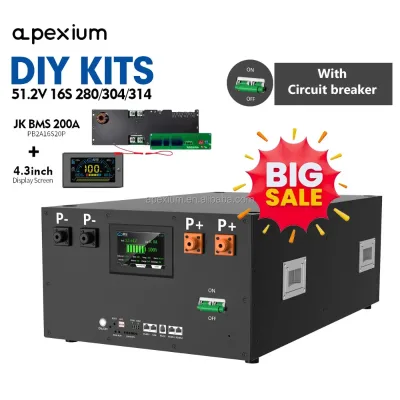
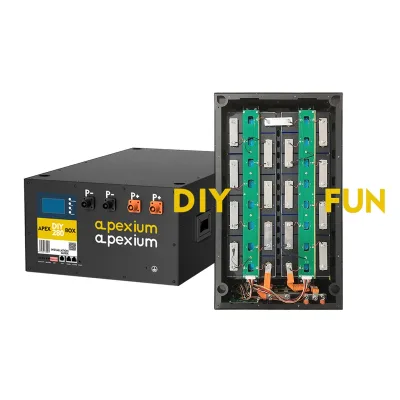
280Ah Diy Kit Box for 15Kwh Lithium Lifepo4 Storage Battery Box Case for Solar Energy Storage
$146.4255 - $178.1691
MOQ: 5 sets
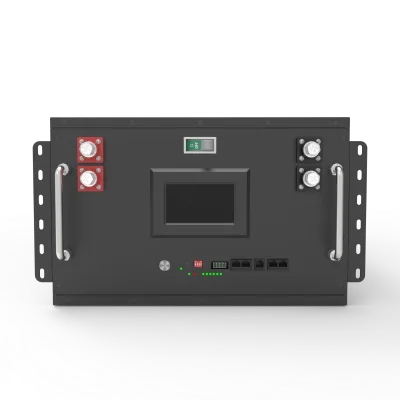
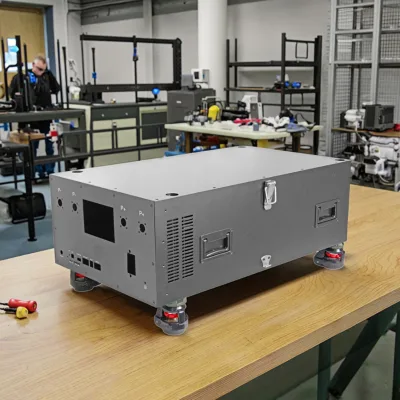
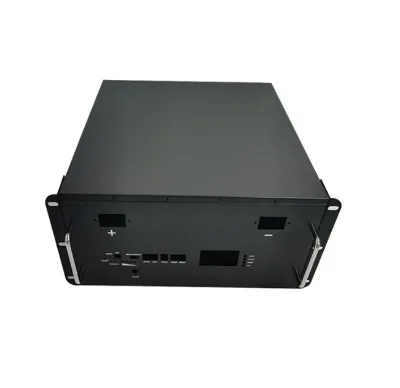
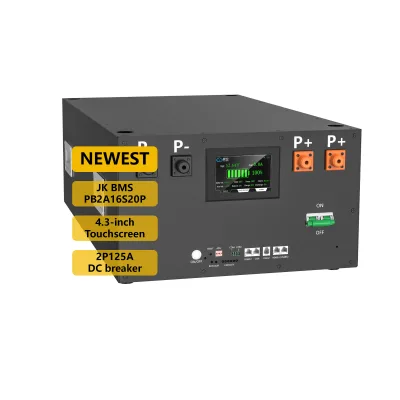
Diy Battery Box Kit 15KW 280Ah Empty Metal Battery Box for Lifepo4 Battery Lifepo4 Metal Box
$146.5257 - $178.2903
MOQ: 5 sets

- Verified by TUVRHEINLAND
- Combined
- China Anhui
- Lead time30 days
- Avg. response≤ 4h
Main productsSolar Panels, PV Modules, Mono Solar Panel, Poly Solar Panel, Solar System, Inverter, Solar Inverter, Battery, Solar Battery
Main marketsEurope

Dongguan Sunrise Technology Co., Ltd.
- Manufacturer, Trading Company
- Guangdong, China
- Lead time0 days
- Avg. response≤ 2h
Main productsBattery,Battery Pack,Battery Energy Storage Systems
Main marketsWestern Europe(60.00%), North America(15.00%), Northern Europe(10.00%), Southern Europe(5.00%), Eastern Europe(5.00%), Eastern Asia(5.00%)
DONGGUAN FENGCHIDIANCHE NEW ENERGY TECHNOLOGY Co., LTD
- Verified by Intertek
- Manufacturer, Trading Company
- Lead time15 days
- Avg. response≤ 1h
Main productsLifepo4 Battery, Lifepo4 DIY Kit, Battery Accessories, Home Energy Storage Systems
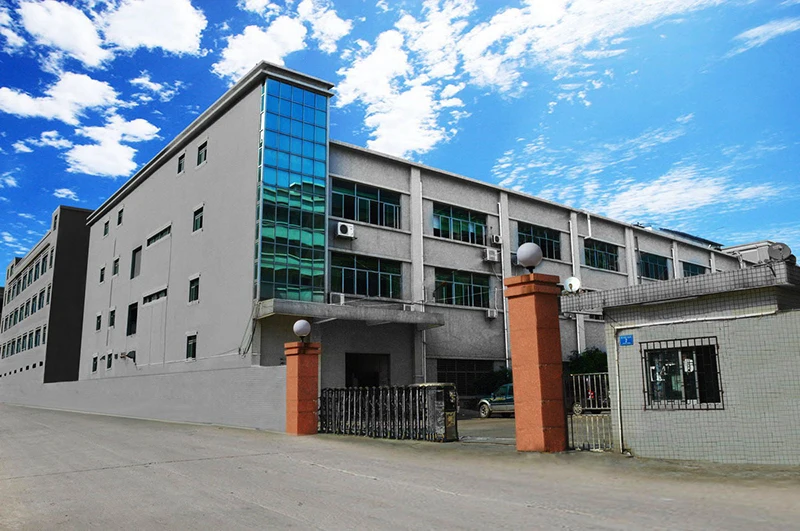
Ji 'an Jinyuda Trading Co., Ltd.
- Trading Company
- Jiangxi, China
- Lead time0 days
- Avg. response≤ 3h
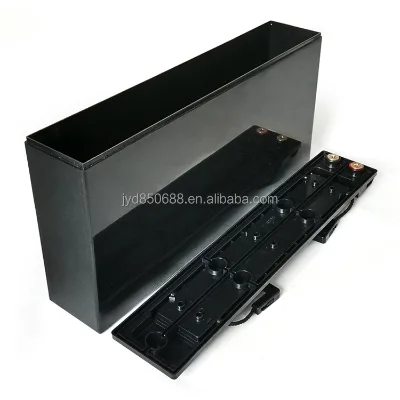
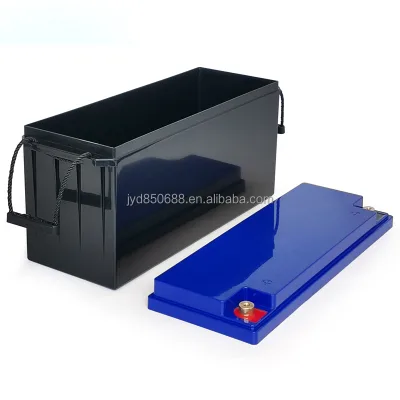
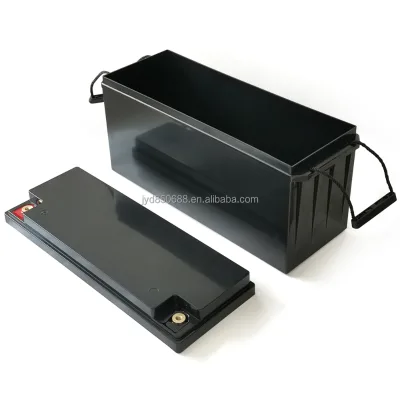
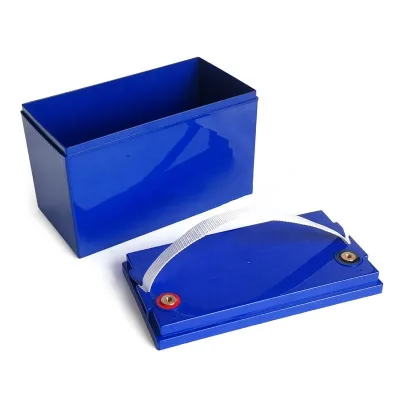
Main productsEnergy storage metal battery box,Battery connector,car battery box,motorcycle battery box,Battery accessories
Main marketsNorth America(30.00%), South America(20.00%), Central America(10.00%), Western Europe(10.00%), Africa(10.00%), Southeast Asia(10.00%), Eastern Europe(10.00%)
Shenzhen Eel Battery Co., Ltd.
- Verified by Intertek
- Manufacturer, Trading Company
- Lead time15 days
- Avg. response≤ 2h
Main productsLiFePO4 Battery Cell, LiFePO4 Battery Pack, DIY Battery Kits, BMS, Energy Storage Battery System
Main marketsWestern Europe(30%), North America(20%), Eastern Europe(10%)
- Manufacturer, Trading Company
- Lead time旺季: "1 - 100":20,"> 100":"To be negotiated", 淡季: "1 - 100":20,"> 100":"To be negotiated"
- Avg. response≤ 2h
Main productsLithium Ion Battery, Lifepo4 Battery, Inverter, Solar Power System
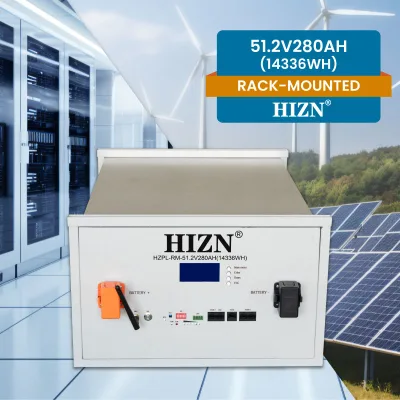
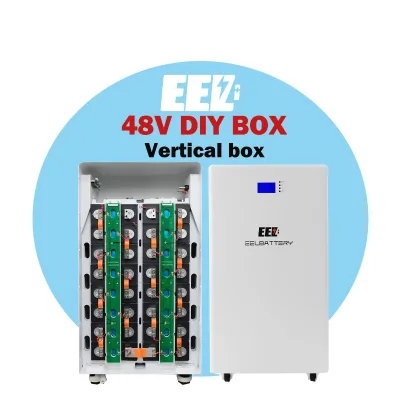
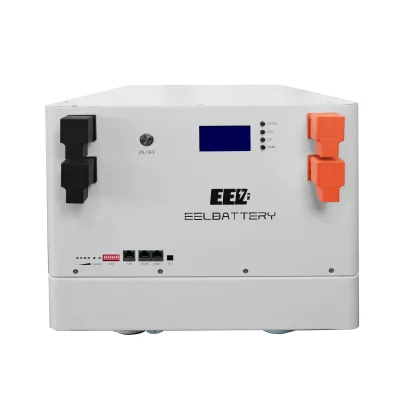
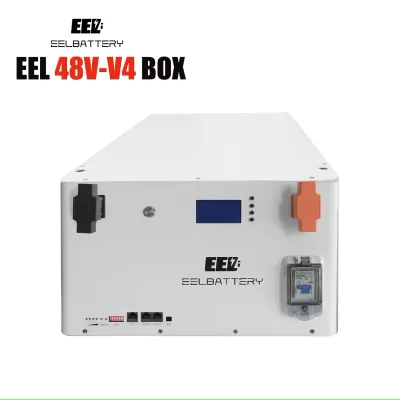
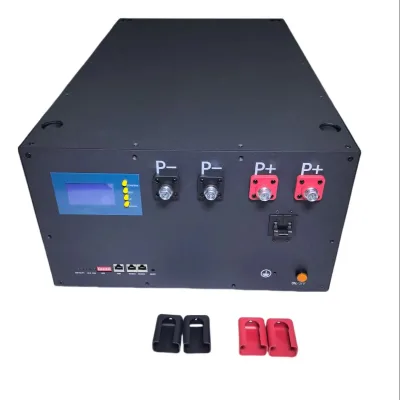
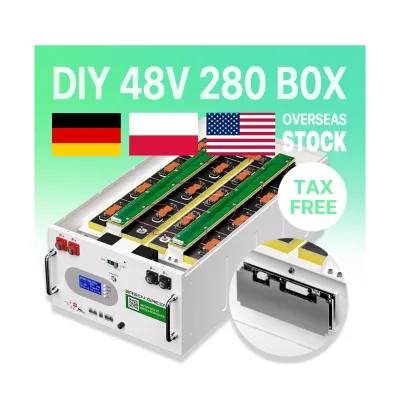
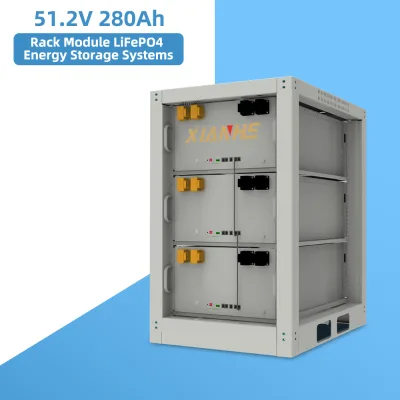
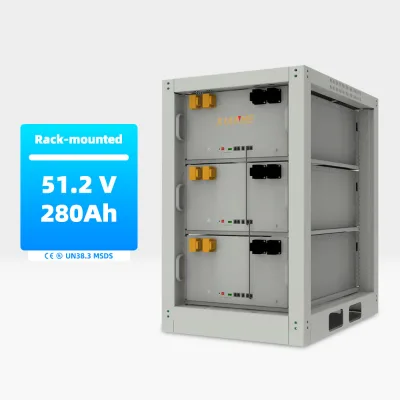
51.2V 280Ah LiFePO4 DIY Solar Battery Storage Box Energy Storage System 48v Battery Boxes & Racks
$994.9552 - $1015.3651
MOQ: 2 pieces
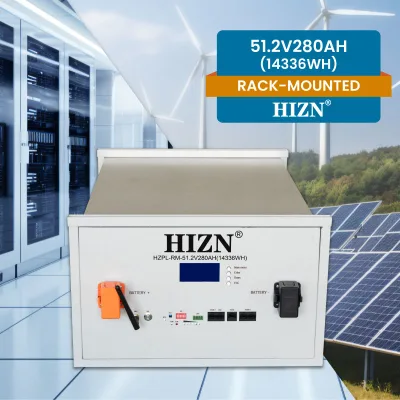
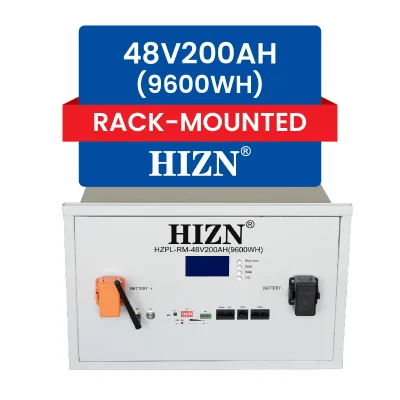
Lifepo4 Battery Pack 51.2v 280ah for Energy Storage Lithium Ion Diy Battery Box Rack
$994.9552 - $1015.3651
MOQ: 2 pieces

- Manufacturer/Factory,Group Corporation
- China Anhui
- Lead time23 days
- Avg. response≤ 4h
Main productsSolar Power System, Battery, Lithium Battery, Inverter, Battery Container, Solar Energy, Solar Panel, Solar, Solar System, Energy Storage System
Main marketsSouth America,Eastern Europe,Mid East,North America,Southeast Asia,Eastern Asia,Oceania,Western Europe,Africa

$29999.00 - $150000.00
MOQ: 1 Boxes

$959.00 - $1149.00
MOQ: 1 Pieces

Qingdao Boxwell Container Co., Ltd.
- Verified by TUVRHEINLAND
- Combined
- China Shandong
- Lead time23 days
- Avg. response≤ 8h
Main productsOffshore Container, Offshore Cargo Basket, Dnv 2.7-1 En12079, ISO10855 Offshore, Open Top Container, Storage Container, Roller Shutter Door, Side Open Container, Half Height Container, Container Parts
Main marketsDomestic,Europe,Australia,North America

$12000.00 - $14000.00
MOQ: 1 Pieces

Solar Energy Storage Battery Cabinet 1mwh LiFePO4 Battery Power Energy Storage Bank
$12000.00 - $14000.00
MOQ: 1 Pieces
Li Power (Shenzhen) Technology Co., Ltd.
- Verified by TüVRheinland
- Manufacturer, Trading Company
- Guangdong, China
- Lead time20 days
- Avg. response≤ 2h
Main productsAC Battery Box, Hybrid Solar Inverter, Battery Monitor, Power Station, Lifepo4 Battery
Main marketsOceania(50%), Western Europe(40%), North America(10%)

Yideneng (shanghai) New Energy Technology Co., Ltd.
- Trading Company
- Shanghai, China
- Lead time10 days
- Avg. response≤ 1h
Main productsBattery Pack,BMS,Protection Board,Lithium Ion Cell,Solar Energy System
Main marketsEastern Europe(30.00%), Southeast Asia(20.00%), North America(20.00%), Africa(10.00%)
Jiangsu Eksi New Energy Co., Ltd.
- Verified by Intertek
- Manufacturer, Trading Company
- Lead time15 days
- Avg. response≤ 2h
Main productsEnergy Storage Container, Inverter, Lithium Battery, Solar System, Solar Charge Controller
Main marketsDomestic Market(40%), Southeast Asia(10%), Western Europe(10%)

Tianjin Plannano Energy Technologies Co., Ltd.
- Verified by TUVRHEINLAND
- Combined
- China Tianjin
- Lead time30 days
- Avg. response≤ 5h
Main productsSupercapacitor, Lithium Titanate Battery, Supercapacitor Module, Lithium Titanate Battery Module
Main marketsDomestic,Europe,Australia,North America


$80.00 - $150.00
MOQ: 100 KWH

1mwh Lithium-Ion Battery Energy Storage Containers System for Solar Panels
$80.00 - $150.00
MOQ: 100 KWH
- Verified by TüVRheinland
- Trading Company
- Lead time10 days
- Avg. response≤ 2h
Main productsSolar Panel, Solar Inverter, Solar System, Energy Storage Battery, Solar Application
Main marketsSouth America(16%), Western Europe(16%), Southeast Asia(14%)
Guangzhou Anern Energy Technology Co.,ltd.
- Trading Company
- Lead time旺季: "1 - 100":7,"> 100":"To be negotiated", 淡季: "1 - 100":7,"> 100":"To be negotiated"
- Avg. response≤ 4h
Main productsSolar Energy System, Solar Inverter, Solar Battery, Solar Panel, Solar Street Light
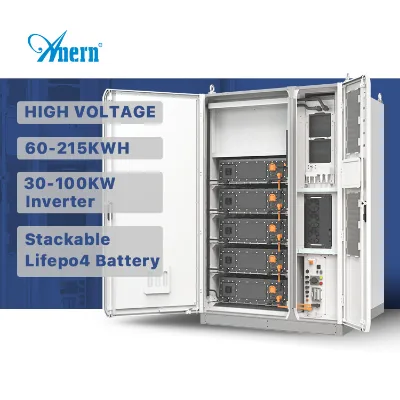
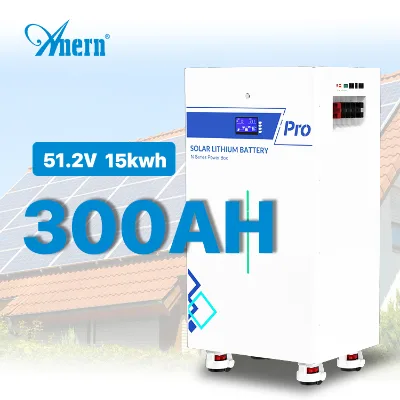
Anern High Voltage 24v 51.2v 300ah 460ah Lifepo4 Lithium Battery Box
$883.5211 - $902.1314
MOQ: 10 pieces

- Verified by CTI
- Manufacturer/Factory
- China Anhui
- Lead time15 days
- Avg. response≤ 3h
Main productsSolar System, Solar Energy System, Lithium Battery, Solar Panel, Mounting Racks
Main marketsSouth America,Eastern Europe,Mid East,North America,Southeast Asia,Eastern Asia,Oceania,Western Europe,Africa

$0.22 - $0.345
MOQ: 10000 Pieces

$0.22 - $0.345
MOQ: 10000 Pieces

$0.22 - $0.345
MOQ: 10000 Pieces

Hunan IMR New Energy Co., Ltd.
- Verified by SGS Group
- Manufacturer, Trading Company
- Lead time0 days
- Avg. response≤ 2h
Main productsBattery/ Portable Energy Storage/ Battery Pack/ LiFePO4 Battery, Battery Charger/ Power Bank, Electric Bicycle
Main marketsNorth America(30%), South America(20%), Eastern Europe(15%)
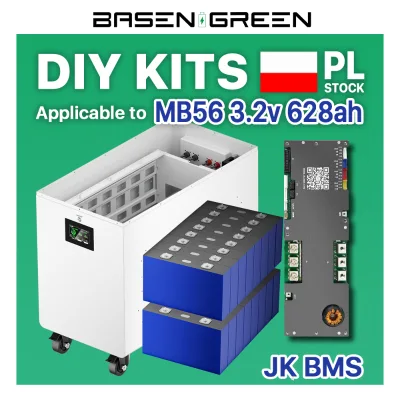
Shenzhen Basen Technology Co., Ltd.
- Manufacturer, Trading Company
- Lead time旺季: "1 - 4":15,"> 4":"To be negotiated", 淡季: "1 - 4":15,"> 4":"To be negotiated"
- Avg. response≤ 2h
Main productsLiFePO4 Cell, Energy Storage System, Solar Inverter, BMS, Battery Accessories
Dongguan Anzhi Electronic Technology Co., Ltd.
- Verified by SGS Group
- Manufacturer, Trading Company
- Lead time0 days
- Avg. response≤ 1h
Main productsBMS, Batteries, Battery Pack
Main marketsNorth America(40%), Western Europe(20%), Oceania(10%)
Hangzhou Hengxianlong Technology Co., Ltd.
- Verified by Intertek
- Manufacturer, Trading Company
- Lead time30 days
- Avg. response≤ 2h
Main productsLithium Ion Battery, Forklift Lithium Battery, Solar Street Light Lithium lon Battery, Battery Management System, Wiring Harness
Main marketsDomestic Market(40%), Eastern Europe(30%), Southeast Asia(10%)

Shenzhen Sol New Energy Co., Ltd
- Verified by SGS
- Trading Company
- China Guangdong
- Lead time15 days
- Avg. response≤ 6h
Main productsBMS, Solar Panels, Battery Pack, Battery Spare Parts, Charger Spare Parts, Battery Equalizer, Inverter BMS, Home Energy Storage
Main marketsDomestic

$299.00 - $339.00
MOQ: 5 Pieces


- Manufacturer, Trading Company
- Lead time旺季: "1 - 50":20,"51 - 100":30,"> 100":"To be negotiated", 淡季: "1 - 50":20,"51 - 100":30,"> 100":"To be negotiated"
- Avg. response≤ 3h
Main productsSolar Panel, Solar Inverter, Solar Battery, Solar System
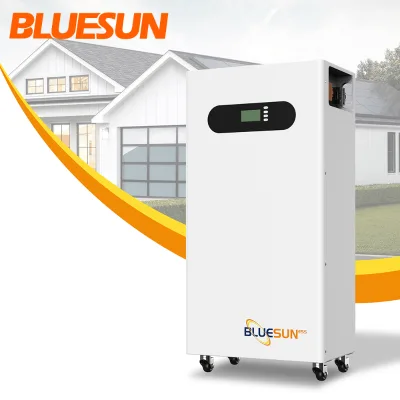
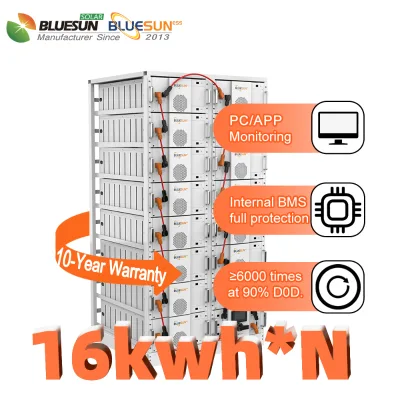
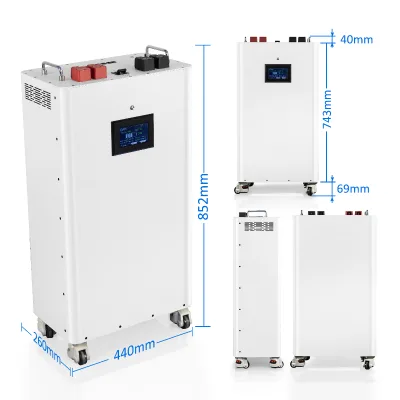
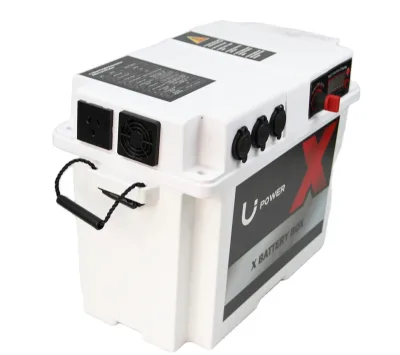
Bluesun Solar Battery 20kw 5kw Battery Storage 10KWH 15KWH Movable 10kw Battery Box
$1233.5851 - $1314.1702
MOQ: 1 pieces
$1305.9063 - $1409.2215
MOQ: 1 units


Comprehensive Sourcing Guide
280Ah LiFePO4 Solar Storage Box Supplier Concentration and Factory Types
The current supplier landscape for 280Ah LiFePO4 Solar Storage Box products reveals a distinct geographic concentration in China, with Guangdong emerging as a primary manufacturing hub. Factories and trading companies located in this region offer a diverse range of main products, including Lithium (LiFePO4) Batteries, Energy Storage Systems, and Portable Power Stations. This clustering suggests a mature supply chain ecosystem where component sourcing and assembly are streamlined. Buyers evaluating suppliers should note that many entities in this area operate as Group Corporations or Manufacturer/Factory hybrids, allowing them to control both production quality and distribution channels. The presence of established industrial zones in Guangdong facilitates rapid prototyping and large-scale production runs for custom battery boxes and integrated storage units.
In addition to Guangdong, suppliers from other regions such as Anhui contribute to the available inventory, often focusing on broader renewable energy solutions like Solar Panels and PV Modules alongside battery storage. The company types observed include Trading Companies, Manufacturer/Factory entities, and Combined operations, each offering different advantages. Trading companies may provide a wider variety of compatible accessories and faster logistical coordination, while manufacturers often possess deeper technical expertise in cell integration and BMS configuration. Some suppliers specialize in OEM and ODM services, enabling buyers to create branded products with specific voltage and capacity configurations. Understanding the operational model of each supplier is crucial, as it directly impacts the flexibility of customization options and the transparency of the manufacturing process for 280Ah LiFePO4 Solar Storage Box orders.
How to Verify 280Ah LiFePO4 Solar Storage Box Suppliers
Verification of suppliers requires a multi-layered approach to ensure reliability and compliance with international standards. Buyers should prioritize suppliers who hold recognized system certifications such as ISO 9001, ISO 14001, and BSCI, which indicate adherence to quality management and environmental responsibility. Some suppliers may also display specific product certifications like CE, which is essential for market access in many regions. Additionally, third-party verification badges, such as those from TÜV Rheinland, provide an extra layer of confidence regarding the supplier’s business legitimacy and operational stability. These credentials are not merely decorative; they serve as critical indicators of a supplier’s ability to maintain consistent production standards and ethical labor practices throughout the manufacturing of 280Ah LiFePO4 Solar Storage Box units.
Beyond certifications, buyers must assess the supplier’s response capabilities and technical transparency. A rapid response time, often measured in hours, suggests a dedicated customer service team capable of addressing technical queries and order modifications efficiently. Suppliers should be willing to provide detailed product attributes, including dimensions, weight, and terminal specifications, to ensure compatibility with existing solar infrastructure. For instance, verifying that a battery box supports specific voltages like 48V or 51.2V and includes appropriate terminals such as M8 Brass Plated connections is vital. Buyers should also inquire about the supplier’s capacity for OEM and ODM projects, ensuring they can accommodate custom branding and design requirements. This due diligence helps mitigate the risk of receiving substandard products and ensures that the supplier can meet the specific technical demands of the 280Ah LiFePO4 Solar Storage Box application.
What to Compare Across 280Ah LiFePO4 Solar Storage Box Suppliers
When comparing suppliers, lead time and minimum order quantity (MOQ) are pivotal factors that influence inventory planning and cash flow. Suppliers may offer varying lead times, ranging from standard production windows to negotiated terms for larger volumes. For example, some suppliers indicate lead times of 15 days for standard orders, while others may require 30 days or more depending on seasonal demand and order size. MOQs also differ significantly, with some suppliers requiring as few as one unit for testing purposes, while others mandate orders of 100 units or more for custom configurations. Buyers must align these constraints with their sales projections and storage capabilities to avoid overstocking or production delays. Understanding these operational metrics allows for more accurate forecasting and better negotiation leverage when securing favorable terms for 280Ah LiFePO4 Solar Storage Box purchases.
Price and customization options further differentiate suppliers in this competitive market. Product pricing can vary based on the complexity of the battery box design, the inclusion of additional features like LCD displays or BMS integration, and the volume of the order. Buyers should compare price ranges carefully, noting that some suppliers offer competitive rates for basic metal battery boxes, while others charge premiums for fully integrated systems with advanced monitoring capabilities. Customization availability is another key differentiator; suppliers that offer flexible design options can tailor products to specific application scenarios, such as RV, marine, or residential solar storage. Additionally, the range of main products offered by a supplier can indicate their versatility. Those providing comprehensive solutions, including solar panels, inverters, and batteries, may offer better bundle pricing and simplified logistics for buyers seeking complete energy storage systems.
Common 280Ah LiFePO4 Solar Storage Box Sourcing Risks
One significant risk in sourcing 280Ah LiFePO4 Solar Storage Box products is the potential mismatch between advertised specifications and actual product performance. Buyers must be cautious of suppliers who provide vague or incomplete product attributes, such as unspecified battery sizes or missing communication protocols. For instance, a battery box might be advertised as compatible with 280Ah cells, but the internal dimensions or terminal configurations may not align with standard cell formats, leading to installation difficulties. Additionally, the absence of critical components like Battery Management Systems (BMS) or display units in DIY kits can result in additional sourcing costs and integration challenges. Buyers should request detailed technical drawings and specification sheets to verify that the product meets their exact engineering requirements before committing to an order.
Another risk involves the reliability of supplier communication and post-sales support. Suppliers with slower response times or limited English proficiency may struggle to address urgent issues or technical queries effectively. This can lead to misunderstandings regarding order details, shipping instructions, or warranty claims. Furthermore, the lack of clear warranty periods and return policies can leave buyers vulnerable to defective products. Some suppliers may offer extended warranties, such as 10 years, but the enforceability of these terms across international borders can be complex. Buyers should also be wary of suppliers who do not provide transparent packaging and shipping information, as improper handling can damage sensitive battery components during transit. Establishing clear communication channels and verifying the supplier’s track record for resolving disputes is essential to mitigate these risks and ensure a smooth procurement process for 280Ah LiFePO4 Solar Storage Box units.
280Ah LiFePO4 Solar Storage Box Regional Sourcing and Logistics
Sourcing from regional hubs like Guangdong offers logistical advantages due to the concentration of manufacturing facilities and established export infrastructure. Suppliers in this region are often well-versed in international shipping requirements, including proper packaging for lithium batteries, which are classified as dangerous goods. This expertise can streamline the customs clearance process and reduce the risk of shipment delays. Buyers should consider the proximity of the supplier to major ports, as this can impact transit times and freight costs. Additionally, suppliers located in industrial clusters may have better access to raw materials and component suppliers, leading to more consistent production schedules and reduced lead times. Leveraging these regional advantages can enhance the overall efficiency of the supply chain for 280Ah LiFePO4 Solar Storage Box orders.
However, buyers must also account for the complexities of international logistics, including customs duties, import regulations, and local delivery requirements. Different regions may have varying standards for battery storage and installation, requiring suppliers to provide documentation that complies with local laws. For example, some markets may require specific safety certifications or labeling on the battery boxes. Buyers should work with suppliers who can provide comprehensive shipping documentation, including material safety data sheets (MSDS) and transport certificates. Additionally, considering the weight and dimensions of the battery boxes, such as those measuring 715420267MM, is crucial for calculating freight costs and ensuring that the products can be delivered to the final destination without damage. Proper logistics planning is essential to ensure that the 280Ah LiFePO4 Solar Storage Box products arrive safely and on time.
280Ah LiFePO4 Solar Storage Box Commercial Terms and Order Planning
Commercial terms such as payment methods, escrow services, and warranty policies play a critical role in protecting buyer interests. Buyers should prioritize suppliers who offer secure payment options, such as escrow services, which hold funds until the goods are received and verified. This provides a layer of financial security and ensures that the supplier fulfills their obligations before payment is released. Additionally, clear warranty terms, including the duration and coverage of defects, are essential for long-term product reliability. Some suppliers offer extended warranties, which can provide peace of mind for buyers investing in large-scale energy storage projects. Understanding these commercial terms helps buyers assess the overall value proposition of each supplier and make informed decisions about their procurement strategy for 280Ah LiFePO4 Solar Storage Box products.
Order planning should also consider the scalability of the supplier’s production capacity and their ability to handle peak demand periods. Suppliers may experience fluctuations in lead times during high-demand seasons, so buyers should plan their orders accordingly to avoid delays. Establishing a long-term relationship with a reliable supplier can provide benefits such as priority production scheduling and volume discounts. Buyers should also consider the supplier’s ability to provide ongoing technical support and spare parts, which are crucial for maintaining the performance of energy storage systems over time. By carefully evaluating commercial terms and planning orders strategically, buyers can build a resilient supply chain that supports their business growth and ensures the consistent availability of high-quality 280Ah LiFePO4 Solar Storage Box solutions.
FAQs
What is the typical lead time for 280Ah LiFePO4 solar storage boxes?
Manufacturers in China typically require 15 to 30 days for production. Specific timelines depend on order volume and seasonal demand. Some suppliers offer faster turnaround during off-peak periods, while peak seasons may extend delivery windows. Buyers should confirm exact dates with the supplier before placing orders to ensure timely project completion.
What is the minimum order quantity for custom battery boxes?
Minimum order quantities vary by supplier and product type. Some manufacturers require a minimum of 100 units for custom metal battery boxes. Others may accept orders as low as five units for complete DIY kits. Buyers should verify the specific MOQ with each supplier to align with their inventory needs and budget constraints.
Are these battery boxes certified for safety and quality?
Many suppliers hold ISO 9001, ISO 14001, and CE certifications. Some also possess BSCI or OHSAS 18001 credentials. Verification services like TÜV Rheinland may confirm supplier reliability. Buyers should request current certification documents to ensure compliance with international safety standards and quality management systems before finalizing procurement agreements.
What is the price range for 280Ah LiFePO4 storage solutions?
Prices vary significantly based on configuration and customization. Empty metal battery boxes may start around $25 per unit. Complete DIY kits with 280Ah cells can range from $146 to $178. Fully assembled energy storage systems may cost over $1,000. Buyers should request detailed quotes to understand total costs including shipping and taxes.
Can I customize the battery box for specific applications?
Customization is widely available for solar, RV, and marine energy storage. Suppliers offer OEM and ODM services with options for voltage, terminal types, and dimensions. Buyers can specify requirements for M8 brass plated terminals or specific LCD displays. Confirm customization capabilities and lead times with the manufacturer to ensure the product meets your technical specifications.