Source IQF Frozen Red Pomfret for Seafood, Soups, and Grilling
Compare 30 listings for IQF Frozen Red Pomfret from verified Chinese suppliers. Buyers can review specifications like size, packaging, and certifications to find suitable options for seafood dishes, soups, and grilling applications.
Key considerations
Products List


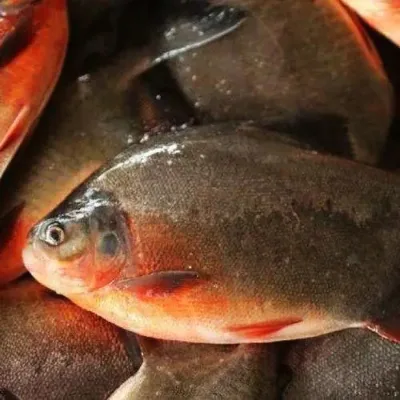
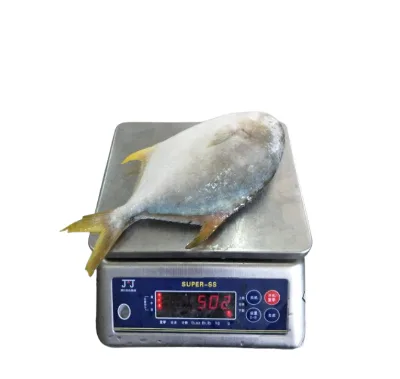


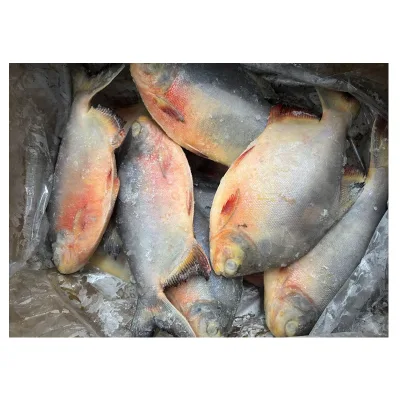
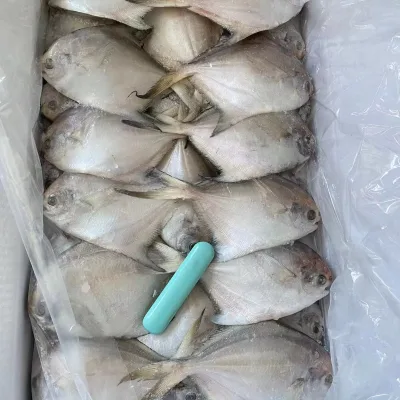
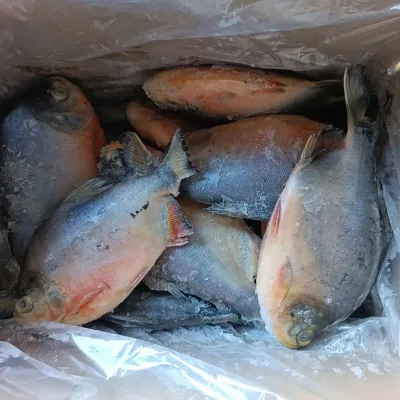
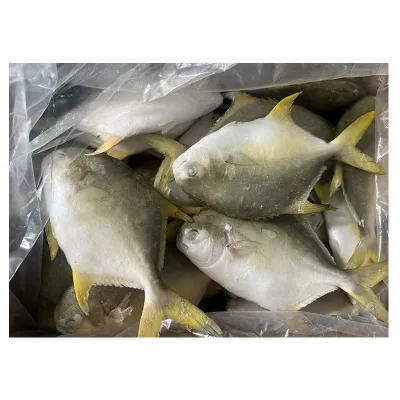
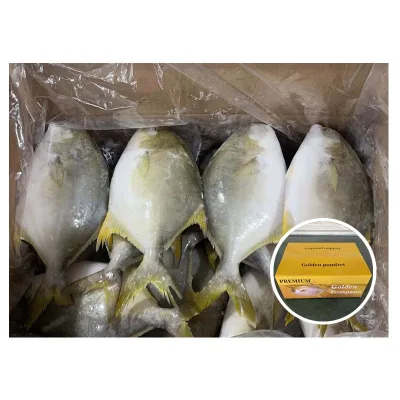
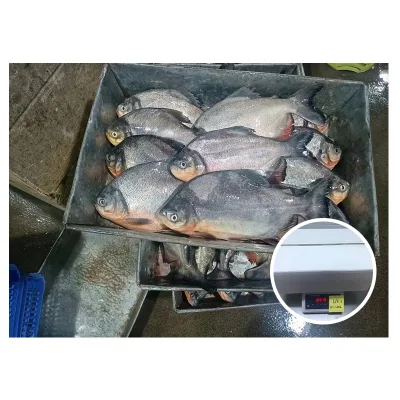


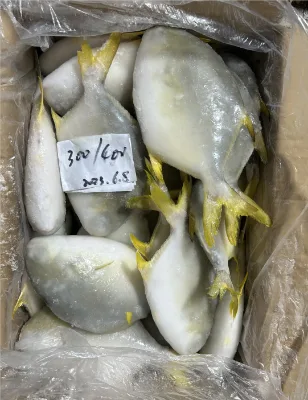
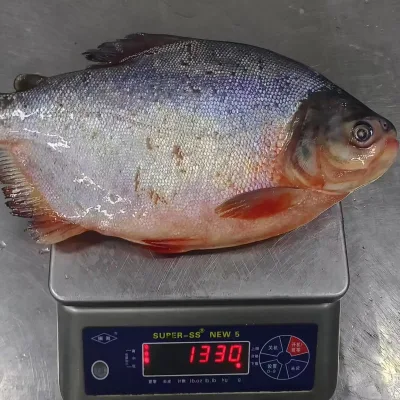
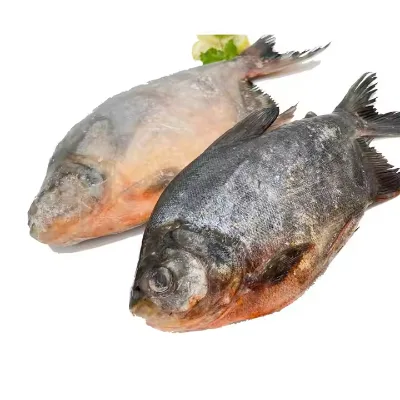
High Quality Good Price Frozen Red Pomfret/ Pacu Frozen Style for Nigeria
$960.73 - $1062.94
MOQ: 27 tons
Comprehensive Sourcing Guide
Strategic Sourcing Guide for IQF Frozen Red Pomfret Procurement
The global seafood market has seen a significant shift toward value-added, ready-to-use frozen proteins, with IQF (Individually Quick Frozen) red pomfret emerging as a high-demand commodity for commercial kitchens and food manufacturers. Sourcing this specific product requires a nuanced understanding of processing technologies, regulatory compliance, and supply chain logistics. Unlike standard frozen blocks, IQF processing ensures that individual fish remain separate, preserving texture and flavor while allowing for precise portion control. This guide provides a comprehensive framework for buyers evaluating suppliers of IQF Frozen Red Pomfret, focusing on technical specifications, certification verification, and risk mitigation strategies based on current industry standards and observed market data.
Understanding IQF Processing and Product Attributes
The core differentiator for this product category is the freezing method. The supply chain data indicates that while some frozen seafood products utilize LQF (Liquid Quick Freezing) processes, the specific target keyword "IQF" implies a technology where the product is frozen rapidly in a way that prevents the formation of large ice crystals. This process is critical for maintaining the structural integrity of the fish flesh. For red pomfret, the observed product attributes include a "Whole" or "Round" style, often described in specifications as "Whole Round Red Pacu WR IWP," though buyers must verify the exact species classification against their local import regulations.
The physical specifications observed in the market suggest a size range of 40-50 cm for whole fish, with a single gross weight typically around 10.000 kg per package. The moisture content is a vital quality indicator, with observed maximums at 10%, which suggests a low water content that minimizes drip loss upon thawing. The product is often categorized under HS Code 0811909090, though buyers should cross-reference this with the specific tariff classification for fish (typically Chapter 03) to ensure accurate customs declaration. The style is noted as "FROZEN" with a "skin on" processing type, which is a preferred attribute for many culinary applications where the skin adds texture and flavor. The packaging material is predominantly plastic within a carton structure, with a standard packing configuration of 10kg per carton.
Technical Specifications and Quality Grading
When evaluating the technical specifications of IQF Frozen Red Pomfret, buyers must look beyond the generic "Grade A" or "AA" labels often found in supplier listings. The market data presents a mix of quality descriptors, including "Grade a" and "AA," indicating that grading systems may vary by supplier. A robust procurement strategy involves defining a clear quality matrix that includes visual inspection criteria for color, which should be a vibrant red, and texture, which must be firm without signs of freezer burn.
The shelf life is a critical technical parameter, with observed data pointing to a 24-month duration under proper storage conditions. This longevity is contingent upon maintaining a storage temperature of -18℃ or lower. Buyers should verify that the supplier's cold chain logistics can guarantee this temperature consistency from the factory gate to the destination warehouse. Any deviation can lead to quality degradation, even if the product was initially processed correctly. Additionally, the product is described as having "no" additives, a significant selling point for health-conscious markets and clean-label food manufacturers. However, buyers must confirm this claim through third-party testing, as the presence of preservatives or anti-freeze agents can sometimes be undisclosed in general product descriptions.
Compliance, Certification, and Regulatory Standards
Navigating the regulatory landscape is perhaps the most critical step in sourcing frozen seafood. The observed certification landscape for this product category is diverse, with listings mentioning BRC, ISO, HACCP, FDA, and Halal certification. It is important to note that not every supplier or product batch may hold all these certifications simultaneously. A supplier might hold BRC and ISO standards for general food safety, while a specific batch intended for the Middle East might require Halal certification.
Buyers should not assume that a supplier's general listing implies universal compliance. Instead, the procurement process must include a request for valid, current certificates for the specific facility and production line supplying the order. The presence of ISO22000 is mentioned in background data as a standard, but its specific application to the red pomfret product line must be verified. Furthermore, the "Place of Origin" is frequently listed as Fujian, China, a major hub for aquaculture and seafood processing. Buyers must ensure that the origin country and specific facility are approved for export to their target market, as import regulations can change rapidly. The "HS Code 0811909090" listed in some data points requires scrutiny, as it may refer to a broader category of frozen fruits or vegetables in some contexts, whereas fish products usually fall under Chapter 03. Accurate classification is essential to avoid customs delays or duties.
Cost Drivers and Economic Considerations
The cost structure for IQF Frozen Red Pomfret is influenced by several dynamic factors. The observed price range in the market spans from $0.87 to $5000, a variance that reflects differences in product size, grade, packaging, and order volume. This wide range indicates that the $0.87 figure likely represents a per-unit or per-kilogram price for bulk raw materials, while the higher end may reflect premium, branded, or specially processed goods. The Minimum Order Quantity (MOQ) is another significant cost driver, with observed ranges from 1 unit to 25,000 units. Many suppliers require a full container load (1 container) for competitive pricing, which impacts the cash flow and storage capacity of the buyer.
Lead times are also a critical component of the total cost of ownership. The observed delivery time of 2-3 weeks suggests a relatively efficient supply chain, but this can fluctuate based on seasonality, raw material availability, and shipping logistics. Buyers should factor in the cost of cold storage at their own facilities, as the product requires a continuous -18℃ environment. The packaging requirements, such as vacuum packs or bulk boxes, also add to the unit cost. While the product is described as "Low-Fat" and "Nutritious," these are marketing attributes rather than direct cost drivers, though they can influence the final retail price and margin potential.
Supplier Evaluation and Verification Protocols
Evaluating a supplier for IQF Frozen Red Pomfret requires a multi-layered approach that goes beyond checking a website. The first step is verifying the physical location and operational capacity. Data points indicate origins in Fujian, China, and specific addresses in that region. Buyers should request a virtual or physical audit of the processing facility to ensure that the IQF tunnel and cold storage facilities meet international standards. The "Customization: Available" attribute suggests that suppliers may offer flexible packaging or processing options, but this capability must be validated through a trial order.
The brand name "MTH" appears in the data, but buyers should not rely on a single brand. Instead, they should evaluate the supplier's track record, financial stability, and ability to scale. The "Variety: alternative" and "Heritage" tags in the data suggest that some suppliers may offer different varieties or heritage breeds, but the primary focus for the "red pomfret" keyword should remain on the specific species' consistency. Buyers should also assess the supplier's response time and communication clarity, as these are indicators of their reliability in handling complex logistics and potential quality issues.
Quality Control and Long-Term Procurement Strategy
Establishing a robust quality control (QC) protocol is essential for maintaining the integrity of the IQF Frozen Red Pomfret supply. The QC process should include pre-shipment inspections focusing on the "Whole" or "Piece" shape, ensuring no broken fillets or missing parts if the product is processed. The "Max. Moisture (%)" of 10% should be a hard limit in the contract, with penalties for exceeding this threshold. Buyers should also implement a sampling plan for every container received, testing for sensory attributes like taste (noted as "Sweet") and appearance.
For long-term procurement, building a relationship with a supplier that offers "Customization" and flexible packaging is advantageous. The ability to adjust the "prod_packing" to "10kg*1/Carton, or as Per Client's Requirement" allows buyers to optimize their logistics and retail presentation. However, buyers must be cautious of the "Variety: alternative" flag, ensuring that the specific product delivered matches the ordered specifications exactly. Long-term contracts should include clauses for price stability, quality guarantees, and clear dispute resolution mechanisms. Given the "Shelf Life: 24 months," buyers should manage their inventory to rotate stock effectively, ensuring that older batches are sold first to maintain product freshness.
Typical Applications and Market Positioning
The versatility of IQF Frozen Red Pomfret makes it suitable for a wide range of applications. The observed "Application" data lists "Honey Raspberries, Yogurt, Raspberry Jam," which seems to be a data anomaly or a generic template error, as pomfret is a fish and not typically used in fruit-based jams. However, the logical applications for red pomfret include whole fish dishes, filleting for restaurants, and use in processed seafood products. The "Instruction for use: FOOD" confirms its suitability for human consumption. The "Low-Fat, Organic, Vitamins, NATURE, Nutritious" features position the product well for health-conscious consumers and premium food service operators.
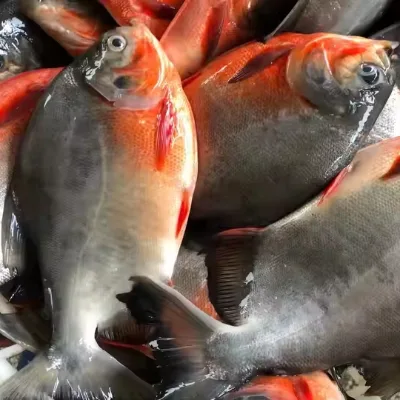
The "Style: Whole" and "Shape: Piece" attributes indicate that the product can be used in its entirety for traditional cooking methods or processed into pieces for convenience foods. The "Color: Red" is a distinctive visual characteristic that can be leveraged in marketing to differentiate the product from other white-fleshed fish. Buyers should align their product positioning with these attributes, ensuring that their marketing materials accurately reflect the "Sweet" taste and "Grade A" quality. The "Processing Type: skin on" is particularly relevant for culinary applications where the skin is desired for texture, such as grilling or pan-searing.
Conclusion and Procurement Best Practices
Sourcing IQF Frozen Red Pomfret is a complex endeavor that requires a balance of technical knowledge, regulatory diligence, and strategic supplier management. Buyers must navigate a market with varying certifications, price points, and product specifications. By focusing on the core attributes of IQF processing, verifying the -18℃ storage requirements, and ensuring compliance with BRC, ISO, and HACCP standards, buyers can mitigate risks and secure a high-quality supply. The wide range of MOQs and lead times necessitates careful planning to align inventory with demand. Ultimately, successful procurement relies on clear communication, rigorous quality control, and a partnership with suppliers who can demonstrate consistent adherence to the high standards required for this premium seafood product.
FAQs
What certifications do IQF Frozen Red Pomfret suppliers typically hold?
Suppliers typically hold BRC, ISO, HACCP, FDA, and Halal certifications. Buyers must verify that specific certificates are current and valid for the production facility supplying the order, as not every batch may hold all listed standards simultaneously.
How is the IQF Frozen Red Pomfret processed and stored?
The product undergoes IQF processing to keep individual fish separate and preserve texture. It requires storage at temperatures below -18℃ to maintain quality and ensure a shelf life of up to 24 months without additives.
What are the standard packaging and size specifications for this fish?
Standard packaging is 10kg per carton, often with plastic inner bags. The whole fish typically measures 40-50 cm in length, with a maximum moisture content of 10% and a skin-on processing style.
Can buyers customize the packaging or product specifications?
Yes, customization is available for packaging and processing requirements. Buyers can request specific carton configurations or product styles, but they should validate these capabilities through a trial order before placing large volume contracts.
What is the typical lead time and origin for this product?
The delivery time is typically 2-3 weeks from the time of order. The product originates from Fujian, China, a major hub for seafood processing, though lead times may fluctuate based on seasonality and shipping logistics.
What is the minimum order quantity for IQF Frozen Red Pomfret?
The minimum order quantity can range from 1 unit to a full container load. Many suppliers require a full container for competitive pricing, so buyers should confirm specific MOQ requirements before finalizing their procurement strategy.