Source Multi Mode Cryotherapy Machine for Pain Relief
Explore 30 Multi Mode Cryotherapy Machine options for pain relief, inflammation reduction, and tissue repair. Compare specifications like cooling methods, temperature ranges, and certifications to find the right solution for commercial or clinical use; compare the available evidence and request quotations based on your requirements.
Key considerations
Products List


CE Certified Cryotherapy Chamber Machine Physical Therapy Equipment Clinic Use
$26000.00 - $29000.00
MOQ: 1 pieces


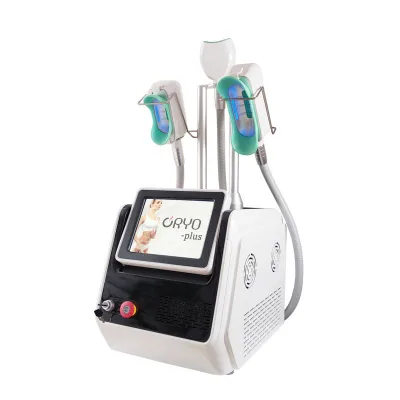


Cryo 6 Cold Air Skin Cooling Machine Cryo Skin Cooling Machine for Laser Treatment
$999.00 - $1299.00
MOQ: 1 Sets


Cold Air Skin Cooling Machine Skin Cooling Machine to Reduce Pain/Air Skin Cooling
$1000.00 - $1800.00
MOQ: 1 set

Fat Freezing Machine Cryoskin Cryotherapy Cryolipolysis Equipment Criolipolisis
$999.00 - $1499.00
MOQ: 1 Pieces


Cold Therapy Machine Cryotherapy System Silent Luminous Atmosphere Light
$75.00 - $120.00
MOQ: 500 Sets


Comprehensive Sourcing Guide
Multi Mode Cryotherapy Machine Sourcing Guide
Buyers must first distinguish between whole-body cryotherapy chambers and localized cooling devices, as the supply chain offers distinct product architectures. The observed market includes units designed for single-person accommodation with liquid nitrogen cooling, alongside larger systems utilizing electricity for tissue repair and orthopedic applications. Understanding whether the procurement goal is commercial facility deployment or clinical orthopedic treatment is essential before evaluating specific listings.
The product range spans from compact units with minimal power requirements to industrial-scale chambers featuring remote control tablets and extensive internal dimensions. Sourcing teams should verify if the required cooling method aligns with facility infrastructure, noting that some models rely on liquid nitrogen while others operate on standard electrical grids. This fundamental distinction dictates the necessary utility upgrades and safety protocols required for successful installation.
Product Scope and Observed Listing Signals
Procurement teams should analyze the observed price variance, which ranges from 75 to 55,000 USD, reflecting significant differences in capacity and technology. Lower-priced entries often correspond to smaller, single-person units with basic cooling functions, whereas higher-cost listings typically indicate large chambers capable of accommodating multiple users or offering advanced features like LCD displays and remote control capabilities.
Buyers must scrutinize the listed capacity and cooling method to ensure alignment with operational needs. While some units are specified for one person with a 120 kg weight, others support 1-2 persons and weigh up to 380 kg. The presence of customization options and OEM services suggests that suppliers can tailor dimensions and branding, but the core cooling mechanism, whether liquid nitrogen or electricity, remains a critical differentiator in the final selection.
Technical Specifications to Verify
Verification of temperature ranges is paramount, as listings indicate capabilities spanning from -120 to -180 degrees Celsius for whole-body applications, while other units may feature different thermal profiles. Buyers must confirm the maximum cooling capacity and pre-cooling times, noting that some systems claim a one-minute pre-cooling phase, which significantly impacts operational throughput in high-volume commercial settings.
Power consumption and voltage requirements present another critical verification point for facility planning. Specifications vary widely, with some units operating on 220 V with 1800 W power, while larger chambers require 380 V and 12,000 W. Additionally, the physical footprint, including external dimensions like 2100×1000×2460 mm, must be cross-referenced against available floor space to ensure the equipment fits the intended installation area without obstruction.
Compliance and Safety Documentation
Safety documentation must explicitly confirm the presence of over-temperature alarms, as listings show conflicting data regarding whether this feature is standard or optional. Buyers should demand clear evidence that the specific unit ordered includes alarm functions to prevent thermal runaway, ensuring that the safety protocols match the operational risks associated with extreme cold environments.
Certification status is a non-negotiable element of the procurement process, with observed listings citing ISO, EEC, FDA, and CE marks. However, buyers must verify that these certifications apply to the specific model being purchased, as some entries list CE certification while others include a broader suite of approvals. Ensuring that the device meets the regulatory standards of the destination country is essential for legal operation and insurance compliance.
Cost Drivers and Commercial Terms
The total cost of ownership is heavily influenced by the cooling method and nitrogen consumption rates, which can range from 3 to 4 liters per single use for liquid nitrogen systems. Buyers should calculate long-term operational expenses based on these consumption figures, as the recurring cost of cryogens can significantly exceed the initial purchase price over the device's lifespan.
Commercial terms regarding packaging and shipping must be clarified, as units are often shipped in wooden crates or specialized strong packing to protect sensitive components. The minimum order quantity varies from one to 500 units, allowing flexibility for both single facility purchases and large-scale distribution networks. Understanding these logistical constraints helps in budgeting for freight and handling costs associated with heavy equipment weighing up to 380 kg.
Supplier Qualification and Quality Control
Supplier qualification should focus on their ability to provide OEM and ODM logo services, indicating a capacity for customization and brand integration. Buyers must assess whether the supplier can accommodate specific requests for chamber sizes or internal configurations, as the observed data shows a range of dimensions from compact 604545 cm units to large 8909902430 mm chambers.
Quality control processes must be validated through the supplier's adherence to production standards and testing protocols. While some listings mention specific model numbers like Lncro-100 or Elcro-100, buyers should request detailed quality assurance reports that verify the structural integrity of the chamber and the reliability of the cooling systems. This due diligence ensures that the equipment will perform consistently under the demanding conditions of commercial or clinical use.
Long-Term Procurement Checks
Long-term procurement strategies should include a review of the supplier's track record for providing replacement parts and technical support for complex cooling systems. Buyers need to ensure that the supplier can maintain the functionality of critical components like the nitrogen tank or electrical control units, which are central to the device's operation and safety.
Finally, buyers must establish clear expectations for post-installation performance monitoring and maintenance schedules. The observed data suggests that different models have varying power and weight profiles, which may influence the frequency of required servicing. Establishing a robust maintenance plan early in the procurement process helps mitigate downtime and extends the operational life of the cryotherapy machine investment.
FAQs
What certifications do multi mode cryotherapy machines have?
These devices typically hold ISOEEC, FDA, and CE certifications to ensure safety and regulatory compliance. The presence of these marks indicates that the equipment meets international standards for electrical safety and medical device performance, allowing for broader market acceptance and reliable operation in commercial settings.
How does the cooling method work in these systems?
The systems utilize either liquid nitrogen or electricity for cooling, depending on the specific model selected. Liquid nitrogen variants offer rapid pre-cooling times of approximately one minute, while electric models provide stable temperature control. This flexibility allows buyers to choose the method that best fits their facility's infrastructure.
Can the machine accommodate multiple users simultaneously?
Yes, certain models are designed to accommodate one to two persons within the chamber. The internal dimensions vary by type, with some units offering spacious interiors for full-body treatment. This capacity makes them suitable for both individual therapy sessions and small group applications in wellness centers.
What is the temperature range for cryotherapy treatment?
The treatment temperature typically ranges from negative 120 to negative 180 degrees Celsius. This extreme cold facilitates tissue repair, pain elimination, and inflammation reduction. The precise control ensures effective therapy while maintaining safety protocols for the user during the short exposure periods required for optimal results.
Is customization available for these cryotherapy devices?
Customization is available, including OEM and ODM logo services for branding purposes. Buyers can often specify certain attributes to match their facility's aesthetic or operational needs. This service allows businesses to integrate the equipment seamlessly into their existing brand identity while maintaining high-performance therapeutic capabilities.
What are the power requirements for these machines?
Power requirements vary by model, with some units operating at 1800 watts and others at 12000 watts. Voltage inputs can be 220 V or 380 V depending on the specific configuration. Buyers must verify the electrical specifications to ensure their facility can support the chosen machine's energy demands.