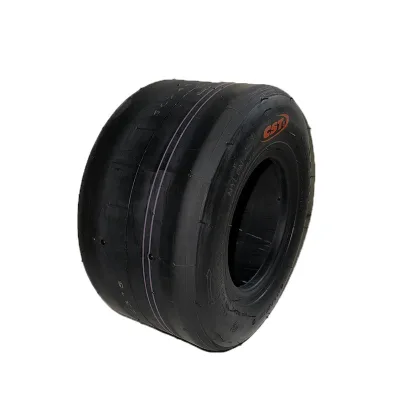
Source knobby go-kart tyre for Racing, Off-road, and Track Use
Find 30 knobby go-kart tyre options from verified Chinese suppliers. Compare specifications including size, weight, and material to select the right tires for racing, off-road, or track applications.
Key considerations
Products List
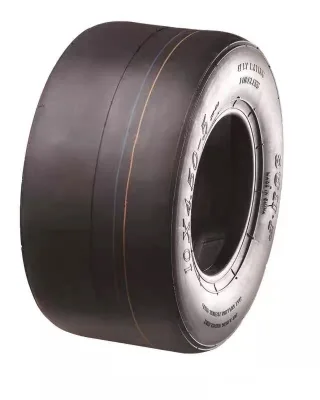
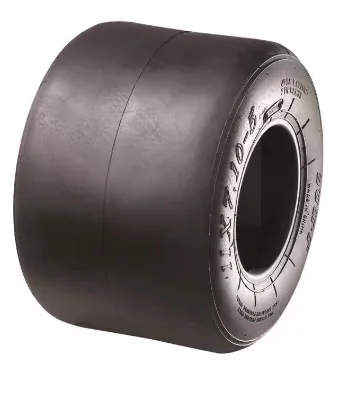
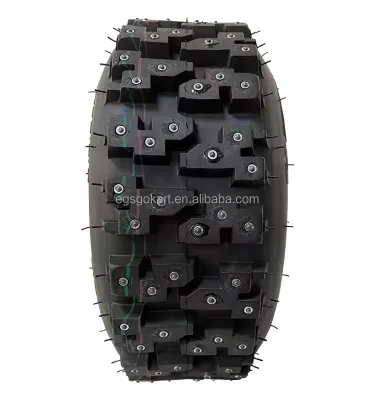


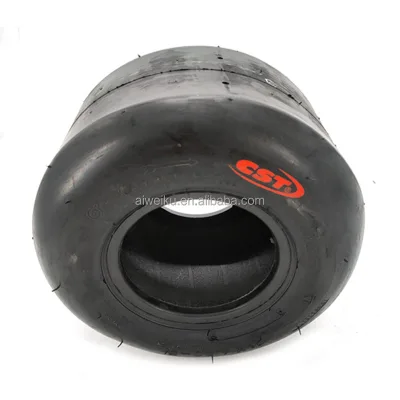
$12.31 - $12.64
MOQ: 4 pieces
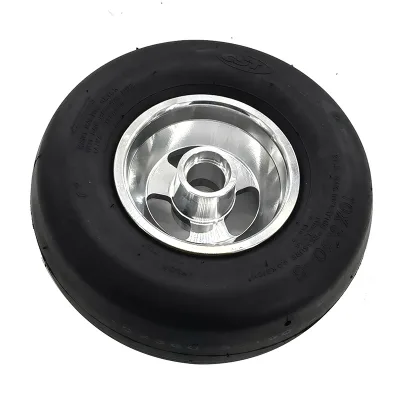
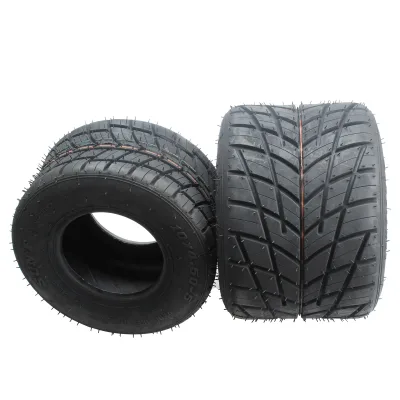
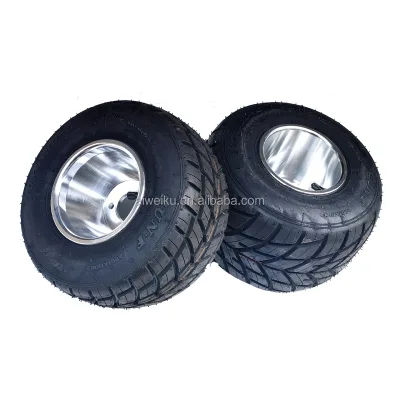


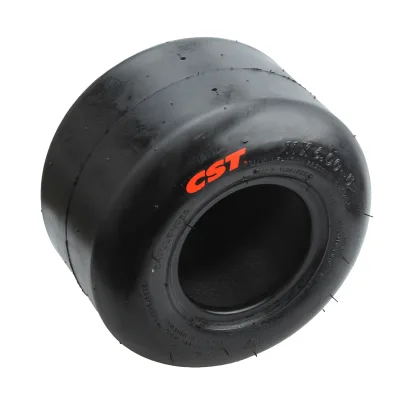

Comprehensive Sourcing Guide
Strategic Sourcing Guide for Knobby Go-Kart Tyres
Understanding Technical Specifications and Dimensions
When sourcing knobby go-kart tyres, the primary challenge lies in matching precise dimensional requirements to the specific chassis and wheel configuration of the target vehicle. The market presents a fragmented landscape of sizes, ranging from small utility applications to high-performance racing configurations. Based on observed product data, a critical specification to verify is the wheel size, which often dictates the entire procurement strategy. For instance, specific models are listed with front tyre dimensions of 104.5-5 and rear dimensions of 117.10-5, while other entries specify a rear tire model of 11.5*4.5-5 or a generic 11X7.1-5. These variations are not interchangeable; a mismatch in the rim diameter or width can lead to catastrophic failure during operation.
The material composition is another non-negotiable technical factor. The vast majority of available units are constructed from rubber, a standard that ensures the necessary elasticity and grip required for traction. However, the specific rubber compound and the tread pattern design are what define the "knobby" characteristic. Buyers must distinguish between smooth tread patterns, which are often found on wheelbarrow or hand trolley applications, and aggressive knobby patterns designed for off-road or all-terrain use. The observed data indicates a clear divergence between "All-terrain Tire" types and standard "Go kart tyre" models. When evaluating a supplier, the buyer must confirm that the tread pattern is explicitly knobby and not smooth, as the latter is intended for indoor or paved surfaces and will offer poor performance on loose terrain.
Weight is a significant performance metric that influences acceleration and handling dynamics. Observed listings provide specific weight data, such as a front tyre weighing 1.5kg and a rear tyre weighing 2.3kg. These figures are essential for calculating unsprung mass and ensuring the suspension system is balanced. Additionally, the ply rating, which indicates the strength and load-bearing capacity of the tyre, varies across the market. Some entries specify a 2-ply construction, while others list 4-ply options. For heavy-duty go-karts or those carrying significant loads, a 4-ply rating is generally preferable to prevent blowouts under stress. The maximum load capacity also varies, with some units rated for 200kg and others for 250kg. Procurement teams must align these load ratings with the total weight of the kart plus the driver to ensure safety margins are met.
Compliance, Certification, and Regulatory Standards
Navigating the regulatory landscape for tyres requires a rigorous verification of certifications, as these documents serve as proof of compliance with safety and environmental standards. The supply chain for tyres in this sector often involves products originating from specific manufacturing hubs, such as Zhejiang and Yongkang in China. While the geographical origin is a logistical detail, it often correlates with the specific certification regimes a supplier adheres to.
Buyers must scrutinize the certification labels provided by the manufacturer. Observed product data lists several key certifications, including CCC (China Compulsory Certification), DOT (Department of Transportation), ISO, RoHS, and CE. The presence of these marks is not merely a formality; they indicate that the product has undergone specific testing protocols. For example, CCC is a mandatory certification for products sold within the Chinese market, while DOT compliance is often a prerequisite for tyres intended for road use or specific international markets. ISO certification, particularly ISO 9001, suggests that the manufacturer maintains a quality management system, which is a strong indicator of process consistency.
However, the presence of a certification label on a product listing does not guarantee that every unit in a batch meets the standard. Buyers should treat certifications as observations of the supplier's capabilities rather than automatic guarantees for every single item. It is crucial to request valid, up-to-date certification documents directly from the supplier before placing an order. The data also mentions "Standard" specifications like 11x7.1-5 and 3.00-4, which serve as reference points for dimensional compliance. When verifying a supplier, the buyer should ensure that the product's stated standard matches the physical dimensions of the tyre. Discrepancies between the listed standard and the actual product can lead to rejection of goods upon arrival.
Furthermore, environmental compliance is increasingly important. The RoHS (Restriction of Hazardous Substances) certification indicates that the tyre does not contain specific hazardous materials above regulated thresholds. This is particularly relevant for buyers operating in regions with strict environmental regulations. The combination of CCC, DOT, and ISO certifications suggests a robust compliance framework, but the buyer must verify that these apply to the specific model being purchased, as suppliers often list certifications for their entire product line rather than individual SKUs.
Cost Drivers and Pricing Dynamics
The pricing structure for knobby go-kart tyres is influenced by a complex interplay of factors, including material costs, manufacturing complexity, and order volume. The observed price range in the market spans from $0.90 to $400 USD, a wide disparity that reflects the diversity of product types and quality levels. This range is not indicative of a single product's volatility but rather the spectrum from basic utility tyres to specialized, high-performance racing components.
A primary driver of cost is the tyre size and weight. Larger tyres, such as those with rear dimensions of 11*7.10-5, require more raw rubber and a more complex molding process than smaller 4-inch or 3.00-4 models. Consequently, the heavier rear tyres, which can weigh up to 2.3kg, typically command a higher price point than lighter front counterparts. The ply rating also significantly impacts cost; a 4-ply tyre requires more material and reinforcement layers than a 2-ply version, justifying a higher price. Buyers should expect to pay a premium for tyres that offer higher load capacities, such as those rated for 250kg compared to 200kg.
Order volume is another critical cost determinant. The market exhibits a wide range of Minimum Order Quantities (MOQ), from as low as 1 unit to as high as 1000 units. Suppliers often structure their pricing tiers to reward bulk purchasing. For instance, a buyer ordering a single item may face a unit price at the higher end of the spectrum, while an order of 500 or 1000 units may trigger significant discounts. The observed data shows a "Mini Order" of 500PCS for certain wheelbarrow tyres, suggesting that for smaller manufacturers or distributors, the threshold for competitive pricing is substantial. Buyers must balance their inventory needs against the upfront capital required to meet these MOQs.
Packaging and logistics also contribute to the final landed cost. The data indicates various packing methods, including woven bags, carton boxes, and bundles of 10 pieces. Standard packing is generally more cost-effective, while custom packaging or specialized protection for high-value items may incur additional fees. The selling unit is typically listed as a "Single item," but bulk transactions often involve bundling. Buyers should clarify whether the quoted price includes packaging costs and whether the packaging is suitable for long-distance shipping to prevent damage during transit.
Typical Applications and Performance Expectations
Knobby go-kart tyres are designed for specific use cases that demand high traction and durability. The primary application is for go-karts, where the tyre must provide sufficient grip for cornering and acceleration. However, the market also includes tyres intended for retrofitting and upgrading existing vehicles, as well as those designed for all-terrain use. The distinction between "for replace/repair" and "for retrofit/upgrade" is important for buyers looking to modify their fleet.
The performance expectations vary based on the intended environment. All-terrain tyres, as identified in the product data, are engineered to handle loose surfaces, mud, and uneven ground. These tyres typically feature a knobby tread pattern that digs into the terrain to prevent slippage. In contrast, smooth tread tyres are unsuitable for off-road applications and are better suited for wheelbarrows, hand trolleys, and hand carts where low rolling resistance on paved surfaces is the priority. Buyers must ensure that the selected tyre matches the operational environment of the go-kart.
The fitment specifications are equally critical. The data highlights tyres designed for specific wheel sizes, such as FR:104.5-5 and RR:117.10-5. These dimensions are not universal; a tyre designed for a 5-inch rim will not fit a 6.5-inch rim. The "Fit for: Go kart" attribute confirms the primary application, but buyers should verify the specific model compatibility. Some tyres are marketed as "ninebot gokart pro rear tires," indicating a specialized fit for electric go-kart models. This level of specificity suggests that buyers should cross-reference the tyre model with the go-kart manufacturer's recommendations to ensure proper fitment.
Load capacity is another performance factor that dictates application suitability. Tyres with a maximum load of 250kg are suitable for heavier karts or those carrying multiple passengers, while those rated for 200kg may be sufficient for lighter, single-rider configurations. The ply rating also influences durability; a 4-ply tyre is more resistant to punctures and wear, making it ideal for rough terrain, whereas a 2-ply tyre may be adequate for smooth, controlled environments.
Supplier Evaluation and Quality Assurance
Evaluating suppliers for knobby go-kart tyres requires a systematic approach to ensure reliability and product consistency. The first step is to verify the supplier's location and production capabilities. The observed data points to manufacturing hubs in Zhejiang and Yongkang, China. While these locations are known for tyre production, buyers should not assume that all suppliers in these regions meet the same quality standards. It is essential to request a factory audit or a detailed profile of the manufacturing facility to assess their capacity and quality control processes.
Certification verification is a cornerstone of supplier evaluation. As noted earlier, certifications like CCC, DOT, ISO, and RoHS are critical indicators of compliance. However, buyers must go beyond the product listing and request copies of the actual certificates. The supplier should be able to provide valid documentation that matches the specific product model. If a supplier claims to have ISO certification but cannot provide the certificate number or the scope of the certification, this is a red flag.
Quality control measures should be a central part of the supplier evaluation. Buyers should inquire about the supplier's internal testing protocols, including checks for dimensional accuracy, tread pattern consistency, and load-bearing capacity. The observed data mentions specific weight and ply ratings, which suggests that these are measurable attributes. A reputable supplier should be able to provide test results or quality reports that confirm these specifications. Additionally, the supplier should have a clear process for handling defects and returns, ensuring that any non-conforming products are identified and addressed promptly.
Customization capabilities are another factor to consider. The data indicates that some suppliers offer "Customized" options, while others list "Non-Customized" products. If the buyer requires specific branding, color variations, or unique tread patterns, they should confirm the supplier's ability to meet these requirements. The "Customization: Available" attribute suggests flexibility, but buyers should clarify the lead time and additional costs associated with custom orders.
Long-Term Procurement and Inventory Management
Sourcing knobby go-kart tyres is not a one-time transaction but a long-term relationship that requires strategic planning. Inventory management is a key consideration, as the wide range of MOQs and lead times can impact supply chain stability. Buyers should develop a forecasting model that accounts for seasonal demand fluctuations and potential supply chain disruptions. Given the observed MOQ range of 1 to 1000 units, buyers can choose a strategy that balances inventory costs with supply security. For high-volume users, a larger MOQ may offer better unit economics, while smaller buyers may prefer to order in smaller batches to maintain flexibility.
The packaging and shipping logistics also play a crucial role in long-term procurement. The data lists various packing options, including woven bags and carton boxes. Buyers should evaluate the durability of the packaging to ensure that the tyres arrive in good condition. For international shipments, the packaging must be robust enough to withstand handling and environmental exposure. The "Common Standard Packing" mentioned in the data suggests a baseline level of protection, but buyers may need to request enhanced packaging for high-value or fragile items.
Supplier relationship management is essential for maintaining a steady supply of quality tyres. Buyers should establish clear communication channels with their suppliers to address any issues quickly. Regular reviews of supplier performance, including delivery times, product quality, and responsiveness, can help identify areas for improvement. Building a relationship with a reliable supplier can lead to better pricing, priority production, and access to new products.
Finally, buyers should stay informed about industry trends and technological advancements in tyre manufacturing. The market is dynamic, with new materials and designs emerging regularly. By staying engaged with the industry, buyers can make informed decisions about when to upgrade their tyre inventory or switch to more efficient suppliers. This proactive approach ensures that the procurement strategy remains aligned with the evolving needs of the go-kart market.
FAQs
What certifications are available for knobby go-kart tyres?
Available certifications include CCC, DOT, ISO, RoHS, and CE. These marks indicate compliance with safety and environmental standards, but buyers must verify that the specific model holds valid documentation before purchasing.
Which wheel sizes are commonly available for go karts?
Common sizes include front 10*4.5-5 and rear 11*7.10-5, as well as 11.5*4.5-5 and 11X7.1-5. These dimensions are not interchangeable, so buyers must match the tyre to the specific rim width and diameter of their vehicle.
Can I find knobby go-kart tyres with 4-ply construction?
Yes, 4-ply options are available alongside 2-ply versions. A 4-ply rating offers higher strength and load-bearing capacity, making it preferable for heavy-duty karts or those carrying significant loads to prevent blowouts.
How much do knobby go-kart tyres typically weigh?
Front tyres often weigh 1.5kg while rear tyres weigh 2.3kg. These weight figures are critical for calculating unsprung mass and ensuring the suspension system remains balanced during operation.
What is the minimum order quantity for these tyres?
The minimum order quantity ranges from 1 to 1000 units depending on the supplier. Some specific models like wheelbarrow tyres may require a mini order of 500 pieces, while others allow single-item purchases.
Where are knobby go-kart tyres manufactured?
Products originate from manufacturing hubs in Zhejiang and Yongkang, China. While these locations are known for production, buyers should verify factory capabilities and quality control processes rather than assuming uniform standards across all suppliers.