Source Knob Lock Video Tripod for Photography, Filming, and Live Streaming
Compare 30 Knob Lock Video Tripod options from verified suppliers. Buyers can evaluate specifications like load capacity, extended length, and material to find the right gear for digital cameras and video production needs; compare the available evidence and request quotations based on your requirements.
Key considerations
Products List
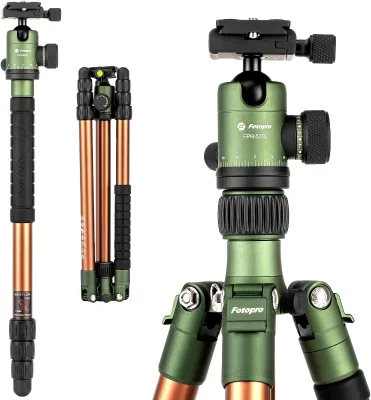
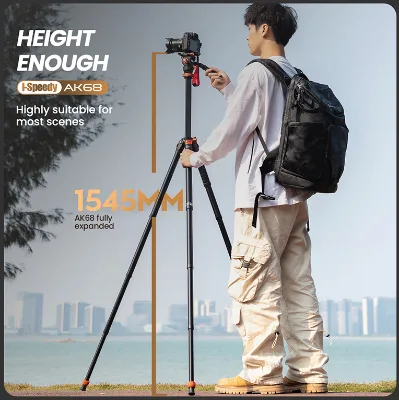
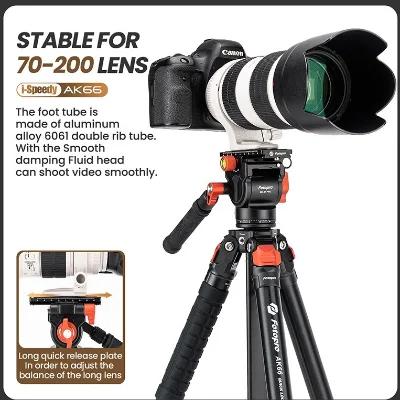
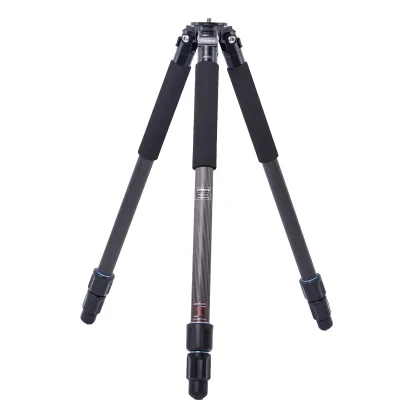
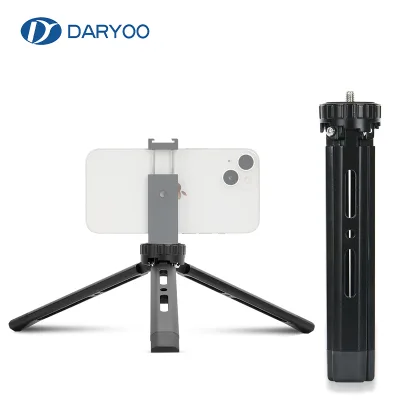

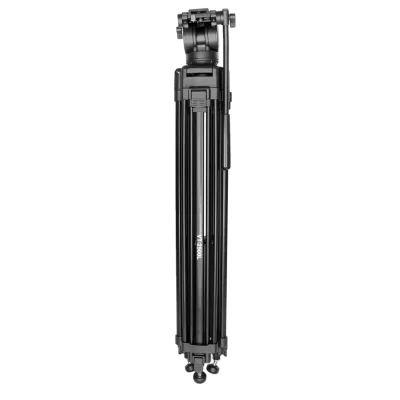
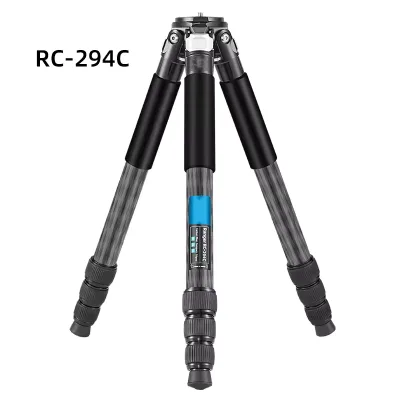
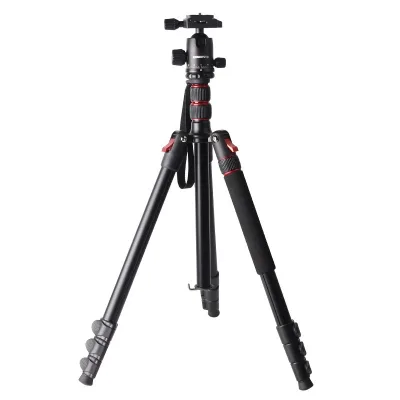
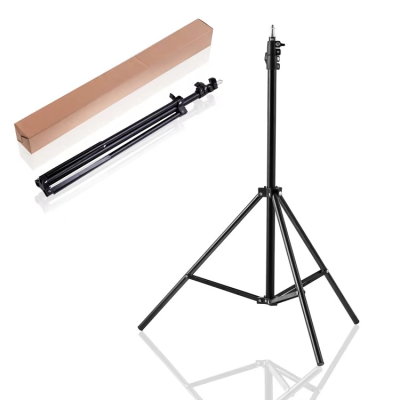
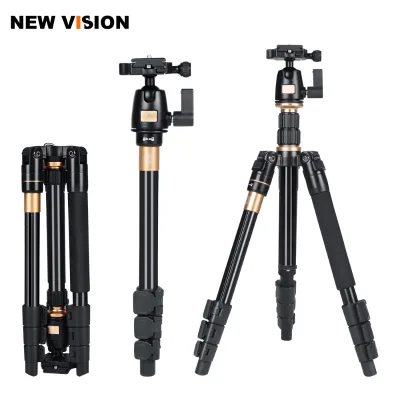
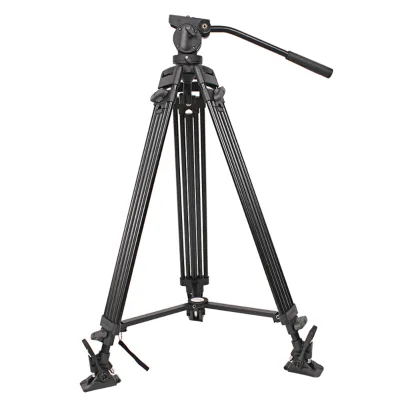
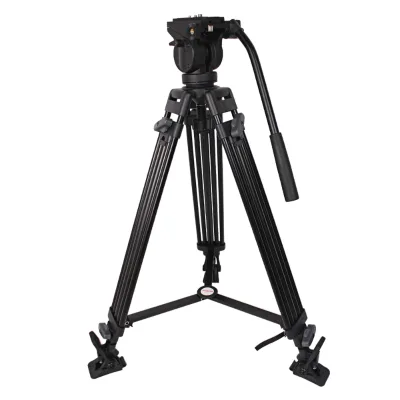
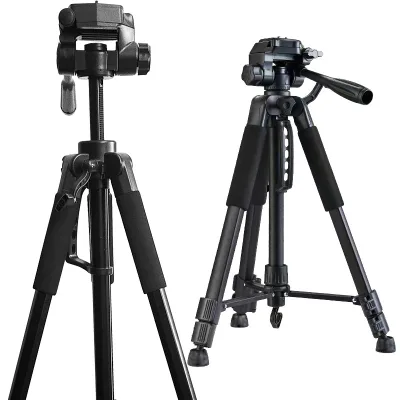
Professional Heavy-Duty Video Camera Tripod for DSLR Camcorder Telescope Photography for DV Users
$140.00 - $150.00
MOQ: 50 pieces
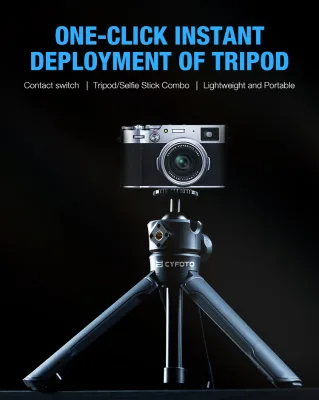
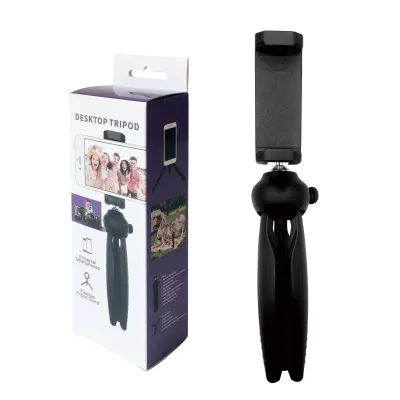
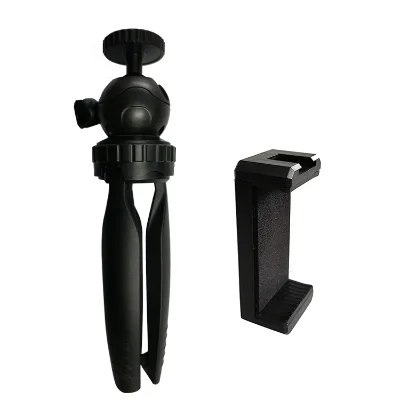


$15.00 - $50.00
MOQ: 50 Pieces


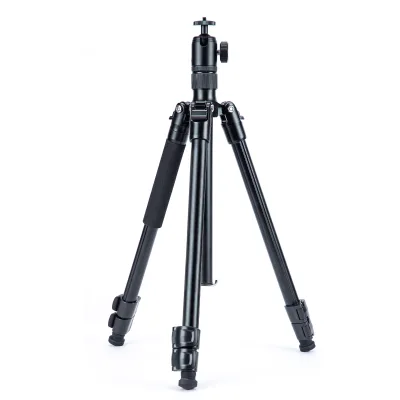
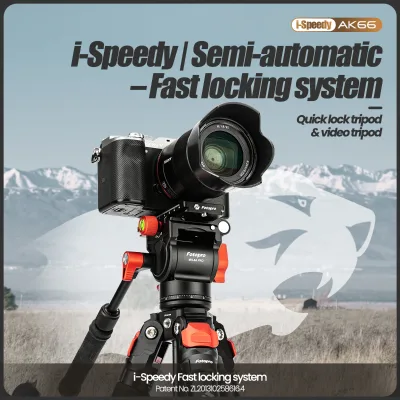
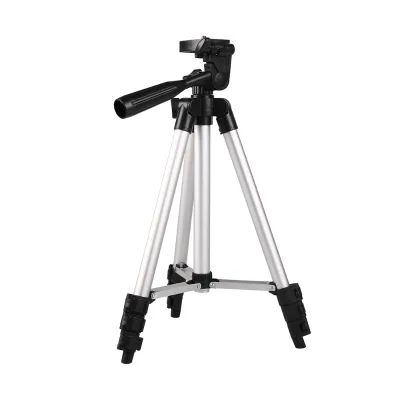
Comprehensive Sourcing Guide
Knob Lock Video Tripod Sourcing Guide
Procuring a Knob Lock Video Tripod requires distinguishing between models designed for lightweight portability and those built for heavy-duty stability. The observed market data indicates a clear split in load capacities, ranging from 8kg to 25kg, which directly dictates the suitability of a unit for specific camera rigs. Buyers must carefully align the tripod's maximum load rating with the combined weight of their camera body, lens, and any attached accessories to prevent structural failure during operation.
The locking mechanism is a critical differentiator, with some listings specifying knob locks while others offer flip, speed, or twist locks. While knob locks provide a secure, tactile feel that resists accidental loosening, they may require more time to adjust compared to lever systems. Sourcing teams should verify the specific lock type for each unit, as the mechanism influences both the speed of setup and the long-term durability of the leg joints under repeated use.
Product Scope and Observed Listing Signals
The current product landscape features tripods with varying leg section counts, primarily observed as three or four sections, which impacts the folded length and overall portability. Listings show extended lengths reaching up to 2005mm, while folded lengths vary significantly from 490mm to 585mm depending on the model and material composition. Buyers should prioritize units where the folded dimensions align with their transport requirements, ensuring the gear fits within standard luggage or vehicle storage constraints.
Material composition is another key signal, with carbon fiber and aluminum options both present in the supply chain. Carbon fiber models, such as those weighing 1.61kg, offer superior vibration dampening and weight reduction, whereas aluminum variants often provide a lower entry price point but at the cost of increased mass. Procurement decisions should weigh the trade-off between the premium performance of carbon fiber and the cost-effectiveness of aluminum based on the specific frequency of travel and budget constraints.
Technical Specifications to Verify
Extended length and maximum height are primary specifications that must be validated against the operator's ergonomic needs. Data shows extended lengths ranging from 1510mm to 2005mm, with corresponding maximum heights of 1545mm to 1566mm. Buyers should verify the specific height of the unit they intend to purchase, as even small discrepancies can affect the ability to achieve eye-level shooting without excessive crouching or the need for a center column extension.
The diameter of the leg tubes and the minimum height are equally critical for stability and low-angle photography. Observed tube diameters range from 22mm to 28mm, with minimum heights as low as 168mm for certain models. A larger tube diameter generally correlates with higher load capacity and rigidity, while a lower minimum height allows for creative ground-level shots. Sourcing teams must confirm these dimensions to ensure the tripod can support the intended camera weight while offering the necessary range of motion.
Compliance and Safety Documentation
While specific certification data is limited in the provided listings, buyers must request proof of compliance with relevant safety standards for the target market. The presence of a CE certification mark is noted in background data, suggesting that some manufacturers may adhere to European safety directives. However, procurement teams should not assume compliance based on general market trends and must explicitly request test reports or certificates of conformity before finalizing orders.
Safety documentation should also cover the structural integrity of the locking mechanisms and the stability of the base. Given the high load capacities observed, ranging from 8kg to 25kg, it is essential to verify that the tripod has undergone stress testing to prevent collapse under full load. Buyers should ask suppliers for internal quality control records or third-party test results that validate the safety margins of the product, ensuring that the equipment will not fail during critical video shoots.
Cost Drivers and Commercial Terms
The price of a video tripod is heavily influenced by the material used, with carbon fiber models commanding a premium over aluminum alternatives. The observed price range spans from $1.1 to $1000, reflecting the vast difference between entry-level aluminum tripods and high-end carbon fiber systems. Buyers should analyze the cost per kilogram of load capacity to determine the true value proposition, rather than focusing solely on the sticker price or brand name.
Minimum Order Quantities (MOQ) and lead times are significant commercial factors that vary across the supply base. The observed MOQ ranges from 1 to 500 units, offering flexibility for small buyers while potentially requiring larger commitments for bulk procurement. Sourcing teams must negotiate terms that align with their inventory strategy, balancing the need for immediate stock against the benefits of larger order volumes that might secure better unit pricing or priority production slots.
Supplier Qualification and Quality Control
Supplier qualification should focus on the manufacturer's ability to maintain consistent quality across different production batches. The observed data indicates multiple models from the same origin, such as Guangdong, China, suggesting a concentration of manufacturing expertise in that region. Buyers should verify the supplier's production capacity and quality assurance processes to ensure that the specific model ordered matches the specifications of the sample provided.
Quality control checks must include a physical inspection of the locking mechanisms, leg joints, and finish quality. Since the listings mention various lock types like knob, flip, and twist locks, it is vital to test these mechanisms for smooth operation and resistance to wear. Procurement teams should implement a rigorous inspection protocol that verifies the weight, dimensions, and load capacity of the received goods against the agreed-upon technical specifications to prevent receiving substandard units.
Long-Term Procurement Checks
Long-term procurement success depends on the durability of the tripod under repeated use and environmental stress. Buyers should monitor the performance of the locking mechanisms over time, as frequent tightening and loosening can lead to wear that compromises stability. Establishing a feedback loop with end-users to report any issues with leg slippage or lock failure will help identify potential quality issues early in the product lifecycle.
Sourcing teams must also plan for the availability of replacement parts and accessories to extend the usable life of the equipment. The presence of features like bubble levels and adjustable angles suggests that these components are integral to the tripod's function. Ensuring that the supplier can provide spare parts, such as leg locks or rubber feet, will reduce downtime and protect the investment in the tripod fleet, making it a more sustainable choice for ongoing video production needs.
FAQs
What is the maximum load capacity for these tripods?
The maximum load capacity ranges from 8kg to 25kg depending on the specific model. Higher-end carbon fiber versions typically support up to 8kg, while aluminum models may offer greater stability for heavier professional video equipment. Buyers should verify the exact specification for their intended camera gear to ensure safe operation.
How does the knob lock mechanism improve usability?
The knob lock mechanism provides secure and precise leg adjustments for stable positioning. It allows photographers to quickly set the desired height and angle without accidental slippage. This feature is particularly useful for video work where steady framing is essential, ensuring the camera remains fixed during long recording sessions or windy conditions.
What is the folded length for portability?
Folded lengths vary between 490mm and 585mm across different models. Compact designs like the 490mm option enhance portability for travel, while longer folded lengths may accommodate additional features. These dimensions allow the tripod to fit easily into standard camera bags, making it convenient for on-location shoots and mobile videography workflows.
Can this tripod support digital and video cameras?
Yes, these tripods are designed to support both digital and video cameras. They feature compatible mounting options and stable leg structures to handle various camera weights. The inclusion of a bubble level ensures accurate leveling, which is critical for professional video production and high-quality still photography applications in diverse shooting environments.
What materials are used in construction?
Construction materials include carbon fiber and aluminum, offering different weight and durability profiles. Carbon fiber models provide lightweight portability with high strength, while aluminum options offer robust stability at a potentially lower cost. These materials ensure the tripod can withstand regular use while maintaining structural integrity for professional photography and videography tasks.
What is the maximum extended height?
Maximum extended heights range from 1510mm to 2005mm depending on the model. Taller configurations allow for eye-level shooting without bending, improving comfort during extended sessions. Buyers should select a height that matches their typical shooting posture and equipment requirements to ensure optimal ergonomics and image composition during professional photography or video projects.