Source Lace-up Elastic Ankle Support Brace for Sports
Find 30 lace-up elastic ankle support brace options from China suppliers. Compare models like AS019 and DG-519037, featuring CE and ISO certifications, Oxford fabric, and adjustable designs for basketball and football protection; compare the available evidence and request quotations based on your requirements.
Updated
Key considerations
Products List


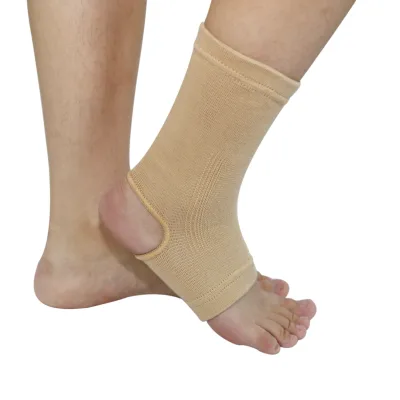
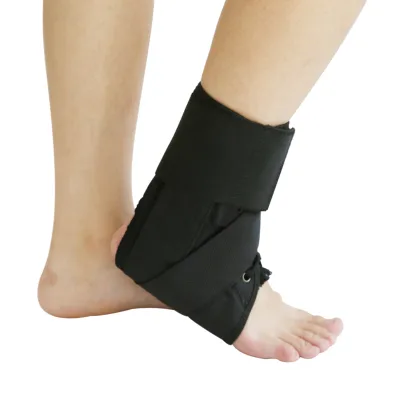
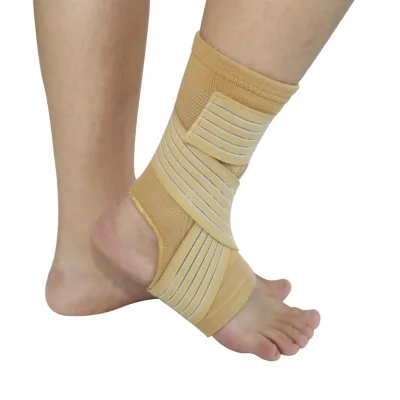


Customized Design Protector Elastic Anti-Slip Adjustable Strap Brace Ankle Support
$6.90 - $10.40
MOQ: 100 Pieces

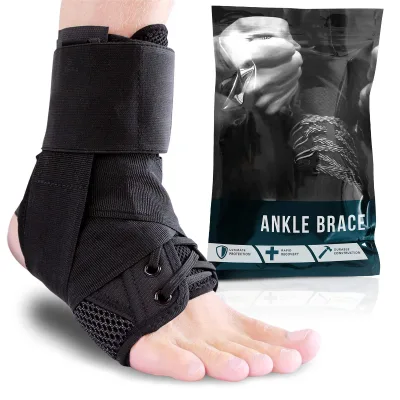
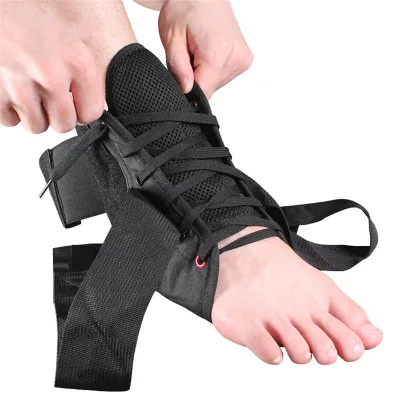
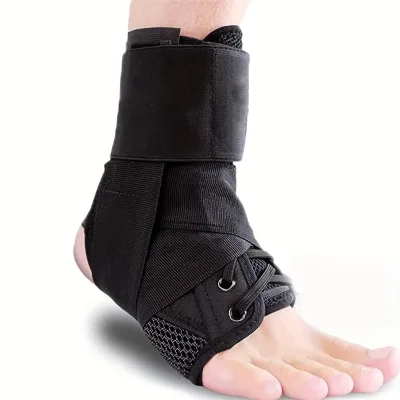
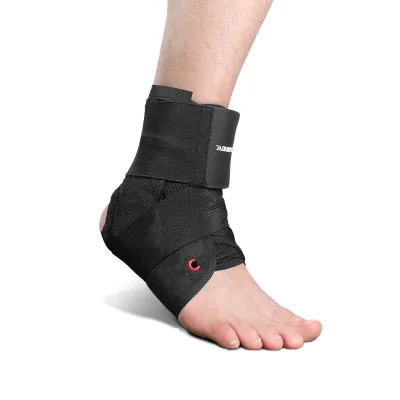
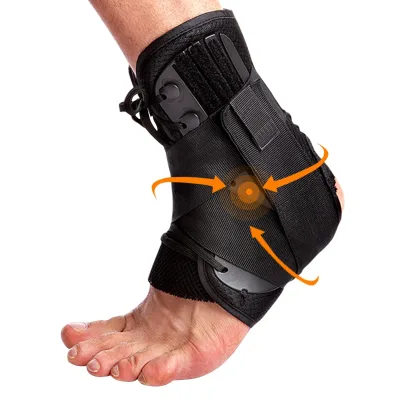
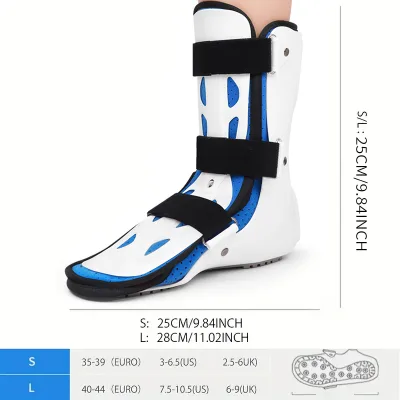


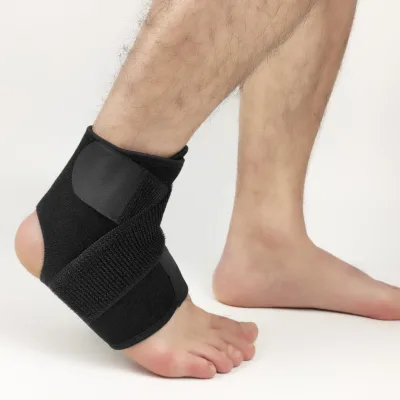
Adjustable Ankle Brace Lace up Ankle Support Ankle Pain Sprain Guard Strap Brace
$1.6576 - $1.9373
MOQ: 10 pieces
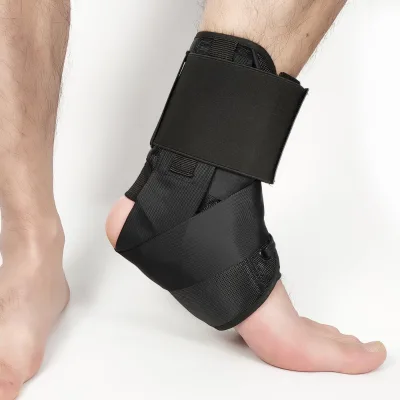
Lace-Up Breathable Compression Ankle Support Brace Stabilizer for Protection
$3.0653 - $3.7954
MOQ: 2 pieces
Comprehensive Sourcing Guide
Lace-Up Elastic Ankle Support Brace Sourcing Guide
Procuring lace-up elastic ankle support braces requires a careful balance between mechanical stability and material comfort, particularly for buyers targeting athletic or medical rehabilitation markets. The observed product landscape indicates a strong emphasis on adjustable closure systems, specifically buckles, which allow for precise fit customization across diverse user demographics. Buyers must prioritize suppliers who offer OEM and ODM capabilities, as branding and specific design modifications are frequently requested to differentiate products in competitive retail environments.
The material composition is a critical differentiator, with observed listings highlighting the use of elastic fabrics, polyester, and nylon blends to ensure durability and breathability. These materials are selected to provide compression while maintaining flexibility, which is essential for activities such as basketball, football, and tennis. Sourcing teams should verify that the chosen fabric meets specific stretch and recovery standards to prevent premature degradation, ensuring the brace retains its supportive properties after repeated use and washing cycles.
Product Scope and Observed Listing Signals
The current market signals reveal a diverse range of ankle support configurations, with models such as AS019, AS013, and AS004 representing various structural designs. These listings often feature customizable packaging options, ranging from simple polybags to customized boxes, which directly impact logistics costs and retail presentation. Buyers should note that while some products are marketed for general fracture fixation, others are specifically designed for basic protection and pain relief, requiring clear distinction in product categorization to avoid misalignment with end-user expectations.
Observations also indicate a wide variation in target demographics, with some products labeled for all ages while others are strictly for adults. This segmentation necessitates rigorous verification of sizing charts, as observed sizes typically include S, M, and L, with some products adhering to a one-size-fits-all standard. Procurement teams must ensure that the selected supplier provides accurate size mapping to minimize return rates, particularly when dealing with unisex designs that must accommodate varying ankle circumferences effectively.
Technical Specifications to Verify
Technical verification must begin with the closure mechanism, as lace-up and buckle systems offer different levels of security and ease of use. Buyers should inspect the quality of the buckles and laces to ensure they can withstand high-tension activities without breaking or slipping. Additionally, the thickness of the material, often categorized as medium, plays a significant role in the brace’s ability to provide compression without restricting blood flow, requiring physical sampling to assess comfort and support levels accurately.
The waterproof status of the product is another critical technical attribute, with many observed listings indicating non-waterproof materials. This limitation is important for buyers targeting outdoor sports or humid environments, as it may necessitate additional care instructions or material upgrades. Furthermore, the printing methods, such as heat-transfer printing, should be evaluated for durability to ensure that logos and branding do not peel or fade after multiple washes, which is a common complaint in athletic wear.
Compliance and Safety Documentation
Regulatory compliance is paramount when sourcing medical or semi-medical devices, with CE and ISO certifications frequently observed in the supply chain. Buyers must verify that the supplier holds valid ISO 13485 certification, which specifically addresses quality management for medical devices, ensuring that manufacturing processes meet international safety and efficacy standards. This documentation is essential for entering regulated markets such as the European Union and the United States, where FDA clearance may also be required for certain therapeutic claims.
Beyond certifications, buyers should request detailed test reports that validate the material’s tensile strength and elasticity retention. These tests provide objective data on the product’s performance under stress, helping to mitigate the risk of product failure during use. It is crucial to ensure that the supplier can provide up-to-date compliance certificates that match the specific model numbers being ordered, as certifications are often tied to specific product configurations and manufacturing sites.
Cost Drivers and Commercial Terms
Cost structures for ankle braces are influenced by material complexity, customization levels, and order volume, with observed MOQs ranging from 2 to 1000 units. Buyers should analyze the price-to-quality ratio carefully, as lower prices may correlate with inferior elastic recovery or less durable closure components. The availability of customization, including logo printing and packaging design, often incurs additional setup fees, which should be factored into the total landed cost calculation for smaller order batches.
Lead times are a significant commercial factor, with observed production cycles extending up to 45 days. This timeline must be integrated into inventory planning to prevent stockouts, especially during peak sports seasons. Buyers should negotiate clear terms regarding delays and expedited shipping options, as well as clarify who bears the cost of sample production and shipping, which can vary significantly between suppliers and impact the overall procurement budget.
Supplier Qualification and Quality Control
Supplier qualification should involve a thorough audit of manufacturing facilities, focusing on their ability to maintain consistent quality across large production runs. Buyers should verify that the supplier has established quality control checkpoints for material inspection, stitching integrity, and final packaging. The origin of the products, often listed as Xiamen or Fujian in China, should be cross-referenced with the supplier’s actual factory location to ensure transparency and facilitate effective on-site audits.
Quality control protocols must include random sampling and stress testing of finished goods before shipment. Buyers should define acceptable defect rates and establish clear procedures for handling non-conforming products, including returns or replacements. Additionally, verifying the supplier’s ability to handle ODM/OEM requests efficiently is crucial, as this capability indicates their flexibility and responsiveness to specific design requirements and branding needs.
Long-Term Procurement Checks
Long-term procurement success depends on the supplier’s ability to maintain product consistency and adapt to evolving market demands. Buyers should regularly review supplier performance metrics, including on-time delivery rates, defect rates, and responsiveness to quality issues. Establishing a continuous improvement framework with key suppliers can help identify areas for enhancement, such as material upgrades or design refinements, ensuring that the product remains competitive in the long run.
It is also essential to monitor regulatory changes and certification renewals to ensure ongoing compliance. Buyers should maintain open communication channels with suppliers to stay informed about any changes in manufacturing processes or material sourcing that could impact product quality or lead times. By fostering strong, collaborative relationships with qualified suppliers, buyers can secure a reliable supply chain that supports sustained growth and customer satisfaction.
FAQs
What certifications do these ankle braces have?
These ankle braces hold CE, ISO, ISO13485, and FDA certifications. This ensures they meet international safety and quality standards for medical and sports protection. Buyers can verify these credentials to ensure compliance with regional regulations for medical devices or protective gear.
Can I customize the logo on the braces?
Yes, customization is available for logos. You can request your specific branding to be printed on the products. This service supports OEM and ODM requirements, allowing businesses to brand the ankle supports for their specific market or promotional needs effectively.
What is the lead time for production?
The standard lead time for production is 45 days. This duration applies to manufacturing and preparing the orders for shipment. Buyers should plan their inventory and supply chain schedules accordingly to account for this production window and ensure timely delivery.
What materials are used in the ankle braces?
The braces are made from elastic fabric, polyester, nylon, and Oxford fabric. These materials provide durability, flexibility, and comfort for the wearer. The combination ensures effective compression and support while maintaining breathability during various physical activities and daily wear.
What is the minimum order quantity for these braces?
The minimum order quantity ranges from 2 to 1000 units. This flexible MOQ allows both small and large buyers to place orders. It accommodates different business scales, from trial orders to bulk procurement, ensuring accessibility for various sourcing needs.
Where are these ankle braces manufactured?
These products originate from Xiamen and Fujian in China. This location is a known hub for manufacturing medical and sports accessories. Buyers can leverage this geographic advantage for sourcing reliable products with established supply chain infrastructure and logistical efficiency.