Source Lace See Through Bra and Panties Set for Retail, Wholesale, and Gift Packaging
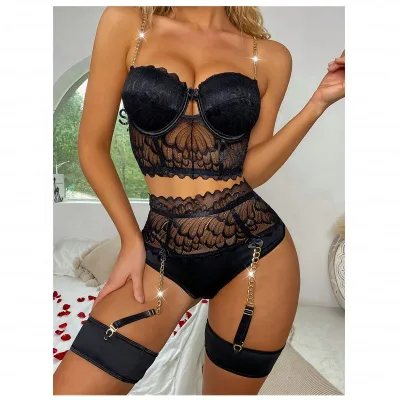
Find and compare 30 Lace See Through Bra and Panties Set options featuring plain dyed and embroidered styles. Evaluate specifications like 3/4 cup shapes, underwire support, and OEM customization services from Guangdong and Foshan manufacturers to match your global sourcing needs.
Key considerations
Products List





Comprehensive Sourcing Guide
Lace See Through Bra and Panties Set Sourcing Guide
Sourcing lace see-through bra and panties sets requires a nuanced understanding of both aesthetic appeal and functional integrity. These lingerie sets are designed to balance visual allure with wearability, often featuring intricate lace patterns that may be semi-transparent or fully sheer depending on the construction. Buyers must recognize that "see-through" is not a defect but a deliberate design choice, often enhanced by decorative elements like elastic bands or embroidered motifs. The market for these items is global, with suppliers primarily located in key manufacturing hubs such as Guangdong, Foshan, and Shantou in China. Understanding the regional strengths of these origins can help buyers align their procurement strategy with specific quality expectations and production capabilities.
The procurement process for this category is heavily influenced by customization options and supply chain flexibility. Many manufacturers offer OEM services, allowing brands to tailor designs, fabrics, and packaging to their specific identity. This is particularly relevant for brands looking to create unique product lines that stand out in a competitive market. The availability of quantities in stock suggests that some suppliers can offer faster turnaround times for standard designs, while others may require longer lead times for custom orders. Buyers should evaluate their inventory needs against the supplier’s ability to provide both ready-to-ship items and made-to-order solutions, ensuring that their supply chain remains resilient and responsive to market demands.
Product Scope and Observed Listing Signals
The product scope for lace see-through sets encompasses a variety of styles, from basic strap designs to more complex underwire constructions. Observed listings indicate a wide range of technical specifications, including plain dyed and embroidered finishes, which significantly impact the final aesthetic and cost. For instance, some sets feature fixed bra straps and three-quarter cup shapes, providing a classic silhouette, while others may include push-up features or decorative lace backs for a more sensual appeal. The raw materials commonly cited include blends of polyamide and spandex, which offer the necessary stretch and durability for intimate apparel. Buyers should carefully review these technical details to ensure they align with their target customer’s preferences for comfort, support, and style.
Listing signals also reveal important insights into packaging and standardization practices. Suppliers may use polybags, inner cartons, or master cartons for shipping, with specific quantities per box or carton to optimize logistics. Standards such as SGS, CE, or international certifications are sometimes mentioned, indicating a commitment to quality and safety. However, buyers should verify these claims directly with the supplier, as standards can vary significantly between different product models and production batches. The presence of multiple product models, such as GH21167, CS20047, and WYZ18664, suggests a diverse catalog that can cater to different market segments. Understanding these variations is crucial for selecting the right products for your brand’s portfolio.
Technical Specifications to Verify
When evaluating technical specifications, buyers must prioritize the verification of cup thickness, padding, and support structures. Some listings indicate thin or unpadded cups, which are ideal for a natural look and feel, while others may offer underwire support for enhanced shape and lift. The size ranges for both bras and panties are critical to ensure inclusivity and fit accuracy. For example, bra sizes may range from 34B to 38C, while panty sizes might span from XS to XL. Buyers should request detailed size charts from suppliers to minimize return rates and customer dissatisfaction. Additionally, the type of strap, whether basic or adjustable, and the presence of decorative elements like elastic or lace, should be confirmed to match the desired product design.
Material composition and construction techniques are equally important factors to verify. The blend of 80% polyamide and 20% spandex is a common choice for its elasticity and comfort, but buyers should confirm if this ratio is consistent across all products. Techniques such as printing, embroidery, or plain dyeing can affect the durability and appearance of the lace. For instance, embroidered lace may offer a more textured and premium feel, while printed designs might be more cost-effective. Buyers should also inquire about the quality of the lace itself, including its softness, breathability, and resistance to snagging. These details will determine the overall quality and longevity of the final product.
Compliance and Safety Documentation
Compliance and safety are paramount in the lingerie industry, and buyers must ensure that all products meet relevant regulatory standards. While some listings mention certifications such as SGS, CE, or international standards, these should be verified through direct communication with the supplier. It is essential to confirm that the materials used, particularly the elastic and lace components, are free from harmful substances and comply with local regulations in the target market. Buyers should request test reports or certificates of compliance to validate these claims. Additionally, understanding the supplier’s quality control processes can provide insight into their commitment to safety and consistency.
Documentation should also cover the origin of the raw materials and the manufacturing process. Suppliers located in China, such as those in Guangdong, Foshan, and Shantou, may have different compliance requirements depending on their specific facilities and export destinations. Buyers should inquire about the supplier’s adherence to environmental and labor standards, such as BSCI or ISO9001, if these are relevant to their brand values. While these certifications are not always explicitly listed, they can be a valuable indicator of a supplier’s professionalism and reliability. Ensuring that all documentation is up-to-date and accurate is crucial for maintaining brand integrity and avoiding potential legal issues.
Cost Drivers and Commercial Terms
Cost drivers for lace see-through bra and panties sets include material costs, labor, and customization requirements. The use of high-quality lace and specialized techniques like embroidery can increase production costs, while basic designs may be more affordable. Buyers should also consider the impact of order quantity on pricing, as larger orders often benefit from economies of scale. The observed price range of 1-9.9 USD suggests a wide variation in cost, likely due to differences in design complexity and material quality. Understanding these cost drivers can help buyers negotiate better terms and optimize their budget.
Commercial terms such as EXW, FOB, and CIF are commonly offered by suppliers, each with its own implications for logistics and risk. EXW (Ex Works) places the responsibility for shipping and insurance on the buyer, while FOB (Free on Board) and CIF (Cost, Insurance, and Freight) offer varying levels of supplier involvement in the shipping process. Buyers should carefully evaluate these terms based on their logistics capabilities and risk tolerance. Additionally, the minimum order quantity (MOQ) can range from 1 to 3600 units, affecting inventory management and cash flow. Negotiating flexible MOQs or payment terms can help mitigate financial risks and improve supply chain efficiency.
Supplier Qualification and Quality Control
Supplier qualification is a critical step in ensuring the reliability and quality of lace see-through bra and panties sets. Buyers should assess the supplier’s production capacity, technical expertise, and track record in the lingerie industry. Suppliers offering OEM services and customization options demonstrate flexibility and a customer-centric approach, which are valuable traits for long-term partnerships. It is also important to verify the supplier’s quality control processes, including in-line inspections and final product checks. Requesting samples before placing large orders can provide insight into the supplier’s attention to detail and consistency in production.
Quality control should extend to the packaging and shipping processes as well. Suppliers may use polybags, inner cartons, or master cartons to protect the products during transit, but buyers should ensure that these methods are adequate to prevent damage. Inquiring about the supplier’s defect rate and return policy can provide additional assurance of their commitment to quality. Buyers should also consider the supplier’s responsiveness to feedback and their ability to implement corrective actions when issues arise. A supplier with a robust quality control system and a proactive approach to problem-solving is more likely to deliver consistent, high-quality products.
Long-Term Procurement Checks
Long-term procurement checks involve continuous monitoring of supplier performance and market trends. Buyers should establish key performance indicators (KPIs) to track metrics such as on-time delivery, product quality, and communication effectiveness. Regular audits and site visits can provide valuable insights into the supplier’s operations and help identify potential risks early. Additionally, staying informed about changes in regulations, material costs, and consumer preferences can help buyers adapt their sourcing strategies accordingly. Building a strong relationship with the supplier through open communication and mutual trust can lead to better collaboration and more favorable terms over time.
It is also important to diversify the supplier base to mitigate risks associated with single-source dependency. Engaging with multiple suppliers can provide flexibility in case of disruptions or quality issues with one provider. Buyers should also consider the sustainability and ethical practices of their suppliers, as these factors are increasingly important to consumers and regulators. By maintaining a proactive approach to supplier management and staying attuned to market dynamics, buyers can ensure a resilient and competitive supply chain for lace see-through bra and panties sets.
FAQs
What customization options are available for lace see through bra and panties sets?
Customization is available for these sets, allowing buyers to request specific designs or modifications. The products support OEM services and can be tailored to customer requests regarding standards and specifications. This flexibility ensures the final product meets unique buyer requirements.
Which raw materials are used in the lace see through bra and panties sets?
The sets are constructed from Spandex, Polyester, and Polyamide blends, specifically 80% Polyamide and 20% Spandex. These materials provide the necessary stretch and durability for the lingerie. The fabric composition ensures comfort while maintaining the structural integrity of the design.
How are the lace see through bra and panties sets packed for shipment?
Products are packed in polybags, with options for inner and master cartons. Some specific models use 300 pieces per box and 3000 pieces per shippable carton. This packaging method protects the items during transit and facilitates efficient handling for bulk orders.
Can buyers find lace see through bra and panties sets with underwire support?
Yes, certain models feature underwire support to enhance shape and lift. These sets often include three-quarter cup shapes and push-up features for a specific silhouette. Buyers can select from various models that offer this structural support alongside decorative elements.
What standards do the lace see through bra and panties sets meet?
The products comply with SGS and CE standards, ensuring quality and safety. Some items also meet international standards or can be customized to specific customer requests. These certifications verify that the manufacturing processes adhere to recognized industry requirements.
Which locations supply the lace see through bra and panties sets?
Suppliers are located in Guangdong, Foshan, and Shantou, all within China. These regions are known for their textile manufacturing capabilities and supply chain efficiency. Buyers can source products directly from these established industrial hubs.
What are the available size ranges for the lace see through bra and panties sets?
Panty sizes range from XS to XL, while bra sizes include 34B, 36B, 38B, 34C, 36C, and 38C. This range accommodates various body types and ensures a proper fit for most customers. Specific models may have slightly different sizing configurations.