Source Large Capacity Toiletry Bag for Travel, Camping, and Household
Compare 30 Large Capacity Toiletry Bag options from verified suppliers. These bags feature materials like polyester, canvas, and cotton, with waterproof or non-waterproof designs suitable for travel, camping, and household use; compare the available evidence and request quotations based on your requirements.
Key considerations
Products List


Cotton Large Toiletries Accessories Travel Organizer Toiletry Makeup Cosmetic Bag
$0.60 - $1.85
MOQ: 100 Pieces


Large Capacity Travel Cosmetic Pouch Toiletry Bags Portable Storage Makeup Bag
$1.15 - $1.85
MOQ: 500 Pieces


Softable Custom Toiletry Bag Storage Large Capacity Makeup Bag with Zipper
$2.50 - $2.90
MOQ: 500 Pieces


Hot Sell Custom Toiletry Bag Large Capacity Storage Zipper Makeup Cosmetic Bag
$2.50 - $2.90
MOQ: 500 Pieces

Custom Printed Large Waterproof Makeup Pouch Travel Cosmetic Toiletry Bag
$3.50 - $5.00
MOQ: 1000 Pieces


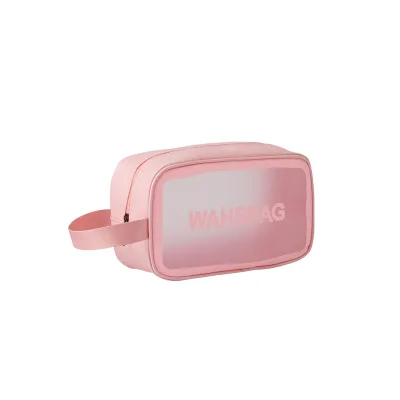


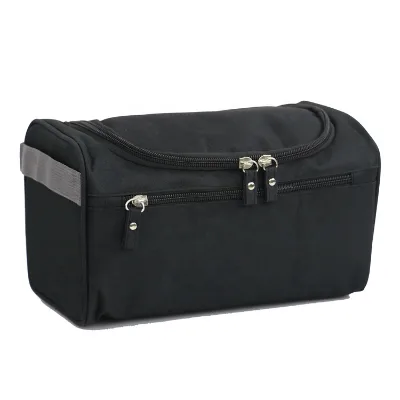

Comprehensive Sourcing Guide
Large Capacity Toiletry Bag Sourcing Guide
Sourcing large capacity toiletry bags requires a strategic approach that balances functional utility with aesthetic versatility. These items serve as essential organizational tools for travelers, professionals, and households, offering significant storage space for cosmetics, hygiene products, and travel accessories. The market presents a diverse array of options, ranging from simple, minimalist designs to trendy, multi-compartment solutions. Buyers must navigate this variety by clearly defining their target audience’s needs, whether that involves rugged durability for camping or sleek elegance for professional use. Understanding the specific use case is the first step in narrowing down the vast selection of available products.
The procurement landscape for these bags is characterized by high customization potential and a wide range of material choices. Suppliers frequently offer OEM and ODM services, allowing brands to imprint logos or create unique structural designs. Materials such as polyester, canvas, cotton, and PU leather are commonly observed, each offering distinct advantages in terms of weight, texture, and water resistance. Buyers should evaluate these material properties against their product’s intended environment. For instance, waterproof materials are crucial for bathroom use, while breathable fabrics may be preferred for general travel. This initial assessment ensures that the selected product aligns with both functional requirements and brand identity.
Product Scope and Observed Listing Signals
The current market signals indicate a strong emphasis on portability and high capacity, with many listings highlighting features like horizontal square shapes and double-shoulder designs. These structural elements suggest a focus on ergonomic carrying and efficient internal organization. Buyers will observe a variety of closure mechanisms, with zippers being a standard feature for secure storage. The style spectrum ranges from simplicity to trend-driven aesthetics, catering to unisex demographics as well as specific gender-focused markets. This diversity allows buyers to target niche segments, from minimalist travelers to fashion-conscious consumers seeking statement pieces.
Observed product attributes reveal a significant variation in waterproofing capabilities and hardness levels. Some items are explicitly marketed as waterproof, making them suitable for wet environments, while others are noted as not waterproof, relying on material density for protection. Hardness ranges from soft to medium soft, influencing the bag’s structural integrity and ability to maintain its shape when packed. Additionally, printing options such as silk screen printing, foil bronzing, and heat transfer are widely available, enabling extensive brand customization. These signals help buyers identify suppliers who can meet specific design and functional requirements without compromising on quality or aesthetic appeal.
Technical Specifications to Verify
Verifying technical specifications is critical to ensuring the product meets operational needs. Buyers should confirm the exact dimensions of the toiletry bag, as sizes vary significantly across models. For example, some products measure approximately 12 x 4.7 x 9 inches, while others are smaller, such as 11 x 6 inches. Internal structure is another key factor; features like a main bag compartment or single open design impact usability. Buyers must also assess the shoulder style, with multilevel adjustable options offering greater comfort and versatility. These specifications directly influence the bag’s capacity and ease of use, so precise verification prevents mismatches between buyer expectations and product reality.
Material composition and model numbers provide additional layers of technical detail that require careful review. Products may be constructed from polyester, canvas, cotton, or PU, each affecting durability and maintenance. Model identifiers, such as A-057 or E-T54, serve as unique references for tracking and reordering. Buyers should also check the packing method, which can range from individual OPP bags to bulk carton packaging. This information is vital for logistics planning and inventory management. By cross-referencing these technical details with supplier documentation, buyers can ensure consistency and avoid discrepancies in product specifications during mass production.
Compliance and Safety Documentation
Compliance and safety documentation are foundational for importing consumer goods, particularly those used in personal care environments. Buyers must ensure that suppliers provide relevant safety data sheets and material safety declarations, especially for products containing synthetic materials like PU or polyester. These documents verify that the materials do not contain harmful substances, aligning with international safety standards. Although specific certification statuses are not universally listed, buyers should proactively request evidence of compliance with regional regulations, such as REACH in Europe or CPSIA in the United States. This due diligence mitigates legal risks and protects brand reputation.
In addition to material safety, buyers should verify that the product meets general consumer safety requirements for bags and accessories. This includes checking for secure stitching, durable zippers, and non-toxic printing inks. Suppliers offering OEM services should be required to validate that custom designs do not introduce new safety hazards. Documentation should also cover the manufacturing process, ensuring that production facilities adhere to ethical labor practices and environmental standards. By maintaining a robust compliance framework, buyers can confidently market their products, knowing they meet the necessary safety and regulatory benchmarks for their target markets.
Cost Drivers and Commercial Terms
Cost drivers for large capacity toiletry bags are primarily influenced by material selection, customization complexity, and order volume. Premium materials like PU leather or specialized waterproof fabrics typically command higher prices compared to standard polyester or canvas. Customization features, such as silk screen printing or foil bronzing, add to the unit cost due to additional processing steps. Buyers should also consider the impact of MOQs, which can range from small batches of 100 units to larger orders of 3000. Understanding these variables allows for more accurate budgeting and pricing strategies, ensuring that the final product remains competitive in the market.
Commercial terms, including sample times and packing methods, also play a significant role in the overall procurement cost. Sample production typically takes about five days after design confirmation, which can impact time-to-market for new product launches. Packing configurations, such as individual OPP bags or bulk cartons, affect shipping efficiency and storage requirements. Buyers should negotiate clear terms regarding payment schedules, shipping responsibilities, and return policies. By aligning commercial terms with their operational capabilities, buyers can optimize cash flow and reduce logistical complexities, ensuring a smoother procurement process from order placement to final delivery.
Supplier Qualification and Quality Control
Supplier qualification is a critical step in mitigating procurement risks. Buyers should assess suppliers based on their production capacity, quality management systems, and past performance. Suppliers offering OEM and ODM services should demonstrate flexibility and innovation in their design capabilities. It is essential to verify that the supplier has a robust quality control process in place, including pre-production samples and in-line inspections. Buyers should request detailed information about the supplier’s factory conditions and workforce training programs. This due diligence ensures that the supplier can consistently deliver high-quality products that meet specified standards.
Quality control measures should extend to the final product inspection, focusing on key attributes such as stitching, zipper functionality, and material integrity. Buyers should define clear acceptance criteria for defects, such as loose threads, misaligned prints, or structural weaknesses. Implementing a third-party inspection service can provide an objective assessment of product quality before shipment. Additionally, buyers should establish a feedback loop with the supplier to address any quality issues promptly. By maintaining rigorous quality control standards, buyers can minimize the risk of receiving subpar products, ensuring customer satisfaction and brand loyalty.
Long-Term Procurement Checks
Long-term procurement checks involve continuous monitoring of supplier performance and market trends. Buyers should regularly review supplier metrics, such as on-time delivery rates, defect rates, and responsiveness to issues. Establishing a scorecard system can help track these metrics over time, providing a clear picture of supplier reliability. Buyers should also stay informed about emerging materials and design trends in the toiletry bag market. This proactive approach allows for timely adjustments to product offerings, ensuring that the brand remains competitive and relevant. Regular supplier audits and performance reviews are essential for maintaining a strong supply chain.
Sustainability and ethical sourcing are increasingly important factors in long-term procurement strategies. Buyers should evaluate suppliers’ commitment to environmental practices, such as waste reduction and energy efficiency. Additionally, verifying that suppliers adhere to fair labor practices is crucial for maintaining brand integrity. Buyers should consider incorporating sustainability metrics into their supplier evaluation criteria. By prioritizing ethical and sustainable sourcing, buyers can enhance their brand reputation and appeal to environmentally conscious consumers. Continuous improvement in procurement practices ensures long-term success and resilience in a dynamic market environment.
FAQs
How long does a custom sample take before bulk production starts?
Sample time is about 5 days after the design is confirmed. After you approve the sample and artwork, production scheduling begins, and total timing depends on order quantity and finishing options. Confirming printing choices early, such as silk screen, foil bronzing, or heat transfer, helps avoid delays between sample approval and mass production.
What is the minimum order quantity for custom large capacity toiletry bags?
The listed MOQ for the featured model is 100 pieces, though individual listings on the page range from 2 to 3000 pieces depending on the supplier and product. Simpler stock designs often allow smaller trial orders, while fully customized colors, logos, and packaging usually require meeting the standard 100-piece minimum or negotiating terms directly.
Can I customize the logo, color, and packaging on these toiletry bags?
Yes, customization is available, with OEM and ODM services fully supported. You can apply silk screen printing, foil bronzing, or heat transfer for branding, and packaging options include each piece packed in an OPP bag. Provide your artwork during inquiry so factories can quote accurately and prepare a pre-production sample for approval.
What materials and waterproof levels are available for these bags?
Listed materials include polyester, canvas, cotton, and PU, so you can match fabric to price point and use case. Waterproofing varies by listing: some bags are explicitly waterproof while canvas versions are not waterproof, which suits dry household or travel use. Confirm fabric coating and zipper sealing requirements with the supplier before ordering.
What sizes do these large capacity toiletry bags come in?
Featured models measure roughly 12 x 4.7 x 9 inches, 12.5 x 3.5 x 8 inches, 11 x 6 inches, and 25 x 13 x 12 cm, with some styles customizable to your size requirements. The horizontal square shape with a zipper closure maximizes packing space, and larger trolley-style options exist for professional or camping travel use.
Which closure and strap features should I expect on these bags?
The standard closure is a zipper, providing secure single-open access to the main compartment. Several models feature double-shoulder straps with multilevel adjustment, letting users carry the bag as a backpack or hang it during use. Internal structure is typically one main bag cavity, which suits bulkier toiletry and grooming kits.
How are the bags packed for shipping and delivery from China?
Typical packing is one piece per OPP bag, with carton packing used for bulk shipments. Goods ship from China, and since each listing sets its own terms, you should confirm carton dimensions, gross weight, and shipping method with each supplier. Retail-ready OPP packing protects units from dust and scuffing during transit.
Can these bags be used for purposes beyond toiletries?
Yes, listed usage covers household, professional, camping, and traveling scenarios, and the unisex styling suits a wide audience. The soft, medium-soft construction and large capacity make them suitable for makeup cases, grooming kits, first-aid supplies, or electronics accessories. Trolley-style versions in black with trend styling work well for frequent travelers.