Source Large Capacity Travel Makeup Bag for Home, Camping, and Professional Use
Find and compare 30 Large Capacity Travel Makeup Bag options from China. These pouches feature materials like polyester, PU, and nylon with customization, logo printing, and various fasteners for household, professional, and camping needs.
Key considerations
Products List


Large Capacity Travel Nylon Makeup Bag Organizer Waterproof Cosmetic Bag
$5.00 - $7.20
MOQ: 100 Pieces


Large Capacity Travel Cosmetic Pouch Toiletry Bags Portable Storage Makeup Bag
$1.15 - $1.85
MOQ: 500 Pieces


Portable Large Capacity Travel PU Makeup Cosmetic Storage Bag with Zipper
$0.50 - $1.50
MOQ: 500 Pieces


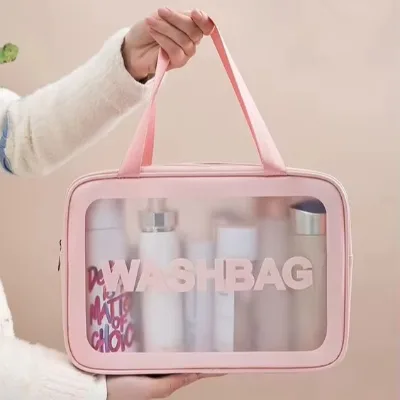


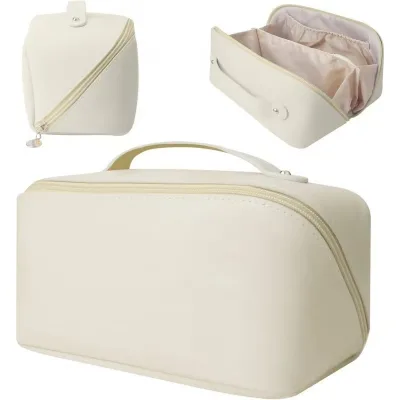


Comprehensive Sourcing Guide
Large Capacity Travel Makeup Bag Sourcing Guide
Sourcing large capacity travel makeup bags requires a strategic balance between functional durability, aesthetic customization, and logistical efficiency. These products serve as essential organizational tools for travelers, professionals, and households, necessitating materials that withstand frequent handling while offering sufficient volume for diverse cosmetic and toiletry items. Buyers must navigate a market characterized by significant variation in material composition, fastener mechanisms, and production capabilities. The following guide outlines the critical verification steps and commercial considerations necessary to secure reliable supply chains for these versatile storage solutions.
Product Scope and Observed Listing Signals
The current market landscape for large capacity travel makeup bags reveals a diverse array of product configurations, primarily defined by material choice and structural design. Observed listings indicate a strong preference for polyester, PU, and nylon materials, each offering distinct advantages in terms of weight, water resistance, and cost. Polyester options often provide a balance of durability and affordability, while PU variants may offer a more premium aesthetic with varying degrees of water resistance. Nylon constructions are frequently selected for their high tensile strength and lightweight properties, making them suitable for professional or heavy-duty travel use. Buyers should carefully evaluate these material distinctions against their specific end-user requirements, as the choice directly impacts the product's lifespan and perceived value.
Structural attributes further differentiate these products, with horizontal square shapes and medium to large sizes being prevalent in the observed data. Fastener mechanisms vary significantly, with drawstring, string, and zipper closures appearing in different listings, suggesting that buyers must specify their preferred closure type to ensure functional alignment with their brand standards. Additionally, customization options such as logo printing, silk screen printing, foil bronzing, and heat transfer are widely available, allowing for strong brand integration. The presence of features like candy colors, tassels, and simplicity styles indicates that aesthetic trends play a crucial role in product selection, requiring buyers to align their design specifications with current market preferences to maximize appeal.
Technical Specifications to Verify
Verifying technical specifications is paramount to ensuring that the final product meets functional expectations, particularly regarding dimensions and internal organization. Buyers should confirm exact dimensions, as observed listings show a wide range from compact sizes to larger formats such as 9.7 x 6.3 x 7.1 inches or 12.5 x 3.5 x 8 inches. It is essential to clarify whether the "large capacity" claim corresponds to the specific internal volume needed for the intended inventory of cosmetics and toiletries. Additionally, the hardness of the bag, ranging from soft to medium soft, affects its portability and ability to maintain shape when packed. Buyers must specify these physical attributes clearly in their purchase orders to avoid discrepancies between the sample and bulk production.
Material composition and internal lining are other critical technical factors that require precise definition. While outer materials like polyester, PU, and nylon are common, the inside material, often fabric, plays a significant role in protecting delicate items and facilitating cleaning. Buyers should verify the quality and type of the internal lining to ensure it is resistant to stains and easy to wipe down. Furthermore, the standard of production, which can be customized, must be aligned with the buyer's quality benchmarks. Specifications such as model numbers (e.g., GYD015, 884, 7225) serve as unique identifiers for suppliers, and buyers should ensure that these codes correspond to the exact design and material mix they intend to procure, preventing confusion during the manufacturing process.
Compliance and Safety Documentation
While specific certification statuses are not universally mandated for all makeup bags, buyers must ensure that materials used comply with relevant safety standards, particularly regarding chemical content. Since these products come into direct contact with personal care items, it is crucial to verify that fabrics and coatings do not contain harmful substances that could leach into cosmetics. Buyers should request material safety data sheets (MSDS) or compliance certificates from suppliers to confirm that the polyester, PU, or nylon materials meet international safety regulations. This due diligence helps mitigate risks associated with product liability and ensures that the final goods are safe for consumer use, particularly in markets with strict chemical regulations.
Packaging and labeling requirements also fall under the compliance umbrella, requiring attention to detail to meet destination market standards. The observed packing method of 1PCS/Oppbag or Each PCS/OPP is standard, but buyers must verify if additional labeling, such as care instructions or material composition tags, is required by local laws. Ensuring that the packaging is robust enough to protect the product during transit without excessive waste is also a growing compliance consideration. Buyers should work with suppliers to confirm that all labeling and packaging materials are compliant with environmental and safety regulations in the target market, avoiding potential customs delays or product recalls.
Cost Drivers and Commercial Terms
Several key factors influence the cost structure of large capacity travel makeup bags, with material type, customization complexity, and order volume being primary drivers. The choice between polyester, PU, and nylon affects the base material cost, while the inclusion of features like waterproofing or specific hardness levels can further impact pricing. Customization options, such as logo printing via silk screen, foil bronzing, or heat transfer, add to the production cost due to the additional labor and setup required. Buyers should evaluate the trade-off between aesthetic enhancements and cost implications, ensuring that the added value justifies the increased expense.
Commercial terms, including minimum order quantities (MOQ) and lead times, are critical components of the procurement strategy. Observed MOQs range from 1 to 1000 pieces, with specific listings indicating MOQs of 100 or 500 PCS, allowing for flexibility depending on the buyer's inventory needs. Sample times typically range from 5 to 7 days after design confirmation, while bulk production lead times can extend from 15 to 20 days. Buyers must plan their procurement cycles accordingly, accounting for these timelines to avoid stockouts. Additionally, the availability of OEM and ODM services suggests that buyers can leverage supplier expertise for design improvements, potentially optimizing costs through shared development efforts.
Supplier Qualification and Quality Control
Selecting a qualified supplier involves assessing their production capabilities, customization flexibility, and quality control processes. Buyers should prioritize suppliers who offer comprehensive OEM and ODM services, as this indicates a higher level of technical expertise and adaptability. The ability to customize standards and materials suggests that the supplier can tailor products to specific buyer requirements, which is essential for maintaining brand consistency. It is advisable to request samples from multiple suppliers to evaluate the quality of stitching, material finish, and fastener functionality, ensuring that the product meets the desired hardness and shape specifications.
Quality control measures should be established early in the procurement process to minimize defects and ensure consistency across production batches. Buyers should implement pre-production sample approvals and in-line quality checks to monitor the manufacturing process. Given the variability in observed product attributes, such as different fastener types and material compositions, clear quality benchmarks must be communicated to the supplier. Regular communication and feedback loops are essential to address any deviations promptly. Additionally, verifying the supplier's origin and production location, such as China, can provide insights into their supply chain efficiency and cost structure, aiding in the overall supplier evaluation.
Long-Term Procurement Checks
Establishing long-term procurement relationships requires ongoing monitoring of supplier performance and market trends. Buyers should regularly review supplier delivery times, product quality, and responsiveness to ensure that they continue to meet evolving business needs. As fashion elements and consumer preferences shift, staying informed about emerging trends, such as new color palettes or functional features, is crucial for maintaining product relevance. Buyers should engage in continuous dialogue with suppliers to explore new customization options and material innovations that could enhance product appeal and competitiveness.
Sustainability and ethical sourcing practices are increasingly important considerations for long-term procurement strategies. Buyers should assess their suppliers' commitment to environmental responsibility, including the use of eco-friendly materials and sustainable production methods. This alignment with global sustainability trends can enhance brand reputation and appeal to environmentally conscious consumers. Additionally, buyers should periodically review their supply chain resilience, identifying potential risks and developing contingency plans to mitigate disruptions. By maintaining a proactive approach to supplier management and market analysis, buyers can secure a reliable and competitive supply of large capacity travel makeup bags for the long term.
FAQs
Can I get a customized Large Capacity Travel Makeup Bag?
Yes, customization is available for this product line. You can request specific designs, logo printing via silk screen or foil bronzing, and tailored dimensions. The sample time is about 5 days after confirming your design, with OEM and ODM services fully supported for bulk orders.
What materials are used for large capacity travel makeup bags?
These bags are constructed from durable materials including polyester, PU, and nylon. Some models feature a fabric inside lining for added protection. The choice of material affects the hardness, with options ranging from soft to medium soft, ensuring suitability for various storage needs.
How much is the minimum order quantity for these bags?
The minimum order quantity varies by specific model, typically ranging from 100 to 500 pieces. Some listings indicate an MOQ of 100 units, while others require 500 pieces. Buyers should verify the specific MOQ for their selected model before placing a bulk order to ensure compliance.
What is the lead time for sample and bulk production?
Sample production takes about 5 to 7 days after design confirmation. Bulk production lead times generally range from 15 to 20 days. These timelines apply to standard customization requests and may vary depending on the specific factory capacity and the complexity of the requested design features.
Are these makeup bags waterproof for travel use?
Waterproof capabilities vary by specific model, with some options being waterproof and others not. Buyers should check the product specifications for the exact waterproof rating. Many models are designed for household, professional, and camping use, offering portable storage solutions with drawstring or zipper fasteners.
Which printing methods are available for logo customization?
Available printing methods include silk screen printing, foil bronzing, and heat transfer. These techniques allow for high-quality logo application on the bag surface. Customization is supported for various fashion elements, ensuring the final product meets specific branding requirements for professional or personal use.