Source Laser Engraved Scale Universal Protractor for Working, Inspection, Checking
Find 30 Laser Engraved Scale Universal Protractor options from verified suppliers in China. Compare precision gauges, materials like steel and plastic, and customization features for working, inspection, and checking applications.
Key considerations
Products List


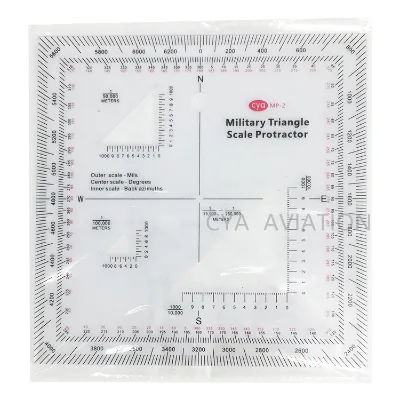
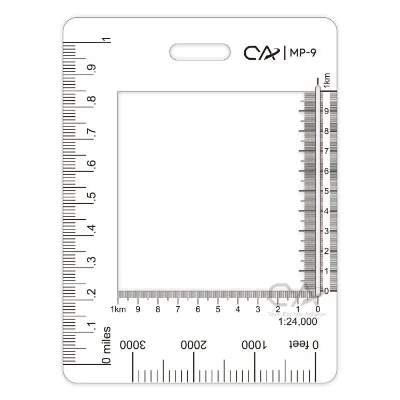
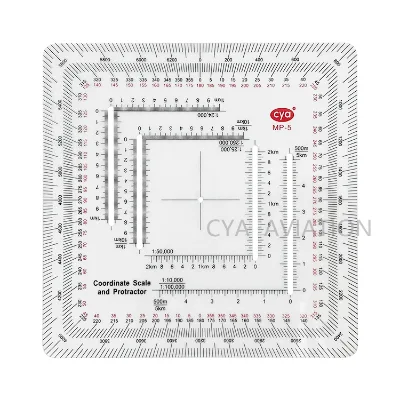
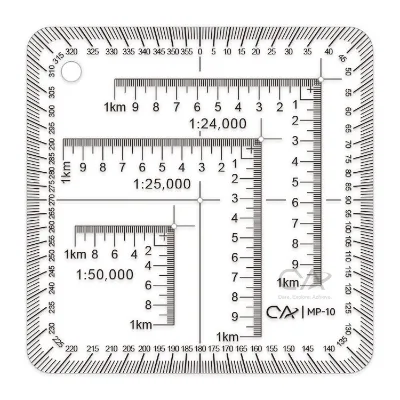
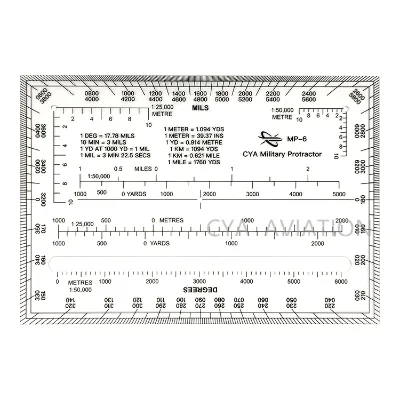
Map Reading square Protractor Coordinate Scale and Protractor Wholesale Map Tools
$1.53 - $3.06
MOQ: 10 pieces
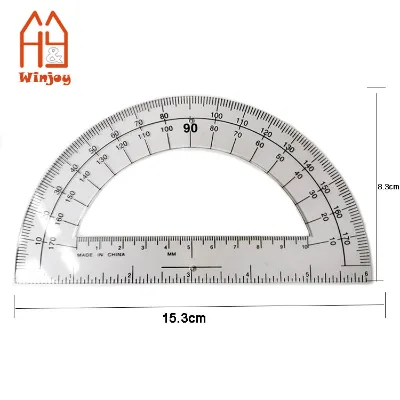


Adjustable Protractor 10-170 Degree for Machining Metalworking Workshop Parts Angle Inspection
$30.00 - $35.00
MOQ: 10 Pieces

High Precision 10-170 Degree Adjustable Type Protractor with 1 Degree Graduation
$40.00 - $45.00
MOQ: 10 Pieces


12" 300mm Black Anodised Laser Etched Scale Combination Square with Protractor
$16.00 - $18.00
MOQ: 500 pieces


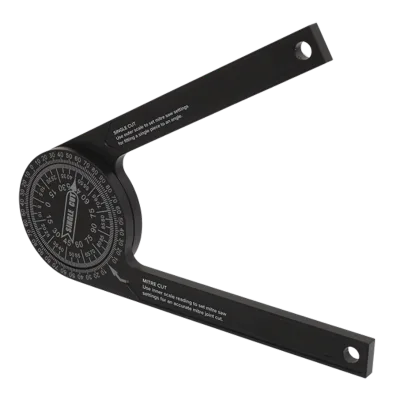


Universal Dial Bevel Digital Angle Protractor with Blades China Professional Supplier
$125.00 - $200.00
MOQ: 5 Pieces
Comprehensive Sourcing Guide
Laser Engraved Scale Universal Protractor Sourcing Guide
Sourcing precision measurement tools requires a disciplined approach to verifying technical accuracy, material integrity, and supplier reliability. The Laser Engraved Scale Universal Protractor represents a specialized category of angular measurement instruments designed for high-precision industrial, inspection, and workshop applications. Buyers must navigate a market where product attributes vary significantly across listings, ranging from stainless steel construction to plastic variants, and from automatic to manual measurement methods. This guide provides evidence-based procurement strategies to help buyers identify suitable suppliers, verify critical specifications, and mitigate supply chain risks associated with precision instruments.
The following sections outline the essential steps for evaluating potential suppliers and products. By focusing on observable listing signals, technical verification, compliance documentation, commercial terms, and long-term quality checks, buyers can make informed decisions that align with their operational needs. The guidance is grounded in observed market data and trusted category knowledge, ensuring that recommendations are practical, actionable, and free from unsupported claims or speculative pricing.
Product Scope and Observed Listing Signals
The observed market for laser engraved scale universal protractors reveals a diverse range of product configurations, with prices ranging from $0.07 to $200 USD and minimum order quantities (MOQs) spanning from 1 to 5,000 pieces. This wide variance suggests that buyers may encounter everything from basic plastic rulers to high-precision stainless steel instruments with advanced features. For instance, some listings highlight products made from stainless steel with certifications such as CE, ISO, RoHS, GB, DIN, and JIS, indicating a focus on industrial-grade durability and regulatory compliance. In contrast, other offerings may feature plastic materials with simpler specifications, catering to less demanding applications or budget-conscious procurement strategies.
Buyers should carefully examine product attributes such as customization options, usage scenarios, and physical dimensions to ensure alignment with their specific requirements. Observed listings indicate that customization is available for many products, allowing buyers to tailor features like branding, packaging, or specific measurement scales. Additionally, the usage of these tools is often described as suitable for working, inspection, and checking purposes, highlighting their versatility in various industrial settings. The presence of features like laser marking lines and precision gauge capabilities further underscores the importance of verifying the accuracy and durability of the engraved scales, which are critical for maintaining measurement integrity over time.
Technical Specifications to Verify
When evaluating laser engraved scale universal protractors, buyers must prioritize the verification of key technical specifications to ensure the product meets their precision and durability requirements. Material composition is a critical factor, with stainless steel and plastic being the most commonly observed materials. Stainless steel variants often offer superior resistance to wear and corrosion, making them suitable for harsh industrial environments, while plastic options may provide cost-effectiveness and lightweight handling for less demanding tasks. Buyers should confirm the material grade and thickness, as these attributes directly impact the tool’s longevity and measurement accuracy.
Another essential specification to verify is the measurement range and accuracy, which are often indicated by standards such as 0-360 degrees or specific model numbers like P7008-006 and 635-7780. The accuracy class, such as Class A, is a crucial indicator of the tool’s precision, and buyers should request documentation or test results to validate these claims. Additionally, the method of measurement, whether automatic or manual, should align with the buyer’s operational workflow. For instance, manual protractors may require more user skill but offer flexibility, while automatic options might provide faster, more consistent readings. Buyers should also inspect the scale engraving quality, as laser-engraved scales should be clear, durable, and resistant to fading or wear.
Compliance and Safety Documentation
Compliance with international and regional standards is a non-negotiable aspect of sourcing precision measurement tools, as it ensures the product’s reliability and safety in various applications. Observed listings frequently mention certifications such as CE, ISO, RoHS, GB, DIN, and JIS, which indicate adherence to specific regulatory requirements. Buyers should verify the validity of these certifications by requesting up-to-date documentation from suppliers, as counterfeit or expired certificates are a common risk in the market. For example, CE certification confirms compliance with European health, safety, and environmental protection standards, while ISO certification indicates adherence to quality management systems.
In addition to certifications, buyers should assess the product’s compliance with industry-specific standards, such as DIN or JIS, which are widely recognized in manufacturing and engineering sectors. These standards often dictate precise tolerances, material properties, and testing procedures, ensuring that the protractor performs consistently under defined conditions. Buyers should also inquire about the supplier’s quality control processes, including how they conduct routine inspections and calibrations to maintain product accuracy. By prioritizing suppliers with robust compliance documentation and transparent quality practices, buyers can mitigate the risk of receiving non-conforming products that may lead to operational disruptions or safety hazards.
Cost Drivers and Commercial Terms
The cost of laser engraved scale universal protractors is influenced by several factors, including material quality, customization options, and order volume. Stainless steel instruments with advanced features, such as laser-engraved scales and high-precision accuracy, typically command higher prices compared to basic plastic variants. Customization, such as logo printing or specialized packaging, can also increase costs, as these services require additional production steps and resources. Buyers should evaluate the total cost of ownership, considering not only the unit price but also factors like shipping, tariffs, and potential rework or replacement costs due to quality issues.
Commercial terms, including MOQs, payment conditions, and lead times, play a significant role in shaping the procurement strategy. Observed listings indicate MOQs ranging from 1 to 5,000 pieces, offering flexibility for both small-scale and bulk purchases. Buyers should negotiate terms that align with their inventory management and cash flow requirements, such as requesting sample orders to test product quality before committing to larger volumes. Additionally, understanding the supplier’s production capacity and supply ability, such as 3,000 pieces per month, can help buyers assess the risk of delays or stockouts. Clear communication regarding packaging details, such as carton or OPP bag packaging, and port of dispatch, like Shanghai, is also essential for planning logistics and minimizing transit costs.
Supplier Qualification and Quality Control
Supplier qualification is a critical step in ensuring the reliability and consistency of laser engraved scale universal protractors. Buyers should conduct thorough due diligence to verify the supplier’s manufacturing capabilities, quality management systems, and track record in the industry. This includes assessing their production facilities, equipment, and workforce expertise, as well as reviewing their history of fulfilling orders for similar products. Suppliers with a proven track record of delivering high-quality instruments and maintaining strong customer relationships are more likely to meet the buyer’s expectations for precision and durability.
Quality control processes are equally important, as they directly impact the consistency and accuracy of the protractors. Buyers should inquire about the supplier’s inspection procedures, including in-process checks, final product testing, and calibration protocols. Requesting sample orders is a practical way to evaluate the product’s quality and the supplier’s responsiveness to feedback. Additionally, buyers should establish clear quality expectations in their purchase agreements, including acceptance criteria for accuracy, material integrity, and scale engraving quality. By partnering with suppliers who prioritize quality control and transparency, buyers can reduce the risk of receiving defective products and ensure long-term satisfaction with their procurement investments.
Long-Term Procurement Checks
Long-term procurement success depends on establishing ongoing checks and balances to monitor supplier performance and product quality. Buyers should implement regular audits or reviews to assess the supplier’s adherence to agreed-upon specifications, compliance standards, and delivery timelines. This includes tracking key performance indicators (KPIs) such as defect rates, on-time delivery percentages, and customer satisfaction scores. By maintaining a data-driven approach to supplier evaluation, buyers can identify potential issues early and take corrective actions to mitigate risks.
Additionally, buyers should foster a collaborative relationship with their suppliers, encouraging open communication and continuous improvement. This includes providing feedback on product performance, sharing market insights, and exploring opportunities for cost optimization or product enhancement. Regularly reviewing and updating procurement strategies in response to changing market conditions, technological advancements, or regulatory updates is also essential for maintaining a competitive edge. By prioritizing long-term partnerships and proactive quality management, buyers can ensure a steady supply of high-quality laser engraved scale universal protractors that support their operational goals and business growth.
FAQs
What certifications do the universal protractors hold?
The universal protractors hold multiple certifications including CE, ISO, RoHS, GB, DIN, and JIS. These standards ensure the products meet international safety and quality requirements for industrial inspection and working applications.
Can I order a customized laser engraved scale protractor?
Yes, customization is available for these precision measuring devices. Buyers can request specific features such as laser marking lines or custom branding, with sample orders accepted to verify the customization details before bulk production.
What is the minimum order quantity for these protractors?
The minimum order quantity starts at just one piece for this product line. This low MOQ allows buyers to test the product quality and specifications before committing to larger orders of up to 5000 pieces.
Which materials are used to manufacture these precision gauges?
These precision gauges are manufactured using steel, stainless steel, and plastic materials. The specific material depends on the model, with some options featuring flexible plastic for map protractors and rigid steel for general inspection tasks.
How are these protractors packaged for shipment?
The products are packed in cartons or OPP bags depending on the specific item type. Packaging details vary, with some items shipped as single pieces in cartons while others are bulk packed at 500 pieces per carton.
Where are these precision measuring devices manufactured?
These devices originate from manufacturing locations in China, specifically Shenzhen and Shanghai. The products are dispatched from these ports, ensuring efficient logistics for international buyers seeking reliable sourcing from established industrial hubs.