Source Grosgrain Ribbon for Gift Wrapping, Decor, and Crafts
Compare 30 Grosgrain Ribbon options from Zhejiang suppliers featuring woven and printed techniques. Buyers can evaluate customization, stock availability, and packing details for gift wrapping, decorating, and crafting projects; compare the available evidence and request quotations based on your requirements.
Key considerations
Products List


10mm 250m Bobbin Polyester Grosgrain Ribbon Standard Quality Chinese Supplier
$0.05 - $0.12
MOQ: 20000 Yards


Wholesale 1 Inch Printed Satin/Grosgrain Ribbon for Garment or Box Packing
$0.03 - $0.08
MOQ: 1000 Yards

High Quality Custom Printed Cartoon Character Grosgrain Ribbon Custom Printed
$0.02 - $0.06
MOQ: 1000 Yards


2020 Wholesale Polyester Grosgrain Ribbon for Garments/Home Textile/Bags
$0.01 - $0.04
MOQ: 10000 Yards




Comprehensive Sourcing Guide
Grosgrain Ribbon Sourcing Guide
Grosgrain Ribbon is a durable, textured textile strip characterized by its distinct crosswise ribs, making it a staple in both industrial and decorative applications. Sourcing this material requires a clear understanding of the variations in weave density, width, and finish, as these factors directly impact the ribbon’s strength and aesthetic appeal. Buyers must navigate a market where customization is prevalent, with suppliers offering extensive color palettes and specific technical treatments to meet diverse project needs.
The procurement process involves evaluating multiple product attributes, from the base material composition to the final packaging format. While some listings highlight eco-friendly and washable features, others emphasize high-grade wide ribbons for gift wrapping or custom decoration. Understanding these distinctions is crucial for aligning supplier capabilities with specific end-use requirements, ensuring that the selected ribbon meets both functional durability and visual design standards.
Product Scope and Observed Listing Signals
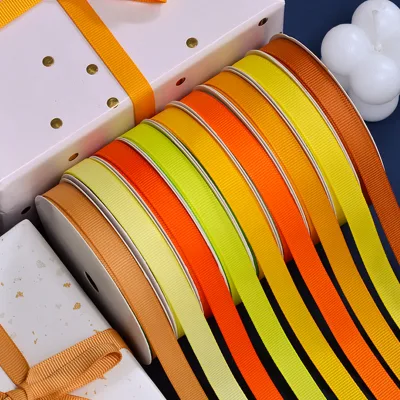
The current market landscape for Grosgrain Ribbon reveals a wide array of product variations, primarily driven by customization demands. Listings frequently highlight options for over 200 color choices, including solid colors and plaid patterns, catering to brands seeking specific visual identities. The material composition is predominantly polyester, with some entries specifying 100% polyester, which offers durability and color retention. Buyers should note that while some products are marked as having stock, others are made-to-order, indicating a need for flexible supply chain planning.
Technical specifications vary significantly across suppliers, with widths ranging from narrow strips to wide ribbons up to four inches. The production techniques observed include woven and printed methods, each offering different textural and visual outcomes. Packaging formats also differ, with options including rolls of 200 or 250 meters, or cards for smaller quantities. These signals suggest that buyers must carefully match their volume requirements and design specifications with supplier capabilities to avoid mismatches in product delivery and quality.
Technical Specifications to Verify
Verifying the technical specifications of Grosgrain Ribbon is essential to ensure it meets the intended application’s demands. Key attributes to confirm include the ribbon’s width, which can range from 3mm to 50mm or up to 4 inches, depending on the supplier’s standard offerings. The weave structure, whether single-face or double-face, affects the ribbon’s flexibility and strength, with double-face options often providing a more uniform appearance on both sides. Buyers should also verify the length per roll, as variations such as 100 yards or specific meter counts can impact inventory management and usage efficiency.
Color fastness and finish are critical technical aspects that influence the ribbon’s longevity and suitability for various environments. Specifications often cite color fastness levels, with some products guaranteeing up to Level 4, ensuring resistance to fading under normal use conditions. Additionally, features such as eco-friendliness and washability should be confirmed through supplier documentation, as these claims require substantiation. Understanding these technical details helps buyers select ribbons that maintain their integrity and appearance throughout the product’s lifecycle.
Compliance and Safety Documentation
Compliance and safety documentation are vital components of the sourcing process, particularly for products intended for consumer use or regulated industries. Buyers should request certifications such as ISO-9001 and SGS, which indicate adherence to quality management systems and safety standards. These certifications provide assurance that the supplier maintains consistent production processes and meets international benchmarks for product quality and safety. Verifying these documents helps mitigate risks associated with non-compliant materials and ensures that the Grosgrain Ribbon meets necessary regulatory requirements.
In addition to certifications, buyers should inquire about specific safety data sheets and material safety information, especially if the ribbon is used in applications involving direct contact with consumers. While some listings mention eco-friendly features, buyers should seek detailed information on the environmental impact of the production process and the materials used. This due diligence ensures that the sourced Grosgrain Ribbon aligns with corporate sustainability goals and regulatory expectations, providing a robust foundation for responsible procurement practices.
Cost Drivers and Commercial Terms
Cost drivers for Grosgrain Ribbon include material quality, customization complexity, and order volume. The choice between standard and custom colors, as well as the width and finish of the ribbon, significantly influences pricing. Suppliers may offer tiered pricing structures based on order quantity, with minimum order quantities (MOQs) ranging from 100 to 20,000 units. Buyers should negotiate terms that align with their production schedules and inventory needs, considering the trade-offs between cost efficiency and flexibility in order sizes.
Commercial terms also encompass payment conditions, lead times, and shipping arrangements. While specific lead times are not always disclosed, buyers should establish clear expectations with suppliers regarding production and delivery schedules. Payment terms, such as deposits or letters of credit, should be agreed upon to manage cash flow and mitigate financial risks. Understanding these commercial dynamics allows buyers to optimize their procurement strategy, balancing cost considerations with operational requirements to achieve sustainable sourcing outcomes.
Supplier Qualification and Quality Control
Supplier qualification is a critical step in ensuring the reliability and consistency of Grosgrain Ribbon supplies. Buyers should assess suppliers based on their production capabilities, quality control processes, and track record in the industry. Evaluating a supplier’s ability to handle custom orders, such as specific color matches or unique finishes, is essential for meeting specialized project requirements. Additionally, suppliers’ commitment to quality control measures, including in-process inspections and final product testing, should be verified to ensure consistent product quality.
Quality control protocols should be established to monitor the performance of Grosgrain Ribbon throughout the supply chain. This includes defining acceptance criteria for attributes such as color consistency, weave density, and dimensional accuracy. Buyers may implement regular audits or third-party inspections to verify that suppliers adhere to agreed-upon quality standards. By maintaining rigorous quality control practices, buyers can minimize defects and ensure that the Grosgrain Ribbon meets the desired specifications, supporting overall product integrity and customer satisfaction.
Long-Term Procurement Checks
Long-term procurement checks involve continuous monitoring of supplier performance and market trends to ensure sustained value and reliability. Buyers should establish key performance indicators (KPIs) to evaluate suppliers on metrics such as delivery punctuality, product quality, and responsiveness to issues. Regular reviews of these metrics help identify areas for improvement and foster a collaborative relationship with suppliers, driving continuous enhancement in service and product quality. This proactive approach ensures that the sourcing strategy remains aligned with evolving business needs and market conditions.
Additionally, buyers should stay informed about advancements in Grosgrain Ribbon technology and sustainability practices. Engaging with suppliers to explore new materials, finishes, or eco-friendly production methods can provide competitive advantages and align with corporate sustainability goals. By maintaining open communication and fostering innovation, buyers can adapt to changing market dynamics and secure a resilient supply chain. This long-term perspective supports strategic procurement decisions, ensuring that Grosgrain Ribbon sourcing contributes to overall business success and resilience.
FAQs
What materials are used for Grosgrain Ribbon?
The ribbon is primarily made from polyester or 100% polyester. Some products also feature grosgrain material specifically. These materials ensure durability and allow for various customization options including different colors and patterns.
Which certifications do the manufacturers hold?
Manufacturers typically hold ISO-9001 and SGS certifications. These standards verify quality management and product safety. Buyers can request these documents to ensure the supplier meets international quality requirements for their specific orders.
How is the ribbon packed for shipping?
The ribbon is usually packed in rolls containing 200 or 250 meters. Some options also include packing in cards or cartons. This flexible packaging ensures the product remains undamaged during transit and storage.
Can I get custom colors for this ribbon?
Yes, customization is available with over 200 color options. Buyers can select from solid colors or specific patterns like plaid. The factory supports OEM and ODM services to meet unique design requirements.
What is the minimum order quantity for purchase?
The minimum order quantity ranges from 100 to 20,000 units depending on the specific product model. Buyers should check the exact MOQ for their selected size and customization needs before placing an order.
Where are these ribbons manufactured?
The products originate from Zhejiang, China. This location is a known hub for textile manufacturing. Buyers can expect efficient logistics and established supply chains when sourcing from this region.
What sizes are available for the ribbon?
Available sizes range from 1/16 inch to 4 inches wide. Specific models may have standard widths like 3 to 50 millimeters. Different sizes are offered to suit various gift wrapping and decorating applications.