Source Erect Image 36x Auto Level for Surveying, Construction, and Leveling
Find and compare 30 Erect Image 36x Auto Level options from verified manufacturers. Evaluate key specifications such as magnification, accuracy, and waterproof ratings to select the right tool for your project needs; compare the available evidence and request quotations based on your requirements.
Key considerations
Products List


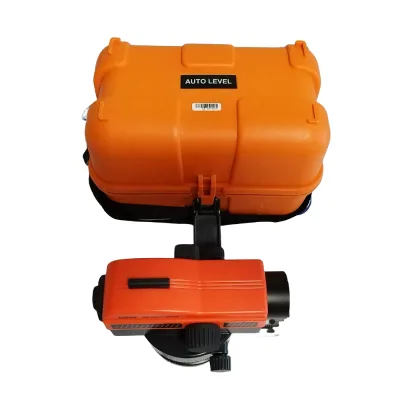
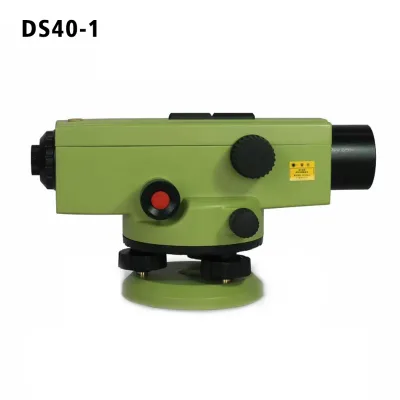
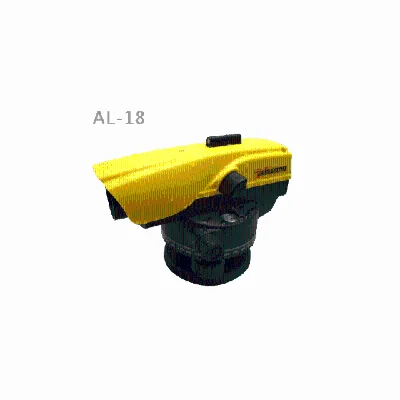
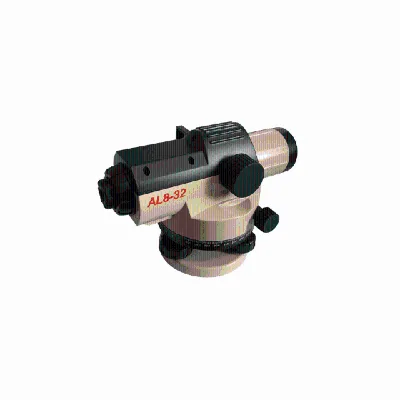
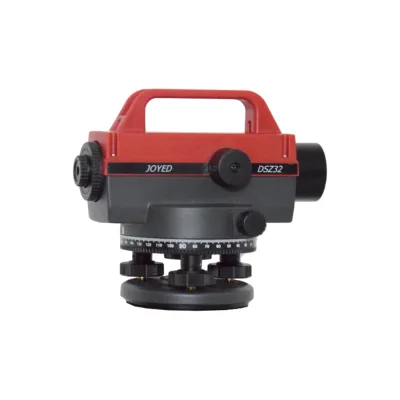
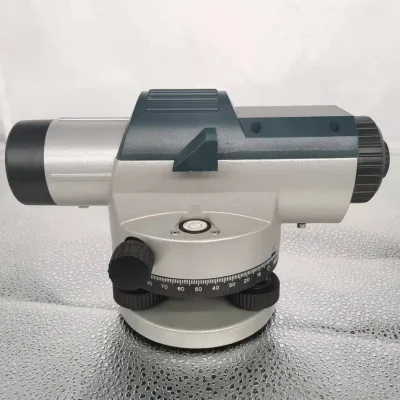
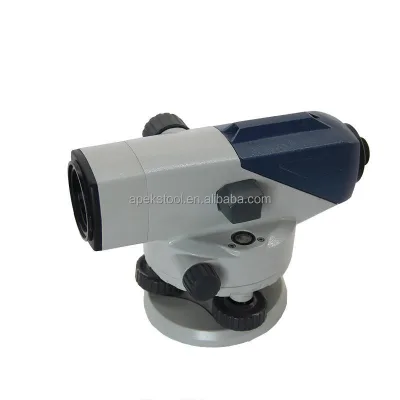
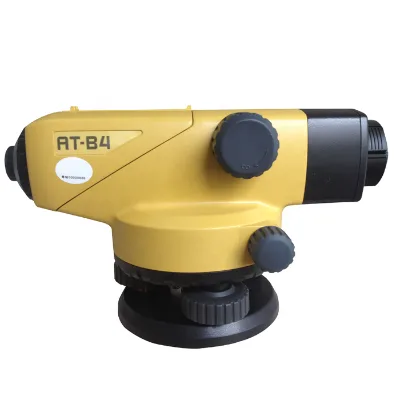
Comprehensive Sourcing Guide
Erect Image 36x Auto Level Sourcing Guide
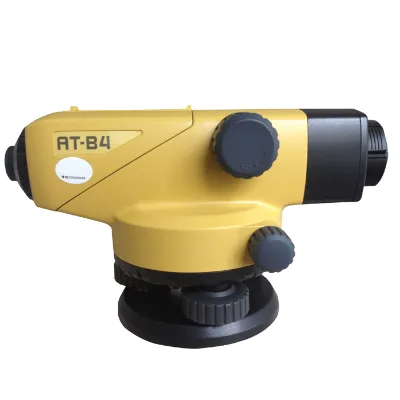
Procuring an Erect Image 36x Auto Level requires careful attention to optical clarity and magnification consistency across different manufacturing batches. Buyers must verify that the specified magnification aligns with the actual optical performance, as observed listings show variations ranging from 28x to 38x. The core requirement for an erect image ensures that surveyors can read leveling rods without mental rotation, which is critical for field efficiency.
When evaluating potential suppliers, it is essential to distinguish between models that offer standard erect images and those with specific high-magnification capabilities. The observed data indicates that while some units provide 32x or 38x magnification, the exact 36x specification may require custom verification or specific model selection. Buyers should prioritize suppliers who can demonstrate consistent optical quality and provide clear documentation on the actual magnification power delivered in the final product.
Product Scope and Observed Listing Signals
The market for erect image auto levels includes a diverse range of models, with observed listings featuring specific product codes like DSZ34B, DSZ38, and NA700. These units typically come in carton or plastic box packaging, reflecting different levels of protection during transit. The observed price range of 48 to 450 USD suggests significant variation in build quality, optical precision, and included accessories, necessitating a detailed review of individual product descriptions.
Buyers should note that customization is available for many of these units, allowing for tailored solutions to specific project requirements. However, the observed data also highlights inconsistencies in model naming and standard specifications, such as the NA700 standard being listed alongside specific magnification values. This variability underscores the need for buyers to cross-reference model numbers with actual technical capabilities rather than relying solely on marketing titles or generic product names.
Technical Specifications to Verify
Optical performance is the primary technical consideration, with observed units offering magnifications of 32x, 38x, and 28x, alongside erect image capabilities. The shortest sighting distance varies between 0.4m and 0.5m, which impacts usability in tight construction spaces. Buyers must confirm that the specific model selected meets the minimum sighting distance requirements for their intended application, as this parameter directly influences operational flexibility on the job site.
Environmental durability is another critical specification, with observed units rated for IP54 or IP67 water and dust protection. The choice between air dumping and magnetic damping mechanisms affects the stability of the instrument during leveling operations. Additionally, accuracy metrics such as 1km error rates of 0.7mm or 1.0mm must be verified against project tolerances. Buyers should ensure that the damping system and accuracy ratings align with the precision demands of their specific surveying tasks.
Compliance and Safety Documentation
Documentation regarding product standards is essential for ensuring that the equipment meets international safety and quality benchmarks. Observed listings reference standards such as SGS, though the specific application of these standards to the final product requires confirmation. Buyers should request detailed test reports that validate the claimed water and dust protection ratings, as these certifications are crucial for equipment operating in harsh outdoor environments.
Warranty and after-sales support are integral components of the compliance framework, with observed listings offering a standard one-year warranty and explicit after-sales service availability. It is vital to verify the scope of this warranty, including coverage for optical defects and mechanical failures. Buyers must ensure that the supplier provides clear procedures for claims and repairs, as the longevity of the instrument depends heavily on the responsiveness of the support team in the event of equipment malfunction.
Cost Drivers and Commercial Terms
The observed price range of 48 to 450 USD is influenced by factors such as magnification power, damping technology, and build quality. Higher magnification levels and advanced damping systems, such as magnetic dumping, typically command a premium price. Buyers should analyze the cost-to-performance ratio, ensuring that the additional expense for higher specifications translates into tangible benefits for their specific surveying projects.
Minimum Order Quantities (MOQ) observed in the market range from 1 to 5 units, offering flexibility for small-scale procurement. However, buyers should be aware that bulk orders may unlock better pricing tiers or expedited shipping options. It is also important to consider the packaging requirements, as units packed in individual boxes or cartons may incur different logistics costs. Understanding these commercial terms helps in budgeting accurately and negotiating favorable terms with suppliers.
Supplier Qualification and Quality Control
Supplier origin is a key factor in quality assurance, with observed listings indicating production in China, specifically in regions like Changzhou and Jiangxi. Buyers should verify the manufacturing capabilities of these facilities, focusing on their experience with optical instruments and adherence to quality control protocols. The presence of specific product models like DSZ32C and SAL32ND suggests a diverse production line, but consistency in quality across batches must be confirmed.
Quality control processes should include rigorous testing of optical alignment, waterproofing, and mechanical stability. Buyers are advised to request sample units for independent testing before committing to larger orders. The availability of customization options also indicates a supplier's flexibility, but it requires robust quality assurance measures to ensure that custom modifications do not compromise the instrument's performance. Establishing a clear quality agreement is essential for maintaining product integrity.
Long-Term Procurement Checks
Sustaining a reliable supply chain for erect image auto levels requires ongoing monitoring of supplier performance and product consistency. Buyers should establish regular review cycles to assess whether the supplied units continue to meet the specified magnification, accuracy, and durability standards. Tracking the performance of units over time helps identify any potential degradation in quality or shifts in manufacturing processes that could affect project outcomes.
Future procurement strategies should include the development of long-term relationships with suppliers who demonstrate a commitment to quality and innovation. Buyers should stay informed about updates to industry standards and technological advancements that could enhance the performance of auto levels. By maintaining a proactive approach to supplier management and quality verification, organizations can ensure a steady supply of reliable equipment for their surveying and construction needs.
FAQs
What magnification options are available for erect image auto levels?
Available magnification options include 28X, 32X, and 38X models. These specifications cater to different precision requirements for surveying tasks. Buyers can select the appropriate level based on their specific project needs and desired viewing clarity.
Can erect image auto levels be customized for specific projects?
Yes, customization is available for these instruments. Manufacturers offer tailored solutions to meet unique operational requirements. This flexibility allows buyers to adapt the equipment for specialized surveying applications or specific environmental conditions effectively.
Which models offer IP54 or IP67 water and dust proofing?
Specific models provide IP54 or IP67 ratings for water and dust protection. These features ensure durability in challenging outdoor environments. Buyers should verify the exact IP rating for each model to match their site conditions.
How does magnetic damping improve auto level performance?
Magnetic damping stabilizes the bubble quickly for faster readings. This feature reduces oscillation time, enhancing efficiency during field surveys. Models with this technology offer improved accuracy and user comfort compared to standard damping systems.
What is the typical warranty period for these auto levels?
The standard warranty period is typically one year. This coverage protects against manufacturing defects and ensures product reliability. Buyers should confirm specific warranty terms with suppliers to understand the full scope of after-sales service support.
Where are these auto levels primarily manufactured?
These instruments are primarily manufactured in China, with origins in regions like Changzhou and Jiangxi. This location supports competitive pricing and robust supply chains. Buyers can leverage this geographic advantage for efficient sourcing and logistics planning.