Source Laser Print Security Padlock Seal for Trucks, Containers, Doors
Compare 30 laser print security padlock seal options from China. These plastic seals feature laser printing or hot stamping for barcodes and logos, offering high-pressure resistance and eco-friendly materials for secure container and truck applications; compare the available evidence and request quotations based on your requirements.
Key considerations
Products List






Comprehensive Sourcing Guide
Laser Print Security Padlock Seal Sourcing Guide
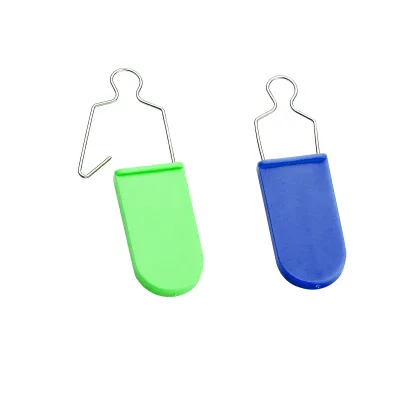
Procurement teams must first distinguish between standard plastic seals and high-security container padlocks when sourcing laser-printed security seals. The observed market data indicates a wide range of product names, from generic "Padlock Security Seal" to specific marine models like "Deyuan Marine," suggesting that buyers must verify the exact physical form factor required for their logistics chain. While some listings describe the product as a "Handle Rope" type, others specify a rigid "Lock Bodysize," meaning the application dictates whether a flexible cable or a rigid padlock mechanism is necessary for the intended security level.
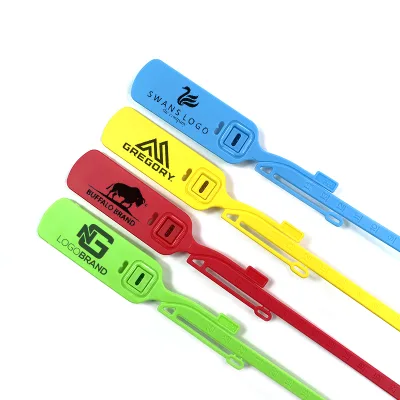
Buyers should also scrutinize the customization capabilities listed in supplier catalogs, as the ability to apply laser printing is a critical differentiator for traceability. The available data confirms that laser printing supports complex content such as barcodes, QR codes, and unique serial numbers, which are essential for supply chain integrity. However, the presence of "Customized" color options alongside fixed palettes like yellow, green, and orange requires careful alignment with internal branding or industry color-coding standards to ensure immediate visual identification during inspections.
Product Scope and Observed Listing Signals
The observed product listings reveal a diverse scope ranging from simple plastic seals to specialized container padlocks designed for trucks and shipping containers. Suppliers frequently list applications for "Containers and Trucks," indicating that the primary market focus is on high-value cargo protection rather than general door security. This distinction is vital because the mechanical strength required for a shipping container differs significantly from that needed for a warehouse door, and buyers must ensure the selected seal matches the specific stress points of their transport mode.
Price and minimum order quantity (MOQ) signals in the market show a broad spectrum, with observed prices ranging from $0.01 to $50 and MOQs varying from single units to nearly 50,000 pieces. This variance suggests that buyers can source small batches for testing or large volumes for operational deployment, but the unit cost will likely fluctuate based on the complexity of the laser printing and the specific material composition. Buyers should note that "Free of Charge" samples are often available, which provides a low-risk opportunity to validate the physical quality and print clarity before committing to a larger commercial order.
Technical Specifications to Verify
When evaluating technical specifications, the physical dimensions of the seal are paramount, as observed data lists lengths around 74.44mm and specific body sizes like 36/21/6mm or 533733cm. These measurements directly impact the seal's ability to fit through standard locking mechanisms on containers and trucks, and a mismatch can lead to installation failures or security breaches. Buyers must verify that the listed dimensions correspond to the actual hardware they intend to secure, as the "Standard Export Package" may contain seals that vary slightly in size depending on the specific model number provided by the manufacturer.
Material composition and printing durability are equally critical technical factors that require verification against the supplier's data sheet. The supply chain data indicates the use of materials such as PP (polypropylene) and general plastic, which must be robust enough to withstand environmental exposure during transit. Furthermore, the printing method, described as "Laser Printing" or "Hot Stamping," must be confirmed to ensure the printed content remains legible and tamper-evident after exposure to weather, friction, and potential chemical agents encountered in maritime or overland logistics.
Compliance and Safety Documentation
Compliance verification is essential for international trade, as the observed listings mention certifications such as ECE and ISO, which are relevant for specific regional and industry standards. Buyers should request current certification documents to confirm that the seals meet the regulatory requirements of the destination market, particularly for shipments entering regions with strict customs security protocols. While some listings reference ISO9001, this certifies the manufacturer's quality management system rather than the specific performance of the seal, so buyers must distinguish between organizational certification and product-specific compliance.
Safety documentation should also address the environmental and operational safety of the seal materials, especially given the "Eco-Friendly" attribute noted in some product descriptions. Procurement teams need to ensure that the plastic components do not contain hazardous substances that could violate environmental regulations in the importing country. Additionally, the "Disposable Use" feature implies a single-use lifecycle, which must be documented to prevent the reuse of seals, a common vulnerability in security logistics that could compromise the integrity of the cargo chain.
Cost Drivers and Commercial Terms
The cost of laser-printed security seals is driven primarily by the complexity of the customization and the volume of the order, as evidenced by the wide MOQ range observed in the market. High-volume orders often benefit from economies of scale, but the specific requirements for unique barcodes, QR codes, or custom logos can increase the setup and per-unit costs. Buyers should negotiate based on the total cost of ownership, considering that the "Standard Export Package" or custom packing options like 1000PCS/Carton may influence shipping costs and handling efficiency at the destination port.
Commercial terms regarding lead times and sample availability are critical for supply chain planning, with observed producing periods listed as less than 20 days. This relatively short lead time allows for agile procurement strategies, but buyers must confirm if this timeline applies to customized orders or only standard stock items. The availability of free samples is a significant commercial advantage, allowing buyers to validate the product without financial risk, but the terms for shipping these samples and the timeline for receiving them should be clearly defined in the purchase agreement to avoid delays.
Supplier Qualification and Quality Control
Supplier qualification should focus on the manufacturer's ability to consistently deliver the specific technical attributes observed in the listings, such as the "Deyuan Marine" model or the "SK1002PL" series. Buyers must verify that the supplier has the necessary infrastructure to perform high-precision laser printing and hot stamping, as these processes require specialized equipment to ensure the printed content is permanent and tamper-evident. The "Standard" and "Customized" standard options listed suggest flexibility, but the supplier must demonstrate a track record of maintaining consistency across different production runs to prevent quality drift.
Quality control protocols must be established to verify that the seals meet the "High Pressure" performance claims and the "Rectangle" sectional shape specifications. Buyers should implement a sampling plan that tests the mechanical strength of the lock body and the durability of the printed information under simulated stress conditions. Given the "Mainland China" origin of many suppliers, establishing clear communication channels for quality feedback and defining the acceptance criteria for defects is essential to ensure that the delivered seals perform reliably in real-world security scenarios.
Long-Term Procurement Checks
Long-term procurement success depends on establishing a robust relationship with suppliers who can adapt to changing security requirements and regulatory landscapes. Buyers should regularly review the supplier's certification status, particularly for ISO standards, to ensure their quality management systems remain current and compliant with international best practices. The ability of the supplier to provide "Customized" solutions for future needs, such as new printing formats or material upgrades, is a key indicator of their long-term viability as a strategic partner.
Continuous monitoring of the supply chain is necessary to detect any shifts in product specifications or performance capabilities that could impact security. Buyers should maintain a database of the specific model numbers and technical parameters observed, such as the "SF-PD101" or "SK1003PL," to ensure that future orders match the proven performance of previous batches. Regular audits of the supplier's production processes and quality control records will help mitigate risks associated with material changes or manufacturing variances that could compromise the integrity of the security seals over time.
FAQs
What printing methods are available for these seals?
Laser printing and hot stamping are the available printing methods for these security seals. You can choose from barcode, QR code, logo, numbers, or text content. This customization ensures unique identification for containers and trucks while maintaining high security standards.
Can I get free samples before placing a large order?
Yes, free samples are available for charge-free evaluation before you commit to a bulk purchase. This allows you to verify the plastic material quality and laser printing clarity. You can then proceed with customized orders based on your specific security seal requirements.
What certifications do these container padlock seals hold?
These seals hold ECE and ISO certifications to ensure compliance with international standards. Some models also meet ISO9001 quality management requirements. These certifications validate the product reliability for securing containers and trucks in global logistics operations.
How long does production take for customized orders?
The producing period is typically under twenty days for customized orders. This lead time applies to standard export packaging or specific customer requirements. You can expect timely delivery for your security seal needs without significant delays in the supply chain.
What materials are used to manufacture these security seals?
The seals are manufactured using durable plastic materials, specifically PP plastic. This material ensures the seals are eco-friendly and suitable for disposable use. The robust construction supports high-pressure applications while maintaining integrity during transport.
Which colors are available for these padlock security seals?
Available colors include yellow, green, orange, white, red, and blue. You can also request customized colors to match your branding or security protocols. This variety helps in easy visual identification of different seal types across various applications.
What are the standard packaging options for bulk orders?
Standard packaging options include 100 pieces per bag and 1000 pieces per carton. Alternatively, 3000 pieces per carton is available for larger shipments. Customized packing arrangements can also be made to meet specific customer requirements for efficient logistics handling.