Source Leak-Proof Fireproof Car Ashtray for drivers, passengers, and clubs
Explore 30 listings for a Leak-Proof Fireproof Car Ashtray suitable for drivers, passengers, and cigar clubs. Compare specifications, materials, and pricing from verified suppliers to find the right accessory for your needs.
Key considerations
Products List
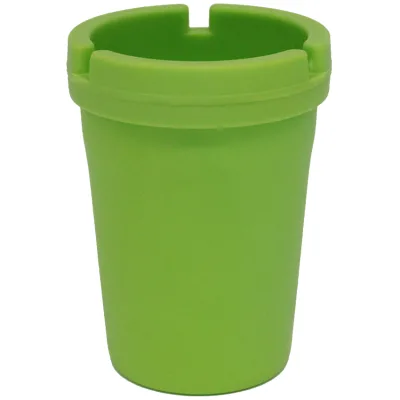
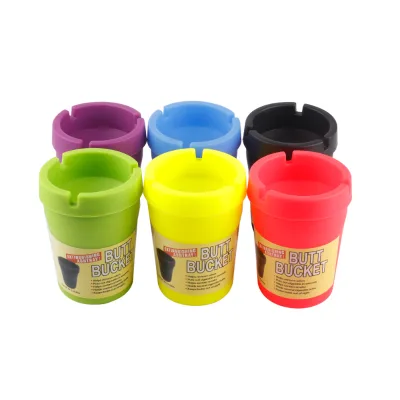
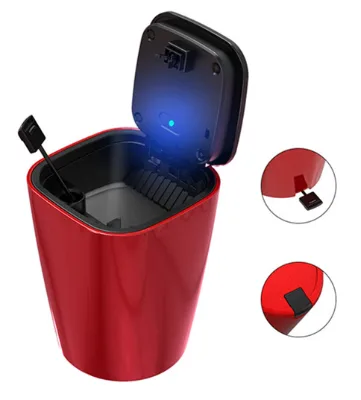
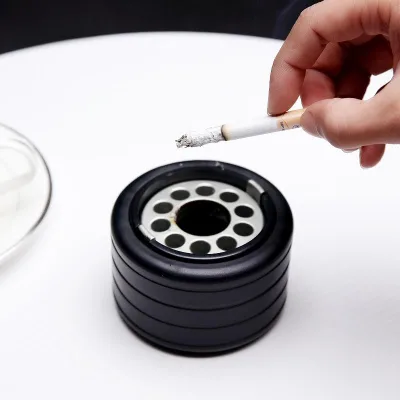
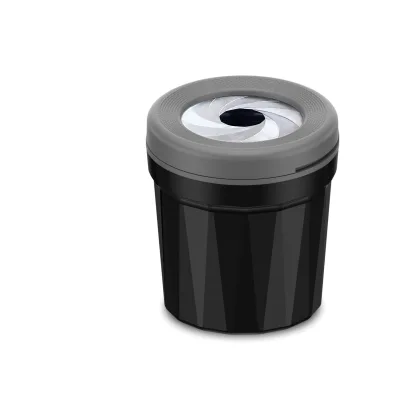
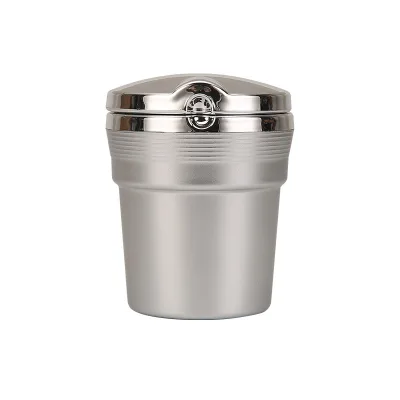
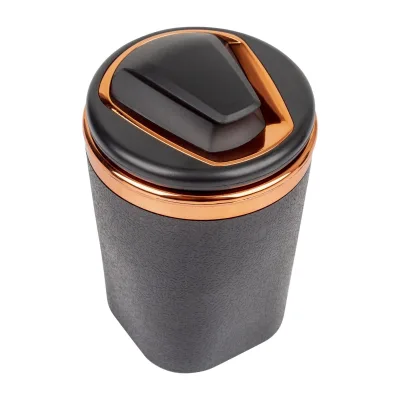
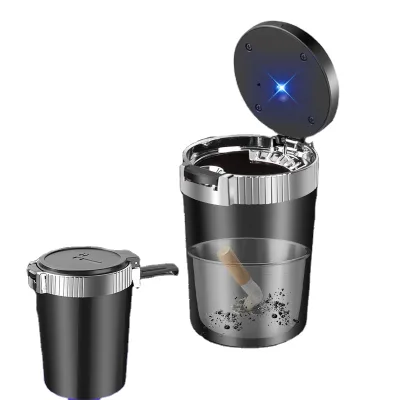
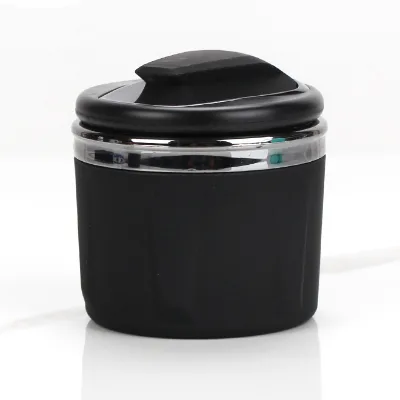
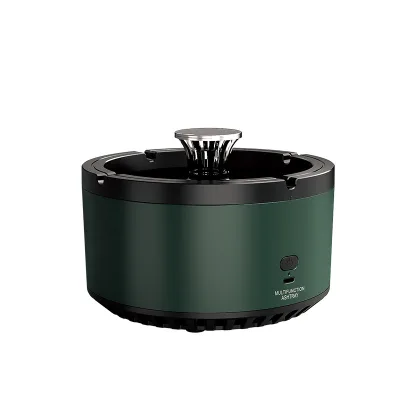
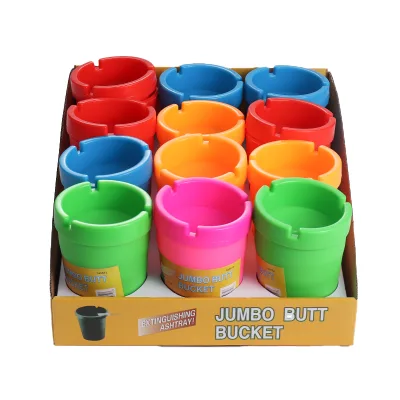
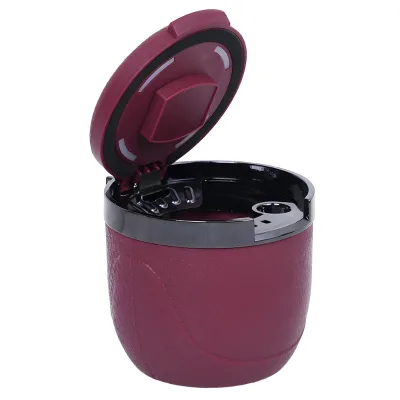
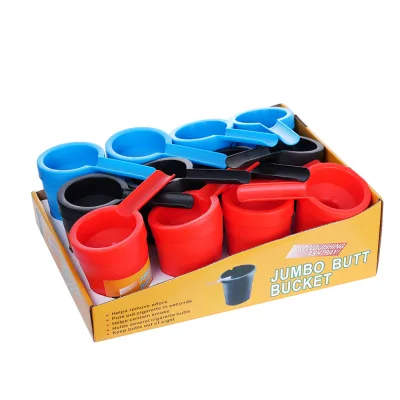
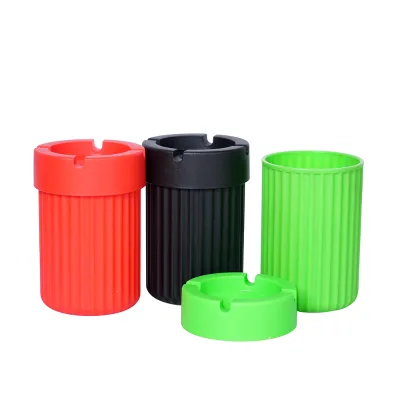
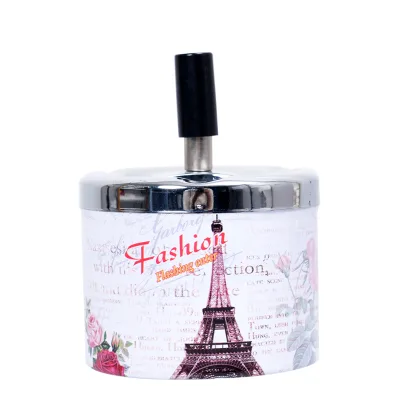
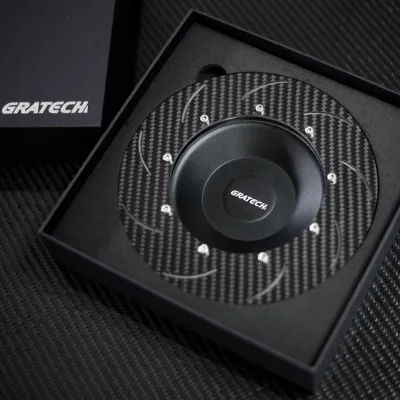


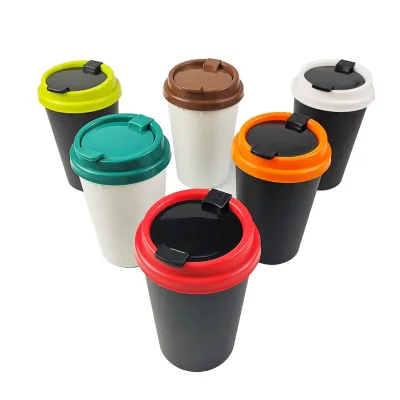


Car Ashtray Detachable with Lid LED Light up and Removable Car Cup Holder
$2.00 - $2.50
MOQ: 288 Pieces

Multi-Functional Anti-Spill Stable Car Interior Ashtray Portable Car Ashtray
$1.08 - $1.20
MOQ: 850 Pieces

Advanced Technology Anti-Ashes Flying Car Interior Ashtray Portable Car Ashtray
$0.98 - $1.09
MOQ: 950 Pieces


Sleek Design Easy-Clean Compact Car Interior Ashtray Portable Car Ashtray
$1.08 - $1.20
MOQ: 850 Pieces

Stylish Appearance Anti-Scratch Premium Car Interior Portable Car Ashtray
$0.99 - $1.10
MOQ: 950 Pieces
Comprehensive Sourcing Guide
Strategic Sourcing Guide for Leak-Proof Fireproof Car Ashtrays
Understanding the Product Category and Core Specifications
When sourcing a leak-proof fireproof car ashtray, buyers must first distinguish between the generic product category and the specific functional requirements implied by the core keyword. The market offers a wide array of ashtrays, ranging from simple plastic holders to complex, multi-functional units. Based on the available product data, the fundamental material composition often centers on durable polymers such as ABS, PP (polypropylene), or composite blends like rubber and ABS. These materials are selected for their resistance to heat and their ability to maintain structural integrity under the thermal stress of burning tobacco or cigars.
The physical dimensions of these units vary significantly across suppliers. Observed specifications indicate sizes ranging from compact 759362mm units to larger 811cm or 8853mm variants. The single package size can also differ, with listings showing dimensions like 73X43X5 cm or 10X20X10 cm, suggesting that packaging density and logistics planning are critical variables. While some products are marketed with a "fashionable" or "modern" style, others emphasize a "portable" nature suitable for various vehicle types, including universal fitment models. The "leak-proof" attribute is a functional claim that requires verification against the internal design of the ashtray, particularly the presence of a lid or a secondary containment mechanism to prevent ash spillage during vehicle movement.
Technical Verification of Fireproof and Leak-Proof Claims
The terms "fireproof" and "leak-proof" are critical performance descriptors that buyers must treat as claims requiring rigorous evidence rather than assumed attributes. In the context of automotive accessories, "fireproof" typically implies that the material will not ignite or melt at the temperatures generated by a smoldering cigarette or cigar. While the supplied data lists materials like ABS and PP, which have specific melting points, it does not provide specific test results or fire rating certifications (such as UL94). Therefore, a buyer must verify the thermal resistance of the specific material grade used by the supplier.
Similarly, the "leak-proof" characteristic is often associated with the design of the ashtray's interior. Some products in the market are described as having a "round" or specific shape, which may influence how ash and liquids are contained. To ensure a unit is truly leak-proof, the buyer should request evidence of a liquid containment test, where the ashtray is filled with a small amount of water or oil and subjected to vibration or tilting to simulate driving conditions. The presence of a lid, as suggested by the "color box" packaging and "OEM Logo Acceptable" attributes, often correlates with better containment capabilities. However, without specific test data provided in the product listings, the buyer must insist on a sample evaluation that simulates real-world driving scenarios to confirm that ash does not spill and that no liquids leak from the base.
Compliance, Certification, and Safety Standards
Navigating the compliance landscape for automotive interior accessories requires a clear understanding of regional safety standards. While the supplied product information mentions advantages like "Eco-Friendly" and "Natural Healthy," these are marketing terms rather than certified standards. Buyers should not assume that a product labeled as eco-friendly meets specific regulatory requirements for volatile organic compounds (VOCs) or flammability without documentation.
In the automotive sector, materials used in interior components often need to comply with standards regarding flammability, such as those set by the FMVSS (Federal Motor Vehicle Safety Standards) in the United States or ECE regulations in Europe. The absence of explicit certification names in the provided data means that the buyer must actively request the supplier to provide test reports from accredited laboratories. These reports should verify that the plastic or composite materials used do not release toxic fumes when exposed to heat and that the product meets the necessary flammability ratings for vehicle interiors. Additionally, if the product is intended for export, compliance with REACH (Registration, Evaluation, Authorisation and Restriction of Chemicals) in the EU or similar chemical safety regulations in other markets is essential. The buyer must verify that the supplier has the capacity to provide these documents before placing a bulk order, as the lack of certification can lead to customs delays or product recalls.
Cost Drivers and Pricing Dynamics
The pricing of car ashtrays is influenced by several factors, including material costs, manufacturing complexity, and order volume. The observed price range in the market spans from $0.19 to $60, a significant variance that reflects differences in quality, brand positioning, and feature sets. Lower-priced items are typically basic plastic units with minimal packaging, while higher-priced units may feature premium materials, custom molding, or advanced containment designs.
Order Volume is a primary cost driver. The data indicates a Minimum Order Quantity (MOQ) range of 1 to 2000 sets. A high MOQ, such as 2000 sets, often correlates with a lower unit price due to economies of scale in production and logistics. Conversely, suppliers offering an MOQ of 1 or a low quantity allow for sample testing or small-batch distribution but at a higher per-unit cost. The "Single gross weight" of the products, ranging from 3.000 kg to 5.000 kg per package, also impacts shipping costs. Heavier packages or those with larger dimensions (e.g., 73X43X5 cm) will incur higher freight charges, which can significantly affect the landed cost. Buyers should calculate the total cost of ownership, including freight, duties, and potential warehousing fees, rather than focusing solely on the unit price.
Supplier Evaluation and Geographic Considerations
When evaluating potential suppliers, geographic origin plays a role in understanding the supply chain dynamics. The provided data lists "Zhejiang, China" and "Guangdong, China" as places of origin. These regions are known for their robust manufacturing ecosystems, particularly in the production of plastic and automotive accessories. Zhejiang is often associated with a wide range of consumer goods and plastic molding, while Guangdong is a hub for electronics and high-volume manufacturing.
Suppliers should be evaluated based on their responsiveness to customization requests, such as OEM logo acceptance and color variations. The data shows that some suppliers accept OEM logos and offer colors like green, black, red, and blue, while others may have more limited options. The "Brand Name" listed as "Autoall" or "IDEA+" suggests that some suppliers operate under their own branding, while others may be private label manufacturers. Buyers should verify the supplier's production capacity and their ability to maintain consistent quality across large batches. The availability of free samples is a positive indicator, allowing buyers to physically inspect the product for build quality and functional performance before committing to a large order. However, the "Sample: Avialable" or "free sample" status should be confirmed with the supplier to ensure that the sample provided is representative of the mass-produced goods.
Quality Control and Long-Term Procurement Strategy
Implementing a robust quality control (QC) strategy is essential for ensuring that the sourced ashtrays meet the "leak-proof" and "fireproof" requirements. Buyers should establish clear acceptance criteria based on the product specifications, including material composition, dimensional accuracy, and functional performance. A pre-shipment inspection is highly recommended to verify that the production batch matches the approved sample. This inspection should include checks for structural integrity, the effectiveness of the lid mechanism, and the absence of defects such as cracks or uneven surfaces.
For long-term procurement, building a relationship with a reliable supplier is crucial. The "OEM: Accept" attribute indicates that suppliers are open to customization, which can be a strategic advantage for buyers looking to differentiate their products. However, buyers must ensure that the supplier has the technical capability to maintain the quality of the product over time. This includes verifying that the supplier uses consistent raw materials and has a stable production process. The "Advantage: Eco-Friendly" claim should be backed by verifiable data, as sustainability is becoming an increasingly important factor in B2B procurement. Buyers should also consider the lead time and the supplier's ability to scale production in response to demand fluctuations. By maintaining open communication and setting clear quality expectations, buyers can mitigate risks and ensure a steady supply of high-quality car ashtrays.
Typical Applications and Market Fit
The applications for car ashtrays extend beyond simple utility; they serve as functional accessories for various driving scenarios. The "Car Model: Universal" specification suggests that these products are designed to fit a wide range of vehicles, making them suitable for general automotive retail and aftermarket distribution. The "Application: Ash Holder" and "Ashtray for driver" labels indicate that these products are primarily intended for use by drivers, but the "Occasion: Cigar Club" attribute suggests a secondary market for enthusiasts who may use the ashtray in specialized settings.
The "Style: Fashionable" and "Style: Modern" attributes highlight the aesthetic importance of these products. In the automotive interior market, accessories are often chosen not just for function but for their ability to complement the vehicle's design. Buyers targeting premium markets should prioritize suppliers who offer a range of colors and finishes that align with current automotive trends. The "Portable" nature of some units also opens up opportunities for use in recreational vehicles, boats, or outdoor settings, expanding the potential market reach. Understanding these diverse applications allows buyers to tailor their sourcing strategy to specific customer segments, whether they are mass-market retailers or niche luxury accessory distributors.
Final Procurement Considerations
In conclusion, sourcing a leak-proof fireproof car ashtray requires a meticulous approach that balances technical verification, compliance checks, and cost management. Buyers must move beyond surface-level marketing claims and demand concrete evidence of performance and safety. By carefully evaluating suppliers based on their geographic location, production capacity, and willingness to provide samples and certifications, buyers can secure a reliable supply chain. The wide range of prices and MOQs available in the market offers flexibility, but it also necessitates a thorough analysis of the total cost of ownership. Ultimately, the success of the procurement effort depends on the buyer's ability to define clear quality standards and maintain a proactive relationship with suppliers to ensure that the final product meets the rigorous demands of the automotive industry.
FAQs
What materials are used for leak proof fireproof car ashtrays?
These ashtrays are typically made from durable plastics like ABS, PP, or rubber blends. These materials offer heat resistance and structural integrity, though specific fire ratings require verification from the supplier rather than assumed product attributes.
Can I get a free sample before placing a bulk order?
Yes, free samples are available for many listings to verify quality and functionality. Buyers should confirm sample availability with the specific supplier to ensure the unit matches mass-production standards before committing to large quantities.
What is the minimum order quantity for these ashtrays?
Minimum order quantities vary significantly, ranging from single items up to 2000 sets depending on the supplier. Higher volumes often secure better unit prices, while lower MOQs allow for smaller batch testing or distribution needs.
Where are these car ashtrays manufactured?
Products originate from manufacturing hubs in Zhejiang and Guangdong, China. These regions specialize in plastic molding and automotive accessories, offering diverse options for sourcing based on specific logistical or customization requirements.
Do these ashtrays support custom logo printing?
Yes, OEM logo acceptance is a common feature for many suppliers in this category. Buyers can request custom branding on the product or packaging, provided they meet the supplier's specific customization and minimum order requirements.
How do I verify the fireproof and leak-proof claims?
Buyers must request specific test reports or conduct physical evaluations since marketing terms alone are not certifications. Verification involves checking material melting points and testing liquid containment under vibration to ensure safety and performance standards.