Source LED Lighting Solar Bus Stop for Transit Shelters
Compare 22 LED Lighting Solar Bus Stop units from verified Chinese manufacturers. Buyers can evaluate customization options, power supply types, structural materials, and light adjustment features for public transportation applications and city public furniture needs; compare the available evidence and request quotations based on your requirements.
Key considerations
Products List


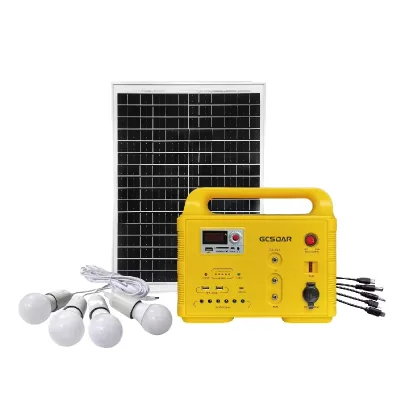
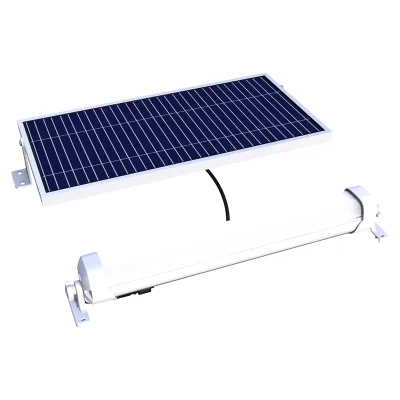


Solar-Based Bus Stop LCD Signage with Background Management Software
$1800.00 - $2100.00
MOQ: 1 Pieces


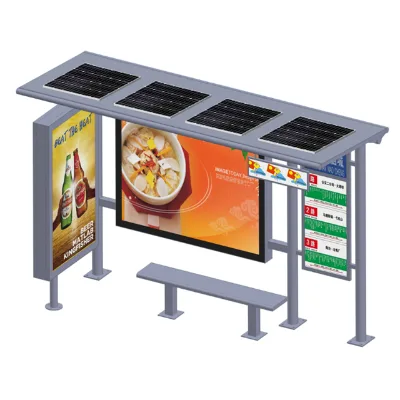
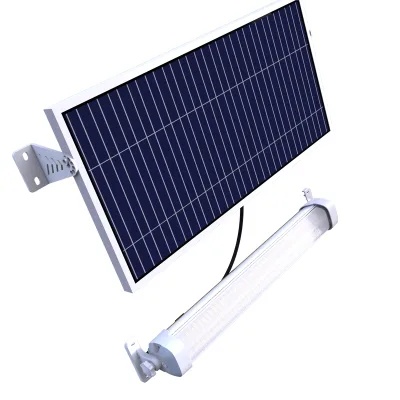
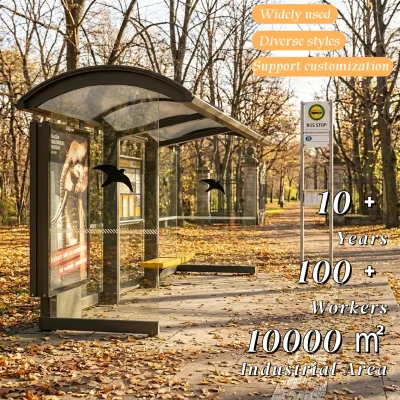
Comprehensive Sourcing Guide
LED Lighting Solar Bus Stop Sourcing Guide
Procurement teams must first distinguish between solar-integrated units and grid-dependent LED shelters, as the supplied data reveals a mix of AC and DC power options without explicit solar specifications. Buyers should verify if the "LED Lighting" or "Fluorescent Lamp" attributes refer to standalone power systems or if they are part of a hybrid solar architecture, as the current listings show standard AC110V-240V and DC 12V/24V supplies. This distinction is critical for infrastructure planning, as solar units require specific battery and panel integration that may not be present in standard grid-connected models.
The observed product range includes both new and used conditions, with materials ranging from stainless steel sheets to galvanized steel structures, indicating a diverse market of manufacturers. Sourcing strategies must account for these variations, as the structural integrity and longevity of a bus stop shelter depend heavily on the chosen material and surface finishing processes like painting or hot-dip galvanizing. Buyers should prioritize suppliers who can clearly define the power source and material composition to ensure the selected unit meets the specific durability requirements of the intended public transportation environment.
Product Scope and Observed Listing Signals
The market listings indicate a strong focus on customizable dimensions and shapes, with specific models like ZEMSO-HCT-0188 and HS-BS-S006 available in square or vertical configurations. Procurement teams should note that visual sizes and structural materials are often customized on demand, requiring clear communication of spatial constraints and aesthetic preferences before finalizing orders. The presence of "Scrolling or Static" system options further suggests that the product scope extends beyond basic sheltering to include dynamic advertising capabilities, which may influence the selection of light boxes and panel materials.
Observations of the product listings reveal that power supply requirements vary significantly, with some units supporting AC110V-220V while others operate on DC 12V or 24V systems. This variability necessitates a careful review of the electrical infrastructure at the installation site to ensure compatibility with the selected bus stop shelter. Additionally, the availability of tempered glass for light box panels and various surface finishes like powder coating or painting highlights the need to evaluate the specific environmental conditions of the deployment location when selecting the final product configuration.
Technical Specifications to Verify
Buyers must rigorously verify the light source specifications, as the data lists options ranging from LED trips and T8 tubes to customized LED sources with low power consumption. It is essential to confirm whether the "Light Adjustment" feature is present or absent, as this impacts the operational flexibility and energy efficiency of the shelter in varying daylight conditions. The distinction between LED lighting and fluorescent lamps also affects maintenance schedules and energy costs, making it a primary technical criterion for long-term operational planning.
Structural and material specifications require close attention, particularly regarding the use of stainless steel, galvanized steel, or PC roof materials to ensure resistance to weathering and corrosion. The surface finishing processes, such as painting or hot-dip galvanizing, play a vital role in protecting the structure from the elements, and buyers should request detailed information on the thickness and quality of these coatings. Furthermore, the poster capacity, observed to range from 2 to 6 pieces, must be aligned with the advertising needs of the client, ensuring the shelter design supports the intended volume of promotional content.
Compliance and Safety Documentation
Safety compliance is paramount for public infrastructure, and buyers should verify that suppliers provide documentation for certifications such as ISO, CE, and ISO9001, which are explicitly mentioned in the product data. These certifications indicate adherence to international quality management and safety standards, providing assurance that the manufacturing processes meet rigorous benchmarks for structural integrity and electrical safety. Procurement teams must ensure that the specific models selected have valid, up-to-date certification documents that cover the electrical components and structural assemblies.
Electrical safety standards must be strictly enforced, particularly regarding the power supply units that operate on AC110V-240V or DC 12V/24V systems. Buyers should request test reports or compliance certificates that verify the electrical components meet local safety regulations for public transportation facilities. The absence of explicit solar certification in the provided data means that if solar integration is required, additional verification of solar panel efficiency and battery safety standards will be necessary to ensure the system operates safely under all weather conditions.
Cost Drivers and Commercial Terms
The cost of these bus stop shelters is heavily influenced by the level of customization required for size, color, and materials, as well as the specific power supply configuration selected. Buyers should anticipate that units with advanced features like light adjustment, scrolling systems, or specialized surface finishes will command higher prices compared to standard static models. The negotiation of these costs is facilitated by the "Negotiable" status observed in the listings, allowing procurement teams to tailor the final price based on volume and specific design requirements.
Commercial terms regarding packaging and delivery are equally critical, with options ranging from bubble film and steel framing to wooden cases and foil protection. The "According to Your Requirements" packing standard suggests flexibility, but buyers must clearly specify packaging needs to prevent damage during transit, especially for glass panels and delicate lighting components. Additionally, the origin locations in Jiangsu and Guangzhou, China, may impact logistics costs and lead times, requiring careful coordination of shipping schedules to align with project timelines.
Supplier Qualification and Quality Control
Supplier qualification should focus on manufacturers with a proven track record in producing public transportation furniture, as evidenced by the diverse range of models and materials available in the market. Buyers should assess the supplier's capability to handle custom orders, given the frequent mentions of customized sizes, shapes, and standard requirements. The presence of multiple product models and origins suggests a competitive market, but verifying the supplier's production capacity and quality control processes is essential to ensure consistent delivery of high-quality shelters.
Quality control measures must include rigorous inspection of the surface finishing processes, such as painting and hot-dip galvanizing, to ensure long-term durability against environmental factors. Buyers should request samples or detailed quality reports that demonstrate the consistency of the stainless steel or galvanized steel structures and the integrity of the tempered glass panels. Establishing a clear quality assurance protocol with the supplier, including pre-shipment inspections and post-delivery support, will help mitigate risks associated with product defects or non-compliance with specifications.
Long-Term Procurement Checks
Long-term procurement strategies should prioritize suppliers who offer robust after-sales support and maintenance services, given the critical role of bus stop shelters in public infrastructure. Buyers should evaluate the availability of replacement parts for lighting systems and structural components to ensure minimal downtime in the event of damage or wear. The "Used" condition observed in some listings highlights the importance of understanding the lifecycle and maintenance requirements of the equipment to make informed decisions about new versus refurbished units.
Sustainability and energy efficiency should be key factors in long-term planning, especially as the market shifts towards low-power consumption LED solutions and potential solar integration. Buyers should monitor the performance of the selected lighting systems over time to ensure they meet energy efficiency goals and reduce operational costs. Regular audits of the installed shelters, including checks on the structural integrity and electrical safety, will help maintain the quality and safety standards required for public transportation facilities over the long term.
FAQs
Can the bus shelter lighting be customized?
Yes, the light source and adjustment features are fully customizable to meet specific project requirements. Buyers can choose between LED or fluorescent options and select models with or without light adjustment capabilities. This flexibility ensures the shelter integrates seamlessly with local infrastructure and aesthetic standards while providing optimal visibility for passengers.
What materials are used for the structure?
The structure typically utilizes stainless steel or galvanized steel to ensure durability and resistance to outdoor weather conditions. Roof materials may include PC or metal plates, while panels often feature tempered glass. These robust materials provide long-term stability and safety for public transportation environments, maintaining structural integrity over time.
What certifications do these shelters have?
Manufacturers often provide ISO, CE, and ISO9001 certifications to verify quality and safety standards. These credentials indicate compliance with international manufacturing protocols and environmental management systems. Buyers should verify specific documentation for each order to ensure the products meet local regulatory requirements and quality expectations for public infrastructure projects.
How is the power supply configured?
The power supply supports AC110V-240V or DC 12V/24V at 50-60Hz frequencies. This versatile electrical configuration allows installation in various regions with different grid standards. The system can operate with LED lighting or fluorescent lamps, ensuring reliable illumination for bus stop shelters regardless of the local power infrastructure availability.
What are the packaging options for shipping?
Packaging is customized according to buyer requirements to ensure safe transit. Standard options include bubble film, steel frames, wooden cases, and foil wrapping. This protective approach minimizes damage during logistics, allowing for efficient handling and storage. Buyers can specify exact packaging needs to align with their supply chain and unloading capabilities.
What is the typical poster capacity?
The shelter design generally supports a poster capacity of 2 to 6 pieces. This range allows for flexible advertising space depending on the specific model and structural dimensions. Buyers can select configurations that maximize visibility for advertisers while maintaining the aesthetic balance of the public furniture unit in urban environments.