Source LED Luminous Creative Wine Holder for Bars, Events, Retail
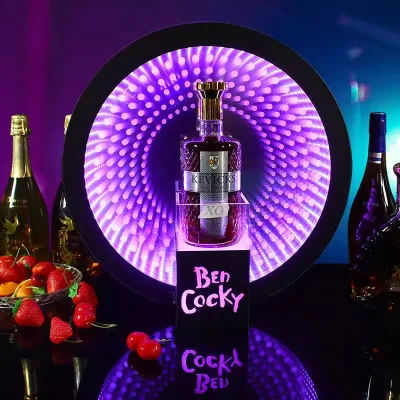
Compare 30 LED Luminous Creative Wine Holder options from verified suppliers. These units feature acrylic construction, customizable sizes, and RGB lighting for commercial display applications in bars, events, and retail environments; compare the available evidence and request quotations based on your requirements.
Key considerations
Products List
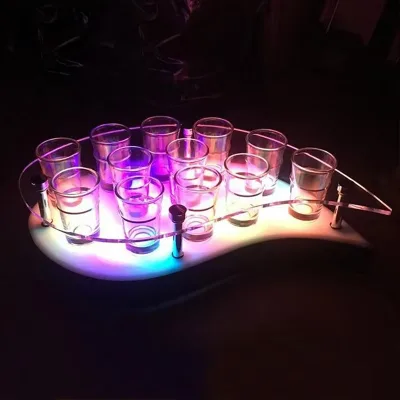
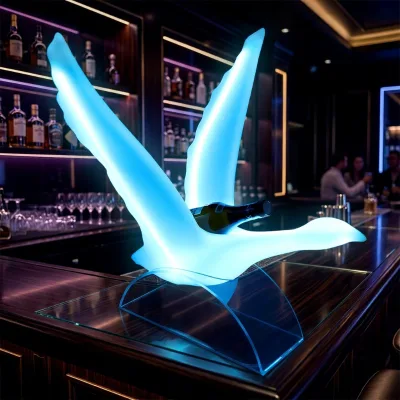
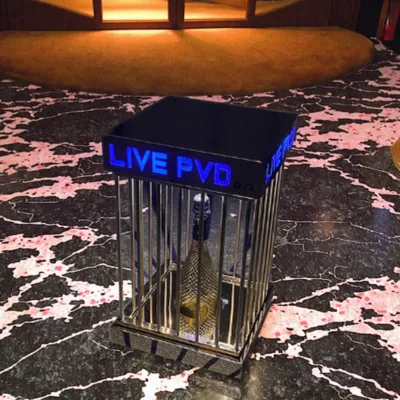


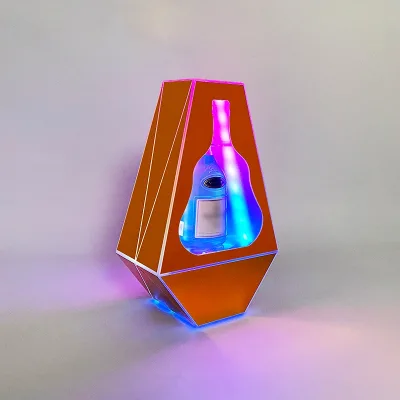
LED Illuminant Bar Decoration Liquor Bottle Holder Wine Exhibition Stand
$80.00 - $100.00
MOQ: 1 Pieces

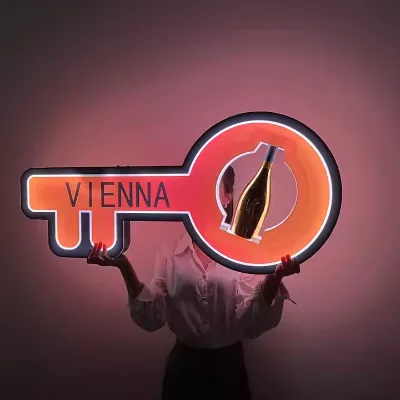
Custom Logo Bottle Display Pub LED Wine Holder Alcohol Exhibition Stand
$80.00 - $100.00
MOQ: 1 Pieces

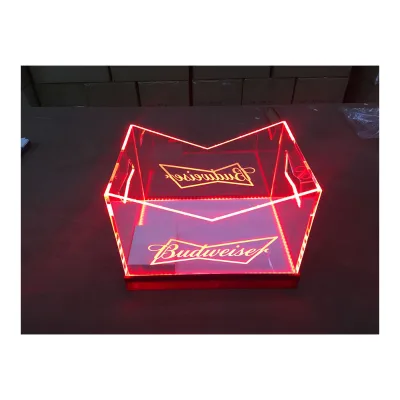
Illuminated LED Wine Display Stand Spirit Glorifier Wine Bottle Presenter
$100.00 - $120.00
MOQ: 1 Pieces

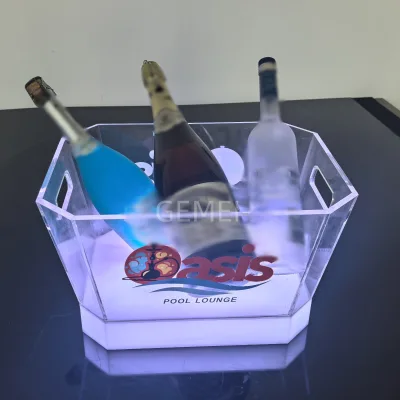
Customized Wine Display Racks LED Bottle Holder LED Bottle Display Stand
$100.00 - $120.00
MOQ: 1 Pieces

Brand Spirits Bottle Holder LED Wine Glorifier Bar Glowing Bottle Presenter
$100.00 - $120.00
MOQ: 1 Pieces

OEM Brand Beverage Holder LED Bottle Presenter Night Club Decoration Display
$100.00 - $120.00
MOQ: 1 Pieces

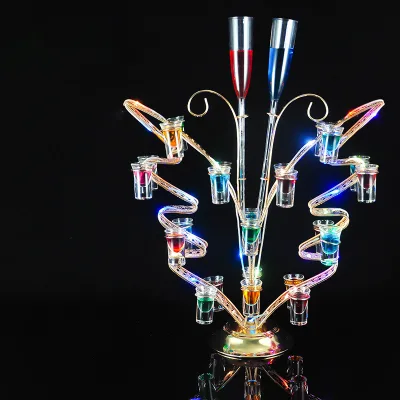
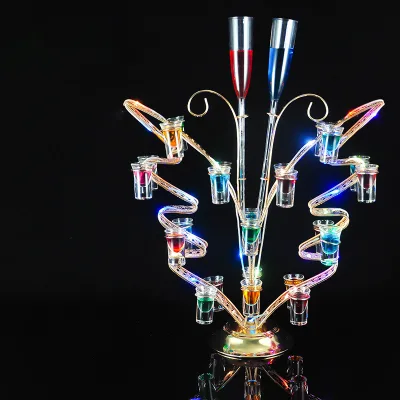
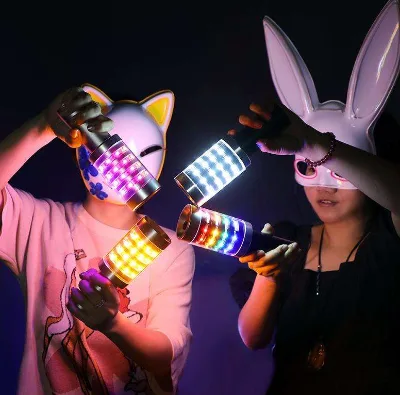
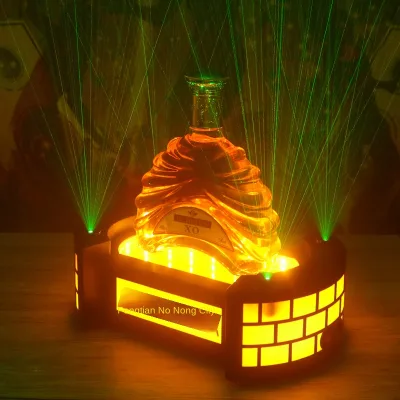
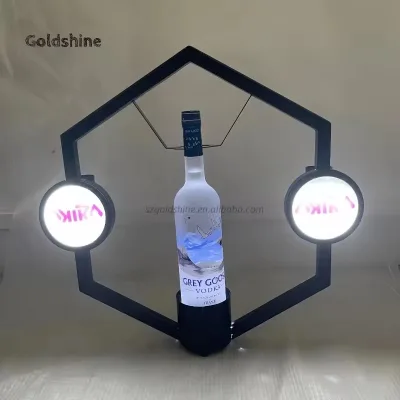








Comprehensive Sourcing Guide
LED Luminous Creative Wine Holder Sourcing Guide
Sourcing a LED Luminous Creative Wine Holder requires distinguishing between standard acrylic displays and specialized illuminated units designed for advertising or commercial presentation. The market offers distinct variations, including freestanding units with integrated LED lighting and step-shelf configurations that prioritize vertical orientation for optimal visibility. Buyers must carefully evaluate whether the product is intended for indoor desk use or outdoor commercial applications, as the material composition and lighting features differ significantly between these use cases.
Procurement decisions should focus on the specific functional requirements of the display environment, such as the need for RGB color options or specific surface treatments like UV coating and electroplating. While some listings indicate a single-item selling unit with low minimum order quantities, other commercial-grade options may require bulk purchasing to access custom branding features like silk-screen printing or hot stamping. Understanding these distinctions ensures the selected unit aligns with both the aesthetic goals and the logistical constraints of the procurement project.
Product Scope and Observed Listing Signals
The observed product range includes acrylic display units with customizable dimensions and shapes, alongside specialized LED wine bottle glorifiers that feature luminous swan designs. These items often utilize materials such as acrylic, PVC, or glass, with some units incorporating LED lights to create a glowing effect for advertising purposes. The listing signals indicate a mix of modern and luxury styles, with some products explicitly marketed for garment displays while others are tailored for showcasing wine bottles in a commercial setting.
Buyers should note that observed minimum order quantities vary widely, ranging from single units to bulk orders of one hundred pieces, depending on the specific model and customization level. The physical attributes, such as weight and single package size, also differ, with some units weighing as little as three kilograms while others reach five kilograms. This variance necessitates a clear definition of the required shelf type, whether it be a standard step shelf or a specialized luminous presenter, to ensure the product fits the intended display space.
Technical Specifications to Verify
Verification of technical specifications must begin with the material composition, as products are listed with varying combinations of acrylic, PVC, and glass, alongside specific surface treatments like polishing or UV coating. The orientation of the unit, whether vertical or horizontal, and the number of shelves, which can range from a single shelf to multi-tiered configurations, are critical for spatial planning. Additionally, the presence of integrated LED lighting and the capability for RGB color changes are key differentiators that must be confirmed against the specific lighting requirements of the display location.
Buyers should also scrutinize the assembly requirements and the recommended usage environment, as some units are designed for indoor desk use while others claim suitability for outdoor applications. The model numbers and specific dimensions, such as 40CM by 50CM by 20CM, provide a baseline for sizing, but the availability of customized sizes allows for tailored solutions. Ensuring that the surface treatment and material durability match the environmental conditions, such as water resistance or light weight requirements, is essential for long-term performance and aesthetic consistency.
Compliance and Safety Documentation
When sourcing illuminated display units, verifying the safety documentation for electrical components is paramount, especially for products featuring LED lights and RGB color capabilities. Although specific certification standards are not explicitly detailed in the provided facts, buyers must request evidence of compliance with local electrical safety regulations for any unit intended for commercial or outdoor use. This includes confirming that the wiring and light sources meet the necessary voltage and insulation standards to prevent hazards in public or high-traffic areas.
Documentation regarding the materials used, particularly the acrylic and PVC components, should also be reviewed to ensure they meet environmental and health standards for indoor air quality. While some product features highlight eco-friendly and recyclable attributes, buyers should seek specific material safety data sheets to validate these claims. Ensuring that the surface treatments and coatings are non-toxic and durable is crucial, especially for products that may be handled frequently or placed in environments where food and beverages are present.
Cost Drivers and Commercial Terms
The cost of LED luminous wine holders is influenced by several factors, including the complexity of the lighting system, the choice of materials like acrylic versus glass, and the extent of customization required for logos or dimensions. Units with advanced features such as RGB lighting and electroplated surfaces typically command higher prices than standard acrylic displays. Additionally, the minimum order quantity plays a significant role in pricing, with bulk orders often reducing the unit cost compared to single-item purchases.
Commercial terms, such as payment methods like T/T, and packing specifications involving PE film, foam, and protective packaging, are critical for managing logistics and budget. Buyers should clarify the single gross weight and package dimensions to accurately calculate shipping costs, as these can vary significantly between lightweight desktop units and heavier commercial displays. Understanding the relationship between the selling units, such as single items versus bulk packs, and the associated lead times is essential for effective financial planning and inventory management.
Supplier Qualification and Quality Control
Supplier qualification should focus on the manufacturer's ability to deliver consistent quality in both the structural integrity of the acrylic or glass components and the reliability of the integrated LED systems. Buyers must assess the supplier's experience with custom manufacturing processes, including silk-screen printing, UV coating, and hot stamping, to ensure that branding elements are applied with precision. The location of the supplier, often in regions like Guangdong, China, can impact the supply chain efficiency and the ability to conduct on-site quality inspections.
Quality control measures should include rigorous testing of the assembly process and the durability of the surface treatments against wear and tear. Since some products are marketed as easy to assemble, verifying the clarity of instructions and the robustness of the connection points is necessary to prevent damage during setup. Buyers should also evaluate the supplier's track record for meeting delivery schedules and handling custom orders, as the variability in minimum order quantities and product specifications requires a flexible and responsive manufacturing partner.
Long-Term Procurement Checks
Long-term procurement success depends on establishing a reliable supply chain that can consistently meet the evolving needs of display projects, including changes in product design or volume requirements. Buyers should maintain open communication channels with suppliers to monitor updates in material availability and manufacturing capabilities, ensuring that future orders can be fulfilled without significant delays or quality compromises. Regular reviews of the supplier's performance against agreed-upon specifications and delivery timelines are essential for maintaining a high standard of procurement.
Additionally, buyers should plan for the lifecycle management of the LED luminous wine holders, considering the potential need for replacement parts or maintenance of the lighting systems. Establishing a clear protocol for handling defects or returns, based on the observed features like water resistance and durability, will help mitigate risks associated with long-term use. By focusing on these strategic checks, buyers can ensure that their investment in creative wine holders remains a valuable asset for their commercial or advertising initiatives over time.
FAQs
What materials are used for the LED Luminous Creative Wine Holder
The primary material is acrylic, often combined with LED lighting for illumination. Some variations may include PVC or glass shelf components. The surface treatment typically involves polishing or UV coating to enhance durability and visual appeal. This construction ensures the holder is lightweight, water-resistant, and suitable for both indoor and commercial display environments.
Can I customize the size and shape of the LED Luminous Creative Wine Holder
Yes, the size and shape are fully customizable to meet specific display requirements. Suppliers offer tailored dimensions and forms to fit various product presentations. You can also request specific logo applications such as silk-screen printing, UV printing, or hot stamping. This flexibility allows for unique branding and design integration for retail or promotional use.
What is the minimum order quantity for LED Luminous Creative Wine Holder
The minimum order quantity varies by supplier, with observed ranges from 1 to 100 pieces. Some manufacturers offer single-unit samples for testing, while others require bulk orders of 100 units or more. It is essential to confirm the specific MOQ with the chosen vendor before placing an order to ensure it aligns with your procurement needs and budget constraints.
How is the LED Luminous Creative Wine Holder packaged for shipping
Standard packaging includes PE film, foam protection, and a sturdy outer packing box. This multi-layer approach protects the acrylic and LED components from damage during transit. The single package size is typically around 48x58x25 cm, with a gross weight of approximately 5 kg. Proper packaging ensures the product arrives in pristine condition for immediate display use.
What are the key features of the LED Luminous Creative Wine Holder
Key features include LED light glowing, eco-friendly materials, and water resistance. The design is durable, lightweight, and recyclable, making it suitable for long-term indoor use. It supports easy assembly and offers a modern, luxury aesthetic. These attributes make it ideal for commercial displays, advertising, and enhancing the presentation of wine bottles in retail settings.
Where is the LED Luminous Creative Wine Holder manufactured
The product is primarily manufactured in Guangdong, China. This region is known for its robust supply chain and expertise in acrylic and LED product manufacturing. Sourcing from this location often provides competitive pricing and reliable production capabilities. Buyers should verify specific factory locations and quality control processes to ensure compliance with their standards.
What surface treatments are available for the LED Luminous Creative Wine Holder
Common surface treatments include polishing and UV coating. Polishing enhances the clarity and smoothness of the acrylic material, while UV coating adds a protective layer against scratches and environmental factors. Some models may also feature electroplated elements for added aesthetic value. These treatments contribute to the product's durability and premium appearance.