Source Lighthouse for Maritime, Emergency, and Construction Sites
Compare 30 solar and electric Lighthouse units with varying power outputs, lifespans, and certifications. Buyers can evaluate specifications for maritime, emergency, and construction applications to find the right fit; compare the available evidence and request quotations based on your requirements.
Key considerations
Products List


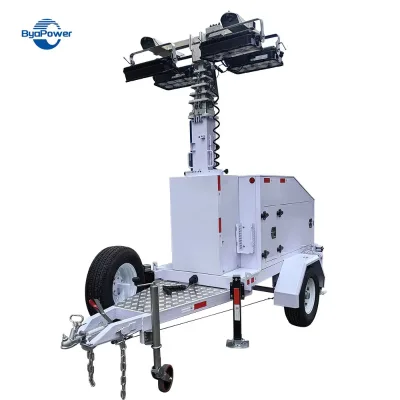
Innovative Mobile Lighthouse for Enhanced Outdoor Navigation and Safety
$9500.00 - $10000.00
MOQ: 2 Sets



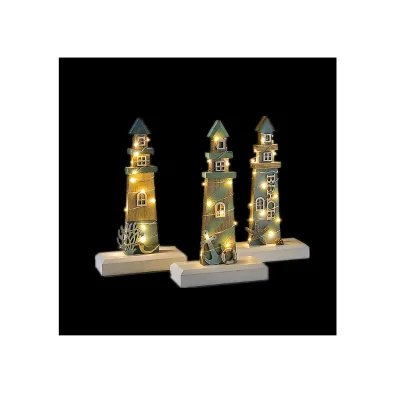
$219.00 - $319.00
MOQ: 100 Square Meters


Solar Lighting Tower Lighthouses Solar Mobile Lighthouses Mobile Lighting Tower
$7999.00 - $9999.00
MOQ: 1 Pieces


Steel Structure Earthquake Resistant Easy Installation Light Structure
$80.00 - $400.00
MOQ: 200 Square Meters
Comprehensive Sourcing Guide
Lighthouse Sourcing Guide
Procuring mobile lighting towers requires careful alignment of technical specifications with operational site demands. Buyers must evaluate power sources, ranging from solar-integrated systems to traditional fuel-driven units, to ensure compatibility with remote or grid-limited environments. The observed market includes models with varying mast heights and light flux outputs, necessitating a clear definition of illumination coverage areas before initiating supplier engagement.
Commercial terms and certification status significantly influence the total cost of ownership. Sourcing decisions should account for initial unit pricing, minimum order quantities, and long-term maintenance requirements such as battery replacement or engine servicing. Verifying that suppliers provide comprehensive documentation, including CE or RoHS compliance, ensures that the equipment meets international safety and environmental standards for deployment in diverse global markets.
Product Scope and Observed Listing Signals
The current market for Lighthouse-style mobile lighting towers exhibits a wide variance in pricing and configuration, reflecting differences in power capacity and build quality. Listings indicate a price range extending from entry-level units to high-capacity industrial systems, suggesting that buyers can find solutions for both temporary event support and large-scale construction projects. This diversity allows procurement teams to select equipment that precisely matches their budget constraints and specific illumination intensity requirements.
Observed minimum order quantities vary significantly, with some suppliers offering single-unit purchases while others require bulk commitments. This flexibility impacts inventory management and cash flow planning for procurement departments. Buyers should note that product attributes such as color temperature, operating voltage, and average service life are frequently listed, providing critical data points for comparing different models and ensuring that the selected lighting solution meets the specific visual and operational needs of the intended application site.
Technical Specifications to Verify
Key technical parameters include mast height, light flux, and power source type, which directly determine the effective coverage area and operational duration of the lighting tower. Buyers must verify whether the unit utilizes solar, diesel, or electric power, as this choice affects refueling logistics and environmental impact. Additionally, checking the LED module wattage and luminous efficiency ensures that the lighting output is sufficient for the required task, whether it involves illuminating a large square or a confined industrial workspace.
Other critical specifications involve the operating voltage, battery type, and IP rating, which dictate compatibility with existing infrastructure and resistance to environmental conditions. For instance, units operating at 220-240V or 24V must match the site’s power availability, while lead-acid or other battery types influence maintenance schedules. Confirming the projection distance and average life of the light sources helps in planning for long-term reliability and reducing the frequency of equipment replacement or repair during extended project timelines.
Compliance and Safety Documentation
Ensuring that lighting equipment meets relevant safety and environmental certifications is paramount for risk mitigation and regulatory compliance. Buyers should request proof of CE, RoHS, or CCC certification, depending on the target market, to verify that the product adheres to strict electrical safety and hazardous substance restrictions. These certifications not only protect against legal liabilities but also assure end-users of the equipment’s quality and reliability in demanding operational environments.
Documentation should also include detailed technical manuals, warranty terms, and maintenance guidelines to support long-term operational efficiency. Procurement teams must verify that the supplier provides clear instructions for assembly, operation, and troubleshooting, which are essential for minimizing downtime and ensuring safe usage by field personnel. Additionally, confirming the origin of the product and adherence to international standards helps in assessing the overall credibility and consistency of the manufacturing process.
Cost Drivers and Commercial Terms
Several factors influence the final cost of mobile lighting towers, including the power source, mast height, and included accessories. Solar-integrated models may have higher upfront costs but offer long-term savings on fuel, while traditional diesel units might be more cost-effective for short-term, high-intensity use. Buyers should analyze the total cost of ownership, considering fuel consumption, battery replacement costs, and potential maintenance expenses over the equipment’s service life.
Commercial terms such as minimum order quantities, payment conditions, and shipping logistics also play a crucial role in budgeting. Suppliers may offer discounts for bulk purchases, but this requires careful inventory planning to avoid excess stock. Additionally, packaging methods, such as wooden boxes or cases, impact shipping costs and protection during transit, so buyers should negotiate terms that ensure safe delivery while optimizing overall procurement expenses.
Supplier Qualification and Quality Control
Evaluating supplier capabilities involves assessing their manufacturing processes, quality control measures, and after-sales support services. Buyers should verify the supplier’s experience in producing mobile lighting towers and their ability to provide consistent product quality across batches. Requesting samples or conducting factory audits can help identify potential issues in construction, such as the use of aluminum profiles for durability and corrosion resistance, which are critical for outdoor equipment.
Quality control protocols should include rigorous testing of electrical components, lighting output, and structural integrity before shipment. Buyers must ensure that suppliers implement standardized inspection procedures to detect defects early and maintain high performance standards. Additionally, establishing clear communication channels for technical support and spare parts availability ensures that any operational issues can be resolved promptly, minimizing disruption to project schedules and maintaining high levels of site safety and productivity.
Long-Term Procurement Checks
Regularly reviewing supplier performance and product reliability is essential for maintaining a robust supply chain for mobile lighting equipment. Buyers should track metrics such as equipment uptime, maintenance frequency, and customer satisfaction to identify potential issues early and address them with the supplier. Establishing a feedback loop with end-users provides valuable insights into real-world performance, helping to refine future procurement specifications and select more suitable models for specific applications.
Continuous monitoring of market trends and technological advancements allows procurement teams to stay ahead of industry developments and make informed decisions about equipment upgrades or replacements. By staying informed about new features, such as improved energy efficiency or enhanced durability, buyers can optimize their lighting solutions to meet evolving operational demands. This proactive approach ensures that the organization maintains access to reliable, high-performance lighting equipment that supports its long-term operational goals and safety standards.
FAQs
What is the average service life of the solar LED Lighthouse?
The solar LED Lighthouse offers a service life of up to 100,000 hours. This extended durability ensures reliable long-term operation for square applications. The unit features a robust aluminum body and utilizes a lead acid battery for consistent power storage. This longevity reduces maintenance frequency and total cost of ownership for outdoor lighting projects.
Can the Lighthouse be customized for specific project requirements?
Yes, customization is available for this mobile Lighthouse system. Buyers can request specific modifications to meet unique operational needs. The product supports various configurations, including different power sources and mounting options. This flexibility allows for tailored solutions that align with specific site conditions and functional demands for temporary or permanent installations.
What certifications does the ANJ6130B Lighthouse model hold?
The ANJ6130B model holds CE certification. This compliance ensures adherence to European safety and performance standards. The unit is designed for reliable operation in outdoor environments. Buyers seeking certified equipment for regulated markets can rely on this documentation. The certification supports integration into projects requiring verified safety and quality benchmarks for electrical lighting systems.
How far can the Lighthouse project light for effective coverage?
The Lighthouse can project light over a distance of more than 35 meters. This range provides effective illumination for large areas such as squares or construction sites. The high-intensity output ensures visibility across significant distances. This capability makes the unit suitable for applications requiring broad, uniform lighting coverage without the need for multiple overlapping units.
What is the operating voltage for the LED Lighthouse system?
The system operates on a voltage range of 220-240V. This standard input ensures compatibility with common electrical grids. The unit is designed for stable performance under typical mains power conditions. Buyers can expect consistent operation without the need for specialized voltage converters. This voltage range supports reliable deployment in various international locations with standard electrical infrastructure.
What is the rated power output of the solar Lighthouse?
The rated power output is 8kw. This capacity supports high-intensity lighting for large-scale applications. The system is designed to deliver substantial illumination for extended periods. This power level ensures effective coverage for events or industrial sites. The robust output capability makes it suitable for demanding environments requiring reliable and powerful lighting solutions.