Source Liposuction Machine for Salon, Home, and Clinic Use
Explore 30 verified Liposuction Machine listings featuring portable and surgical models with varying power inputs and vacuum ranges. Buyers can compare specifications like flow rates, warranty periods, and certifications to find suitable equipment for salon, home, or clinical applications.
Key considerations
Products List


Surgical Liposuction Machine for Weight Lose Liposuction Vibration Machine
$1025.00 - $1200.00
MOQ: 1 Pieces


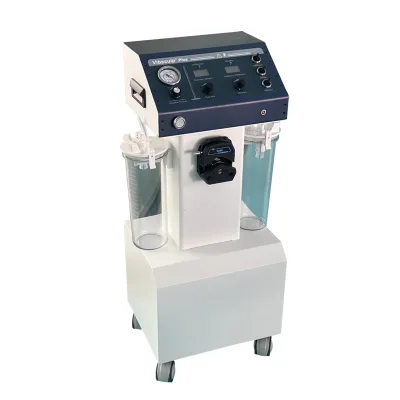


EMS Slimming Machine Weight Loss Machine Cryolipolysis Slimming Machine
$2950.00 - $3450.00
MOQ: 1 Pieces


Comprehensive Sourcing Guide
Liposuction Machine Sourcing Guide
Procuring a Liposuction Machine requires a rigorous evaluation of technical performance, regulatory compliance, and commercial terms to ensure patient safety and operational efficiency. These devices are critical tools in both clinical and aesthetic settings, serving functions that range from surgical liposuction systems to multi-function beauty equipment. Buyers must navigate a complex landscape where specifications vary significantly between models, such as the T100, BS-LIPS5, BS-LIPS6, and BS-LIPSM, each designed for distinct operational needs. Understanding the specific application, whether for a professional salon or a home-use setting, is the first step in defining procurement requirements.
The sourcing process involves verifying that the equipment meets strict medical and safety standards while aligning with the buyer’s budget and logistical capabilities. Observed market data indicates a wide price range from $16 to $6,000 USD, reflecting differences in complexity, material quality, and included accessories. Minimum Order Quantities (MOQ) also vary, ranging from a single set to 100,000 units, which impacts inventory planning and cash flow. Buyers must carefully assess these variables to select a supplier that offers reliable support, appropriate warranties, and transparent shipping terms, ensuring a smooth integration into their existing workflow.
Product Scope and Observed Listing Signals
The market for liposuction equipment encompasses a diverse array of devices, primarily categorized by their intended use and technical configuration. Common applications include professional salon environments and home-use settings, with some units explicitly marketed as multi-function beauty equipment. The core item type is often identified as power-assisted liposuction or surgical liposuction systems, which utilize laser theory or vacuum pressure to assist in body contouring procedures. Buyers should note that while some products are labeled as portable, others are designated as non-portable, indicating significant differences in weight, size, and installation requirements.
Observed listing signals reveal specific model identifiers such as T100, BS-LIPS5, BS-LIPS6, and BS-LIPSM, each associated with distinct physical and operational characteristics. For instance, the BS-LIPS5 is described as a vertical model with a gross weight of 80kg, while the BS-LIPSM features a more compact aluminum case packing. The T100 model is associated with a smaller size specification of 23cm x Diameter 3cm, suggesting a handheld or specialized component rather than a full system. These variations highlight the importance of matching the product model to the specific procedural needs of the facility, whether for high-volume clinical use or specialized aesthetic treatments.
Technical Specifications to Verify
Technical verification is paramount when selecting a Liposuction Machine, as performance metrics directly impact procedure outcomes and patient comfort. Key parameters to verify include vacuum range, flow rate, and input power, which determine the device’s efficiency and capability. For example, certain models specify a vacuum range of 0 to 0.09MPa and a flow rate of at least 700ml/min at this pressure, with some units offering adjustable infusion volumes up to 190L/min. Input power requirements also vary, with observed specifications including 300VA and 350VA, which must be compatible with the facility’s electrical infrastructure.
Physical dimensions and material composition are equally critical for installation and durability assessments. Cannules are often included as part of the package, with some models providing five pieces of different sizes to accommodate various anatomical areas. The storage bottle capacity, such as 2000ml, must be sufficient for the expected volume of aspirate during procedures. Additionally, noise levels should be considered for patient comfort, with some units operating at less than 65dB(a). Buyers should also verify the atmosphere pressure tolerance, typically ranging from 800-1200hpa, to ensure the device functions correctly in different environmental conditions.
Compliance and Safety Documentation
Regulatory compliance is a non-negotiable aspect of sourcing medical and aesthetic equipment, ensuring that devices meet international safety and quality standards. Certifications such as CE are commonly observed in product listings, indicating conformity with health, safety, and environmental protection standards for products sold within the European Economic Area. Buyers must request valid certification documents and verify their authenticity with the issuing body, as counterfeit or expired certificates pose significant legal and operational risks. While ISO13485 is mentioned in background contexts, buyers should explicitly confirm if the supplier holds this quality management certification for medical devices.
Safety features and warranty terms provide additional layers of protection for the buyer. Most observed products offer warranties ranging from one year to two years, with specific terms like "12 Months Warranty" or "2 Years" clearly stated. It is essential to understand the scope of these warranties, including coverage for parts, labor, and potential exclusions for wear-and-tear items like cannules. Furthermore, buyers should inquire about the availability of spare parts and technical support, ensuring that any post-purchase issues can be resolved promptly to minimize downtime in clinical or salon operations.
Cost Drivers and Commercial Terms
Understanding the cost drivers behind Liposuction Machine pricing helps buyers make informed financial decisions and avoid hidden expenses. The observed price range of $16 to $6,000 USD reflects variations in model complexity, material quality, and included accessories. Higher-priced units may offer advanced features such as adjustable infusion volumes, multiple cannule sizes, or more robust construction materials like medical stainless steel. Buyers should request detailed quotations that break down the cost of the main unit, accessories, and any optional add-ons to ensure transparency and facilitate accurate budgeting.
Commercial terms, including shipping, packaging, and lead times, significantly impact the total cost of ownership. Many suppliers offer free shipping, which can reduce overall expenses, but buyers must verify if this applies to all regions or if additional fees apply for remote locations. Packaging methods vary, with options including carton boxes, wooden cases, and aluminum cases, each affecting protection during transit and storage requirements. Lead times also differ, with some suppliers promising delivery within 1-3 working days for specific models, while others may have longer production or shipping schedules. Buyers should clarify these terms upfront to align with their operational timelines and inventory planning.
Supplier Qualification and Quality Control
Supplier qualification is a critical step in mitigating procurement risks and ensuring the reliability of the purchased equipment. Buyers should assess the supplier’s origin and manufacturing capabilities, with observed origins including Beijing, Shanghai, and other regions in China. Verifying the supplier’s business license, export history, and customer references can provide insights into their reputation and reliability. Additionally, buyers should inquire about the supplier’s ability to offer OEM services, which may be relevant for branding or customization needs, and confirm their capacity to handle large order volumes if necessary.
Quality control measures should be integrated into the procurement process to ensure that the delivered products meet specified standards. Buyers should request pre-shipment inspection reports or third-party verification to confirm that the equipment matches the agreed-upon specifications. This includes verifying the model number, material composition, and functional performance of the device. Establishing clear communication channels with the supplier for post-delivery support is also essential, ensuring that any discrepancies or defects can be addressed quickly and efficiently.
Long-Term Procurement Checks
Long-term procurement success depends on establishing a sustainable relationship with suppliers and continuously monitoring product performance. Buyers should implement a system for tracking warranty claims, maintenance schedules, and spare parts usage to ensure the longevity of the equipment. Regular reviews of supplier performance, including delivery times, product quality, and customer service responsiveness, can help identify potential issues early and facilitate corrective actions. This proactive approach minimizes disruptions and ensures that the liposuction machines remain in optimal working condition.
As technology and regulations evolve, buyers must stay informed about updates in industry standards and best practices. This includes monitoring changes in certification requirements, such as CE or ISO13485, and adapting procurement strategies accordingly. Engaging with industry forums, attending trade shows, and consulting with technical experts can provide valuable insights into emerging trends and new product developments. By maintaining a flexible and informed procurement strategy, buyers can ensure that their liposuction equipment remains competitive, compliant, and effective in meeting the needs of their patients and clients.
FAQs
What is the warranty period for the Liposuction Machine?
The warranty period varies by model, typically ranging from one year to two years. Some units like the T100 offer a two-year warranty, while others such as the BS-LIPS5 and BS-LIPS6 models provide a twelve-month warranty coverage for buyers.
Can the Liposuction Machine be customized for specific needs?
Yes, customization is available for this equipment to meet specific operational requirements. Buyers can request tailored features, and the product listing confirms that customization services are offered alongside standard configurations for various salon or home applications.
What is the minimum order quantity for purchasing this machine?
The minimum order quantity can be as low as one set for certain models. However, the observed range extends up to 100,000 units depending on the supplier and specific product configuration selected for the bulk purchase transaction.
How much does the Liposuction Machine cost in USD?
The listed price range for these machines spans from 16 to 6000 US dollars. The final cost depends on the specific model, capacity, and included accessories such as cannules or storage bottles selected by the purchasing entity.
Is the Liposuction Machine portable for salon use?
Portability varies by model, with some units designed as portable and others as non-portable. Specific dimensions and weights indicate that while some are compact, larger surgical systems may require fixed installation in a salon or clinical setting.
What certifications does the Liposuction Machine hold?
The equipment holds CE certification, ensuring compliance with relevant safety standards. This certification is explicitly listed for the surgical liposuction systems, providing assurance of quality and regulatory adherence for international buyers in the beauty and medical sectors.
What is the delivery lead time for the PAL Liposuction model?
Delivery for the PAL Liposuction model is typically within one to three working days. This rapid lead time applies specifically to this model, allowing for quick deployment in facilities requiring immediate access to surgical liposuction capabilities.