Source Liquid Quat 188 Cationic Reagent for Paper, Textile, Water
Compare 30 listings of Liquid Quat 188 Cationic Reagent from verified suppliers in China. Review specifications, prices, and MOQs for paper chemicals, textile auxiliaries, and water treatment applications.
Key considerations
Products List


Cationic Reagent: Quat 188 for Paper/Textile Chemicals / Water Treatment
$1300.00 - $1350.00
MOQ: 1 Tons

3-Chloro-2-Hydroxypropyltrimethyl Ammonium Chloride (QUAT 188) Cationic Reagent
$1300.00 - $1350.00
MOQ: 1 Tons





Comprehensive Sourcing Guide
Strategic Sourcing Guide for Liquid Quat 188 Cationic Reagents
Procuring liquid cationic reagents, specifically those identified as Quat 188 or 3-Chloro-2-Hydroxypropyl Trimethyl Ammonium Chloride, requires a disciplined approach that balances chemical performance with supply chain reliability. This guide provides evidence-based procurement strategies for buyers evaluating this specific class of paper and coating auxiliary agents. The focus remains on verifying technical attributes, understanding cost structures, and ensuring compliance without relying on unverified market claims.
Technical Specifications and Chemical Identity
The foundation of any successful procurement begins with a precise understanding of the chemical identity and physical properties of the reagent. The core substance is 3-Chloro-2-Hydroxypropyl Trimethyl Ammonium Chloride, often marketed under trade names such as Quat 188 or Bluesun Quat 188. Buyers must verify that the product is a cationic reagent, as this ionic classification dictates its interaction with fibers and surfaces in paper processing applications.
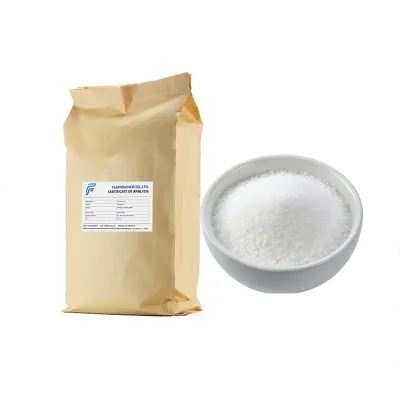
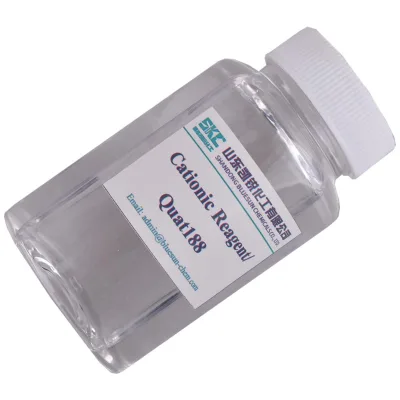
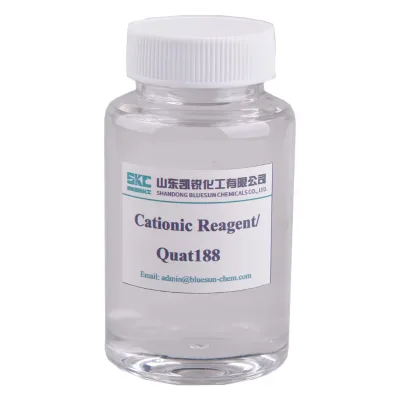
Physical observation is a critical first step in quality assurance. The product is typically characterized as a colorless to white transparent liquid. While some listings describe the outlook as "Colorless Transparent Liquid," others note a "White" appearance, suggesting that slight variations in batch appearance or concentration may occur. The viscosity is a key performance indicator, with observed ranges falling between 13 and 20 MPa.S at 25ºC. This viscosity profile is essential for ensuring proper flow and mixing during the application process in paper sizing or coating operations.
Chemical stability and purity are equally critical. The pH of a 10% aqueous solution typically ranges from 5.0 to 7.0, indicating a slightly acidic to neutral profile that is generally compatible with standard paper manufacturing processes. The relative density is observed at approximately 1.16 g/cm³ at 20ºC, a figure that buyers should use to verify bulk density during receipt. Furthermore, the active matter content is a primary driver of efficacy, with observed standards listing concentrations of 65% and 69%. Buyers must confirm which concentration level aligns with their specific formulation requirements, as this directly impacts the dosage rate and overall cost-efficiency of the reagent.
Compliance, Certification, and Safety Standards
Navigating the regulatory landscape is a non-negotiable aspect of sourcing industrial chemicals. For liquid cationic reagents intended for international trade, particularly into markets with stringent environmental regulations, certification status is paramount. Verified documentation often includes REACH compliance and CCIC certification. These certifications indicate that the product meets specific European and Chinese regulatory standards regarding chemical safety and environmental impact.
Buyers must also scrutinize the presence of hazardous byproducts. The production of Quat 188 involves the reaction of epichlorohydrin and trimethylamine, which necessitates rigorous control over residual impurities. Critical safety parameters include the maximum allowable levels of 1,3-Dichloro-Propanol and Epichlorohydrin. Industry observations suggest limits of 10 ppm and 5 ppm respectively for these impurities. Exceeding these thresholds can pose significant health risks and regulatory hurdles. Therefore, procurement contracts should explicitly mandate test reports verifying that these impurities remain within the specified maximum limits.
Environmental protection is another key consideration. The product is often marketed with an "Environmental Protection: Yes" attribute, implying a formulation designed to minimize ecological impact. However, buyers should not rely solely on marketing labels. Instead, they must request specific data sheets that detail the biodegradability and toxicity profiles of the reagent. Additionally, while some listings mention a "Purity" of 99%, this figure often refers to the purity of the reagent in a general reagent context rather than the active matter content of the commercial liquid product. Buyers must distinguish between general reagent purity and the specific active concentration (65% or 69%) required for industrial application.
Cost Drivers and Pricing Dynamics
Understanding the cost structure of liquid Quat 188 is essential for budgeting and negotiation. The observed price range for this product spans from $1 to $2,600 USD, a wide variance that reflects differences in order volume, packaging, and concentration levels. The primary cost driver is the Minimum Order Quantity (MOQ). While some suppliers may offer samples or small batches with an MOQ of 1 unit, standard commercial transactions often require an MOQ of 1,000 kg. This high volume requirement significantly influences the unit price, with larger orders typically securing a lower cost per kilogram.
Packaging also plays a substantial role in logistics costs. The product is commonly supplied in 200kg drums or 1,000kg IBC (Intermediate Bulk Container) drums. The choice between these packaging options affects handling efficiency and storage requirements. IBC drums are generally more cost-effective for large-scale industrial users due to reduced packaging waste and higher volume per unit, whereas 200kg drums may be necessary for facilities with limited storage space or lower consumption rates.
Payment terms are another variable that impacts the total cost of ownership. Standard terms observed in the market include T/T (Telegraphic Transfer), LC at Sight (Letter of Credit), or D/P (Documents against Payment). Buyers should evaluate these terms in the context of their cash flow and risk tolerance. While T/T is common for established relationships, LC at Sight provides security for larger transactions but may involve banking fees. Additionally, the origin of the product, specifically from Shandong, China, influences freight costs and lead times, which are indirect but significant cost factors.
Typical Applications and Functional Performance
The versatility of liquid Quat 188 makes it a valuable asset in several industrial sectors. Its primary function is as a paper additive for surface sizing agents, where it enhances the strength and water resistance of paper products. In this application, the cationic nature of the reagent allows it to bind effectively to the negatively charged fibers in the paper pulp, creating a durable surface layer.
Beyond paper manufacturing, the reagent is utilized in coating auxiliary agents. Here, it acts as a binder or fixative, improving the adhesion of coatings to various substrates. The product is also employed in water treatment chemicals, where its cationic properties help in flocculation and sludge dewatering processes. In the textile industry, it serves as an auxiliary agent, potentially used for softening or antistatic treatments.
The specific usage profile depends on the concentration and purity of the reagent. For instance, a 69% active matter content might be preferred for high-efficiency sizing applications, while a 65% concentration could be suitable for general water treatment. Buyers should align their procurement with their specific application needs, ensuring that the chemical's performance characteristics match the operational requirements of their production lines.
Supplier Evaluation and Quality Control
Selecting a reliable supplier is critical to maintaining consistent product quality. Buyers should evaluate potential suppliers based on their production capabilities, specifically their location in Shandong, China, which is a known hub for chemical manufacturing. The supplier's ability to provide free samples is a strong indicator of confidence in their product quality. While some listings offer 200g samples for free, others may have different policies, and buyers should verify the availability and cost of sampling before committing to a large order.
Quality control measures must be rigorous. Buyers should request comprehensive test reports that verify the physical and chemical properties of the reagent, including viscosity, pH, relative density, and impurity levels. The consistency of the product standard, whether 65% or 69% active matter, must be maintained across all batches. Suppliers should also demonstrate their ability to meet the specified lead times, which are typically around 7 working days after payment receipt.
When evaluating suppliers, buyers should also consider the port of loading. Qingdao Port is a common shipping point for products originating from Shandong. This information is vital for logistics planning and estimating delivery times. Furthermore, the supplier's commitment to environmental protection and adherence to certifications like REACH and CCIC should be verified through official documentation rather than verbal assurances.
Long-Term Procurement Considerations
Sourcing liquid Quat 188 is not a one-time transaction but a long-term partnership that requires ongoing management. Buyers should establish clear communication channels with suppliers to ensure timely updates on production schedules and potential supply chain disruptions. The lead time of 7 working days is a benchmark, but buyers should plan for potential delays due to holidays, weather, or logistical issues.
Inventory management is another critical factor. Given the high MOQ of 1,000 kg, buyers must have adequate storage capacity and a consumption rate that justifies bulk purchasing. If the consumption rate is lower, buyers may need to negotiate with suppliers for alternative packaging options or consider joining a buying group to share inventory costs.
Finally, buyers should stay informed about regulatory changes that could impact the product's availability or usage. As environmental regulations evolve, the requirements for chemical purity and safety may become more stringent. Maintaining a proactive relationship with suppliers ensures that buyers can adapt to these changes quickly and continue to source high-quality reagents that meet their operational and compliance needs. By focusing on these long-term strategies, buyers can secure a stable supply of liquid Quat 188 cationic reagents that support their industrial processes effectively.
FAQs
What is the active matter content for this reagent?
The active matter content is available in 65% and 69% concentrations. Buyers must verify which specific percentage aligns with their formulation requirements to ensure proper dosage and cost-efficiency.
Can I get free samples of the product?
Free samples are available, typically offered as 200g quantities. Buyers should verify the specific sample policy with the supplier before committing to a large order.
What is the minimum order quantity for this chemical?
The standard minimum order quantity is 1000 kilograms. Some suppliers may offer lower quantities for samples, but commercial transactions typically require this bulk volume.
How long is the delivery time after payment?
The delivery date is typically 7 working days after receiving payment. Buyers should plan for potential delays due to holidays or logistical issues beyond this benchmark.
Which certifications does the product hold?
The product holds REACH and CCIC certifications. These indicate compliance with specific European and Chinese regulatory standards regarding chemical safety and environmental impact.
What packaging options are available for this liquid?
Packaging options include 200kg drums and 1000kg IBC drums. The choice affects handling efficiency and storage requirements depending on the facility's capacity.
Where is the product origin for this reagent?
The product originates from Shandong, China. This location influences freight costs and lead times for international shipments.