Source Door Lock Actuator for Cars, Trucks, and Vans
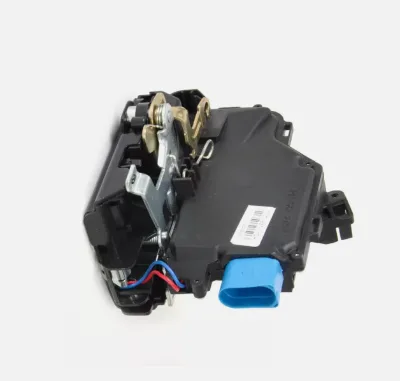
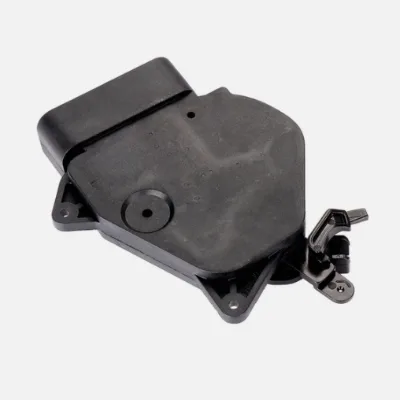
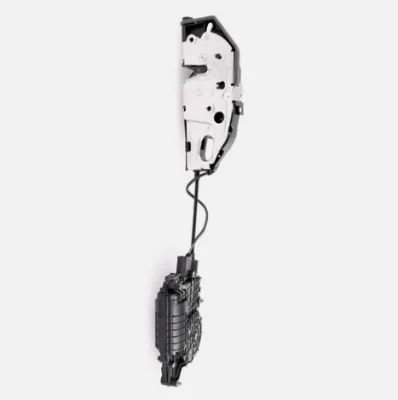
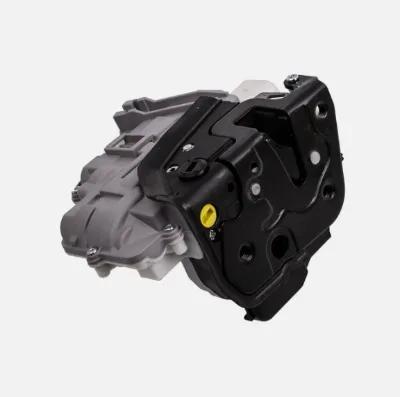
Explore 30 verified listings for Door Lock Actuator parts suitable for various vehicle models. Buyers can compare mechanical and electronic options, check OEM numbers like 3D2837016A, and review specifications including voltage and material before requesting quotes.
Key considerations
Products List


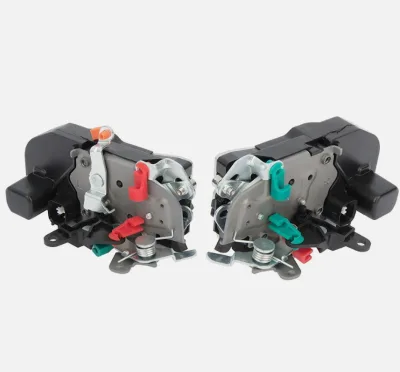
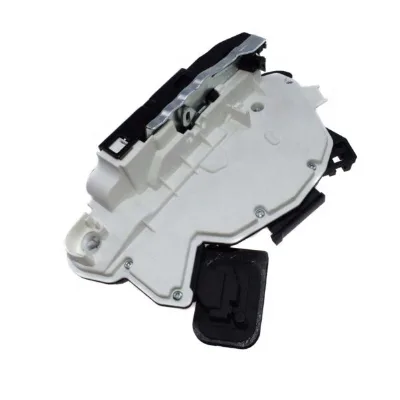


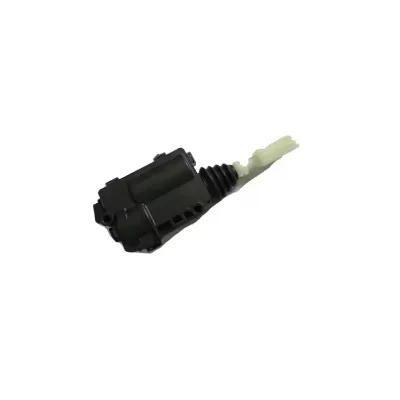


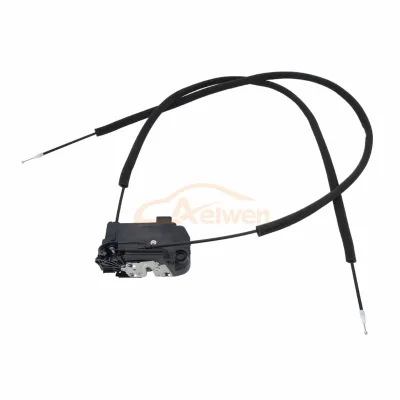


Comprehensive Sourcing Guide
Strategic Sourcing Guide for Door Lock Actuators
Understanding Technical Specifications and Variability
When sourcing door lock actuators, buyers must navigate a complex landscape of technical attributes that vary significantly between product listings. The core keyword "Door Lock Actuator" encompasses a wide range of components designed for vehicle repair and replacement, yet the specific engineering requirements differ based on the vehicle make and model. The provided product data indicates that these components are primarily mechanical in nature, often integrating with ignition and steering systems. For instance, specific listings describe mechanical car lock types and T-type ignition locks, suggesting that the actuator must interface seamlessly with existing mechanical linkages.
Material composition is another critical technical variable. The observed inventory frequently utilizes plastic as the primary material for housing and internal components. While plastic offers weight reduction and corrosion resistance, buyers must verify the specific grade and durability against the high-torque demands of locking mechanisms. Electrical specifications are equally vital; the data points to a standard operating voltage of 12V and a current rating of 10A. These figures represent the baseline electrical load the actuator is designed to handle, but procurement teams must confirm that these ratings align with the specific vehicle's electrical architecture to prevent short circuits or motor burnout.
The physical dimensions of the actuator also vary, with single package sizes ranging from 20x15x10 cm to 25x15x10 cm. This variance implies that the internal motor size and gear assembly differ across models. Buyers should not assume interchangeability based on the general category name alone. Instead, they must cross-reference the specific model numbers, such as 3D2837016A or the 55136347 series, to ensure a precise fit. The OEM numbers provided, including 69120-42080 and 8E0839015AA, serve as the definitive identifiers for compatibility, rather than generic descriptions.
Compliance, Certification, and Standard Verification
In the realm of automotive replacement parts, compliance with safety and environmental standards is a non-negotiable aspect of procurement. While the supplied product data does not explicitly confirm the certification status of every listed item, it references background standards such as CE, RoHS, EN14846, UL 294, and UL 1034. Buyers must treat these references as potential attributes that require active verification rather than guaranteed facts. The presence of these standards in the background context suggests that reputable suppliers in this category aim to meet international safety and environmental requirements, but the absence of a specific certificate on a product page does not automatically disqualify a supplier.
Procurement teams should request valid certification documents from potential suppliers before placing large orders. For electronic components like door lock actuators, RoHS compliance is essential to ensure the absence of hazardous substances, which is a legal requirement in many export markets. Similarly, UL standards, if applicable, relate to electrical safety and fire resistance. The EN14846 standard, often associated with security hardware, may be relevant for the mechanical locking performance, though its direct application to an actuator motor depends on the specific design.
Buyers must also verify the "Lock Core Theft-proof Performance" claims. The data mentions an "A Class" rating for certain lock cores, but this classification should be understood as an observation of a specific listing rather than a universal standard for all door lock actuators. To ensure security integrity, procurement professionals should ask suppliers for third-party test reports that validate theft-proof claims. Without concrete documentation, the security rating remains a marketing observation rather than a verified performance metric.
Cost Drivers and Pricing Dynamics
The pricing for door lock actuators is influenced by a combination of factors, including material costs, complexity of the electronic assembly, and the specific OEM compatibility. The observed price range in the market spans from 0.3 to 150 USD, a wide disparity that reflects the difference between basic mechanical replacements and complex, brand-specific electronic units. The lower end of the spectrum likely corresponds to generic plastic housings with standard 12V motors, while the higher end may include actuators with advanced features, proprietary branding, or those designed for luxury vehicle models.
Minimum Order Quantity (MOQ) is a significant cost driver in this sector. The data indicates an MOQ range of 1 to 1000 units, with specific listings showing an MOQ of 10 pieces. For small-scale buyers or those testing a new supplier, the ability to order in small batches (e.g., 10 pcs) is crucial for managing cash flow and reducing inventory risk. However, larger orders often unlock better unit pricing, making the calculation of the total landed cost essential. Buyers should consider the shipping terms, such as DHL, FedEx, or sea freight, as these can significantly impact the final cost per unit, especially for heavier items with a gross weight of up to 1.000 kg per package.
Currency fluctuations and payment terms also play a role in the final cost. The observed payment methods include T/T, PayPal, and Western Union. T/T (Telegraphic Transfer) is standard for B2B transactions and often offers the most favorable pricing, whereas third-party payment processors may incur additional fees. Buyers should negotiate payment terms that align with their cash flow cycles, potentially seeking a deposit structure that mitigates risk while securing the best price point.
Typical Applications and Fitment Requirements
Door lock actuators are primarily designed for the repair and replacement of existing vehicle locking systems. The data explicitly states the purpose is "for replace/repair," indicating that these are not typically original equipment manufacturer (OEM) parts for new vehicle assembly but rather aftermarket solutions for maintenance. The "Universal Fitment" attribute listed in some contexts suggests that certain models may be adaptable to a broader range of vehicles, but this claim requires careful validation against the specific vehicle's wiring harness and mechanical linkage.
The specific applications are dictated by the OEM and reference numbers. For example, the actuator with model number 3D2837016A is distinct from the 55136347 series, which includes variants like 55136347AB and 55136347AC. These variations often correspond to different manufacturers, such as Chrysler or other European brands, as indicated by the reference numbers like BSP24818 and 16SKV161. Buyers must match the reference numbers precisely to the vehicle's service manual to avoid fitment issues.
Furthermore, the "Car Make" is listed generally as "For Car," which is a broad categorization. In practice, this means the actuator is designed for standard automotive applications, but the specific make and model must be confirmed by the buyer. The presence of remote controllers as a door lock part suggests that these actuators may be integrated into keyless entry systems, adding a layer of complexity to the installation process. Buyers should ensure that the actuator supports the necessary communication protocols for their vehicle's remote system.
Supplier Evaluation and Operational Reliability
Evaluating suppliers for door lock actuators requires a focus on operational reliability and logistical capabilities. The data indicates that the place of origin is primarily Zhejiang, China, a region known for its manufacturing density. The condition of the products is listed as "New," and the status is "In Stock," which suggests that suppliers are capable of immediate fulfillment. However, the delivery lead times vary significantly, ranging from 3-35 days to 7-45 days. This variability highlights the importance of verifying the current stock levels and production capacity of the supplier before committing to an order.
Packaging standards are another indicator of supplier professionalism. The observed packing methods include "Standard Export Cartons" and "Neutral Packing/Clients Requested." This flexibility allows buyers to choose packaging that meets their branding or logistics requirements. The single package weight and size data (e.g., 1.000 kg, 20x20x20 cm) are essential for calculating shipping costs and warehouse space requirements. Buyers should request detailed packing lists to ensure that the packaging is robust enough to protect the sensitive electronic components during transit.
Brand reputation is also a factor, with "ESPEED AUTO" appearing as a brand name in the data. While buyers should not rely on a single brand, the presence of established brand names can indicate a higher level of quality control and customer support. However, the absence of a specific brand does not necessarily imply lower quality, as many OEM-style parts are sold under generic or private labels. Buyers should prioritize suppliers who demonstrate transparency in their sourcing and manufacturing processes.
Quality Control and Long-Term Procurement Considerations
Quality control is paramount when sourcing door lock actuators, as failures in these components can compromise vehicle security and safety. The data mentions "HIGH QUALITY" as a quality control attribute, but this is an observation rather than a verified standard. To ensure consistent quality, buyers should implement a rigorous inspection process that includes visual checks for defects, electrical testing for voltage and current stability, and functional testing of the locking mechanism. The "Lock Core Theft-proof Performance" and "A Class" ratings should be validated through third-party testing to ensure they meet the required security standards.
Long-term procurement considerations involve building a sustainable supply chain that can adapt to market fluctuations. The availability of customization options, as noted in the data, offers buyers the opportunity to tailor products to their specific needs, such as specific color plating or custom packaging. This flexibility can be a strategic advantage in competitive markets. Additionally, the "OEM" numbers provided, such as 4F0839015 and 8E0839015AA, indicate that suppliers are capable of producing parts that match original specifications, which is crucial for maintaining vehicle integrity.
Buyers should also consider the lifecycle of the product. Since the condition is listed as "New," the expected lifespan of the actuator should be comparable to the original equipment. However, without specific test data or warranty information, buyers must rely on the supplier's track record and customer feedback. Establishing a long-term relationship with a reliable supplier can provide access to better pricing, priority shipping, and consistent quality, reducing the risk of supply chain disruptions.
Comparative Analysis of Product Attributes
To facilitate informed decision-making, the following table summarizes the key attributes observed in the product data, highlighting the variability and specific requirements for buyers.
| Attribute Category | Observed Values / Options | Procurement Implication |
|---|---|---|
| Material | Plastic | Verify grade for durability and heat resistance. |
| Voltage | 12V | Standard for most vehicles; confirm compatibility. |
| Current | 10A | Ensure wiring harness can handle this load. |
| MOQ | 1 - 1000 (Common: 10 pcs) | Small orders possible; negotiate for bulk discounts. |
| Lead Time | 3-35 Days / 7-45 Days | Plan inventory buffers based on the longer end of the range. |
| Packaging | Standard Export Cartons / Neutral | Request specific packaging for branding or logistics. |
| Origin | China (Zhejiang) | Verify shipping routes and customs requirements. |
| OEM Numbers | 3D2837016A, 55136347 series, etc. | Critical for fitment; cross-reference with vehicle manual. |
| Condition | New | Inspect upon receipt for manufacturing defects. |
| Payment Terms | T/T, PayPal, Western Union | T/T preferred for large B2B transactions. |
This comparative analysis underscores the need for buyers to be meticulous in their selection process. The diversity in attributes means that a "one-size-fits-all" approach is ineffective. Instead, procurement strategies must be tailored to the specific technical and logistical requirements of each order. By focusing on verified specifications, robust quality control, and reliable supplier partnerships, buyers can secure high-performance door lock actuators that meet the demands of the automotive aftermarket.
FAQs
What voltage and current ratings do door lock actuators typically have?
Door lock actuators typically operate at 12V voltage with a 10A current rating. These electrical specifications represent the baseline load designed for standard vehicle systems, but buyers must confirm alignment with their specific vehicle architecture to prevent motor burnout.
Which materials are commonly used for Door Lock Actuator housings?
Plastic is the primary material observed for housing and internal components in this category. While plastic offers weight reduction and corrosion resistance, buyers should verify the specific grade and durability against the high-torque demands of locking mechanisms before purchasing.
Can buyers customize packaging or request neutral packing for orders?
Yes, customization is available including neutral packing or client-requested packaging options. Suppliers offer standard export cartons or neutral packing to meet branding and logistics requirements, allowing flexibility for different buyer needs during the procurement process.
What is the typical minimum order quantity for these actuators?
The minimum order quantity typically starts at 10 pieces for many listings. This low threshold allows small-scale buyers to test new suppliers or manage cash flow effectively while still accessing the broader range of available automotive replacement parts.
How long does delivery usually take for these automotive parts?
Delivery times vary between 3 to 45 days depending on the specific supplier and shipping method. Buyers should verify current stock levels and production capacity as lead times range from 3-35 days to 7-45 days based on availability.
Which OEM numbers help identify compatible Door Lock Actuator models?
Specific OEM numbers like 3D2837016A or the 55136347 series help identify compatible models. These identifiers serve as definitive references for ensuring precise fitment rather than relying on generic descriptions or universal fitment claims alone.