Source Live Bacteria Filter Fiber Ball for Aquariums, Pools, and Spas
Compare 16 Live Bacteria Filter Fiber Ball options for aquariums, pools, and spas. These structured packing media offer efficient filtration with high porosity and customizable features to support biological treatment in various water environments; compare the available evidence and request quotations based on your requirements.
Key considerations
Products List


$4.00 - $5.00
MOQ: 10 Boxes




Comprehensive Sourcing Guide
Live Bacteria Filter Fiber Ball Sourcing Guide
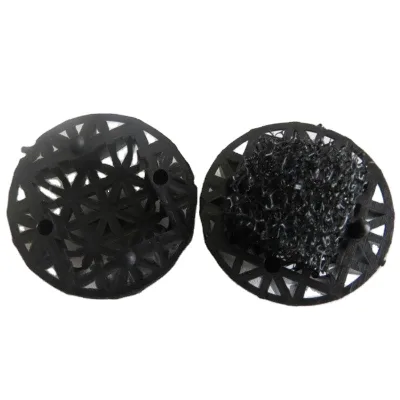
Procurement professionals must first distinguish between generic filter media and specialized biological filtration units designed for live bacteria colonization. The observed market listings reveal a diverse range of products, including structured packing, fiber ball filter media, and bio balls, each serving distinct filtration needs in aquariums, swimming pools, and industrial water systems. Buyers should carefully map their specific application requirements, such as reducing cost or achieving efficient filtration, against the available product attributes like floating ball fillers or specific fiber materials to ensure the selected item matches the intended biological treatment process.
When evaluating the core keyword, it is critical to recognize that "live bacteria" implies a biological function rather than a simple mechanical barrier. The supplied data indicates products with high porosity rates up to 96% and specific filling densities, which are essential for maximizing the surface area available for bacterial growth. Sourcing guides must emphasize verifying that the material, often polyester fiber, supports the necessary biological environment without degrading, while also confirming that the product structure, such as the bio ball or fiber ball design, facilitates the required water flow and oxygenation for effective bacterial activity.
Product Scope and Observed Listing Signals
The current market presents a wide spectrum of filtration media, ranging from simple poly bag packed fiber balls to complex structured packing systems with specific dimensions like 302018cm. Buyers will encounter listings for products labeled as filter media, swimming pool filter media, and bio balls, each with unique characteristics such as white or black coloring and varying packing standards like 700g/bag or 7kg/10kg. It is essential to scrutinize these listings to ensure the product description aligns with the specific biological filtration needs, as the term "fiber ball" may refer to different structural configurations depending on the manufacturer's specific design intent.
Observations of product attributes reveal that these items are suitable for diverse environments including playgrounds, gardens, gyms, and various water bodies like aquariums, ponds, and commercial pools. The presence of features like "Reduce Cost" and "Efficient Filtration" suggests that buyers should prioritize products that offer a balance between economic efficiency and performance reliability. However, the variation in origin locations, such as Henan and Hebei in China, indicates that sourcing strategies must account for regional manufacturing differences that could impact the consistency of the biological media's physical properties and long-term durability in water treatment applications.
Technical Specifications to Verify
Technical verification must begin with the physical dimensions and density parameters, as the filling density of 7585kg/M3 and porosity of 96% are critical for ensuring optimal bacterial colonization and water flow dynamics. Buyers should confirm that the filtering velocity, observed in the range of 20-50m/H or 2085m/H, matches the hydraulic requirements of their specific system to prevent channeling or excessive pressure drops. Additionally, the work cycle of 8-24 hours and flush water time of 10-20 minutes must be validated against operational schedules to ensure the media can sustain the biological load without requiring excessive maintenance or water consumption.
Material composition and structural integrity are equally vital, with polyester fiber being the primary material noted in the listings. Procurement teams must verify that the fiber structure, whether described as a floating ball filler or a standard bio ball, maintains its shape and porosity under continuous water exposure. The standard weight of 700g/bag and specific dimensions like 11mm for bio balls should be cross-referenced with the system's design specifications to ensure compatibility. Furthermore, the color options of white or black may influence light penetration in aquariums, which can affect biological processes, making this a key specification to confirm before finalizing a purchase order.
Compliance and Safety Documentation
Compliance verification is paramount when sourcing biological filtration media, particularly given the observed mention of CE certification in the product attributes. Buyers must request and validate official certification documents to ensure the materials meet the safety and environmental standards required for their specific jurisdiction and application type. While some background data mentions ISO9001, the primary focus should remain on the explicit CE certification provided in the listings, as this indicates adherence to specific health and safety regulations that are crucial for products used in drinking water, recreational pools, or sensitive aquarium environments.
Safety documentation should also extend to the material composition and potential leaching risks associated with the polyester fiber and other components. Since the products are intended for use in aquariums, ponds, and swimming pools, it is essential to confirm that the materials are non-toxic and do not release harmful substances into the water over time. Buyers should inquire about the presence of any chemical treatments or coatings applied to the fiber balls or bio balls, ensuring that these additives do not compromise the biological balance or pose risks to aquatic life. Clear documentation regarding the eco-friendly nature of the product, as suggested by some listings, should be substantiated with third-party test reports.
Cost Drivers and Commercial Terms
Cost drivers in this sector are heavily influenced by the material quality, specifically the grade of polyester fiber and the complexity of the structural design, such as the floating ball filler or bio ball configuration. The observed price range of 0.02 to 233 USD suggests significant variation based on product type, volume, and specific performance attributes like high porosity or specialized filling density. Buyers must analyze whether the lower price points correspond to standard, generic media or if they reflect a compromise in material quality that could affect the longevity and efficiency of the biological filtration system.
Commercial terms, including Minimum Order Quantity (MOQ) and packaging standards, play a crucial role in the total cost of ownership. The observed MOQ range of 1 to 29 units indicates flexibility for small-scale buyers, while the packaging options, ranging from poly bags to cartons and nylon bags, affect shipping costs and product protection. Buyers should negotiate terms that align with their inventory needs, considering that the standard packing of 700g/bag or 7kg/10kg may require different handling procedures. Additionally, the availability of customization and the specific origin of the product, such as Henan or Hebei, can influence logistics costs and lead times, which must be factored into the overall procurement budget.
Supplier Qualification and Quality Control
Supplier qualification requires a rigorous assessment of the manufacturer's ability to consistently produce high-quality biological media that meets the specified technical parameters. The presence of a brand name like "Sinta" and the offer of video outgoing inspection services suggest that some suppliers are committed to transparency and quality assurance. Buyers should prioritize suppliers who provide detailed production videos and clear documentation of their manufacturing processes, ensuring that the fiber balls or bio balls are produced with the correct density, porosity, and structural integrity required for effective bacterial colonization.
Quality control protocols must be established to verify that the delivered products match the ordered specifications, particularly regarding the material composition and physical dimensions. The observation of a 1-year warranty and specific productivity metrics like 100L/Hour indicates that suppliers are confident in their product performance, but buyers must still implement incoming inspection procedures to validate these claims. It is essential to check for consistency in the product's color, weight, and packing standards, as variations in these attributes could indicate production inconsistencies that might compromise the biological filtration efficiency. Regular audits and sample testing should be part of the ongoing supplier relationship to maintain quality standards.
Long-Term Procurement Checks
Long-term procurement success depends on establishing a reliable supply chain that can consistently deliver high-performance biological media over extended periods. Buyers should monitor the supplier's ability to maintain the specified technical parameters, such as the 96% porosity and 75~85kg/M3 filling density, as these factors directly impact the longevity and efficiency of the filtration system. Regular performance reviews and feedback loops with the supplier are necessary to ensure that the product continues to meet the evolving needs of the application, whether it is for a commercial pool, aquarium, or industrial water treatment facility.
Sustainability and adaptability are also critical considerations for long-term procurement strategies. As environmental regulations and water treatment standards evolve, buyers must ensure that their suppliers can adapt their products to meet new requirements without compromising performance. The observation of eco-friendly features and the availability of customization suggest that some suppliers are prepared to innovate, but buyers should actively engage with them to discuss future-proofing their supply chain. Establishing a partnership based on mutual growth and continuous improvement will help mitigate risks associated with supply disruptions and ensure a steady flow of high-quality biological filtration media.
FAQs
What is the material composition of the filter fiber ball?
The filter fiber ball is made from polyester fiber sourced from China. This material provides efficient filtration for aquariums and fish tanks. It is available in white or black colors and features a porosity of 96 percent for optimal water flow.
How does the product reduce operational costs for users?
This structured packing reduces costs by offering efficient filtration with low water consumption. The flush water consumption is only 3 percent of the total volume. Its high porosity and filling density ensure long-term performance in pools and aquariums.
Which certifications are available for the filter media products?
The filter media products carry CE certification to ensure safety and compliance. This certification applies to the fiber ball filter media used in swimming pools and spas. Buyers can verify this standard when sourcing from suppliers in Henan or Hebei provinces.
Can the product be customized for specific filtration needs?
Yes, customization is available for the filter fiber ball to meet specific requirements. The product comes in various models including bio balls and swimming pool filter media. Buyers can select from different packing options like poly bags or cartons to suit their logistics.
What is the typical flushing water time for the system?
The typical flushing water time ranges from 10 to 20 minutes for effective cleaning. This cycle ensures the filter media remains efficient for aquarium and pond applications. The work cycle can extend up to 24 hours depending on the specific usage conditions.
How is the product packed for shipping and delivery?
The product is packed in poly bags within cartons or in nylon bags for protection. Standard packing includes 700 grams per bag or larger 7kg and 10kg options. This ensures the fiber balls remain clean and undamaged during transit to global destinations.
What is the filtering velocity range for this media?
The filtering velocity ranges from 20 to 50 meters per hour for optimal performance. This rate supports high-efficiency filtration in commercial pools and aquariums. The porosity of 96 percent allows water to pass through quickly while trapping impurities effectively.