Source Pulse Repair Battery Tester for cars, vans, and RVs
Compare 30 Pulse Repair Battery Tester models for cars, vans, and RVs. Buyers can evaluate specifications like voltage ranges, current capacities, and customization options to find suitable equipment for lead-acid and lithium-ion battery testing.
Key considerations
Products List


Lead Acid Storage Battery Activation Testing Instrument Battery Life Time Tester
$300.00 - $2100.00
MOQ: 1 Pieces

2V, 6V, 12V Storage Battery Internal Resistance/ Voltage Meter Portable Battery Tester
$500.00 - $1800.00
MOQ: 1 Pieces




Comprehensive Sourcing Guide
Strategic Sourcing Guide for Pulse Repair Battery Testers
Understanding the Technical Landscape of Pulse Repair Equipment
When sourcing a Pulse Repair Battery Tester, buyers must first distinguish between devices designed for diagnostic analysis and those engineered for active restoration. The market offers a spectrum of equipment ranging from simple internal resistance testers to complex systems capable of high-current discharge and charge cycles. In the current supply chain, specific models such as the HDGC3970 and HDGC3920 are identified as Storage Battery Testers, while others like the CY806A-100 and CY801 serve as Finished Batteries Testers. These distinctions are critical because a device intended for lead-acid battery maintenance may not possess the necessary firmware or hardware architecture to handle lithium-ion chemistries effectively.
The technical specifications of these units vary significantly based on their intended application. For instance, certain units in the catalog are explicitly configured for Lead-acid Battery applications, operating with a battery voltage of 110V and a charge current of 40A. Conversely, other models are designed for Large Capacity Lithium Batteries, supporting a broader voltage range of 2V, 4V, 6V, and 12V. The maximum short circuit current capability is another pivotal specification, with some high-end units offering dual ranges of 500A and 1000A. This capacity is essential for testing heavy-duty batteries found in commercial vehicles or industrial storage systems.
Furthermore, the interface and control mechanisms define the operational efficiency of the tester. Modern procurement trends favor units equipped with Touch Controllers, which allow for more intuitive data entry and parameter adjustment. However, the power supply requirements must be carefully matched to the buyer's facility infrastructure. Some units operate on AC220V with a frequency range of 45Hz to 65Hz, while others are designed for dual voltage inputs of 220V/110V. Buyers must verify that their local power grid can support these specific requirements to prevent equipment damage or operational downtime.
Compliance and Certification Verification Protocols
In the B2B procurement of electrical testing equipment, compliance with international safety and quality standards is non-negotiable. The supplied product data indicates that several models carry ISO and CE certifications. These certifications are not merely marketing labels but represent adherence to specific manufacturing and safety protocols. The ISO certification generally implies that the manufacturer follows a quality management system, while the CE mark indicates conformity with health, safety, and environmental protection standards for products sold within the European Economic Area.
However, buyers must exercise caution when interpreting these certifications. The presence of a certification on a product listing does not automatically guarantee that every unit in a specific batch meets the same rigorous standards. It is the buyer's responsibility to request valid, up-to-date certification documents directly from the supplier for the specific model being purchased. Additionally, the product origin is a significant factor in compliance. Many of the listed units are made in China, with specific manufacturing hubs noted in Wuhan. While this location is a major manufacturing center, buyers should verify that the specific factory has the necessary environmental and labor compliance certifications relevant to their own corporate social responsibility policies.
Another critical aspect of compliance is the testing region validation. The data shows that these devices are tested in specific regions, such as for Charge and Discharge cycles, Internal Resistance, and Battery Cycle Life. These tests ensure the device can accurately simulate real-world conditions. Buyers should demand test reports that correspond to these specific regions to validate the accuracy of the pulse repair claims. Without documented evidence of these specific test results, the performance of the pulse repair function remains unverified, posing a risk to the buyer's investment.
Cost Drivers and Pricing Structure Analysis
The pricing structure for pulse repair battery testers is highly variable, influenced by the complexity of the technology, the capacity of the unit, and the level of customization required. The observed price range in the market spans from approximately 0.77 USD to 35,000 USD. This vast disparity reflects the difference between basic handheld diagnostic tools and industrial-grade, automated testing stations. A unit priced at the lower end of the spectrum is likely a simple voltage or resistance checker, whereas a unit at the higher end likely includes advanced pulse repair capabilities, high-current handling, and sophisticated data logging features.
Several key factors drive the cost of these units. First, the battery voltage and current capacity are primary cost determinants. A tester capable of handling 1000A short circuit currents and 40A charge currents will inherently cost more than a unit limited to 200A or lower voltage ranges. Second, the customization level significantly impacts the price. The market offers both Customized and Non-Customized options. Customized units, which may include specific firmware, unique packaging, or tailored test parameters, command a premium over standard off-the-shelf models.
The Minimum Order Quantity (MOQ) also plays a role in the effective cost per unit. The observed MOQ range is between 1 and 1000 units. Buyers purchasing a single unit for internal use will pay the full retail price, while those ordering in bulk may negotiate better rates, though the total upfront capital requirement increases. Additionally, packaging and logistics costs contribute to the final price. Some units are shipped in Wooden Boxes with Foam Inside, while others use Fumigation-Free Standard Export Wooden Boxes or Rugged Cases. These packaging requirements, especially for international shipping from China, add to the overall landed cost and must be factored into the total budget.
Typical Applications and Operational Scope
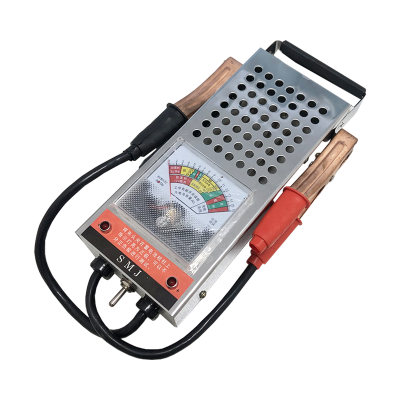
The application of pulse repair battery testers is diverse, ranging from automotive maintenance to industrial energy storage management. Specific models are designed for distinct vehicle types, such as Cars, Vans, RVs, and Farm Vehicles. For these applications, the tester must be capable of identifying battery health through clear display indicators, such as "Bad," "Weak," or "Good." This visual feedback is crucial for rapid decision-making in high-volume maintenance environments like fleet depots or agricultural service centers.
In the industrial sector, the focus shifts to Large Capacity Lithium Batteries and Lead-acid Battery systems. These applications require testers that can handle complex chemistries and high energy densities. For example, the BTS-6006n-100V100A-H model is designed for high-voltage and high-current applications, making it suitable for testing finished batteries in large-scale storage systems. The ability to perform Battery Cycle Life tests is particularly valuable for these applications, as it allows operators to predict the remaining useful life of the battery bank and plan for replacements proactively.
Furthermore, the testing capabilities extend to specific diagnostic functions like Internal Resistance and Charge and Discharge analysis. These functions are essential for identifying subtle degradation in battery cells that voltage alone cannot detect. For instance, a tester with a Test Voltage range of 0-100V can be used to evaluate a wide variety of battery configurations. The inclusion of protection features, such as 65°C Over Temperature Protect, ensures that the testing process itself does not damage the battery or create safety hazards. This is particularly important when dealing with high-capacity lithium batteries, which are sensitive to thermal runaway.
Supplier Evaluation and Quality Assurance Strategies
Evaluating a supplier for pulse repair battery testers requires a multi-faceted approach that goes beyond the initial product listing. Buyers should prioritize suppliers who provide transparent information about their manufacturing processes and quality control measures. The presence of specific packaging details, such as "Wood Packing" or "Carton and Pallet," indicates a level of attention to logistics, but it is the internal quality control that ensures the device functions as advertised. Buyers should request a detailed quality assurance plan that outlines the testing procedures used for each unit before shipment.
One critical area of evaluation is the customization capability. The market offers both Customized and Non-Customized options, and the supplier's ability to deliver on custom requests is a strong indicator of their technical competence. If a buyer requires a specific test protocol or interface language, the supplier must demonstrate a proven track record of delivering such customizations without compromising the core functionality of the device. Additionally, the supplier's location, such as Wuhan, China, should be verified to ensure they have the necessary infrastructure to support the production and shipping of these specialized units.
Quality assurance also extends to the testing equipment itself. Buyers should verify that the supplier uses calibrated and certified equipment to test their products. The data indicates that these devices undergo testing in specific regions, such as for Internal Resistance and Battery Cycle Life. A reputable supplier will provide the raw data or summary reports from these tests, allowing the buyer to validate the performance claims. Furthermore, the supplier should have a clear policy for handling defective units and providing technical support, which is essential for maintaining operational continuity in a B2B environment.
Long-Term Procurement and Maintenance Considerations
Sourcing a Pulse Repair Battery Tester is not a one-time transaction but the beginning of a long-term relationship with the supplier. Buyers must consider the long-term availability of spare parts, firmware updates, and technical support. The complexity of these devices, with features like Touch Controllers and high-current handling, means that maintenance and repairs may require specialized knowledge. Buyers should inquire about the supplier's warranty terms and the availability of service centers or authorized technicians.
Another critical consideration is the scalability of the procurement. As a business grows, the demand for battery testing may increase, requiring additional units or more advanced models. A supplier that can offer a range of products, from basic testers to high-end pulse repair systems, provides a valuable partnership opportunity. This allows the buyer to start with a smaller investment and scale up as needed without changing suppliers. Additionally, the supplier's ability to provide training for staff on the operation and maintenance of the equipment is a significant value-add that can reduce downtime and improve the overall efficiency of the testing process.
Finally, buyers should consider the environmental and regulatory implications of the equipment. The use of pulse repair technology can extend the life of batteries, reducing waste and environmental impact. However, the disposal of old batteries and the testing equipment itself must comply with local regulations. Buyers should ensure that the supplier provides guidance on the safe disposal of batteries and the recycling of testing equipment components. By focusing on these long-term considerations, buyers can ensure that their investment in pulse repair battery testers delivers sustained value and aligns with their sustainability goals.
FAQs
What customization options are available for pulse repair battery testers?
Customization is available for specific models, while others are non-customized. Buyers can select units with tailored parameters or standard configurations depending on the supplier's capability and the chosen model like HDGC3970.
Which certifications do pulse repair battery testers typically hold?
Many units carry ISO and CE certifications to ensure safety and quality compliance. These marks indicate adherence to international manufacturing standards, though buyers should verify specific documents for each batch before purchase.
How does the voltage range affect the choice of a pulse repair tester?
Testers support various voltages including 2V, 4V, 6V, 12V, and up to 110V depending on the model. Selecting the correct range is essential for matching the device to lead-acid or lithium-ion battery applications.
Can pulse repair battery testers handle high short circuit currents?
Yes, some high-end models offer dual ranges of 500A and 1000A maximum short circuit current. This capacity is critical for testing heavy-duty batteries found in commercial vehicles or industrial storage systems.
What packaging is used for shipping pulse repair battery testers?
Packaging varies from wooden boxes with foam to fumigation-free export wooden boxes or rugged cases. These options ensure safe transport from manufacturing hubs like Wuhan, China, to international destinations.
Which test regions are covered by these battery testing devices?
Devices cover regions such as charge and discharge, internal resistance, and battery cycle life testing. These specific tests validate the device's ability to simulate real-world conditions for accurate battery health assessment.
What is the typical MOQ for purchasing pulse repair battery testers?
The minimum order quantity ranges from 1 to 1000 units depending on the supplier and model. Bulk orders may offer better rates, but the total upfront capital requirement increases with higher quantities.