Source Locksmith Key Cutting Machine for auto, residential, and commercial locks
Explore 22 listings for Locksmith Key Cutting Machine options with varying weights, models, and customization features. Buyers can compare specifications like voltage, material, and packaging to find suitable equipment for different lock types.
Key considerations
Products List


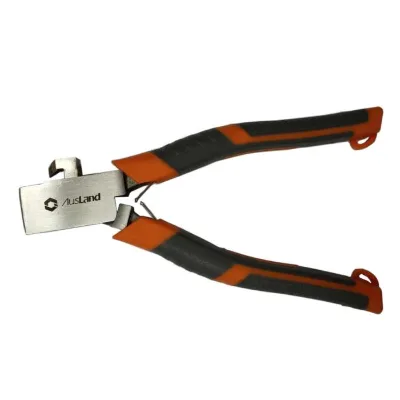
Key Cutting Machine Copying Multiple Key Models Support Customization
$1699.00 - $1999.00
MOQ: 2 Pieces


Comprehensive Sourcing Guide
Strategic Sourcing Guide for Locksmith Key Cutting Machines
Navigating the global market for locksmith key cutting machines requires a disciplined approach that balances technical precision with supply chain reliability. Buyers entering this sector must distinguish between general equipment and specialized machinery tailored to specific lock cylinder standards. The following guide synthesizes observed market data and technical parameters to assist procurement professionals in identifying viable suppliers and defining clear product requirements. This analysis focuses on the tangible attributes found in current listings, such as model numbers, material compositions, and operational specifications, while avoiding unverified claims about performance or certification status.
Technical Specifications and Model Differentiation
The primary challenge in sourcing key cutting machines lies in the vast array of model numbers and the specific mechanical configurations they support. Market observations reveal a diverse portfolio of models, including the JZ-638EBWL, JZ-903DGS, JZ-988MKC, JZ-300AS1, and JZ-338EA. These identifiers are not merely labels; they often correspond to distinct mechanical architectures designed for specific lock types. For instance, some units are engineered for American Screw Style cylinders, while others accommodate European Style configurations. This differentiation is critical because a machine optimized for one cylinder profile may lack the necessary tooling or clamping mechanisms for another.
Beyond the model designation, the physical dimensions and weight of the equipment are significant factors in logistics and facility planning. Observed data indicates that these machines vary considerably in mass, with specific units weighing 13kg, 15kg, 17kg, and 22kg. This variance suggests differences in internal construction, motor power, and base stability. A heavier unit, such as one weighing 22kg, likely offers superior vibration dampening during high-speed cutting operations, which is essential for maintaining the tight tolerances required for master key systems. Conversely, lighter units may be more suitable for mobile locksmith services or smaller workshops where portability is a priority.
Electrical requirements also present a variable landscape. Listings show units operating on both 110V and 220V systems, with some specifically rated for 220V. Procurement teams must verify the electrical infrastructure of their intended facility before finalizing an order. Mismatched voltage requirements can lead to immediate operational failure or the need for costly transformer installations. Furthermore, the standard packaging dimensions, such as 542630CM or 504233cm, provide essential data for calculating freight costs and warehouse storage needs. Buyers should treat these dimensions as baseline observations for a specific model and confirm them with the supplier prior to shipping.
Material Composition and Surface Engineering
The durability and longevity of a key cutting machine are heavily influenced by the materials used in its construction. Analysis of available products highlights the use of Aluminum and Cast Aluminum/Iron composites. Aluminum is frequently cited for its balance of lightness and strength, making it ideal for moving parts and housing components where weight reduction is beneficial. However, for the main body or base of the machine, Cast Aluminum or Iron is often preferred to provide the necessary rigidity and mass to prevent movement during the cutting process.
Surface treatment plays a pivotal role in the machine's resistance to wear and corrosion. The observed data points to "Coloring" as a standard surface treatment process. This likely refers to anodizing or powder coating, which protects the underlying metal from the oils, dust, and metal shavings generated during daily operation. The availability of colors such as Silver, Golden, and various colorful options indicates that manufacturers offer aesthetic customization, which can be a factor for branding or workshop organization.
It is important to note that while "Aluminium" and "Cast Aluminum/Iron" are listed as materials, the specific alloy grades or heat treatment processes are not detailed in the general product descriptions. Buyers should request material certificates or detailed technical sheets to ensure the components meet the stress requirements of industrial use. The thickness of specific components, ranging from 1.0mm to 3.5mm, further underscores the need for verification. Thicker materials generally imply higher durability but may add to the overall weight and cost of the unit.
Operational Capabilities and Key System Compatibility
The functional capabilities of a key cutting machine are defined by its ability to replicate key profiles accurately. The market data highlights specific key types, such as the "Single Row Anti Dialing Key," which suggests a focus on security and resistance to unauthorized duplication. The "Master Key" function is also a notable attribute, indicating that certain machines are capable of cutting keys that operate within a complex hierarchical lock system. This capability is essential for commercial and residential complexes where a single key must open multiple doors.
Lock cylinder compatibility is another critical operational parameter. The observed listings distinguish between "American Screw Style" and "European Style" cylinders. Additionally, key levels ranging from "A" to "C" are mentioned, with some units supporting "Supper B" (likely a typo for Super B) cylinder levels. These classifications refer to the complexity and security rating of the keyway. A machine capable of handling Level C keys and Super B cylinders will typically feature more advanced indexing mechanisms and higher precision tooling.
The "Lock Body Type" and "Lock Body Structure" further define the machine's versatility. Single bolt structures and single body types suggest a focus on standard residential or light commercial applications. However, the presence of "Lock Base" as a product type indicates that some listings may refer to the foundational components required to mount the cutting mechanism, rather than the complete machine. Buyers must carefully distinguish between a complete cutting unit and a base component to ensure they are purchasing the correct equipment for their needs.
Compliance, Certification, and Safety Standards
In the realm of industrial machinery, compliance with safety and quality standards is paramount. While the general market data includes a low-confidence reference to "CE" certification, this should not be treated as a guaranteed attribute for every listed product. The CE mark indicates conformity with health, safety, and environmental protection standards for products sold within the European Economic Area. However, the absence of explicit certification data in the high-confidence facts means that buyers cannot assume a specific listing is CE compliant without direct verification from the supplier.
Buyers should prioritize suppliers who can provide documented proof of compliance with relevant international standards. This includes electrical safety standards, such as IEC or UL certifications, depending on the target market. For machinery operating at 110V or 220V, adherence to local electrical codes is non-negotiable. Additionally, the "Standard" field in the product data lists dimensions like "542630CM" and "1.0-3.5(mm)," which are physical specifications rather than regulatory standards. Buyers must clarify whether the supplier adheres to specific industry standards for key cutting accuracy, such as ISO standards for keyway replication.
The "Customization" attribute being available suggests that suppliers are willing to adapt products to meet specific regional or client requirements. This flexibility can be leveraged to ensure that the machine meets local safety regulations. For example, a buyer in a region with strict noise or vibration limits can request specific modifications to the machine's housing or motor mounting. However, any claims regarding certification must be substantiated with official documentation before a purchase is finalized.
Cost Drivers, MOQ, and Supply Chain Logistics
Understanding the cost structure of key cutting machines is essential for effective budgeting. The observed price range is extremely broad, spanning from $0.07 to $2980. This disparity likely reflects the difference between individual components, such as keys or small accessories, and complete, high-end cutting machines. The minimum order quantity (MOQ) also varies significantly, with listings showing MOQs as low as 1 piece and as high as 20,000 pieces. An MOQ of 5000 PCS or 10,000 PCS typically applies to consumables like keys or small metal components, whereas a complete machine might have a much lower MOQ, potentially as low as 1 piece for custom orders.
Supply chain logistics are heavily influenced by the origin of the products. The majority of observed listings originate from Guangzhou, Guangdong, China, or the broader Guangdong region. This concentration in a specific manufacturing hub can offer competitive pricing due to established supply chains and economies of scale. However, it also necessitates careful planning for lead times. One listing specifies a lead time of "Ship Within 45 Days After Payment," which is a critical constraint for buyers with urgent needs. Buyers should negotiate lead times based on their specific order volume and customization requirements.
Packaging standards also impact logistics costs. Listings indicate packaging options such as "200 PCS in a Bag, 4000PCS in a Carton" or "100pcs, small box, 2000/2500 pcs per carton." For complete machines, the packaging is described as "with Cartons" or simply "Package." The dimensions of these cartons, such as 542630CM, are vital for freight calculations. Buyers should request detailed packing lists to ensure that the shipping volume aligns with their logistics budget and that the packaging is robust enough to protect the machinery during transit.
Supplier Evaluation and Quality Assurance Protocols
Selecting a reliable supplier for key cutting machines requires a rigorous evaluation process that goes beyond the information provided in product listings. The availability of "Support OEM Customization" and the ability to customize logos, such as "Everise and Per as Request," indicate that many suppliers are open to branding and design modifications. This is a positive sign of a supplier's flexibility and commitment to client relationships. However, buyers should verify the supplier's capacity to deliver these customizations consistently.
Quality control should be a central part of the supplier evaluation. The "Supply Ability" of 3,000,000 pieces per month suggests a high-volume production environment, which can be beneficial for large orders but requires robust quality assurance systems to maintain consistency. Buyers should inquire about the supplier's internal testing procedures, particularly for critical components like the lock cylinder style and key level accuracy. The "Stamping: Customized" attribute implies that the supplier can perform custom stamping operations, which may be relevant for branding or part identification.
When evaluating potential partners, buyers should look for transparency regarding the manufacturing process. The distinction between "Lock Body Type" and "Lock Body Structure" suggests a level of technical detail that a competent supplier should be able to explain in depth. Questions should be asked about the sourcing of raw materials, specifically the "Aluminium" and "Cast Aluminum/Iron" used. Additionally, the "Surface Treatment" process should be scrutinized to ensure it meets the durability requirements of the intended environment.
Long-Term Procurement and Maintenance Considerations
Sourcing a key cutting machine is not a one-time transaction but the beginning of a long-term operational relationship. The "Customization" availability and the range of "Key Level" support suggest that the equipment should be adaptable to future market changes. As lock technology evolves, the ability to cut new key profiles or accommodate different cylinder styles will be crucial. Buyers should assess whether the supplier offers ongoing support for software updates, tooling replacements, or mechanical upgrades.
Maintenance is another critical factor. The "Weight" and "Material" of the machine influence its maintenance needs. Heavier machines with cast iron bases may require less frequent calibration but could be more difficult to service if internal components fail. The "Voltage" requirements also play a role in long-term costs, as energy efficiency and the availability of compatible power supplies in the buyer's region will affect operational expenses.
Finally, the "Lead Time" and "Supply Ability" data points highlight the importance of inventory management. For businesses relying on these machines for daily operations, a 45-day lead time for replacement parts or new units could be disruptive. Buyers should establish a relationship with the supplier that includes a clear protocol for emergency orders and spare parts availability. The "Package" specifications, such as the number of pieces per carton, should be reviewed to ensure that the supplier can provide partial shipments or consolidated deliveries that match the buyer's inventory turnover rates. By focusing on these long-term considerations, buyers can secure a reliable supply chain that supports their business growth and operational stability.
FAQs
What models are available for locksmith key cutting machines?
Available models include JZ-638EBWL, JZ-903DGS, JZ-988MKC, JZ-300AS1, and JZ-338EA. These identifiers correspond to distinct mechanical architectures designed for specific lock types and cylinder profiles.
How much do locksmith key cutting machines weigh?
Observed units weigh between 13kg and 22kg depending on the model. Heavier units like the 22kg variant likely offer superior vibration dampening, while lighter ones suit mobile services.
Which voltage systems do these machines support?
Machines operate on 110V or 220V systems, with some units specifically rated for 220V. Buyers must verify their facility's electrical infrastructure before ordering to avoid operational failure.
Can I customize the logo on these machines?
Yes, suppliers support OEM customization and can print logos like Everise or others as requested. This flexibility allows buyers to adapt products for specific branding or regional requirements.
What is the minimum order quantity for these products?
MOQs vary significantly from 1 piece for machines to 5000 or 10000 pieces for consumables like keys. Complete machines may have lower thresholds compared to bulk component orders.
Where are these machines manufactured?
Most products originate from Guangzhou, Guangdong, China, or the broader Guangdong region. This concentration offers competitive pricing but requires careful planning for lead times and shipping logistics.