Source Low Noise Men Sex Toys for Massage, Relaxation, and Wellness
Compare 30 verified listings for Low Noise Men Sex Toys featuring vibration modes, waterproof ratings, and discreet packaging. Buyers can evaluate specifications like battery type, material, and noise levels from suppliers in China Mainland.
Key considerations
Products List


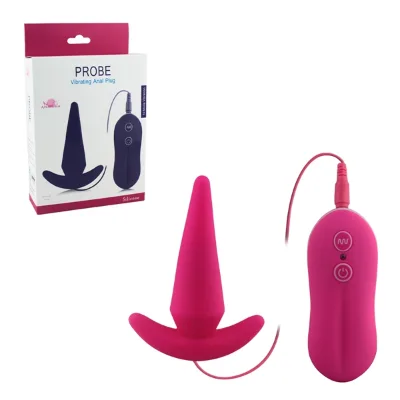

Discreet Innovation Quiet Operation Low Noise Men Sex Toys for Stress Release
$50.00 - $220.00
MOQ: 10 Pieces

Elevated Intimacy Quiet Motor Adjustable Speed Men Sex Toys for Endurance Building
$50.00 - $220.00
MOQ: 10 Pieces

Powerful Grace Non-Porous Surface High Torque Men Sex Toys for Precision Control
$50.00 - $220.00
MOQ: 10 Pieces

Elevated Intimacy Ergonomic Grip Adjustable Speed Men Sex Toys for Endurance Building
$50.00 - $220.00
MOQ: 10 Pieces

Silent Luxury Ergonomic Grip Easy Clean Men Sex Toys for Sensuality Training
$50.00 - $220.00
MOQ: 10 Pieces


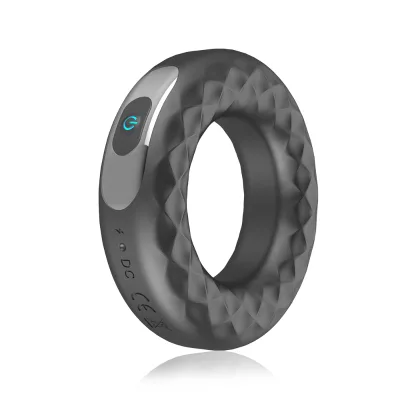

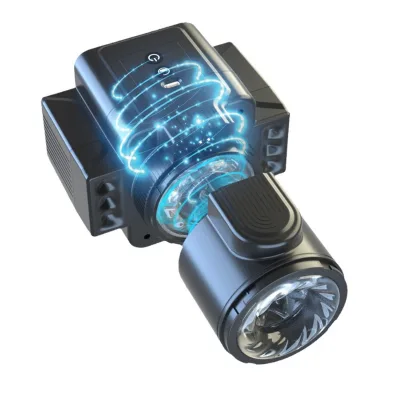
Oral Rotating Adult Sex Toys for Men Penis Stimulation with Safer Sex Features
$36.64 - $37.66
MOQ: 1 pieces


Comprehensive Sourcing Guide
Strategic Sourcing Guide for Low Noise Men's Sex Toys
The global B2B market for adult wellness products has seen a significant shift toward discretion and advanced engineering, particularly in the segment of low-noise men's sex toys. For procurement professionals and business owners, sourcing these items requires a nuanced understanding of technical specifications, regulatory compliance, and supply chain logistics. Unlike general consumer electronics, these products demand rigorous attention to acoustic engineering, material safety, and packaging protocols to meet the specific expectations of a privacy-conscious B2B clientele. This guide outlines the critical factors buyers must evaluate when sourcing low-noise stimulation devices for male applications, ensuring that the final product meets both functional and regulatory standards without compromising on quality or reliability.
Technical Specifications and Acoustic Engineering
When evaluating low-noise men's sex toys, the primary technical differentiator is the acoustic output of the device. In the context of B2B procurement, buyers must verify that the product's noise level aligns with the specific requirements of the target market. Based on available industry data, high-quality devices in this category often feature noise levels strictly controlled below 48 decibels (dB). This specification is crucial for ensuring user discretion in shared living environments or private settings where silence is a premium feature.
Beyond noise levels, the power source and vibration mechanisms are fundamental to performance. The market offers two distinct power configurations: battery-operated units and USB-rechargeable systems. Battery-operated models typically utilize standard cell types, such as 2 AAA batteries, which offer portability but require ongoing replacement costs for the end-user. Conversely, USB-rechargeable models provide a more sustainable solution and often integrate more sophisticated motor control circuits that allow for variable vibration modes. For instance, advanced models may offer up to nine distinct vibration modes, allowing for a customized user experience.
The physical dimensions and weight of the device also play a significant role in the user experience and shipping logistics. A typical unit in this category might have a length of approximately 22.3 cm and a diameter around 3.20 cm, with a net weight ranging from 221 grams to over 560 grams depending on the inclusion of packaging and internal components. The gross product weight, often cited around 639 grams, is a critical metric for calculating freight costs and determining the appropriate packaging size. Buyers should request detailed dimension sheets to ensure the product fits within standard shipping containers and meets the ergonomic expectations of the target demographic.
Compliance, Certification, and Material Safety
Navigating the regulatory landscape is perhaps the most critical aspect of sourcing adult products for international markets. Buyers must insist on suppliers providing verifiable documentation for all certifications. In the context of global trade, particularly for products originating from major manufacturing hubs like China, the presence of CE, ROHS, and SGS certifications is a baseline requirement. These certifications indicate that the product meets specific European safety standards, restricts the use of hazardous substances, and has undergone third-party quality inspection.
Material safety is equally paramount. The industry standard for high-end devices is medical-grade silicone, which is non-porous, hypoallergenic, and body-safe. Procurement teams must verify that the supplier explicitly states the material composition as silicone rather than generic "TPR" or "TPE" unless the specific application allows for softer, less durable alternatives. The material must be free from phthalates and other harmful chemicals, a claim that should be backed by the aforementioned ROHS certification.
Furthermore, the electrical safety of the device must be confirmed. If the product is waterproof, it should meet the IPX7 standard, which guarantees protection against immersion in water up to one meter for 30 minutes. This feature is essential for cleaning and hygiene, ensuring the product can be safely washed without damaging internal electronics. Buyers should not rely on verbal assurances but must request test reports that specifically validate the IP rating and the integrity of the sealing mechanisms.
Cost Drivers and Pricing Structures
Understanding the cost structure of low-noise men's sex toys is essential for maintaining healthy profit margins. The observed price range in the market varies significantly, from approximately $0.90 to $220.00 per unit. This wide disparity is driven by several factors, including the complexity of the motor, the quality of the silicone, the level of customization, and the packaging design.
The Minimum Order Quantity (MOQ) is another significant cost driver. Suppliers may set MOQs ranging from 1 unit for sampling purposes to 2,000 units for bulk production. A typical MOQ for a custom order might be around 50 units, but this can vary based on the supplier's capacity and the complexity of the customization requested. Buyers should be aware that lower unit prices are often contingent on higher order volumes. Additionally, the "Supply Ability" of the manufacturer, such as a capacity of 500 pieces per day, can influence lead times and pricing stability during peak seasons.
Customization is a major factor in pricing. Options such as custom branding, specific color schemes (e.g., pink, blue, purple, or red), and tailored packaging (e.g., secret shipping or hard cardboard boxes) will incur additional costs. The "Production Standard" for custom orders often requires a separate quote and may involve higher tooling fees. Buyers must balance the desire for customization with the budget constraints, ensuring that the added value of branding does not erode the profit margin.
Typical Applications and Market Positioning
The application of low-noise men's sex toys extends beyond simple personal use to various B2B channels. These products are often marketed as "Stimulators" or "Emotion" devices, targeting a male demographic that values discretion and performance. The shape of the product can vary from realistic to non-realistic designs, with the latter often preferred for their aesthetic appeal and ease of cleaning.
In the B2B context, these devices are frequently sold through online marketplaces, specialty retail stores, and adult wellness boutiques. The "Wearer" attribute is explicitly defined as male, distinguishing these products from female-oriented devices. The application may include vibration, clitoral stimulation (in dual-purpose designs), or vaginal stimulation, although the primary focus for this specific keyword is male stimulation.
The packaging strategy is also a key application factor. Many suppliers offer "Secretly Shipped" packaging options, which are essential for maintaining customer privacy and preventing unauthorized access to the product contents during transit. This feature is often a deciding factor for retailers who prioritize customer trust and data privacy. The packaging details, such as carton measurements (e.g., 58.53543.4 cm) and the number of pieces per carton (e.g., 64 PCS/CTN), are critical for logistics planning and warehouse management.
Supplier Evaluation and Verification
Selecting the right supplier requires a thorough vetting process that goes beyond simple price comparisons. Buyers should prioritize suppliers with a verified "Place of Origin," such as Guangdong, China, which is a known hub for high-quality manufacturing in this sector. The "Port of Dispatch," often listed as Yiantian Shenzhen, indicates the logistical readiness of the supplier and their familiarity with international shipping protocols.
When evaluating a supplier, buyers should request a comprehensive product catalog that includes detailed specifications, certification documents, and sample photos. It is essential to verify the "Brand Name" and ensure that the supplier has the legal right to manufacture and sell the product under that brand or a private label. The "Payment" terms, typically TT (Telegraphic Transfer) or Western Union, should be reviewed to ensure they align with the buyer's financial policies and risk tolerance.
The "Production Standard" and "Customization" capabilities are also vital indicators of a supplier's flexibility. A supplier that offers customized packaging, colors, and branding is better equipped to meet the specific needs of a B2B client. However, buyers must ensure that the customization process does not compromise the product's quality or safety standards.
Quality Control and Long-Term Procurement Considerations
Implementing a robust quality control (QC) protocol is essential for maintaining product integrity and brand reputation. Buyers should establish clear acceptance criteria for noise levels, material safety, and waterproofing before production begins. Regular third-party inspections, such as those conducted by SGS, can provide an additional layer of assurance.
Long-term procurement considerations include the stability of the supply chain and the ability to scale production. A supplier with a high "Supply Ability" (e.g., 500 pieces per day) is better positioned to handle large orders and seasonal fluctuations. Buyers should also consider the "Lead Time" for production and shipping, as delays can impact inventory levels and sales cycles.
Finally, buyers must plan for after-sales support and warranty claims. A reliable supplier should have a clear policy for handling defective units and providing replacements. The "Net Product Weight" and "Gross Product Weight" should be accurately documented to ensure that the product meets the advertised specifications and that the packaging is secure enough to prevent damage during transit. By focusing on these long-term factors, buyers can build a sustainable and profitable relationship with their suppliers, ensuring a steady supply of high-quality, low-noise men's sex toys for their customers.
Comparative Analysis of Product Attributes
To facilitate decision-making, the following table summarizes key attributes observed in the market for low-noise men's sex toys, highlighting the variations buyers may encounter.
| Attribute Category | Specific Attribute | Observed Range / Value | Relevance to Procurement |
|---|---|---|---|
| Acoustic Performance | Noise Level | < 48 DBS Noise | Critical for discretion; verify via test reports. |
| Power Source | Battery Type | 2 AAA or USB Rechargeable | Determines user convenience and long-term cost. |
| Material Safety | Material | Silicone | Must be medical-grade; verify ROHS/CE. |
| Water Resistance | Waterproof Rating | IPX7 | Essential for hygiene and cleaning. |
| Vibration Features | Modes | 9 Modes Vibration | Indicates product sophistication and user experience. |
| Packaging | Shipping Method | Secretly Shipped / Carton Box | Vital for customer privacy and brand protection. |
| Origin | Place of Origin | Guangdong, China | Indicates manufacturing hub and logistics efficiency. |
| Certification | Standards | CE, ROHS, SGS | Mandatory for international market entry. |
| MOQ | Minimum Order | 1 - 2000 Units | Impacts initial investment and cash flow. |
| Weight | Net/Gross Weight | 221g - 639g | Affects shipping costs and packaging design. |
This comparative analysis underscores the importance of verifying each attribute against the specific needs of the target market. By adhering to these guidelines, buyers can navigate the complexities of the B2B adult product market with confidence, ensuring that the sourced products meet the highest standards of quality, safety, and performance.
FAQs
What certifications do Low Noise Men Sex Toys typically have?
Products often carry CE, ROHS, and SGS certifications to ensure safety and compliance. These standards verify that the device meets European safety requirements and restricts hazardous substances, which is critical for international B2B shipments.
How loud are the vibration motors in these devices?
High-quality units operate with noise levels strictly below 48 decibels to ensure discretion. This low noise profile is essential for users in shared living environments where silence is a premium feature for privacy.
Which power sources are available for these adult devices?
Devices come in battery-operated or USB-rechargeable configurations to suit different user needs. Battery models typically use 2 AAA cells, while rechargeable options offer sustainable power with variable vibration modes for enhanced performance.
Can I find suppliers with a specific minimum order quantity?
Suppliers offer flexible MOQs ranging from 1 unit for sampling up to 2000 units for bulk orders. A typical custom order MOQ is around 50 units, though this varies based on the supplier's production capacity and customization requirements.
What materials are used to construct these stimulation devices?
Medical-grade silicone is the industry standard for body-safe, non-porous, and hypoallergenic construction. This material must be free from phthalates, a claim often backed by ROHS certification to ensure user safety during intimate use.
How are these products packaged for shipping and privacy?
Options include secret shipping, hard cardboard boxes, or standard carton boxes to protect customer privacy. Packaging details like carton measurements and piece counts are critical for logistics planning and ensuring secure transit of the items.
Where are the manufacturers of these toys located?
Major manufacturing hubs are located in Guangdong, China, specifically with dispatch ports in Shenzhen. This region is known for high-quality production capabilities and efficient logistics for international B2B trade in adult wellness products.