Source Low Noise Rod Mill for Construction, Industry, and Machinery
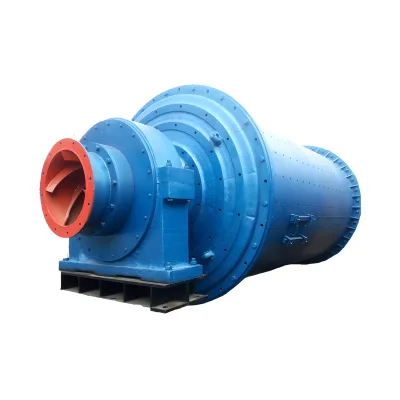
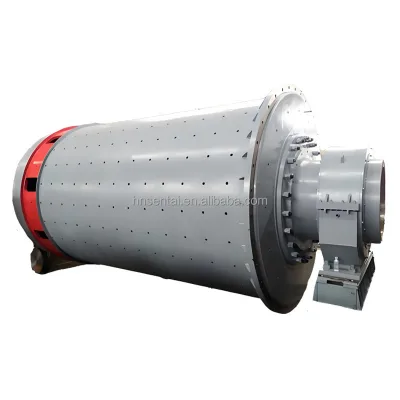
Compare 30 verified listings for Low Noise Rod Mill units designed for construction, industry, and machinery applications. Buyers can evaluate specifications like motor power, rotation speed, and customization options from suppliers in Shanghai and Shaanxi.
Key considerations
Products List


Energy Saving Rod Mill Technology for Reduced Power Consumption in Grinding Circuits
$32000.00 - $88000.00
MOQ: 1 Pieces

OEM Quality Grinding Rods for Various Rod Mill Models and Specifications
$420.00 - $830.00
MOQ: 1 Tons

$1500.00 - $150000.00
MOQ: 1 Sets


$1300.00 - $160000.00
MOQ: 1 Sets


$10000.00 - $300000.00
MOQ: 1 Pieces




Comprehensive Sourcing Guide
Low Noise Rod Mill Sourcing Guide
Procuring a Low Noise Rod Mill requires a strategic approach that balances acoustic performance with heavy-duty industrial output, particularly in construction and general machinery sectors. Buyers must recognize that while the core keyword emphasizes noise reduction, the underlying machinery often operates as a high-efficiency ball mill or hot rolling mill, where the primary design focus includes wear resistance and continuous layout capabilities. The observed market data indicates that these units are frequently supplied with AC motors ranging from 15KW to 20,000KW, suggesting that noise control is achieved through specific engineering of the motor and roller systems rather than just the mill housing itself.
The sourcing process must account for the diverse configurations available, including two-high roller positions and horizontal layouts designed for processing steel billets, rolling beams, and profiles. Since the observed listings show a wide price range from $1 to $300,000 and negotiable terms, buyers should not assume a single price point correlates directly with noise specifications. Instead, the focus should be on verifying the specific model, such as the SYM or HJ series, and ensuring the customization options align with the facility's acoustic requirements. The availability of video outgoing inspections and factory visits provides a critical opportunity to assess the operational silence and mechanical stability of the equipment before finalizing the purchase.
Product Scope and Observed Listing Signals
The product scope for low noise rod mills in the current market encompasses a variety of industrial applications, primarily serving the construction and machinery sectors. Listings frequently highlight advantages such as high efficiency, low energy consumption, and wear-resistant materials, which are essential for maintaining consistent performance in continuous rolling operations. The observed data confirms that these machines are available in new condition and can be customized in color and layout to fit specific plant environments. Buyers should note that while the core function involves rolling steel products like wire, bars, and ribbons, the specific noise-reduction features are often tied to the precision of the CNC controlling mode and the hardness of the rollers.
Listing signals indicate a strong emphasis on the physical characteristics of the mill, including the use of metal materials and standardized dimensions like 100010001000, though some specifications remain dependent on customer requests. The presence of multiple model numbers, such as HJ-A00101 and HJ-A653688, suggests that noise performance may vary significantly between different configurations and production batches. Buyers must carefully review the "Product" field, which lists outputs like cogged ingots and steel balls, to ensure the mill's intended output matches the low noise requirement for their specific production line. The observation of "Seaworthy Packing" and "Wooden Case" options further signals that these are heavy industrial units designed for long-distance transport, requiring careful handling to preserve their acoustic integrity.
Technical Specifications to Verify
When evaluating technical specifications, the motor type and power rating are the first critical parameters to verify, as they directly influence the operational noise floor. The observed data specifies AC motors with power ratings ranging from 15KW up to 20,000KW, and buyers must confirm that the selected unit's motor power aligns with the desired low-noise profile. Additionally, the rotational speed of 13-15r/min is a key indicator of the mill's operational rhythm; verifying that this speed is consistent across the batch ensures that the machinery will not generate excessive vibration or acoustic emissions during continuous production. The precision of the CNC controlling mode is another vital specification, as it dictates the accuracy of the rolling process and the uniformity of the output, which are essential for minimizing mechanical noise.
Buyers should also scrutinize the roller configuration, specifically the two-high roller position and the horizontal layout, to ensure they meet the acoustic and structural requirements of the facility. The hardness of the rollers, noted as "Hardened," is a crucial factor in reducing wear and the resulting noise generated by friction during the rolling of steel billets and profiles. Furthermore, the material composition, described as "Shape: Round" and "Metal," must be verified to ensure it meets the durability standards required for long-term, low-noise operation. The standard dimensions and the ability to customize the product model allow for tailored solutions, but the buyer must ensure that any customization does not compromise the structural integrity or the acoustic dampening features of the mill.
Compliance and Safety Documentation
Compliance and safety documentation are non-negotiable elements when sourcing industrial machinery, particularly for equipment intended to operate in close proximity to personnel. The observed listings confirm that suppliers provide CE and ISO certifications, which are essential for verifying that the Low Noise Rod Mill meets international safety and quality standards. Buyers must request and review these certification documents to ensure they are current and applicable to the specific model being purchased, as the presence of these marks indicates adherence to rigorous manufacturing protocols. The "High Level" quality attribute observed in the listings further supports the expectation that the machinery is built to withstand industrial demands while maintaining safety compliance.
In addition to certifications, the availability of video outgoing inspections is a critical component of the safety and compliance verification process. This feature allows buyers to visually confirm the condition of the machine, the integrity of the safety guards, and the overall assembly quality before the equipment leaves the factory. The "Factory Visit: Welcomed Warmly" policy offers an additional layer of assurance, enabling buyers to conduct on-site audits of the manufacturing process and safety protocols. Buyers should also verify that the packaging, described as "Seaworthy Packing" or "Wooden Case," includes all necessary safety warnings and handling instructions to prevent damage during transit, which could otherwise lead to safety hazards upon installation.
Cost Drivers and Commercial Terms
The cost of a Low Noise Rod Mill is driven by several factors, including the motor power, customization level, and the complexity of the rolling configuration. The observed price range of $1 to $300,000 USD reflects the vast differences in capacity and specification, with higher power ratings and advanced CNC controls commanding premium prices. Buyers should understand that the "Negotiable" price status indicates that the final cost is highly dependent on the specific requirements, such as the need for custom colors, specific roller hardness, or tailored dimensions. The inclusion of "Supply All Using Life" spare parts is a significant cost driver that adds value to the initial purchase price, ensuring long-term operational continuity without unexpected expenses.
Commercial terms also play a pivotal role in the total cost of ownership, with the MOQ ranging from 1 to 100 units influencing the per-unit pricing structure. Buyers must consider the lead time and shipping costs, as the "Seaworthy Packing" and "Wooden Case" requirements add to the logistical complexity and expense. The "Standard" and "GB" standards mentioned in the listings suggest that compliance with specific regional or international standards may impact the cost, particularly if the buyer requires additional testing or certification. It is essential to negotiate clear terms regarding the delivery of spare parts and the provision of video inspections, as these services are integral to the value proposition of the Low Noise Rod Mill.
Supplier Qualification and Quality Control
Supplier qualification is paramount when sourcing low noise rod mills, as the reliability of the manufacturer directly impacts the acoustic performance and longevity of the equipment. The observed data highlights that suppliers offer "Factory Visit: Welcomed Warmly," which is a strong indicator of transparency and confidence in their manufacturing capabilities. Buyers should prioritize suppliers who provide video outgoing inspections and have a track record of delivering "High Level" quality products. The presence of multiple certifications, including CE, ISO, and SGS, further validates the supplier's commitment to maintaining high standards of production and safety.
Quality control measures should be rigorously enforced, with a focus on the verification of the "Hardened" rollers and the "Precision" of the CNC controlling mode. Buyers must ensure that the supplier has a robust system for testing the rotational speed and motor power to guarantee that the mill operates within the specified low-noise parameters. The "Supply All Using Life" spare parts policy is a testament to the supplier's confidence in the durability of their products, but buyers should still verify the quality of these parts through sample testing or third-party inspection. The ability to customize the product, including the color and layout, should not come at the expense of the core quality attributes, and buyers must insist on strict adherence to the agreed-upon specifications.
Long-Term Procurement Checks
Long-term procurement checks are essential to ensure that the Low Noise Rod Mill continues to perform optimally over its operational lifespan. Buyers should establish a schedule for regular maintenance and inspection, focusing on the wear resistance of the rollers and the integrity of the AC motor. The "Supply All Using Life" spare parts policy is a valuable asset, but it requires proactive management to ensure that replacements are available and compatible with the original equipment. Regular checks of the rotational speed and motor power are necessary to detect any deviations that could lead to increased noise levels or reduced efficiency.
The "Continuous" layout of the mill suggests that it is designed for uninterrupted operation, which places a higher demand on the quality of the components and the effectiveness of the maintenance program. Buyers should verify that the supplier provides ongoing technical support and training to ensure that the operating team can maintain the mill's low-noise performance. The "High Efficiency Low Energy" advantage observed in the listings should be monitored over time to ensure that the mill continues to meet energy and acoustic targets. Finally, buyers should maintain open communication with the supplier regarding any changes in standards or regulations that might affect the long-term operation of the equipment.
FAQs
What is the typical motor power for a Low Noise Rod Mill?
The typical motor power is 15KW, with a broader range of 800-20000kw available for different models. This ensures high efficiency and low energy consumption during operation. The AC motor type provides stable performance for construction and industry applications. Buyers can select the appropriate power level based on their specific production requirements and throughput needs.
Can a Low Noise Rod Mill be customized for specific needs?
Yes, customization is available for various aspects of the equipment. The color and specific configurations can be tailored to meet unique operational requirements. This flexibility allows buyers to integrate the mill seamlessly into their existing production lines. Customization options ensure that the machinery aligns perfectly with the intended application and facility layout.
Which certifications are provided for the Low Noise Rod Mill?
The equipment comes with CE and ISO certifications, ensuring compliance with international standards. These certifications verify the quality and safety of the machinery for global markets. The high-level quality assurance is supported by video outgoing inspections. Buyers can rely on these documented standards for regulatory compliance and operational safety.
How is the Low Noise Rod Mill packaged for shipping?
The mill is packaged in seaworthy packing, often within a wooden case. This method protects the equipment during long-distance transportation and handling. The packaging can also be adjusted according to specific customer requests. This ensures that the machinery arrives in optimal condition, ready for immediate installation and operation.
What is the origin and location of the Low Noise Rod Mill?
The equipment originates from Shanghai and Shaanxi, China. These locations are known for robust manufacturing capabilities in industrial machinery. Factory visits are welcomed warmly, allowing buyers to inspect production processes directly. This transparency helps buyers verify quality standards and establish trust with the suppliers.
What spare parts support are available for the Low Noise Rod Mill?
Suppliers supply all spare parts needed for the entire using life of the mill. This comprehensive support ensures minimal downtime and continuous operation. Buyers can rely on a steady supply of components for maintenance and repairs. This long-term availability reduces the total cost of ownership and enhances operational reliability.