Source Low Noise Vocal Recording Booth for Offices, Studios, Workshops
Compare 30 Low Noise Vocal Recording Booth options featuring steel structures, modern designs, and certifications like ISO and CE. Buyers can evaluate specifications including dimensions, ventilation, and temperature resistance for temporary offices, workshops, and recording studios.
Key considerations
Products List


Recording Studio Silent Proof Room Customize Sound Vocal Isolation Booth
$3800.00 - $10000.00
MOQ: 1 Sets


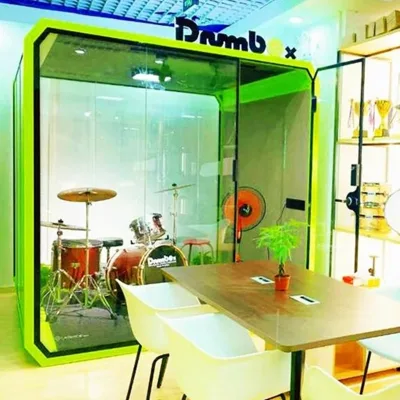


Portable Studio Vocal Music Recording Modular Office Pod Meeting Room Soundproof Booth
$1950.00 - $3880.00
MOQ: 1 Pieces


Advanced ISO9001 Certified Soundproof Vocal Booth for Recording Artists
$699.00 - $3998.00
MOQ: 1 Pieces


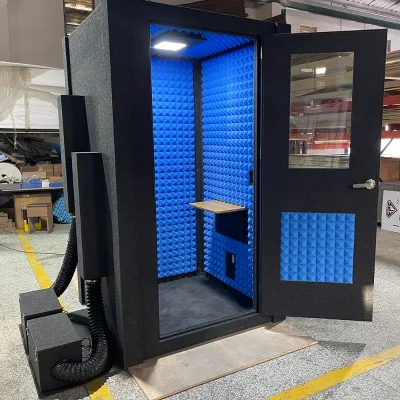


Professional Soundproof Recording Booth for Voiceovers and Music Production
$1795.00 - $1895.00
MOQ: 1 Pieces


Comprehensive Sourcing Guide
Low Noise Vocal Recording Booth Sourcing Guide
Sourcing a Low Noise Vocal Recording Booth requires a disciplined approach to balancing acoustic performance, structural integrity, and commercial viability. These specialized enclosures are designed to isolate sound, providing a controlled environment for professional audio production, voice-over work, and podcasting. Buyers must navigate a market where specifications vary significantly between temporary office structures and dedicated acoustic cabins. The following guide outlines the critical verification steps, technical parameters, and commercial considerations necessary to secure a unit that meets rigorous audio and operational standards.
The procurement process begins with a clear definition of the booth’s primary function. Whether intended for a recording studio, a temporary office, or a workshop environment, the booth must deliver specific acoustic isolation and environmental control. Buyers should prioritize units that offer customizable interior designs, such as modern, minimalist, or industrial aesthetics, to align with brand identity. Additionally, features like silent fans, air vents, and air purifiers are essential for maintaining air quality without introducing background noise that could compromise recording quality.
Product Scope and Observed Listing Signals
The current market for low noise vocal recording booths presents a diverse range of products, with observed listing prices ranging from $520 to $10,000 USD. This wide variance reflects differences in materials, acoustic treatments, and included technologies. Buyers should note that minimum order quantities (MOQ) typically range from 1 to 10 units, indicating that suppliers are often willing to accommodate single-unit purchases for pilot projects or small studio setups. Understanding this price spectrum helps in setting realistic budget expectations and identifying suppliers who align with specific volume requirements.
Product attributes observed in listings include various structural materials, such as steel structures and galvanized steel frames, which provide durability and stability. Colors range from standard white to customizable options like yellow, allowing for visual integration into different workspace environments. Some units are specified with circular edges and metal surface finishing, contributing to both safety and aesthetic appeal. It is crucial to verify that the observed attributes, such as interior dimensions and exterior footprints, match the physical space available for installation, as models like the SF-S1 and XCM-254 offer distinct size profiles.
Technical Specifications to Verify
Technical verification must begin with the booth’s structural dimensions and material composition. Buyers should confirm exterior and interior dimensions to ensure the unit fits the designated area while providing adequate space for equipment and personnel. For instance, some models specify exterior dimensions of W972D1010H2272mm with interior dimensions of W840D900H2140mm, highlighting the importance of wall thickness in acoustic performance. The use of galvanized steel frames and columns, often 3mm thick, ensures resistance to corrosion and structural deformation, which is vital for long-term stability in varying environmental conditions.
Acoustic and environmental controls are equally critical for vocal recording applications. Buyers must verify the presence and quality of ventilation systems, such as silent fans and air purifiers, which are necessary to prevent overheating without compromising sound isolation. Lighting options, including LED, dimmable, and color-changing lights, should be evaluated for their ability to provide adequate illumination without generating heat or noise. Additionally, the booth’s temperature resistance range, typically cited as -40°C to 50°C, and wind resistance grade, often Grade 12, indicate the unit’s suitability for diverse operational environments, from indoor studios to semi-outdoor installations.
Compliance and Safety Documentation
Compliance with international standards is a non-negotiable aspect of sourcing recording booths. Buyers should request documentation for certifications such as ISO and CE, which indicate adherence to quality management and safety regulations. These certifications are particularly important for units intended for use in regulated markets or by professional organizations that require verified safety and quality benchmarks. The presence of these certifications suggests that the manufacturer has undergone rigorous testing and quality control processes, reducing the risk of non-compliant products entering the supply chain.
Fire safety is another critical compliance area, especially for indoor installations. Buyers must verify the fireproof grade of the booth’s materials, with B1 being a common standard for flame retardancy. This classification ensures that the booth materials will not easily ignite or spread fire, providing an additional layer of safety for occupants and equipment. Additionally, buyers should inquire about earthquake resistance, with some models rated at Grade 8, which is crucial for installations in seismically active regions. Ensuring that all safety documentation is up-to-date and verifiable protects the buyer from potential liabilities and operational disruptions.
Cost Drivers and Commercial Terms
Several factors influence the final cost of a Low Noise Vocal Recording Booth, including material quality, customization options, and included technologies. Units with advanced acoustic treatments, such as specialized insulation and sound-dampening panels, will typically command higher prices. Similarly, customizations in color, interior design, and lighting configurations can increase costs due to the additional manufacturing steps involved. Buyers should carefully evaluate these cost drivers to determine which features are essential for their specific use case and which can be deferred to later stages.
Commercial terms, including warranty and after-sales service, play a significant role in the total cost of ownership. Most suppliers offer a one-year warranty, which covers defects in materials and workmanship. Buyers should also inquire about after-sales support, such as wearing parts replacement and online or site support, which can reduce long-term maintenance costs. The packing method, often wooden cases, is another consideration, as it affects shipping costs and the risk of damage during transit. Understanding these commercial terms helps buyers negotiate better deals and plan for ongoing operational expenses.
Supplier Qualification and Quality Control
Supplier qualification is essential to ensure that the purchased booth meets the specified technical and quality standards. Buyers should verify the supplier’s origin, with many manufacturers based in China, including regions like Shandong and Shenzhen. Proximity to manufacturing hubs can influence lead times and shipping costs, but it is crucial to assess the supplier’s overall reputation and production capabilities. Buyers should request references or case studies to gauge the supplier’s experience in producing recording booths and their ability to meet specific acoustic and structural requirements.
Quality control processes should be transparent and rigorous. Buyers should inquire about the supplier’s inspection protocols, including pre-shipment inspections and material testing. The use of standardized production processes, such as those indicated by the W972D1010H2272mm standard, suggests a level of consistency in manufacturing. Additionally, buyers should verify the supplier’s ability to provide customized solutions, as indicated by the availability of customized options in the market. Establishing a clear quality control framework with the supplier helps mitigate risks and ensures that the final product meets the buyer’s expectations.
Long-Term Procurement Checks
Long-term procurement success depends on the booth’s durability and the supplier’s ability to provide ongoing support. Buyers should consider the product’s lifespan, which is often estimated at 10-20 years, as a key indicator of quality. This longevity is influenced by the materials used, such as galvanized steel structures, and the quality of the acoustic treatments. Buyers should also evaluate the supplier’s commitment to continuous improvement and their ability to adapt to changing market demands, such as new acoustic technologies or design trends.
After-sales service is a critical component of long-term procurement. Buyers should ensure that the supplier offers comprehensive support, including video technology assistance, online support, and site visits for troubleshooting. The availability of wearing parts replacement services is particularly important for maintaining the booth’s performance over time. By establishing a strong relationship with a reliable supplier, buyers can ensure that their recording booths remain functional and effective throughout their operational life, minimizing downtime and maximizing return on investment.
FAQs
What certifications do the recording booths have?
The booths carry ISO and CE certifications to ensure safety and quality standards. These documents verify compliance with international regulations for steel structures used in temporary offices and workshops.
Can I customize the dimensions of the booth?
Yes, customization is available for the exterior and interior dimensions to fit specific needs. The standard model measures W972*D1010*H2272mm, but you can request tailored sizes for your project.
How is the booth installed on site?
The unit features a freestanding installation design requiring no permanent foundation. It utilizes a galvanized steel frame structure that allows for quick setup and relocation in various environments.
What is the warranty period for the product?
A one-year warranty is provided to cover manufacturing defects and structural integrity. This ensures reliability for users in recording studios or temporary office settings during the initial operational period.
Which materials are used for the structure?
The structure is built using galvanized steel with a fireproof grade of B1. This material choice provides durability, resistance to temperature extremes, and enhanced safety for indoor and outdoor applications.
What ventilation options are included in the booth?
The booth includes a silent fan, air vent, and air purifier for effective airflow. These components maintain a comfortable environment while ensuring low noise levels suitable for vocal recording sessions.
Can small orders be accepted for this product?
Yes, small orders are accepted with a minimum order quantity ranging from one to ten units. This flexibility allows buyers to test the product or fulfill small-scale project requirements easily.