Source Low Nox Combustion Ignition Controller for Hotels, Households, and Gas Boilers
Find and compare 30 Low Nox Combustion Ignition Controller options from verified suppliers. These units support automatic control, protection, and monitoring for gas water heaters, electric water heaters, and gas boilers with features like pulse ignition and distributorless ignition systems.
Key considerations
Products List

$456.00 - $1890.00
MOQ: 1 Pieces


Original Motortech Mic3 Ignition Controller Gas Engine Ignition Control Unit
$1000.00 - $1999.00
MOQ: 5 Pieces

Motortech Mic4 Ignition Controller Gas Generator Ignition Control Module
$1000.00 - $1999.00
MOQ: 5 Pieces

Original Motortech Ignition Controller Gas Generator Ignition Control Module Mic4
$1000.00 - $1999.00
MOQ: 5 Pieces
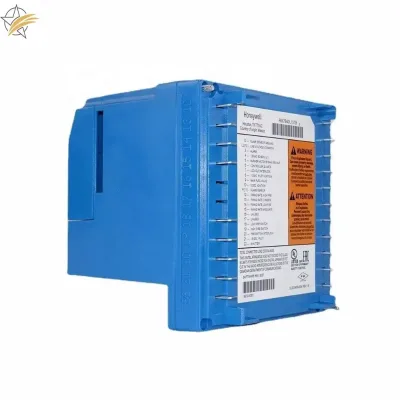




Comprehensive Sourcing Guide
Low Nox Combustion Ignition Controller Sourcing Guide
Procuring low NOx combustion ignition controllers requires a disciplined approach that balances technical precision with commercial reliability. These devices are critical components in modern heating systems, serving as the central nervous system for ignition sequences, flame monitoring, and air-to-fuel ratio adjustments. Buyers must recognize that "low NOx" is not merely a marketing label but a functional outcome of precise control logic, often involving linear or non-linear mathematical models to modulate combustion efficiency. The sourcing process begins with a clear understanding of the controller’s role in reducing nitrogen oxide emissions while maintaining stable flame performance across varying load conditions.
The market for these controllers is diverse, ranging from industrial-grade units to specialized components for residential and commercial appliances. Sourcing decisions should be driven by the specific application environment, whether it involves gas boilers, water heaters, or hotel household systems. Buyers need to evaluate whether the controller supports automatic control, protection, monitoring, and measurement functions simultaneously. This multifunctional capability ensures that the ignition system can respond dynamically to operational changes, preventing unsafe conditions while optimizing energy consumption and emission levels.
Product Scope and Observed Listing Signals
The current market landscape for ignition controllers reveals a wide spectrum of product attributes, indicating a fragmented supply chain with varying levels of specialization. Observed listings show a significant variation in material composition, with some units constructed from stainless steel for durability in harsh environments, while others utilize aluminum alloy or plastic housings for cost-effective, lightweight applications. This diversity suggests that buyers must carefully match the material specification to the operational environment, ensuring that the controller can withstand thermal cycling, moisture, and potential chemical exposure without degradation.
Listing signals also highlight differences in customization options and structural designs. Some suppliers offer customized solutions with combination structures tailored to specific boiler or heater models, while others provide standardized, non-customized units. The presence of specific model identifiers, such as Mic3+, MIC4, and BG-PI-2, indicates that buyers should verify compatibility with existing infrastructure rather than assuming universal fit. Additionally, the observation of continuous signal types and various task functions, such as adjustment or programming, underscores the need for buyers to define their control requirements precisely before engaging with suppliers.
Technical Specifications to Verify
Technical verification must begin with the mathematical model employed by the controller, as this dictates how the device processes input signals to manage combustion. Listings indicate the presence of both linear and non-linear models, each suited to different control strategies. Linear models may offer predictable, proportional responses ideal for steady-state operations, while non-linear models might provide enhanced sensitivity for dynamic load changes. Buyers should request detailed documentation on the control algorithm to ensure it aligns with their system’s stability requirements and emission targets.
Ignition components and associated hardware are equally critical to verify. Specific attributes such as the Mic3+ ignition controller paired with Motortech ignition coils, or the use of Comap’s Inteligas technology, suggest a reliance on established component ecosystems. Buyers must confirm that the ignition pin, pulse ignition mechanisms, and distributorless ignition systems are compatible with their existing burners. Furthermore, the estimated weight and packing specifications, ranging from standard packaging to specific carton dimensions, should be reviewed to ensure logistical compatibility and protection during transit.
Compliance and Safety Documentation
Compliance with international standards is non-negotiable for ignition controllers, particularly those designed for low NOx applications. Certifications such as CE and ISO are frequently cited in listings, serving as baseline indicators of adherence to safety and quality management principles. However, buyers must verify the specific scope of these certifications, ensuring they cover the exact model and application intended for use. The presence of a CE mark, for instance, implies conformity with European health, safety, and environmental protection standards, but it does not automatically guarantee compliance with local regulations in other markets.
Safety documentation should also include detailed operational parameters and failure mode analyses. Buyers should request evidence that the controller includes robust protection and monitoring functions, capable of detecting flame loss, over-temperature conditions, or pressure anomalies. The condition of the product, typically listed as new, should be accompanied by warranty terms and support protocols. Understanding the origin of the product, whether from Germany, China, or other regions, can also provide insights into the regulatory framework under which the device was manufactured and tested.
Cost Drivers and Commercial Terms
Cost structures for ignition controllers are influenced by a variety of factors, including material quality, customization levels, and the complexity of the control logic. Listings show a broad price range, reflecting the disparity between basic, non-customized units and advanced, programmable systems with specialized components. Buyers should analyze the total cost of ownership, considering not just the unit price but also the potential savings from improved combustion efficiency and reduced maintenance due to higher quality components. The availability of customization services often commands a premium but can lead to better system integration and performance.
Commercial terms and payment methods vary significantly among suppliers, impacting cash flow and risk management. Terms such as EXW (Ex Works) indicate that the buyer is responsible for transportation and insurance from the supplier’s location, which can add hidden costs. Payment options like T/T, PayPal, and Western Union offer flexibility but also carry different levels of security and transaction fees. Buyers should negotiate clear terms regarding minimum order quantities (MOQ), which can range from single units to thousands, and ensure that price terms are inclusive of all necessary documentation and certifications.
Supplier Qualification and Quality Control
Supplier qualification is a critical step in mitigating procurement risk, especially when dealing with electronic control components. Buyers should assess the supplier’s ability to provide consistent quality, as indicated by attributes such as "Class a" quality ratings. This suggests a tiered approach to quality management, where suppliers categorize their products based on performance and reliability standards. Verifying the supplier’s production capabilities, including their ability to handle both customized and non-customized orders, is essential for ensuring long-term supply stability.
Quality control processes should be transparent and verifiable. Buyers should inquire about the testing procedures employed by the supplier, including functional tests for ignition sequences, flame monitoring accuracy, and emission control performance. The origin of the product, whether original or manufactured under license, should be clearly documented. Additionally, the packing specifications, such as standard or carton packaging, should be evaluated for their ability to protect sensitive electronic components during shipping and storage.
Long-Term Procurement Checks
Long-term procurement success depends on the ability to maintain consistent supply and performance over time. Buyers should establish regular review cycles to assess the ongoing compliance and quality of the ignition controllers. This includes monitoring any changes in certification status, material specifications, or control algorithms that may affect system performance. Keeping abreast of regulatory changes in target markets is also crucial, as emission standards for NOx are becoming increasingly stringent globally.
Building a robust supplier relationship involves more than just transactional interactions. Buyers should engage in continuous dialogue regarding product improvements, feedback on field performance, and potential future requirements. This collaborative approach can lead to better customization options, improved support services, and early access to new technologies. By maintaining a strategic focus on quality, compliance, and partnership, buyers can ensure that their low NOx combustion systems remain efficient, safe, and compliant throughout their operational lifecycle.
FAQs
What certification does the Low Nox Combustion Ignition Controller have?
The product holds CE certification and ISO standards as documented in the specifications. This ensures compliance with international safety and quality requirements for industrial and household applications.
Can the ignition controller be customized for specific needs?
Yes, customization is available for this ignition controller model. Buyers can request tailored solutions to fit unique operational requirements while maintaining the core automatic control and protection functions.
Which material is used to construct the ignition controller?
The device is constructed from stainless steel, aluminum alloy, or plastic depending on the specific model variant. These materials ensure durability and resistance to harsh operating environments.
How does the mathematical model function in this controller?
The controller utilizes both linear and non-linear mathematical models for precise operation. This dual capability allows for accurate adjustment and monitoring of combustion processes in various heating systems.
What is the origin location of the ignition controller?
The product originates from Germany and China based on available supply data. This indicates a global sourcing network with components manufactured in different regions to meet diverse market demands.
Which standard frequency does the ignition controller support?
The device supports a standard frequency of 50/60Hz for electrical compatibility. This ensures the controller operates correctly with standard power grids in various international markets.