Source Luminous LED Letter Headband for Weddings, Birthdays, and Parties
Explore 30 listings for the Luminous LED Letter Headband suitable for weddings, birthdays, and parties. Buyers can compare customization options, materials like acrylic and alloy, and specifications including LED counts and battery types from verified suppliers.
Key considerations
Products List

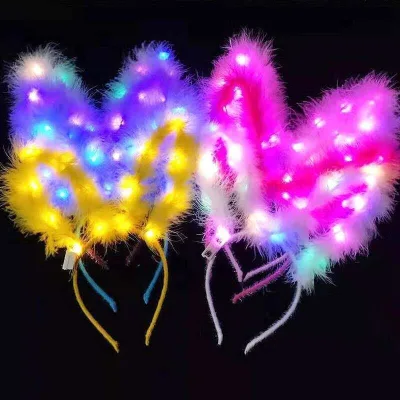
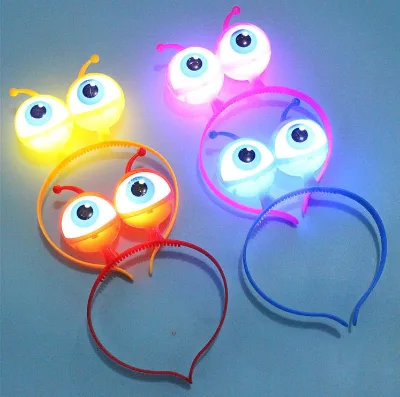
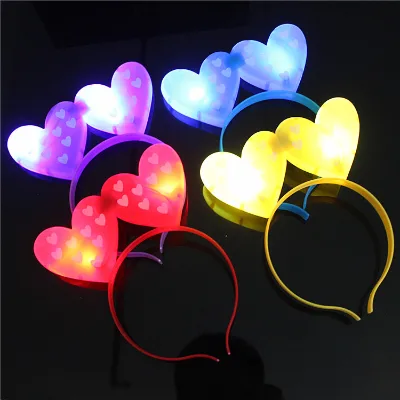
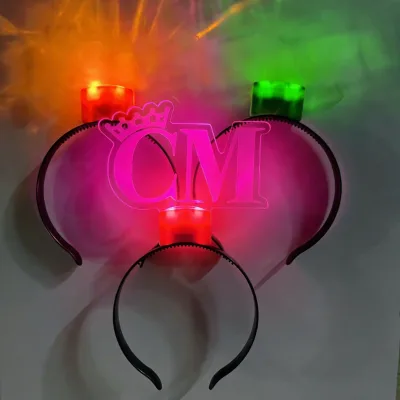
Light up Headbands LED Glowing Headband Luminous Rabbit Ear LED Headbands
$0.28 - $0.32
MOQ: 100 Pieces
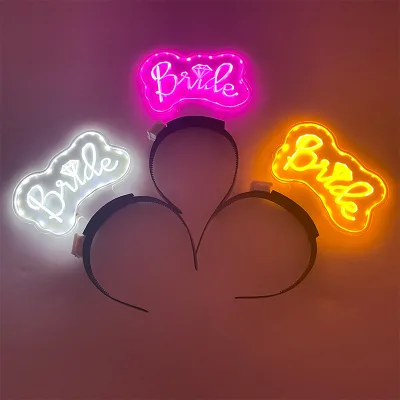
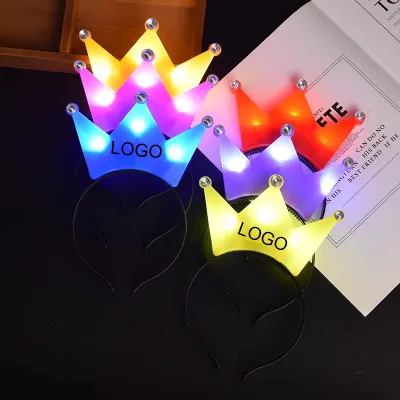
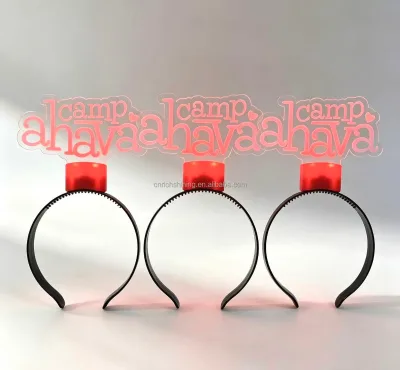
New Personalized Creative LED Letter Acrylic Luminous Headband for Party
$3.16 - $3.67
MOQ: 100 pieces
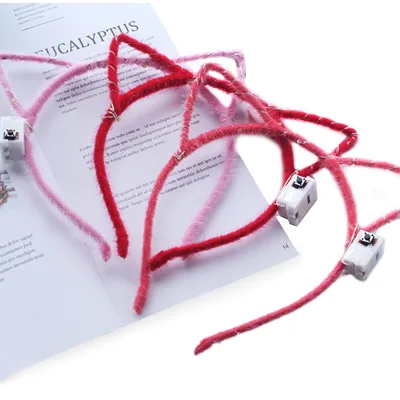
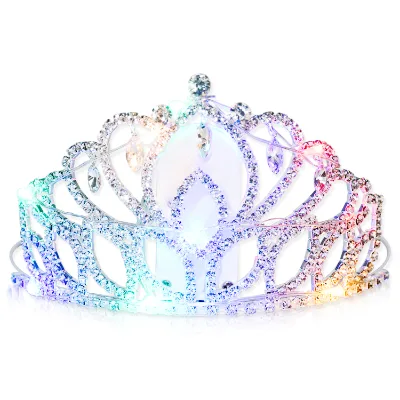
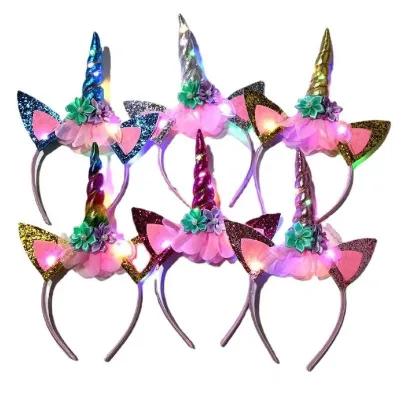

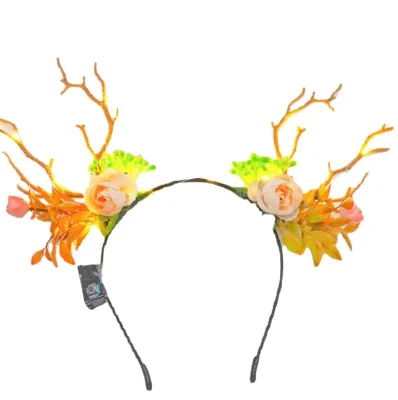
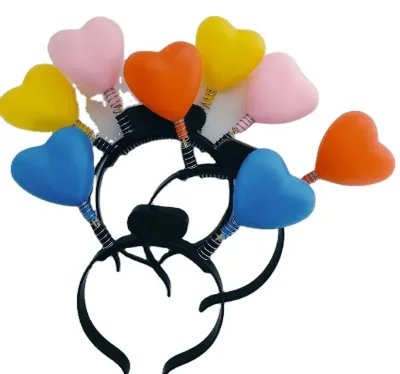
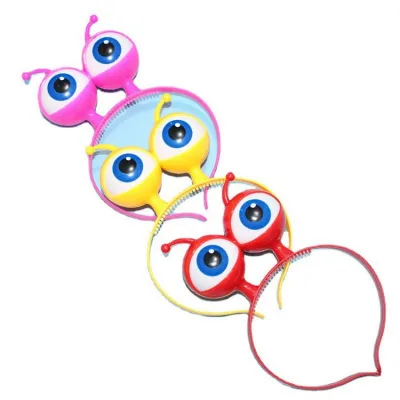


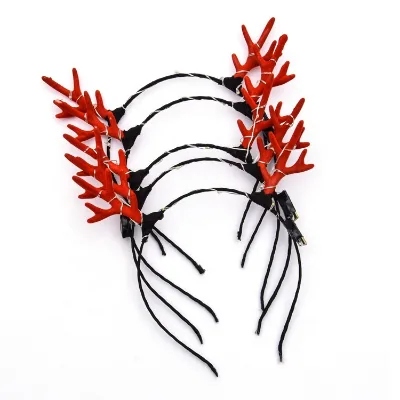
Lighted Christmas LED Flashing Light up Headbands Birthday Party Lovely LED Headband
$0.35 - $0.45
MOQ: 300 Pieces




Comprehensive Sourcing Guide
Luminous LED Letter Headband Sourcing Guide
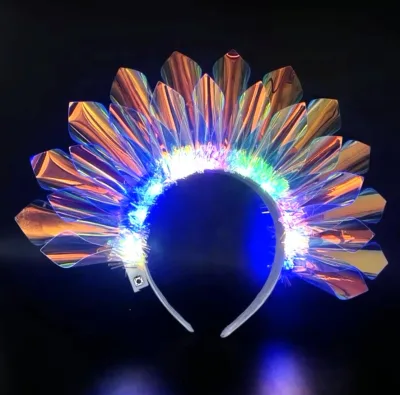
Sourcing luminous LED headbands requires a nuanced understanding of the intersection between festive novelty items and electronic safety standards. These products, often categorized under party decorations or wearable accessories, serve dual purposes as visual focal points for events and functional lighting for low-visibility environments. Buyers must navigate a market where aesthetic appeal—such as multicolor options, specific themes like weddings or holidays, and varied materials like plush or acrylic—must not compromise electrical integrity. The core challenge lies in verifying that the "luminous" aspect, whether through LED strings, letter formations, or crown designs, meets rigorous safety protocols for consumer wearables, particularly when the end-user demographic includes children or when the product is used in crowded, high-energy settings like carnivals or birthday parties.
This guide provides a structured approach to evaluating suppliers and products in this niche. It focuses on translating observed market signals into actionable procurement criteria, ensuring that buyers can distinguish between high-quality, compliant goods and potentially hazardous novelties. By examining technical specifications, compliance documentation, and commercial terms, procurement professionals can mitigate risks associated with battery safety, material toxicity, and inconsistent performance. The following sections detail the critical verification steps necessary to build a reliable supply chain for LED headbands, emphasizing evidence-based decision-making over marketing claims.
Product Scope and Observed Listing Signals
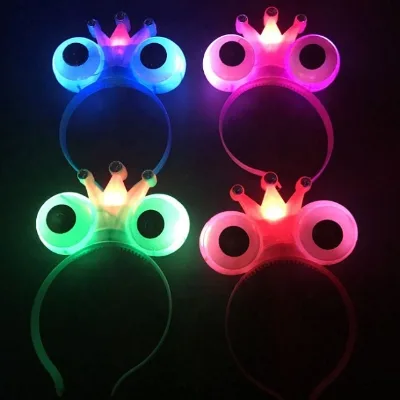
The market for luminous LED headbands encompasses a diverse range of product types, from simple light-up crowns to complex letter formations and decorative headbands with integrated LED strings. Observed listings indicate a strong emphasis on customization, with suppliers offering options for various themes such as "Love Wedding," "Birthday," and "Holiday Party." Materials vary significantly, with some products utilizing plush for a soft, child-friendly feel, while others employ acrylic or alloy components for durability and structural integrity. The scale of these products is typically small, designed for adult or child wear, with specific dimensions noted in listings, such as headbands measuring 16x7 cm with additional LED string lengths. Buyers should recognize that "luminous" can refer to different lighting mechanisms, including steady-on, slow blinking, or fast blinking modes, which must be clearly specified to meet event requirements.
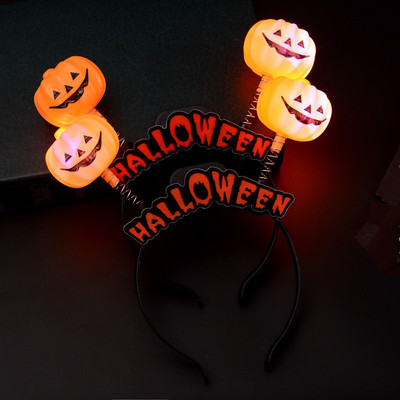
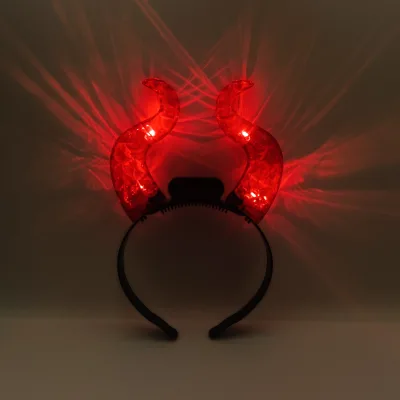
Color options are a primary differentiator, with multicolor configurations being prevalent to enhance visual impact during celebrations. Listings frequently highlight colors like red, blue, green, white, and pink, often combined in a single unit to create dynamic lighting effects. The application scope is broad, covering anniversaries, graduations, baby showers, and Halloween, which necessitates careful alignment between the product’s aesthetic and the specific event’s tone. For instance, a "Western style" plush flashlight or a "LOVE WEDDING PARTY FAVORS" themed headband serves distinct market segments. Procurement teams must verify that the observed color and style attributes match the actual product samples, as visual representations in listings can sometimes be misleading or overly saturated.
Technical Specifications to Verify
Electrical safety and power supply mechanisms are the most critical technical aspects to verify when sourcing LED headbands. Listings indicate the use of DC 6V input and battery-powered systems, often specifying the type of batteries required, such as 3pcs AG13 cells. Buyers must confirm the battery compartment design to ensure it is secure and tamper-resistant, especially for products intended for children or sold as party favors. The IP rating, observed as IP33 in some listings, provides a baseline for water and dust resistance, but buyers should verify if this rating applies to the entire unit or just the electronic components. Understanding the ingress protection level is essential for determining the product’s suitability for outdoor events or environments where moisture might be present.
The physical construction and component quality also require detailed scrutiny. Specifications such as the number of LEDs (e.g., 12 LEDs) and the material composition (alloy, acrylic, or plush) directly impact durability and performance. Buyers should request detailed diagrams or exploded views to understand how the LEDs are integrated into the headband structure, ensuring that wiring is protected from bending or breaking during use. The weight of the product, observed at around 53g for some units, is a factor in user comfort, particularly for extended wear. Additionally, the single package size and gross weight are crucial for logistics planning, as they affect shipping costs and storage requirements. Verifying these specifications against actual samples ensures that the product meets both functional and ergonomic expectations.
Compliance and Safety Documentation
Regulatory compliance is non-negotiable for electronic wearable products, particularly those marketed for use by children or in public events. Buyers must insist on comprehensive safety documentation, including test reports from accredited laboratories. Key standards to verify include electrical safety, battery transport regulations, and material toxicity limits. For products sold in the European market, CE marking and RoHS compliance are essential, indicating that the product meets EU health, safety, and environmental protection requirements. In the United States, FCC certification for electronic emissions and CPSIA compliance for children’s products are critical. Buyers should request these certificates directly from the supplier and verify their authenticity through the respective regulatory bodies’ databases.
Material safety is another vital area of compliance. Products made from plush, acrylic, or alloy must be free from harmful substances such as lead, phthalates, and heavy metals. Buyers should request material safety data sheets (MSDS) and third-party test results to confirm that the materials used are non-toxic and hypoallergenic. This is particularly important for products that come into direct contact with the skin, such as headbands worn around the head. Additionally, buyers should verify that the packaging materials comply with local recycling and waste disposal regulations. Ensuring that all compliance documentation is up-to-date and valid for the specific product model helps mitigate legal risks and protects the brand’s reputation.
Cost Drivers and Commercial Terms
The cost of luminous LED headbands is influenced by several factors, including material selection, electronic component quality, and customization requirements. Products with more complex LED configurations, such as those with multiple blinking modes or higher LED counts, typically command higher prices. Customization options, such as specific color schemes, logo printing, or unique packaging, also add to the cost. Buyers should analyze the price range observed in the market, which varies from $0.2 to $4.99, to understand the value proposition of different suppliers. It is essential to request detailed quotations that break down costs for materials, labor, electronics, and packaging to identify potential areas for cost optimization.
Minimum Order Quantities (MOQs) and payment terms are significant commercial considerations. Observed MOQs range from 10 to 2000 pieces, reflecting the flexibility of suppliers in accommodating different order sizes. Buyers should negotiate MOQs based on their inventory needs and cash flow constraints, considering the possibility of mixed orders or seasonal adjustments. Payment terms, such as deposits and balance payments upon shipment, should be clearly defined in the contract to ensure financial security. Additionally, buyers should inquire about lead times and production schedules to align with their event timelines. Understanding these commercial terms helps in building a sustainable and efficient supply chain.
Supplier Qualification and Quality Control
Evaluating supplier qualifications is crucial for ensuring consistent product quality and reliable delivery. Buyers should conduct thorough due diligence on potential suppliers, including verifying their business licenses, manufacturing capabilities, and quality management systems. Suppliers with ISO certifications or other recognized quality standards are generally more reliable. It is also important to assess their experience in producing LED products, as this indicates their proficiency in handling electronic components and ensuring product safety. Requesting references from previous clients can provide additional insights into the supplier’s performance and reliability.
Quality control processes should be clearly defined and enforced throughout the production cycle. Buyers should implement a robust inspection plan that includes pre-production, during-production, and pre-shipment inspections. Key quality checkpoints include verifying the functionality of LEDs, checking for material defects, and ensuring that packaging meets specifications. Third-party inspection services can be engaged to provide unbiased assessments of product quality. Additionally, buyers should establish clear acceptance criteria and rejection protocols to handle non-conforming products. Regular communication with the supplier regarding quality issues and continuous improvement initiatives helps maintain high standards and builds a strong partnership.
Long-Term Procurement Checks
Sustainable procurement practices require ongoing monitoring and evaluation of supplier performance and product quality. Buyers should establish key performance indicators (KPIs) to track metrics such as on-time delivery, defect rates, and customer feedback. Regular audits and reviews of supplier processes help identify areas for improvement and ensure compliance with evolving regulatory standards. Building a diversified supplier base can mitigate risks associated with single-source dependencies and provide flexibility in responding to market changes. Additionally, buyers should stay informed about industry trends and technological advancements in LED technology to make informed sourcing decisions.
Continuous engagement with suppliers fosters a collaborative relationship that benefits both parties. Regular meetings and feedback sessions can address issues proactively and explore opportunities for innovation and cost savings. Buyers should also consider the environmental impact of their sourcing decisions, prioritizing suppliers who demonstrate commitment to sustainability and ethical practices. By implementing long-term procurement checks, buyers can ensure a resilient and efficient supply chain that supports their business goals and meets the expectations of their customers. This strategic approach to sourcing luminous LED headbands helps in achieving a balance between cost, quality, and compliance.
FAQs
What customization options are available for these headbands?
Customization is available for these luminous headbands to meet specific buyer needs. The products support various styles and colors, allowing for tailored designs suitable for different party themes and events.
Which materials are used to construct the headbands?
The headbands are constructed using materials such as acrylic, alloy, and LED strings. Some variations also feature plush materials, ensuring durability and comfort for users during various celebrations and events.
Can these headbands be used for wedding decorations?
Yes, these headbands are suitable for wedding decorations and other holiday parties. They function as luminous accessories that enhance the festive atmosphere for anniversaries, birthdays, and other special occasions.
What is the minimum order quantity for these items?
The minimum order quantity varies by supplier, with observed ranges starting from 100 pieces up to 2000 pieces. Buyers should check specific listings to confirm the exact MOQ required for their order volume.
How are these headbands powered and what is the voltage?
These headbands are powered by batteries, typically requiring DC 6 V input. They utilize LED strings with specific quantities like 12 LEDs to provide lighting effects such as fast blinking, slow blinking, or steady on modes.
Where are these products manufactured and what is the origin?
These products originate from China, specifically from the Guangdong region. The manufacturing location ensures access to established supply chains for producing these decorative and functional party items.
What age group is suitable for using these headbands?
These headbands are suitable for all people, with specific designs targeting children over 8 years old. They serve as fun play methods and decorations for various age groups attending parties and events.